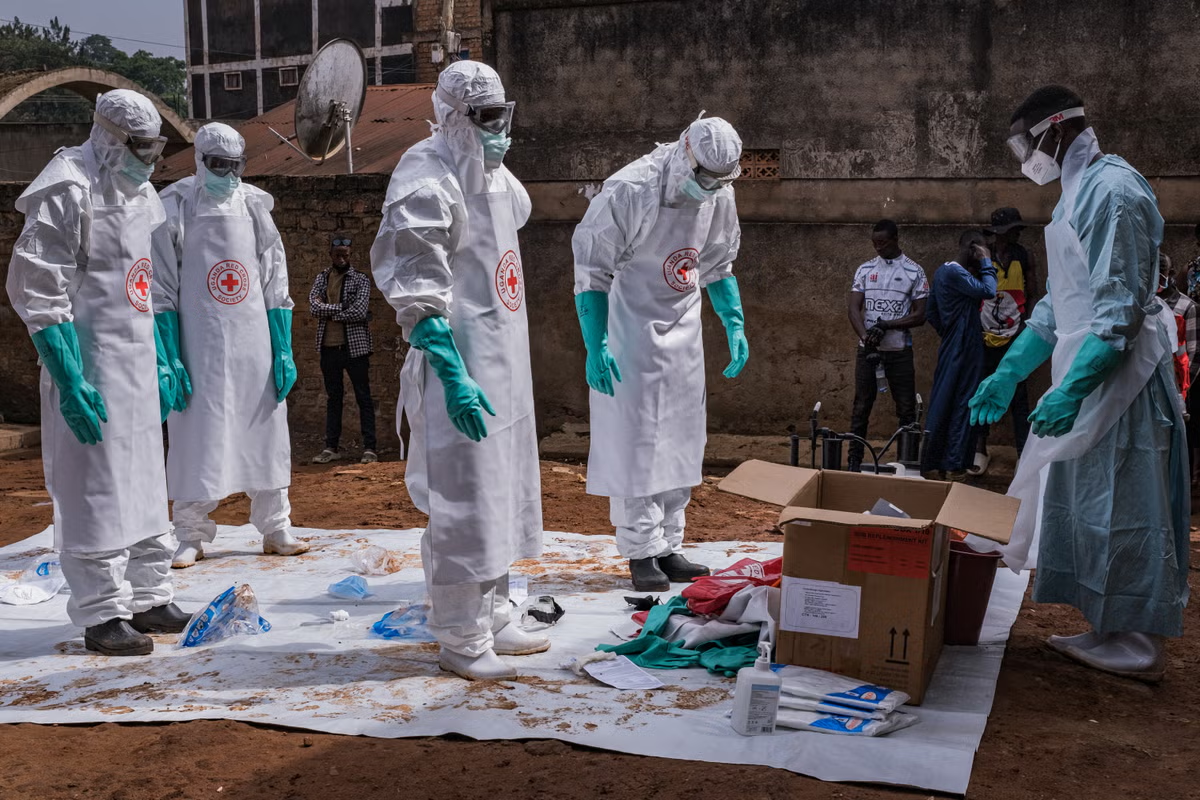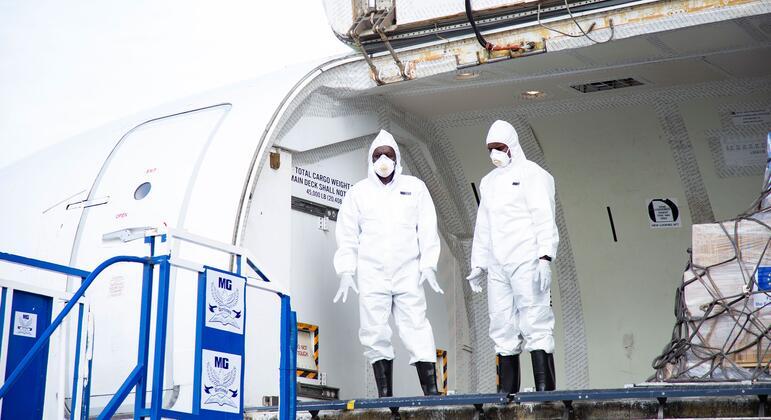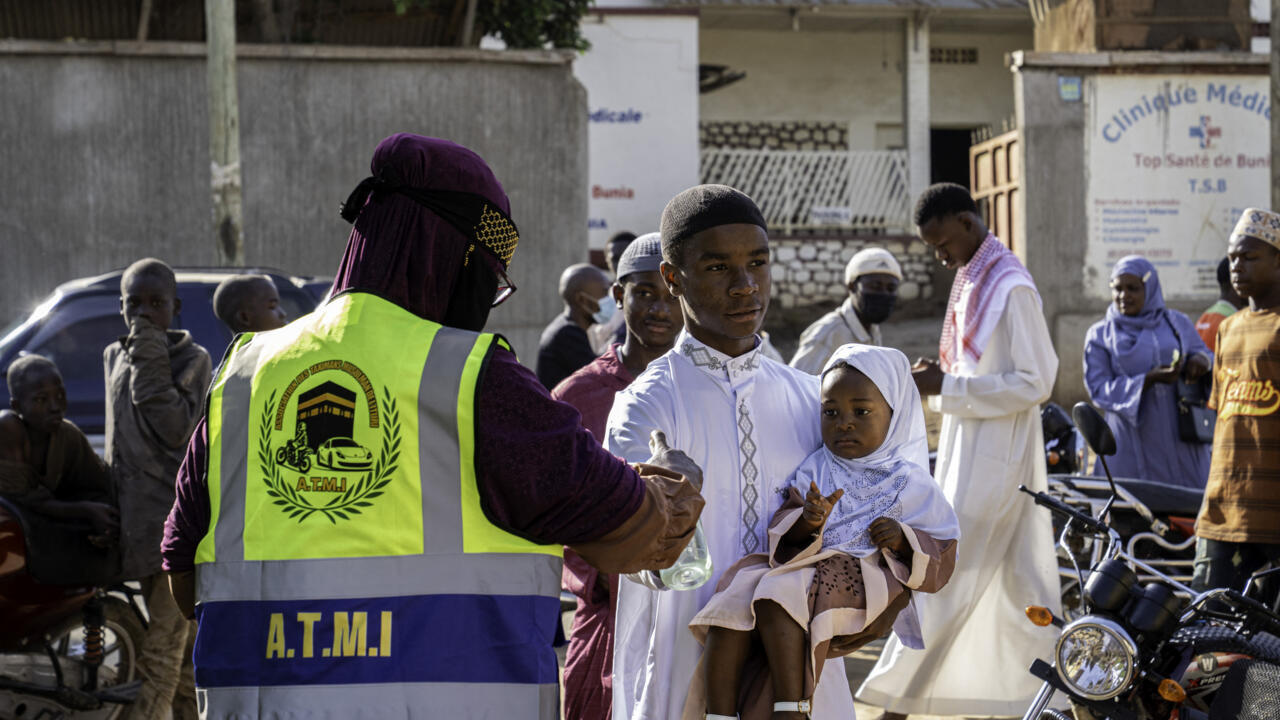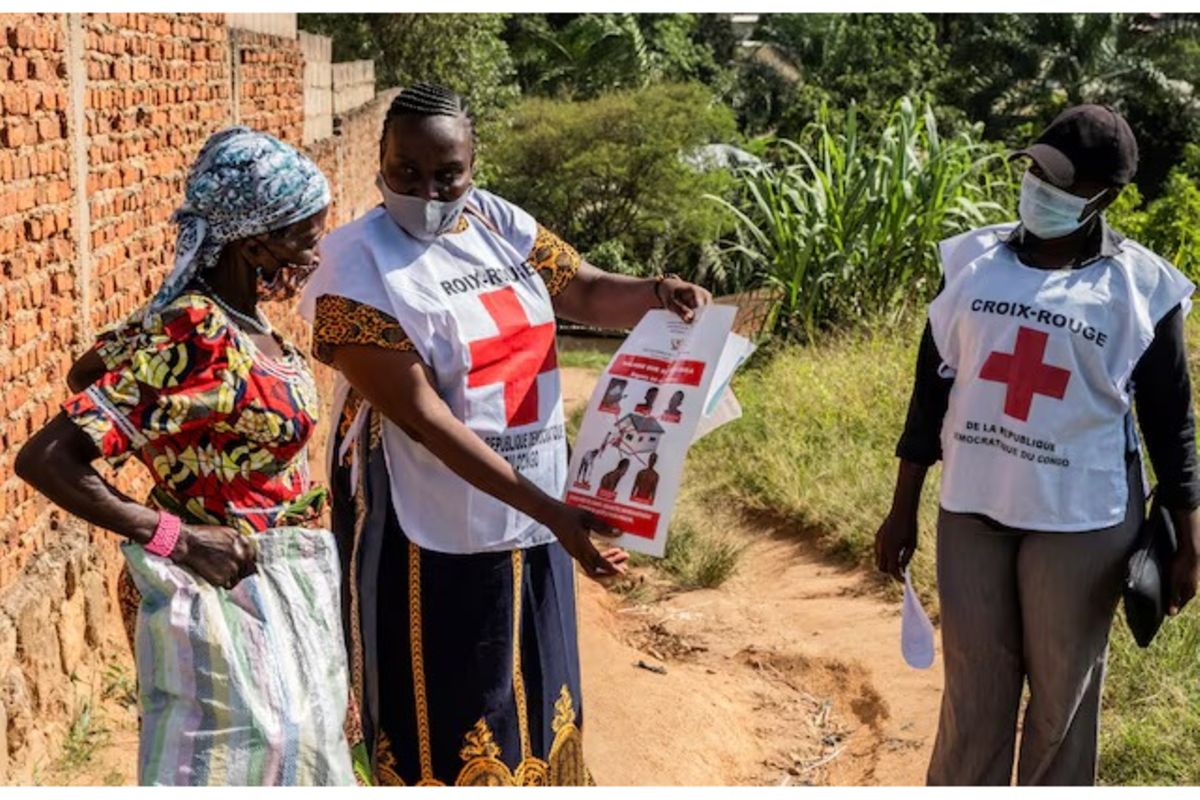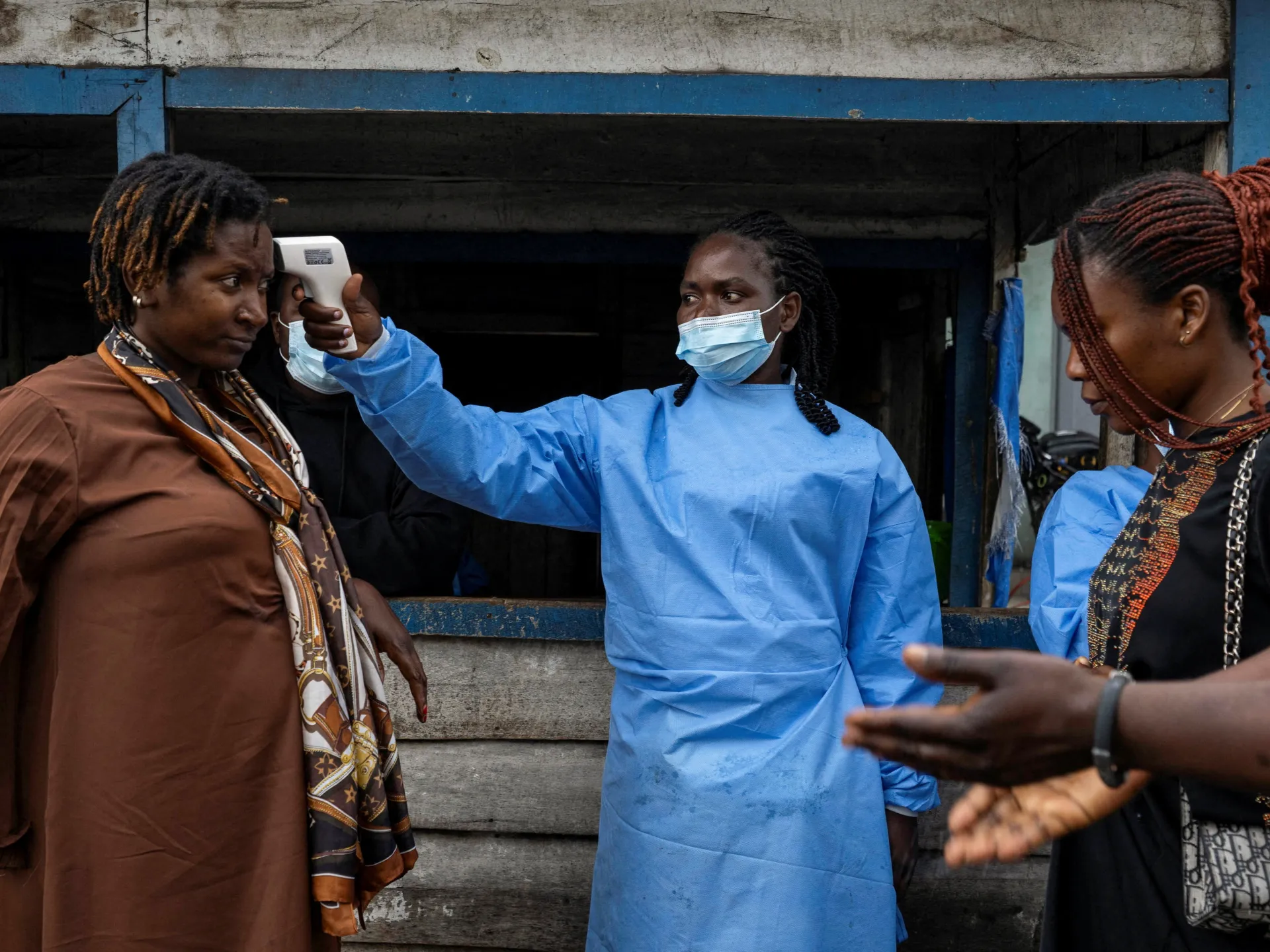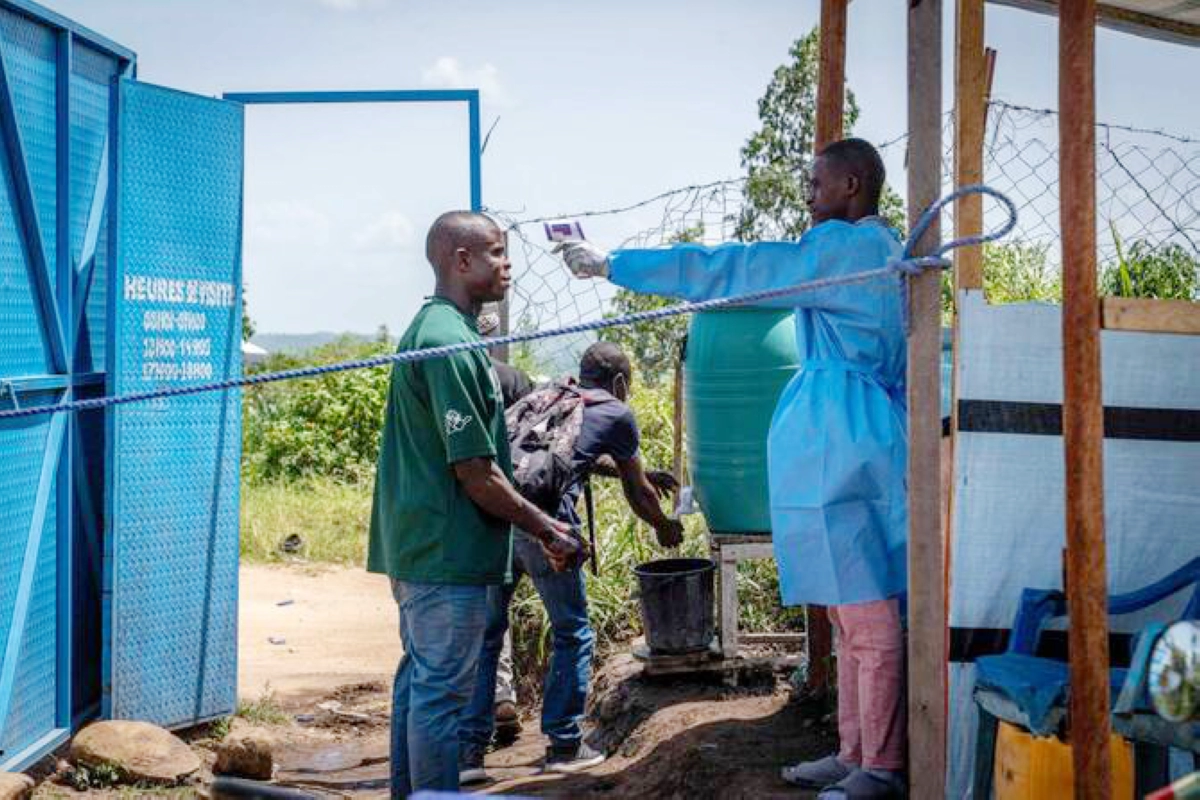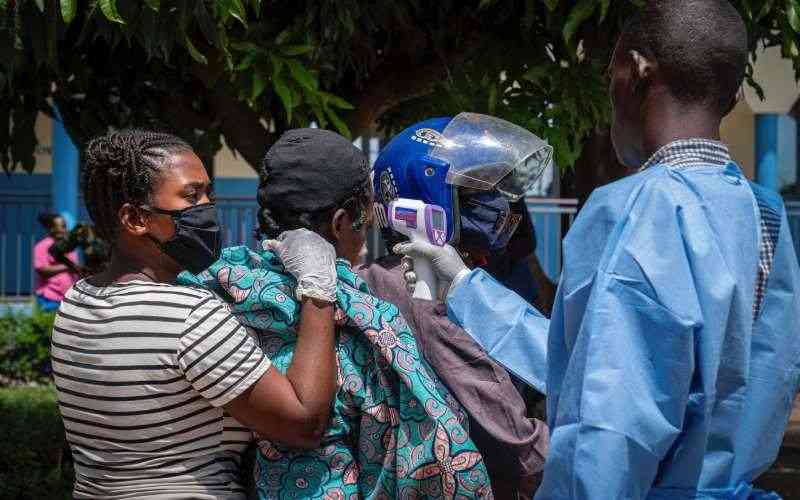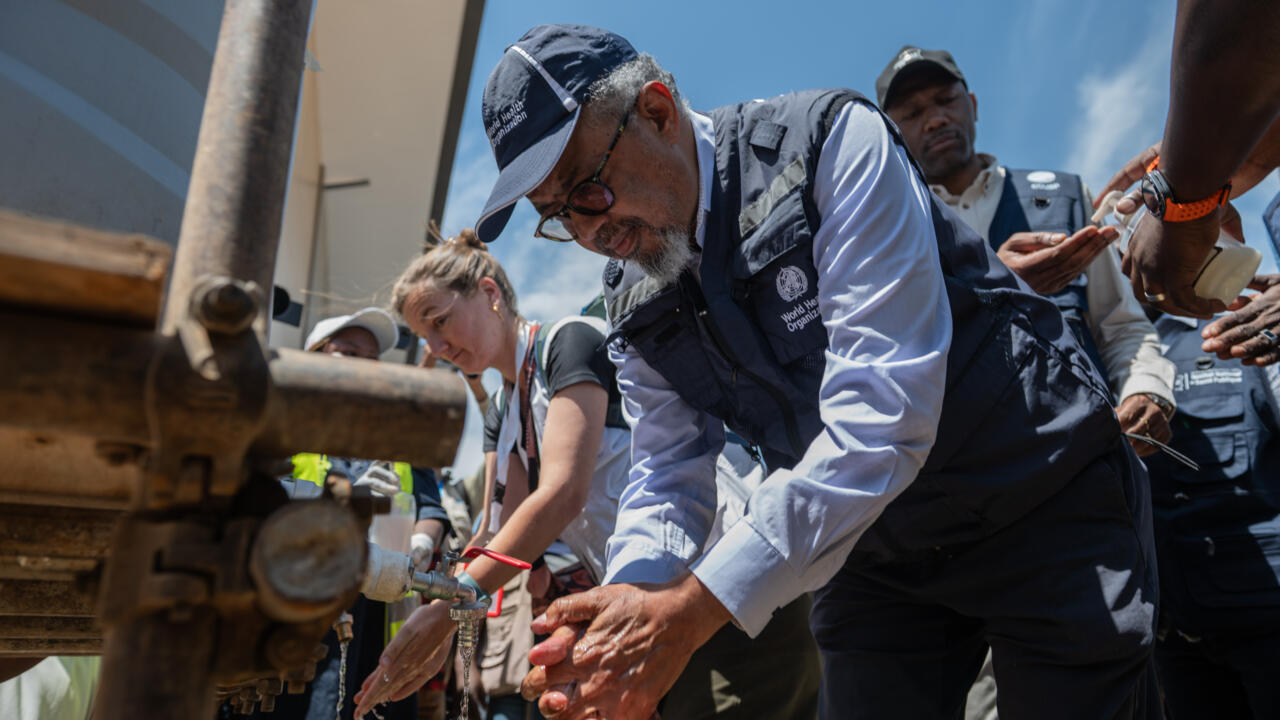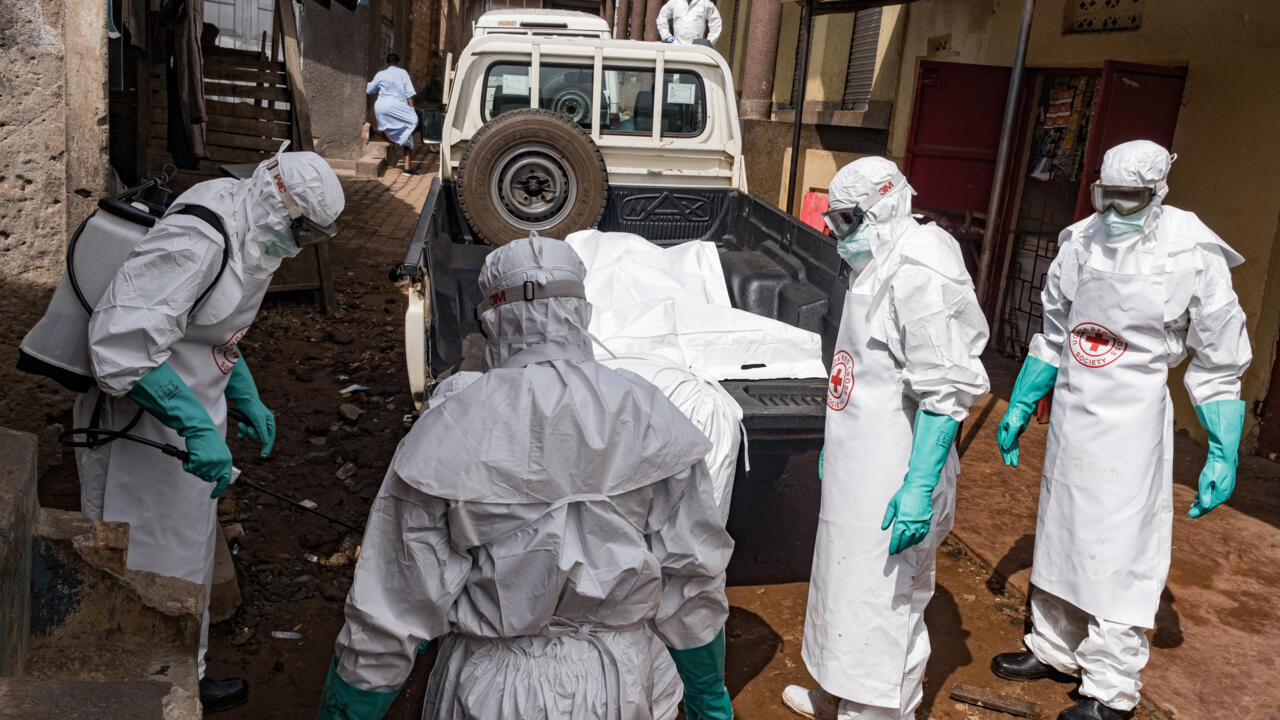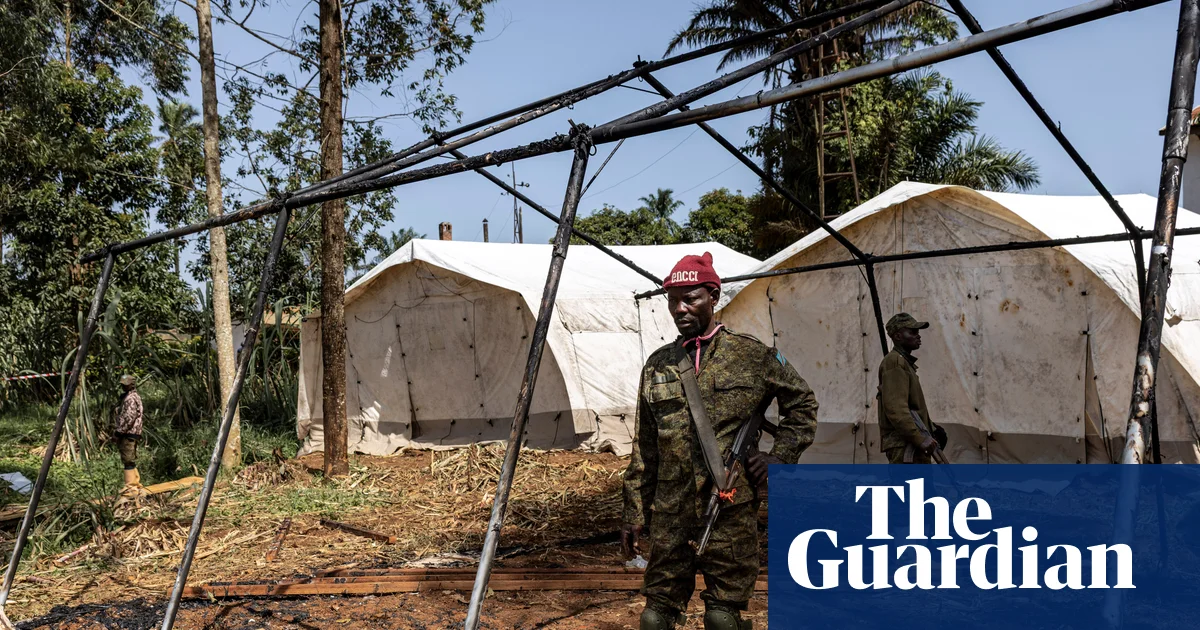
The head of the World Health Organization has called for an immediate ceasefire in the eastern Democratic Republic of the Congo to help tackle the Ebola outbreak there.Tedros Adhanom Ghebreyesus posted on social media that the region was in the midst of a “catastrophic collision of disease and conflict with the Ebola outbreak in Ituri province outpacing the response”.Tedros said on Monday that he would travel to the DRC this week.As of Sunday there had been 900 suspected cases and 223 suspected Ebola deaths in the DRC and seven confirmed cases and one death in Uganda, WHO data shows.The outbreak was confirmed on 15 May in Ituri, the DRC’s most north-eastern province, which borders South Sudan and Uganda.Eastern DRC has a number of armed groups. Though the government still largely controls Ituri, insecurity had been worsening there before the Ebola outbreak. Almost 1 million people in the province have been displaced by conflict, according to the UN humanitarian office.The outbreak has spread south to rebel-held areas of North Kivu and South Kivu provinces, where the Rwandan-backed M23 group controls large swathes of the region.A handwashing checkpoint in DRC’s North Kivu province. Photograph: Marie Jeanne Munyerenkana/EPATedros said: “Stopping this Ebola transmission depends entirely on humanitarian access. Yet ongoing clashes are driving mass displacement, pushing exposed contacts into overcrowded camps and severing critical containment corridors.“Frontline workers are risking everything, while attacks on health facilities make tracking cases and their contacts nearly impossible. We cannot build community trust or isolate the sick while bombs are falling. We urge all warring parties to agree to an immediate ceasefire to contain this outbreak.”The response to the outbreak has been complicated by the transient nature of many communities in Ituri, where goldmines attract migrant workers, as well as by international aid cuts.Philippe Guiton, the DRC director of the aid organisation World Vision, said: “For children, the risks are especially acute. Years of conflict have weakened community systems, and acute malnutrition has left many young bodies too fragile to withstand a virus as aggressive as Ebola.”The response has also been hindered by attacks on health facilities by people wanting authorities to release Ebola victims’ bodies for burial.Traditionally, burials involve families washing and touching the body. However, the bodies of Ebola victims are highly contagious and have been a key vector for spreading the disease in previous outbreaks in the region.A nurse checks pupils’ temperatures at a school in Kampala, Uganda, on Monday. Photograph: Hajarah Nalwadda/Getty ImagesOn Saturday and Sunday, people attacked a hospital in Mongbwalu, in Ituri. Its medical director, Dr Richard Lokodu, told Reuters that 18 Ebola patients fled the facility on Saturday when “unidentified individuals” burned tents where patients were being isolated.On Sunday, seven more patients fled and an individual suspected of having Ebola died haemorrhaging in the attempt, he said.In Uganda, all seven confirmed cases were reported in Kampala, the WHO said. They included a driver who had transported another case; a Congolese woman who had travelled to Uganda for medical care; a Congolese health worker who worked with other Congolese people seeking healthcare in Uganda; and two Ugandan health workers who had cared for an Ebola patient.
WHO chief calls for DRC ceasefire to tackle Ebola outbreak
Tedros Adhanom Ghebreyesus warns of ‘catastrophic collision of disease and conflict’ as suspected cases reach 900
524 words~2 min read