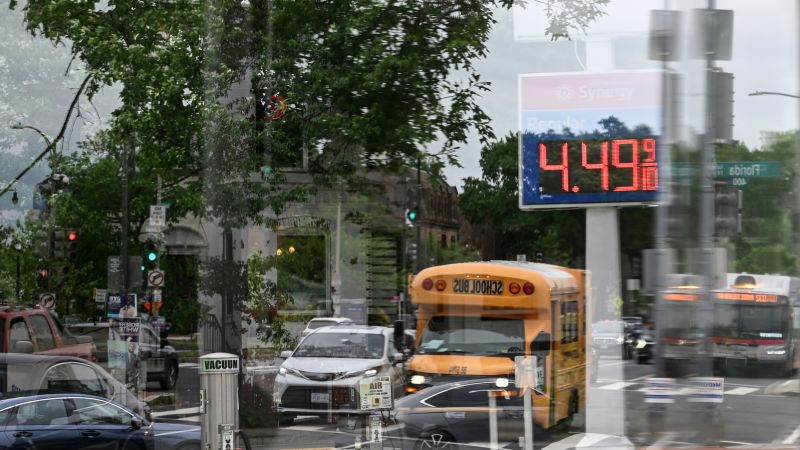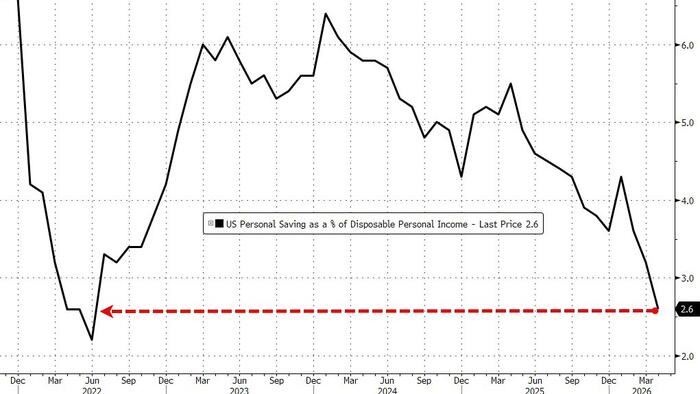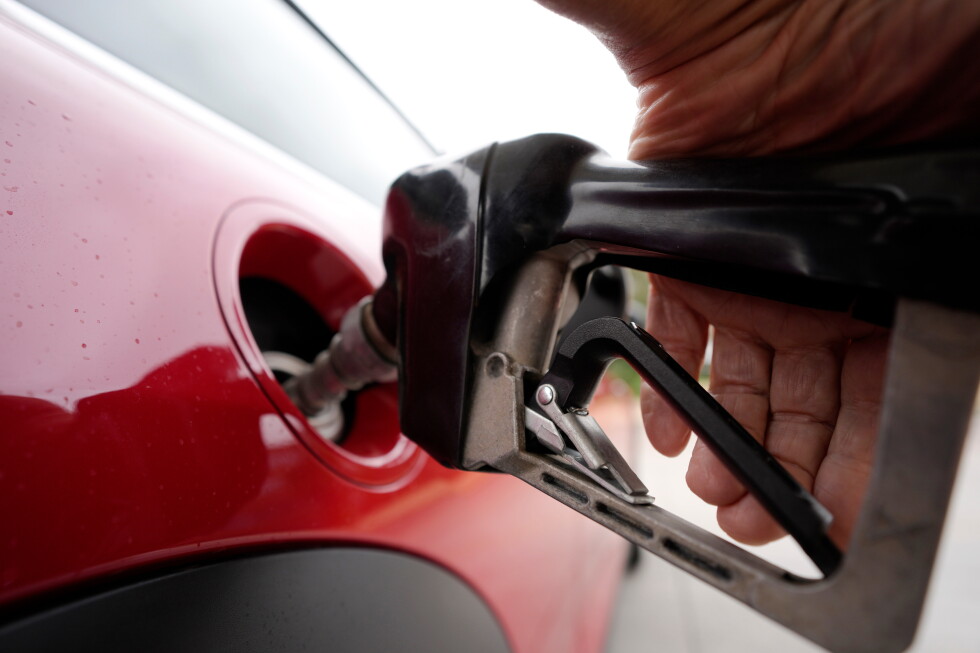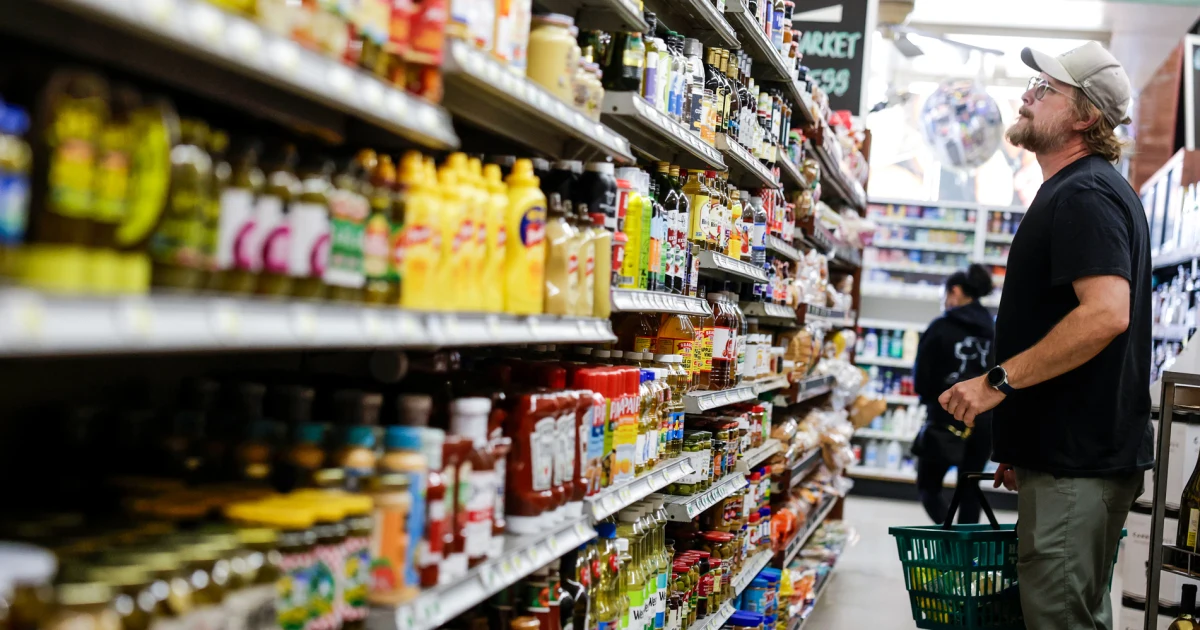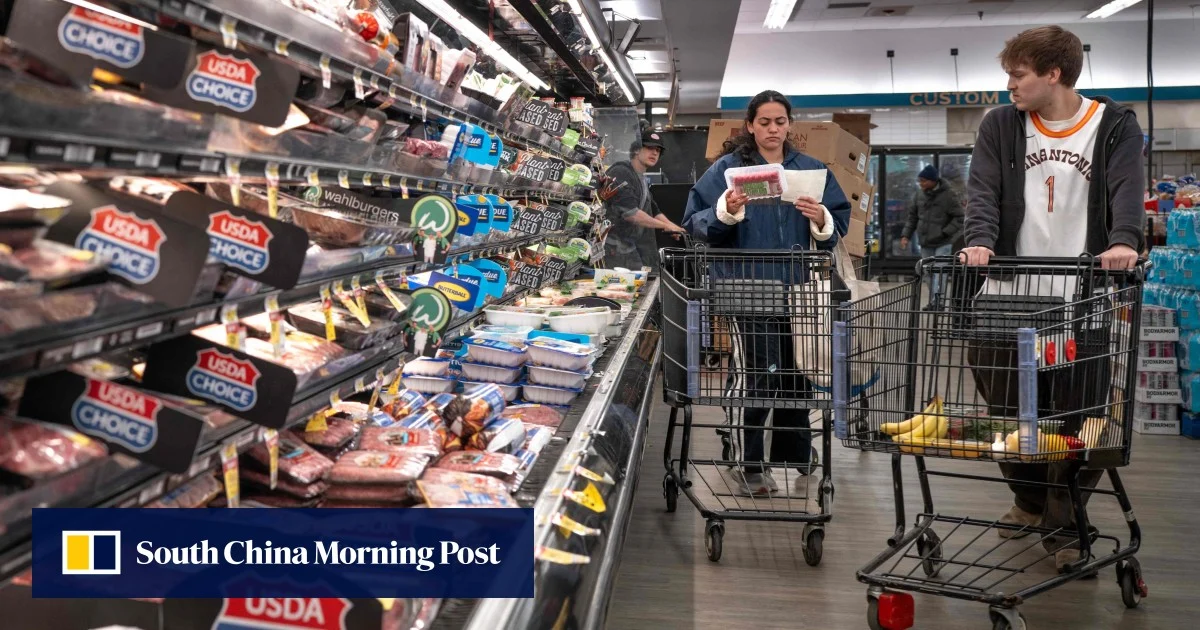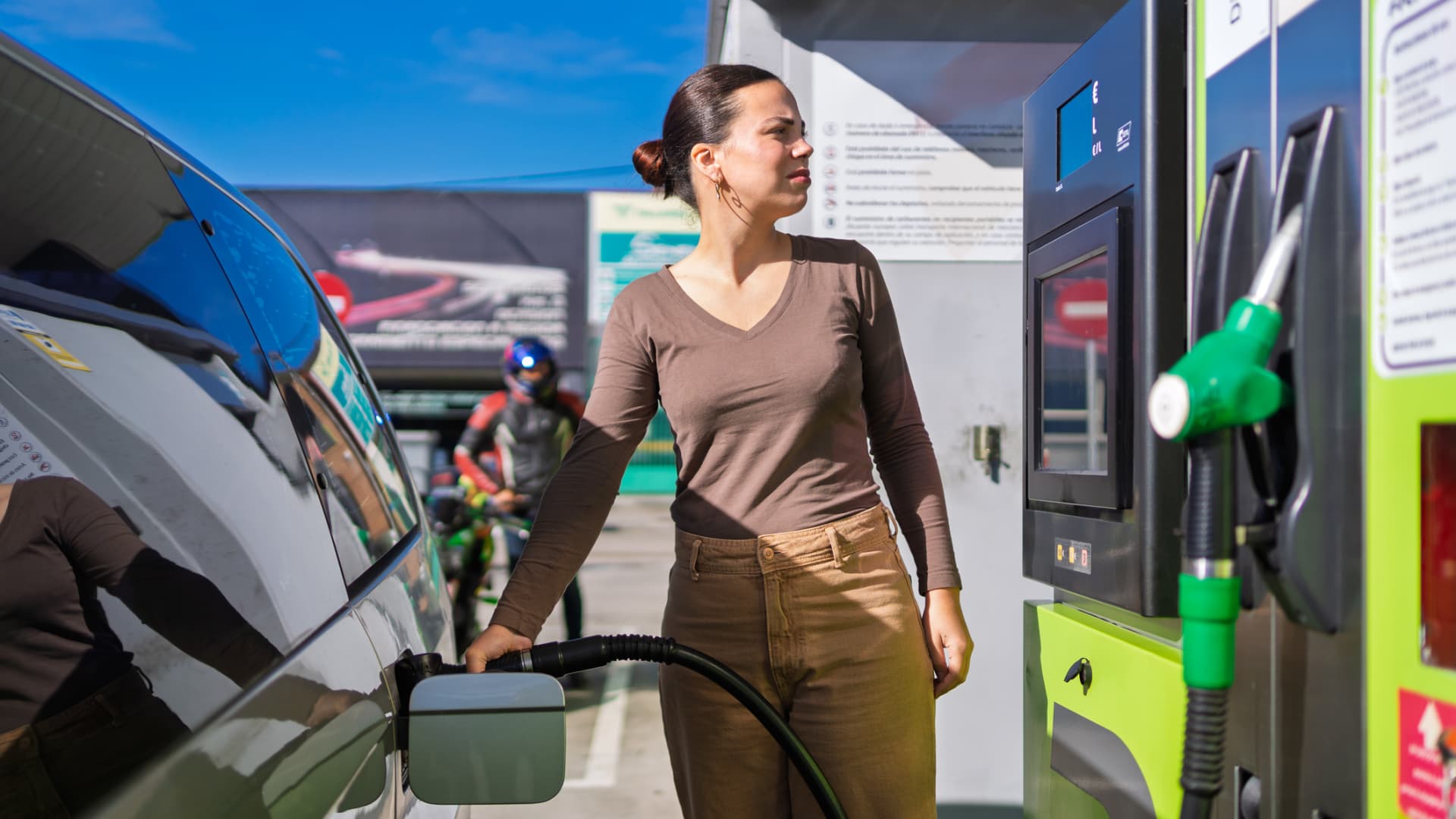
Abraham Gonzalez Fernandez | Moment | Getty ImagesAmericans are saving less as the everyday cost of living rises and wages struggle to keep up.The personal savings rate — defined as the share of income Americans have after taxes and expenses — hit 2.6% in April, according to data from the Bureau of Economic Analysis released on Thursday. That's down from 3.2% in March, and 5.8% a year prior."I thought 2.6% for April was a typo at first. It is so low," Heather Long, chief economist at Navy Federal Credit Union, said in an email. "Outside of the revenge spend era of 2022, the personal savings rate has almost never been this low in the past 65 years."The April reading marks the lowest the savings rate has fallen since it hit 2.2% in June 2022 amid record-high inflation, along with Americans having "flush bank accounts" from pandemic stimulus payments and being "eager to spend as the nation opened up again," Long said. The latest savings decline comes as Americans continue to deal with elevated prices on a range of essentials like groceries and utilities. Gasoline has been a particular pain point since the start of the Iran war. The national average at $4.43 a gallon as of Thursday, according to AAA data."Even with tax cuts, paychecks aren't keeping up with inflation right now," said Long. "It's more than just high gas prices. It's rising electricity, healthcare and food prices. These are the basics that people must pay. It's harder to skimp on these items."Inflation rose 3.8% in April from a year earlier, according to the Bureau of Labor Statistics — the highest level since May 2023. Wage growth also began to lag inflation in April, with average hourly earnings rising 3.6% from the previous year, BLS data shows. "Many consumers still have enough cash for now, but they will have to belt-tighten later this year as the tax refunds are spent and there isn't any additional income boost on the horizon for most households," said Long.Amid the savings crunch, many Americans are relying on credit to get by. Over a third — 37% — of Americans say they will have to use a credit card, Buy Now Pay Later or other type of loan to cover at least some of their expenses this month, a new NerdWallet survey found. That includes 35% of households earning at least $100,000 a year. The financial site polled 2,072 U.S. adults in early May. Fidelity data released Thursday also shows that more workers tapped their 401(k) retirement savings during the first quarter. The share of workers with an outstanding loan was 19.2%, up from 18.8% a year earlier, according to Fidelity. The shares of workers who took out a new loan or a hardship withdrawal also increased.
Americans’ savings rate falls to lowest level since 2022 as inflation outpaces paychecks
As inflation starts outpacing wages again, Americans have less money to put aside for emergencies and other savings goals.
462 words~2 min read