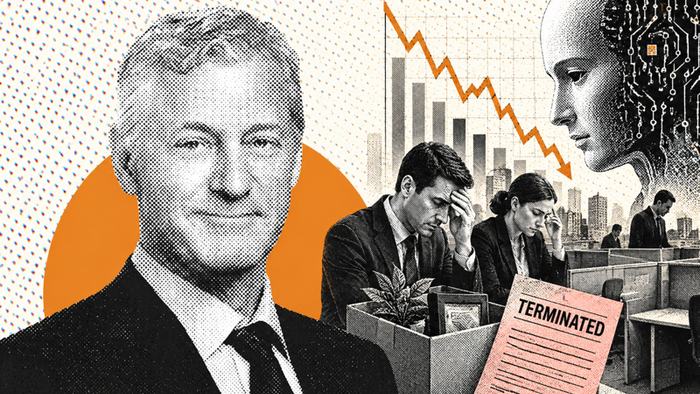
Is there a right way for CEOs to communicate AI-related layoffs? We certainly know there’s a wrong way.
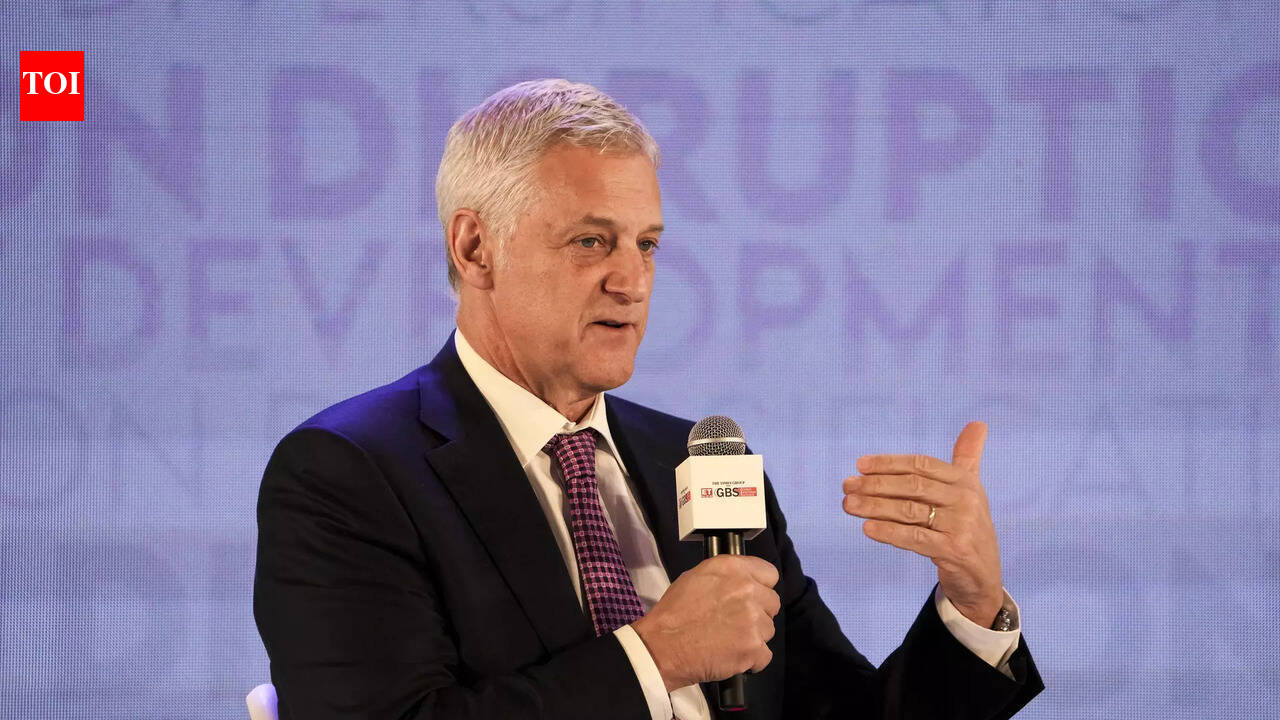
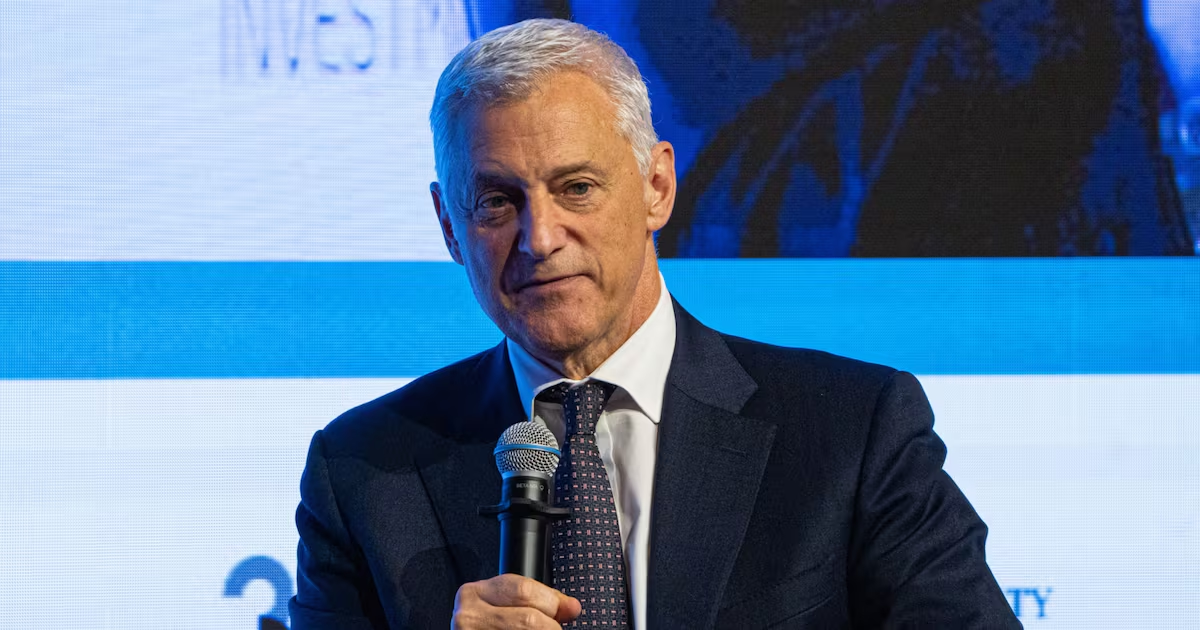
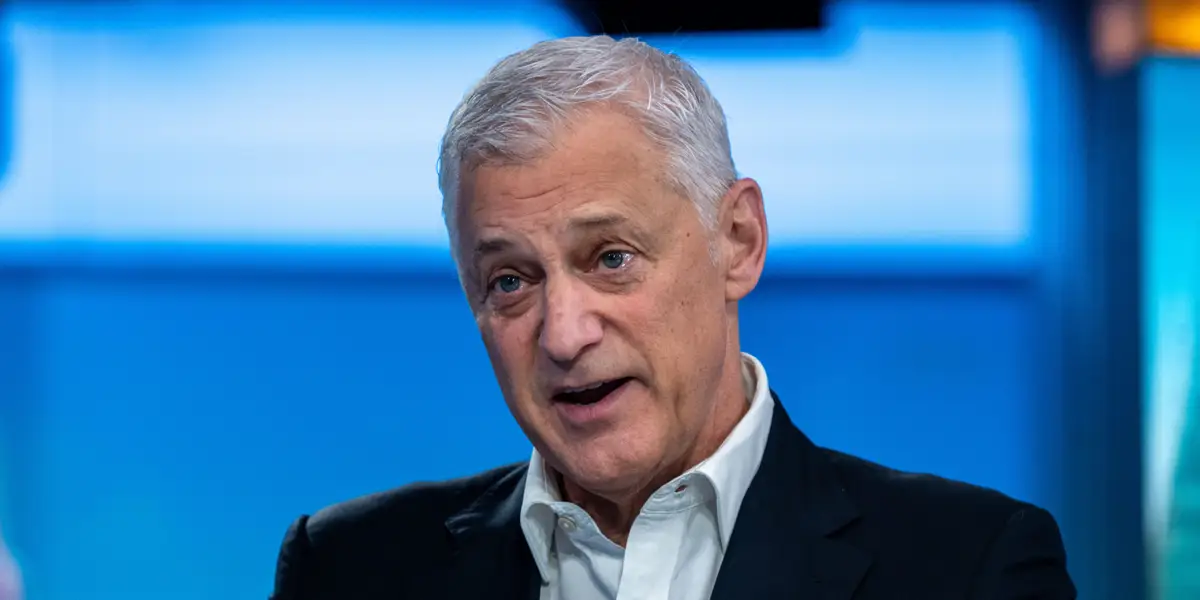
Standard Chartered CEO Bill Winters proved that last week when he said the London-based bank would replace “low-value human capital” with artificial intelligence. The dismissive language triggered outrage from the public, condemnation from unions, and questions from regulators about the extent of potential job cuts. Winters spent several days trying to clean up the mess he’d created, but his attempt at an apology came across to many as weak.
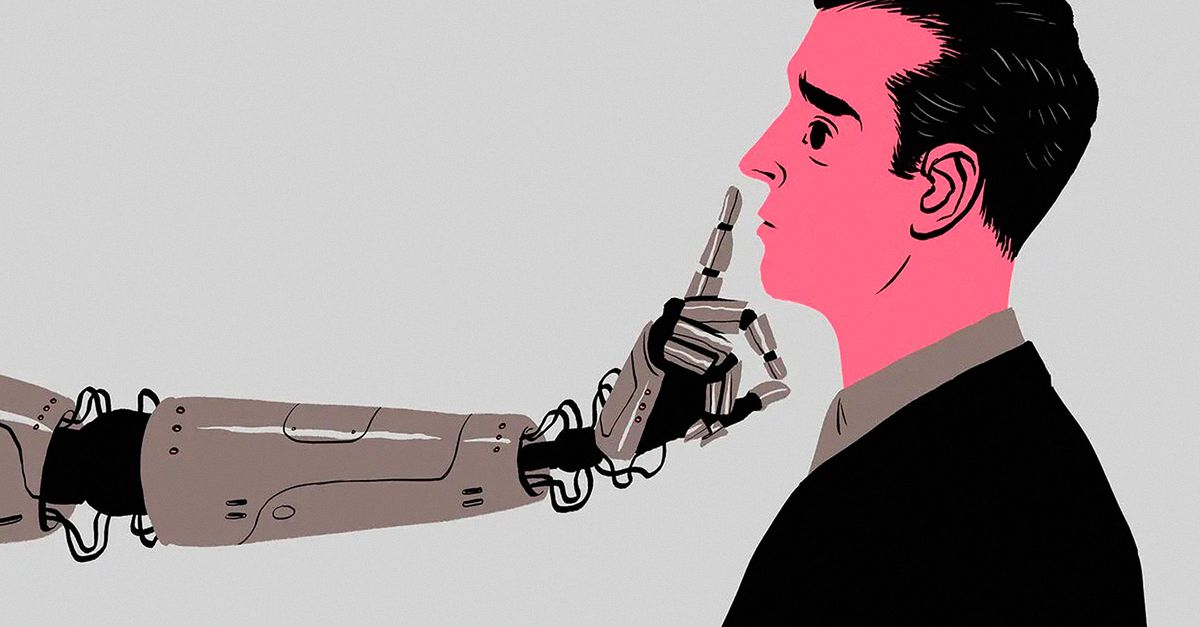
Winters joins a long line of CEOs who just can’t get the messaging around AI right. They’re often too clinical or too apocalyptic; they come off as disingenuous and have been accused of “AI-washing” layoffs done for other reasons; or they’re so tone deaf about the public’s AI anxiety that they’ve been booed during commencement addresses.
Across the various foot-in-mouth episodes, CEOs are falling into a similar trap: They’re using boardroom language to discuss the very human experience of work and job losses, and failing to recognize the full distance their messages travel, explains Sandra Sucher, a professor of management practice at Harvard Business School who studies trust. “What happens with some of these CEO announcements is that they are addressing one audience but harming their relations with another,” she says.