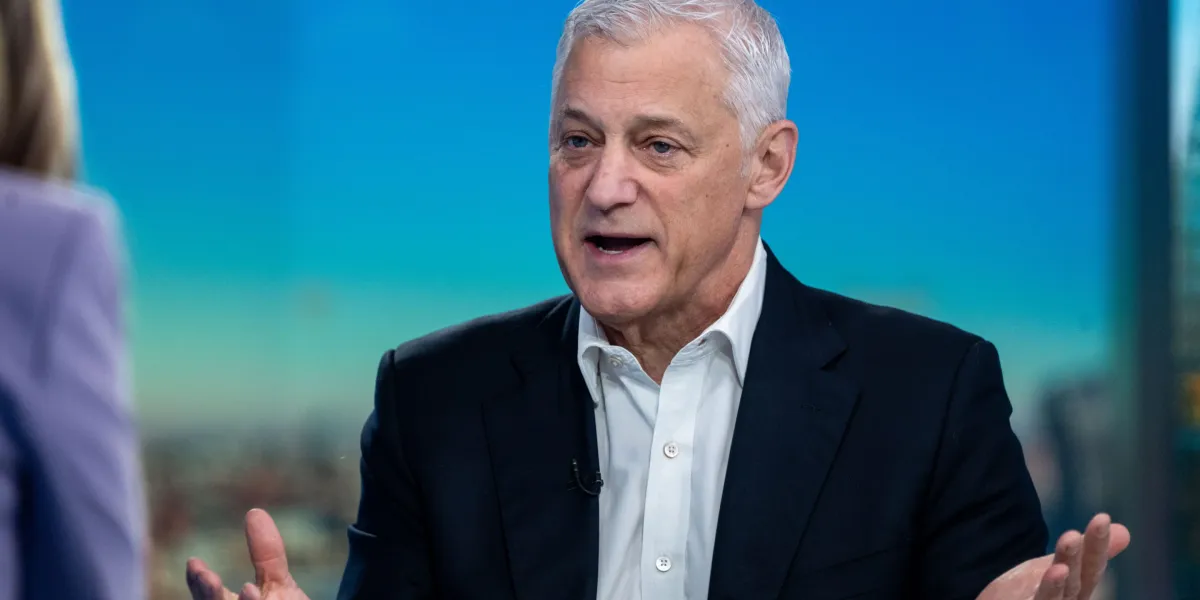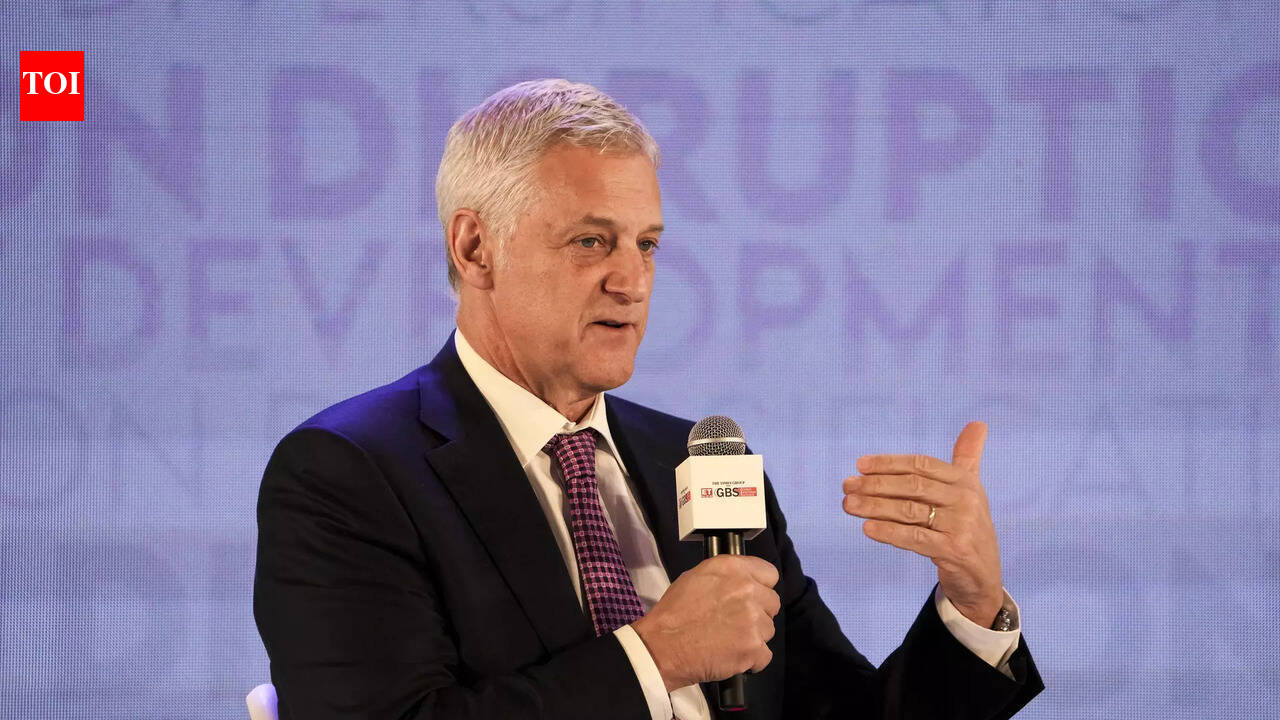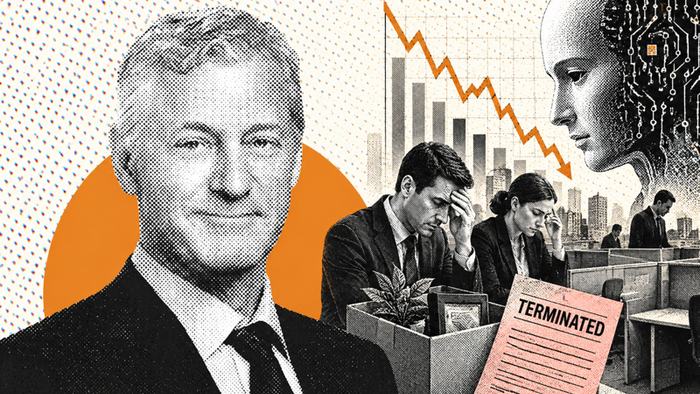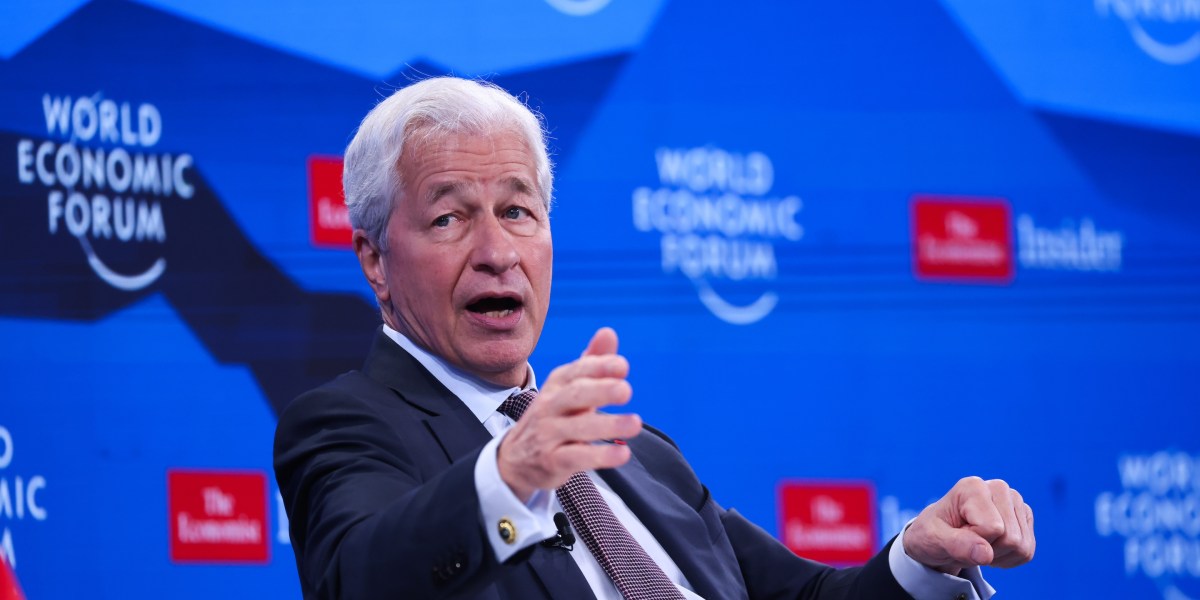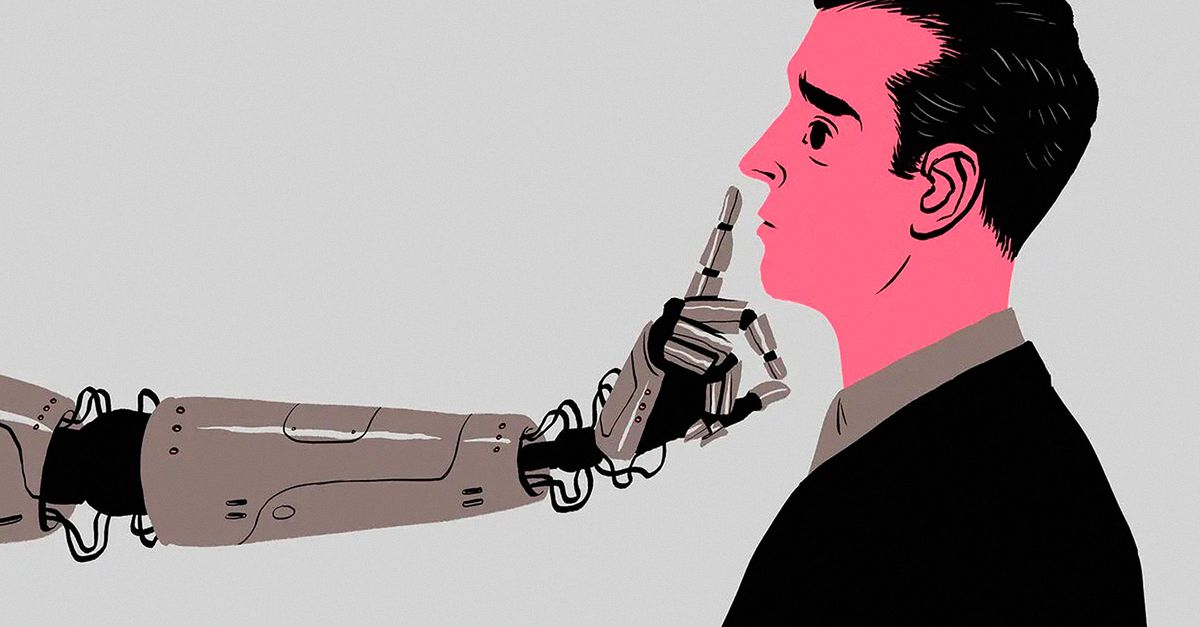
If you are a bank boss and in the headlines, you are either Jamie Dimon or you have screwed up. Bill Winters, the chief executive of Standard Chartered, an emerging-markets bank headquartered in Britain, made waves recently when he talked about a planned 15% reduction in back-office jobs over the next four years. Four words in particular landed him in trouble: a reference to the replacement of „lower-value human capital” by financial capital invested in automation. The kerfuffle provides an instructive case study in a problem now faced by almost every manager: how to talk about the effect of artificial intelligence on jobs.
De redactie van NRC selecteert de beste artikelen uit The Economist voor een breder perspectief op internationale politiek en economie.
Bosses want employees to use AI in order to improve productivity, see off AI-using rivals and more. Employees, on the whole, are less enthused. They can see some benefits to the technology. But they can also see the risks that it poses to jobs. Even if the numbers do not point to widespread lay-offs yet, an AI backlash is well under way. It has spawned the acronym „FOBO”, for „fear of becoming obsolete”. It shows up in viral videos—of American graduates booing commencement speakers who mention the technology and of a departing Meta employee singing about the tech giant’s AI strategy to the tune of „American Pie” („And now I’m singing bye bye to professional pride”).