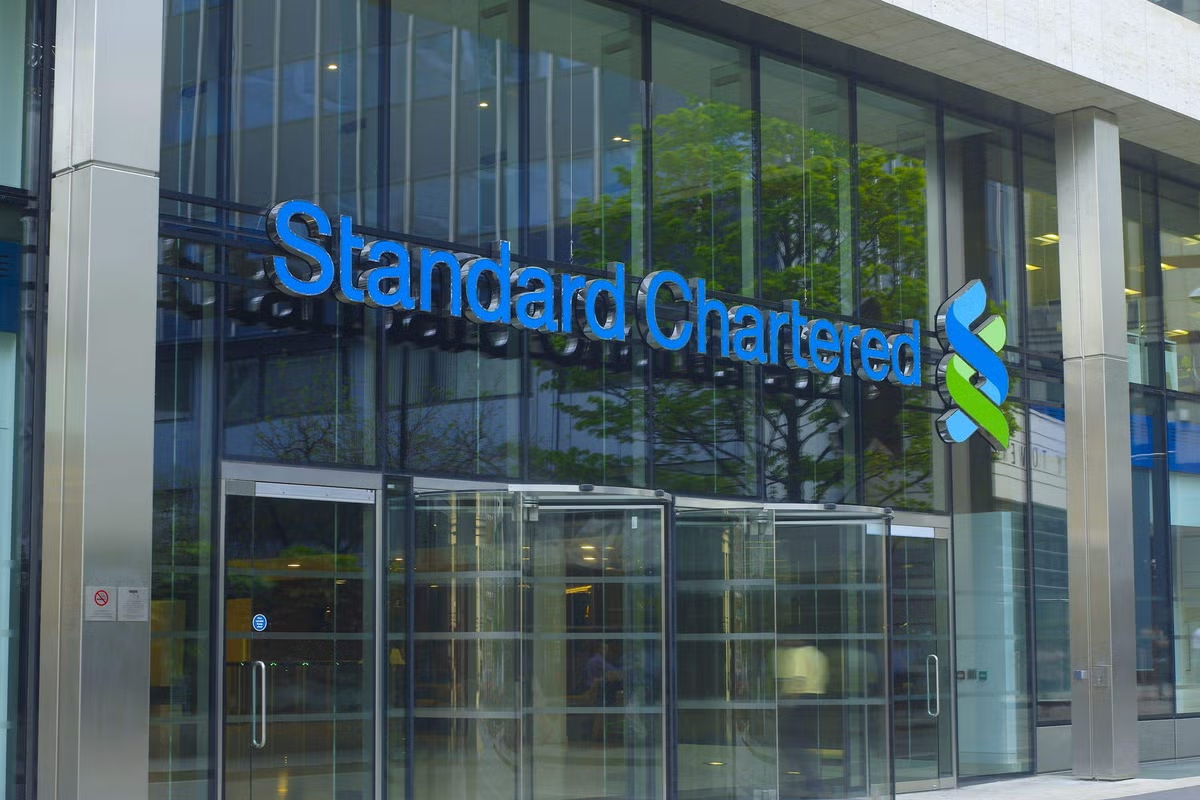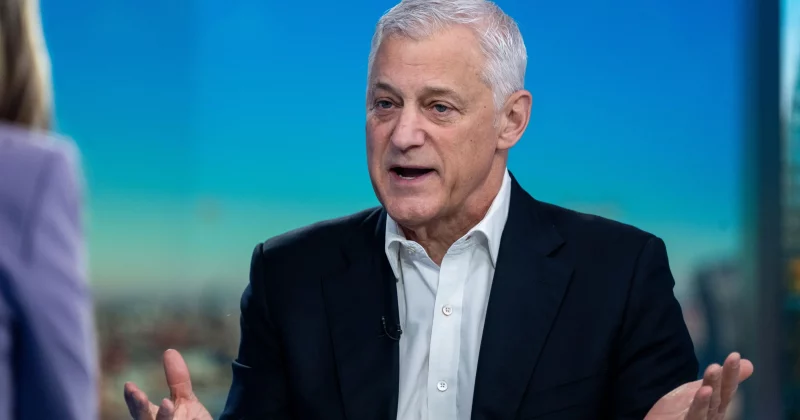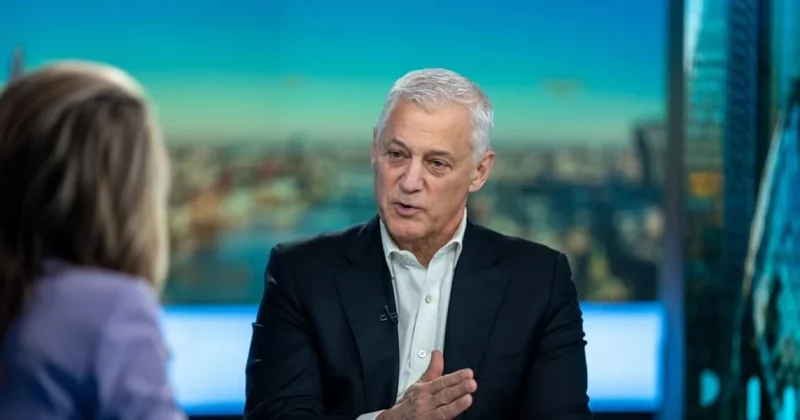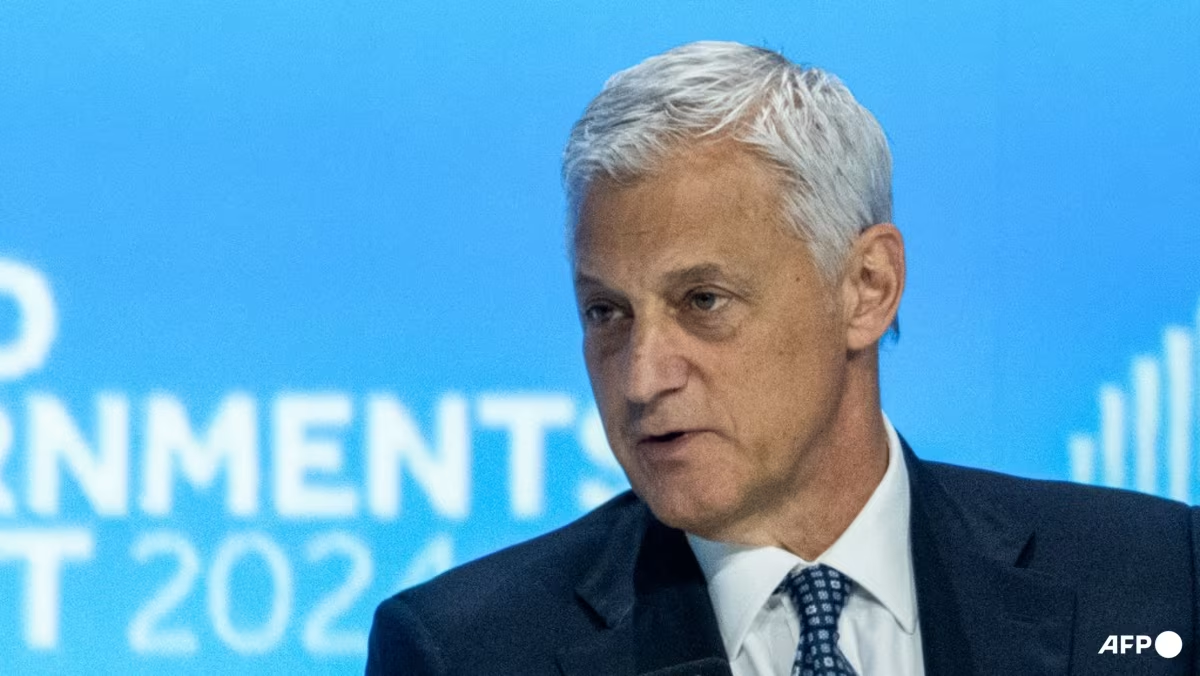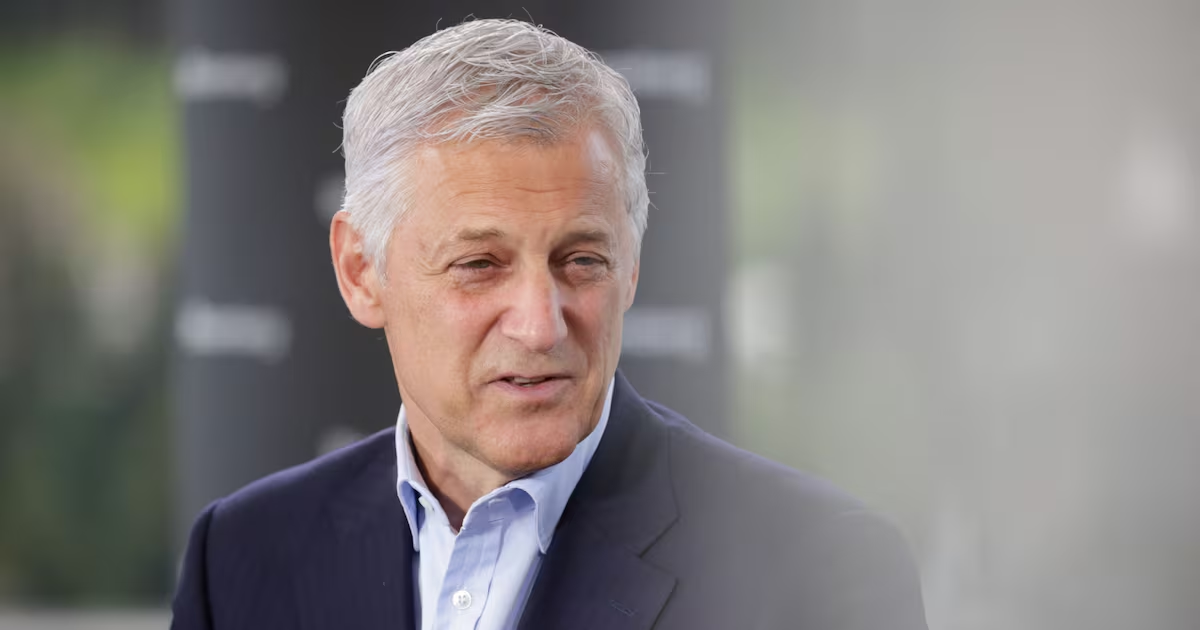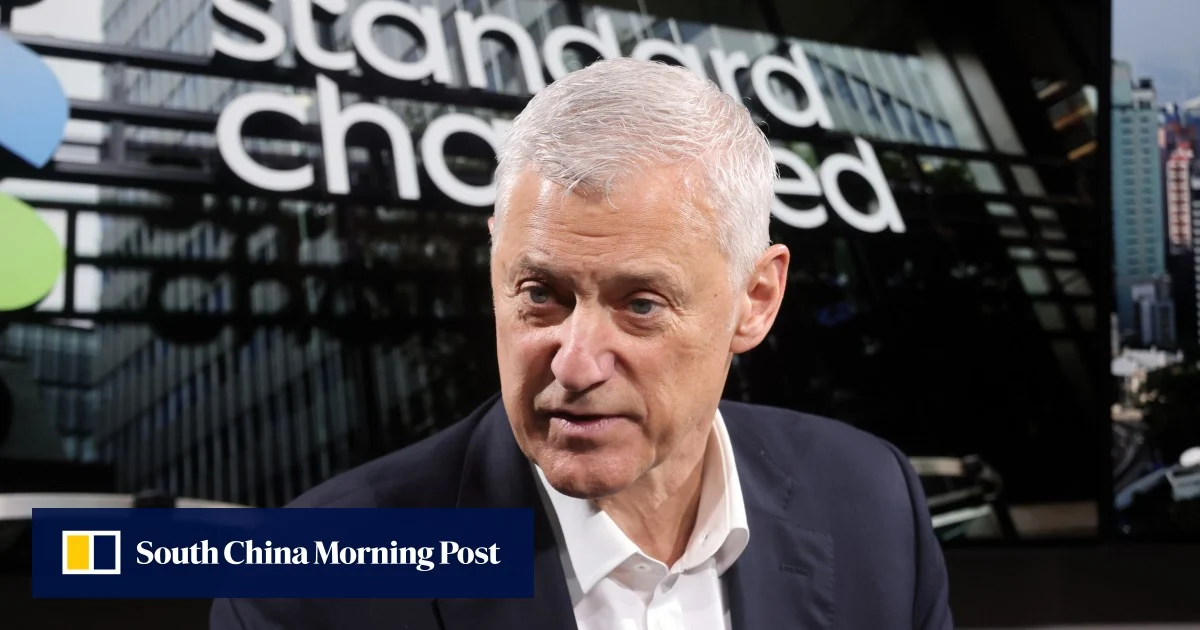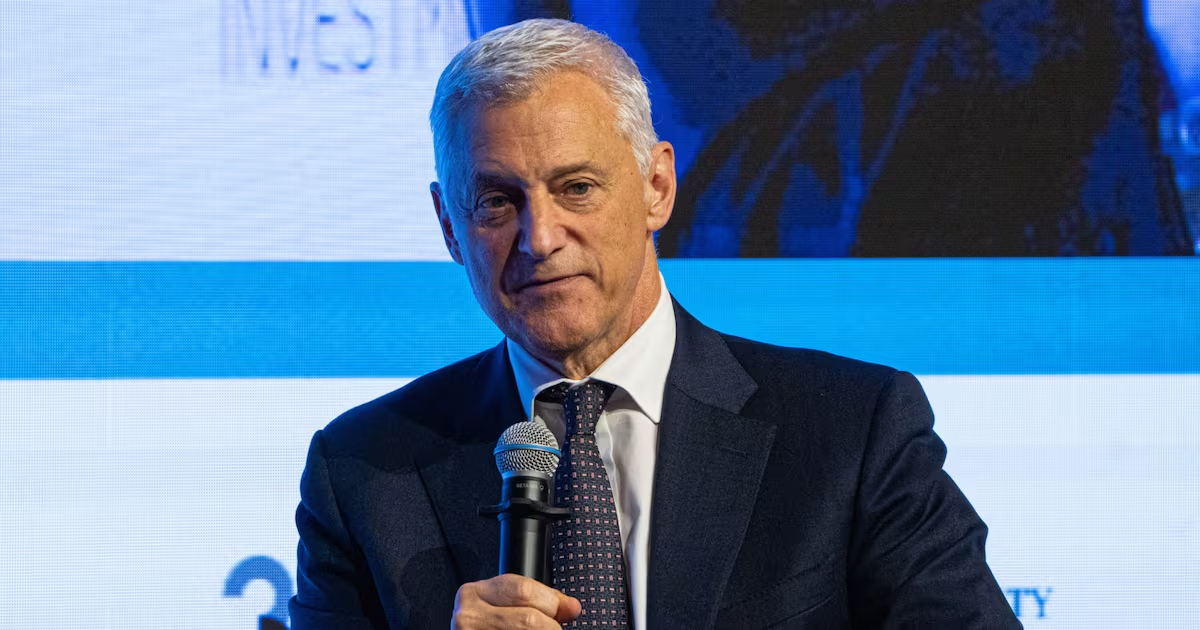
Standard Chartered chief executive Bill Winters found himself in hot water after describing thousands of employees as “lower-value human capital”.The comments, made in the context of AI-driven plans to cut 7,800 jobs by 2030, drew swift criticism. Former Singapore president Halimah Yacob called the language “demeaning” and “disturbing”, saying workers “are human beings with families, not just a form of capital”.Ironically, Yacob’s rebuke was not entirely free of the same managerial language. “Carry out retrenchments humanely,” she said, with “retrenchments” being a euphemism for firings.The outcry forced Winters to clarify his remarks in a memo to staff, but the underlying trend is not in doubt here. Standard Chartered also talked about lifting “income per employee” and improving returns as headcount in support functions falls. That all sounded good to investors, with shares rising in morning trading.Winters is not alone in his phrasing. A week earlier, Goldman Sachs president John Waldron said he often described the bank as “a human assembly line”, adding that these “human assembly lines will become more digitised, digital agents will be our robots”. How lovely.Still, the harsh reality is that both Winters and Waldron are saying, albeit too plainly, what markets are already pricing in. Data centres costing billions cannot survive merely by helping middle managers draft slightly better emails. For many, the sums only really work if fewer people are left doing the work.
‘Lower-value human capital’: banking boss too honest about AI job losses
Insensitive wording cannot divert from the reality that investment in AI only makes sense if work requires fewer employees
229 words~1 min read