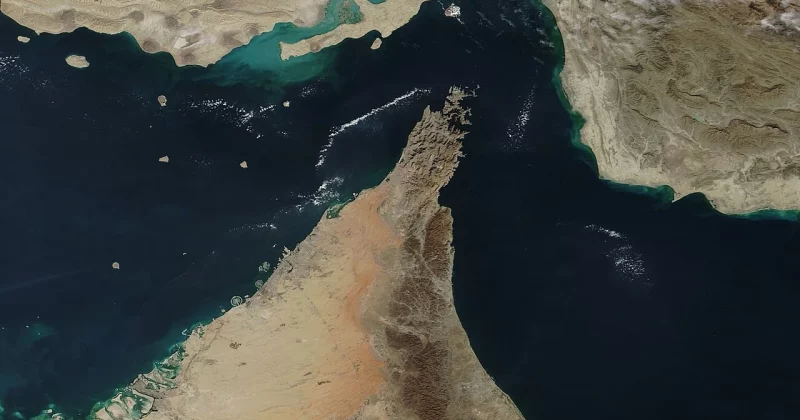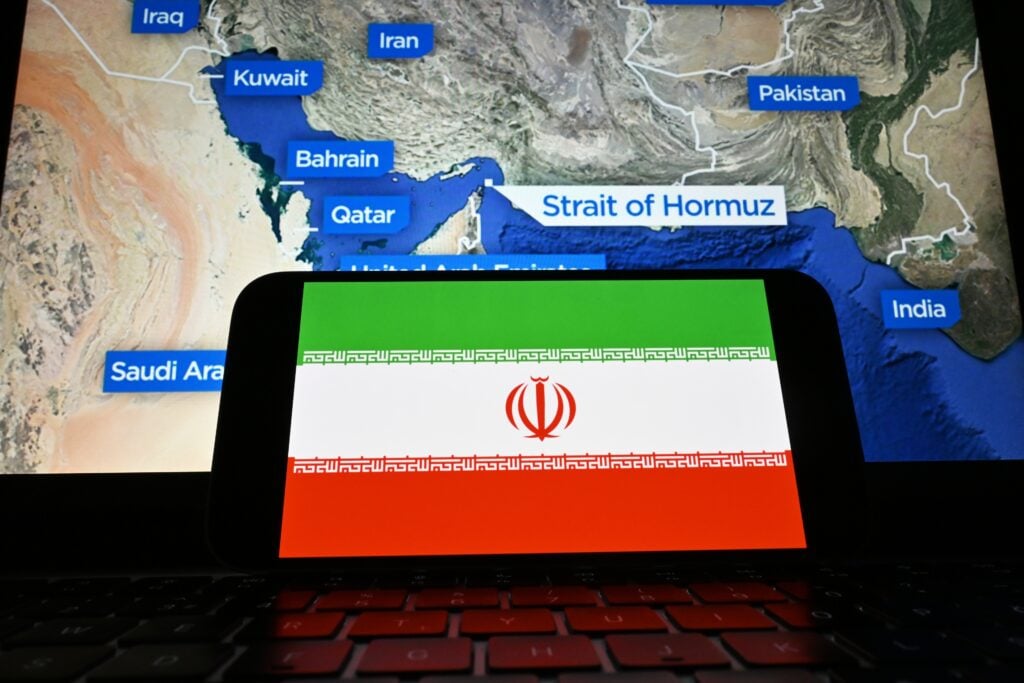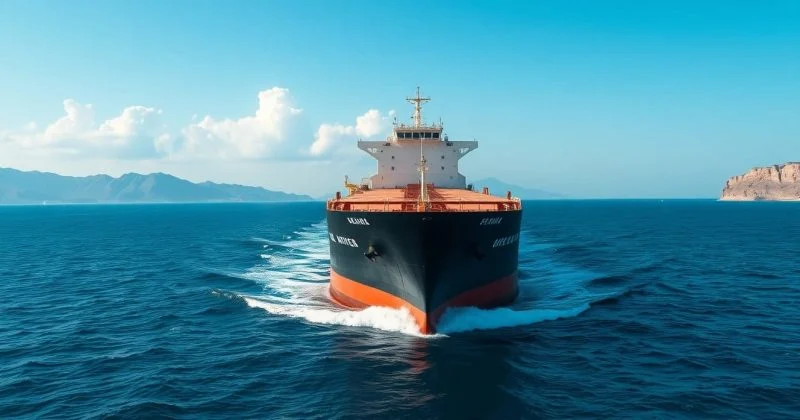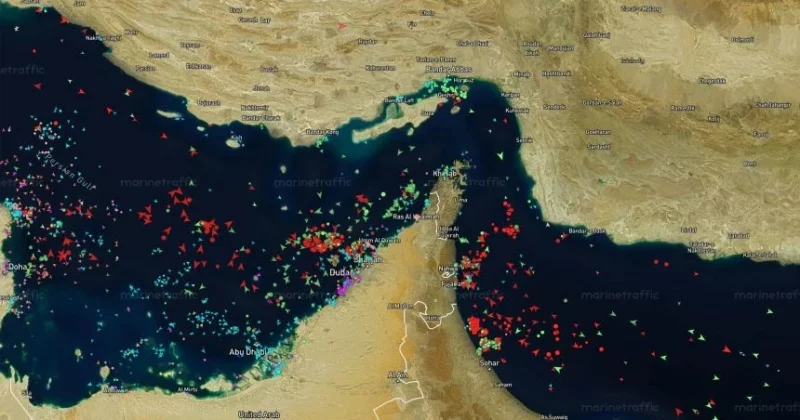
Citadel Securities thinks the market is sleeping on what could be one of the biggest geopolitical trades of the year. The firm’s analysis argues that investors are significantly underestimating the probability of a quick, negotiated reopening of the Strait of Hormuz, the narrow waterway that normally carries roughly 21 million barrels of oil per day, about 21% of global supply.
The bottleneck that broke global energy markets
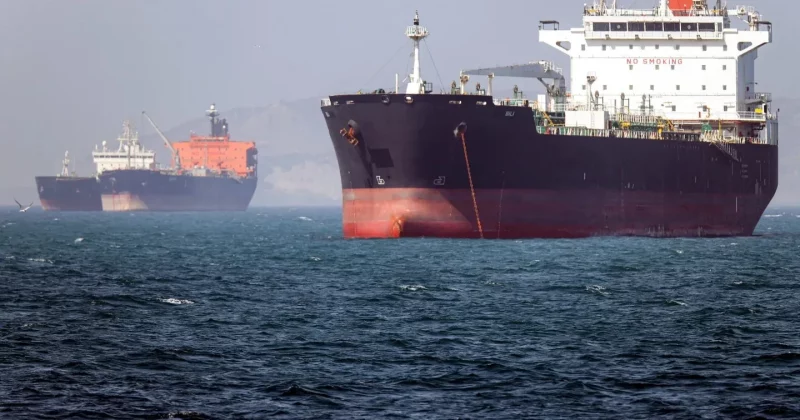
Iran’s closure of the Strait during the ongoing US-Iran conflict throttled one of the most critical shipping lanes on Earth. Daily vessel traffic plummeted from approximately 138 ships to as few as 2. Oil prices surged above $90 per barrel, inflationary pressures intensified globally, and growth forecasts took a hit. Prediction markets like Polymarket reflected deep pessimism, assigning high probabilities to continued conflict. Citadel’s view is that those probabilities were, and remain, overly bearish.
The firm’s core thesis is straightforward: Iran has enormous economic incentives to reopen the waterway. The country’s economy has been ravaged by the conflict, and resuming transit fees from one of the world’s busiest shipping corridors is one of the fastest levers available to generate revenue.