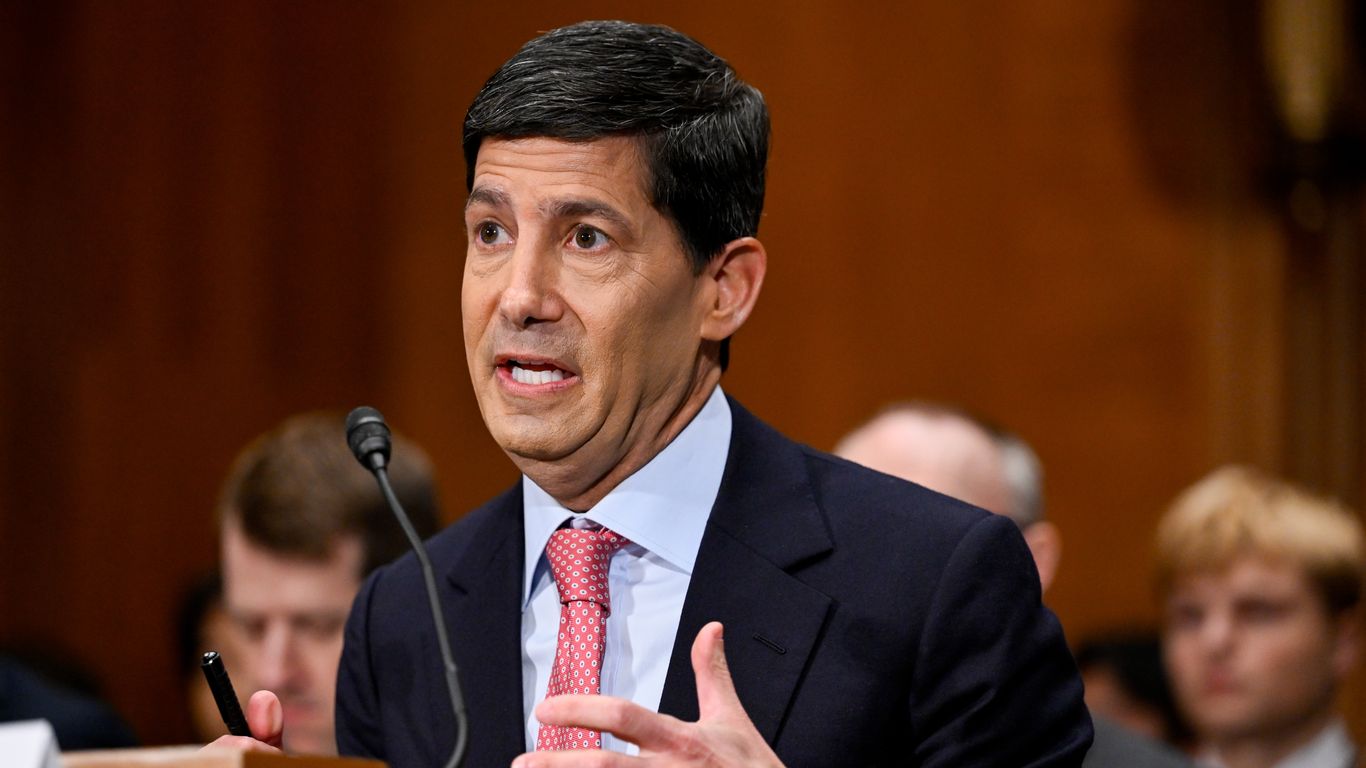
The AI revolution might be transforming how we work, invest, and build. But it hasn’t done much to tame prices at the grocery store. Federal Reserve Bank of St. Louis President Alberto Musalem made that point explicitly, cautioning that policymakers cannot lean on hypothetical AI-driven productivity gains as a reason to loosen monetary policy.
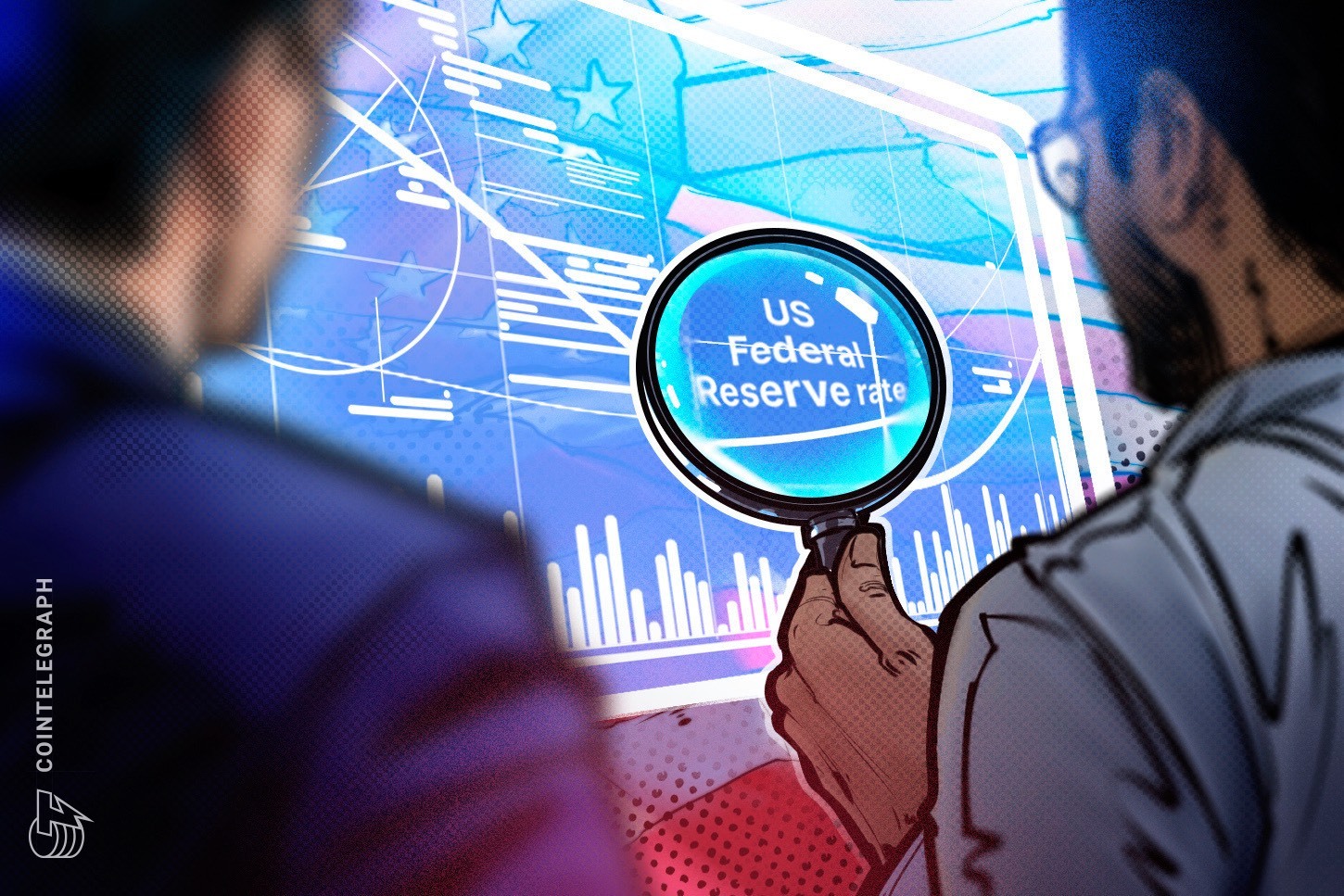
Here’s the thing: core PCE inflation, the Fed’s preferred gauge, sat at 3.1% as of early 2026. That’s more than a full percentage point above the central bank’s 2% target. Musalem’s argument is straightforward. You don’t ease policy based on a productivity boom that hasn’t shown up in the data yet.
The AI paradox: tailwind and headwind at the same time
Musalem’s framing is more nuanced than a simple “AI won’t save us” soundbite. He acknowledged that artificial intelligence serves as an economic tailwind. Companies are pouring capital into data center buildouts, AI infrastructure is creating jobs, and the broader tech ecosystem is humming.
But that spending itself is part of the inflation problem. Massive capital expenditures on AI infrastructure are driving up demand. Electricity prices are climbing as data centers consume enormous amounts of power. And the equity wealth effects from the AI-fueled tech rally are putting more money in consumers’ pockets, which in turn keeps demand elevated.