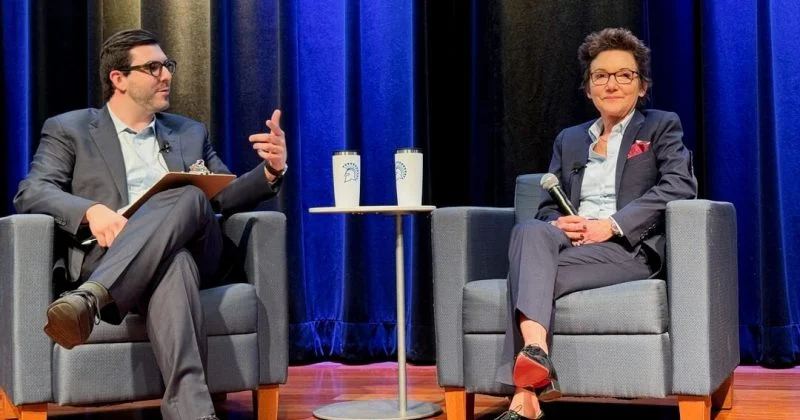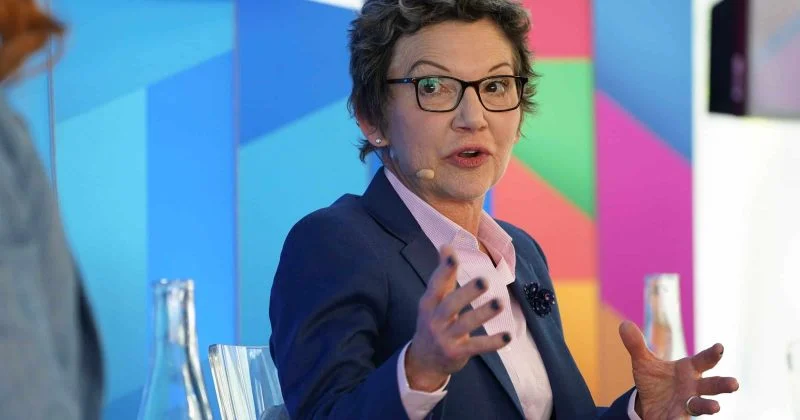
Artificial intelligence is likely to exert downward pressure on prices over the long term, but it is not a factor that currently warrants attention from monetary policymakers, according to San Francisco Federal Reserve President Mary Daly, as per a report by Reuters.Speaking at a Bloomberg Tech event in San Francisco on Thursday, Daly said the economic impact of AI is expected to unfold over a five- to ten-year period and could eventually prove disinflationary by boosting productivity and efficiency across industries. However, she noted that such long-term effects fall outside the immediate timeframe that typically guides monetary policy decisions.According to Reuters, Daly emphasized that the Federal Reserve's policy framework is generally focused on economic developments over the next 12 months, making AI's potential future influence less relevant to current interest-rate deliberations.Daly also pushed back against suggestions that artificial intelligence is contributing to the recent rise in inflation. Reuters reported that she attributed current price pressures primarily to higher tariffs and, more recently, rising energy and food costs following the outbreak of the Iran war.Her comments come at a time when policymakers are closely monitoring inflation dynamics amid geopolitical tensions and uncertainty surrounding the economic impact of emerging technologies. While AI has sparked debate over its potential to reshape labor markets, productivity, and economic growth, Daly indicated that its influence on inflation remains a longer-term consideration rather than an immediate policy concern.The remarks underscore the Federal Reserve's continued focus on near-term inflation drivers as it assesses the path of monetary policy in an environment marked by elevated geopolitical risks and persistent price pressures in key sectors.
Global Market: Fed's Daly dismisses AI as near-term inflation risk amid rising prices
San Francisco Fed President Mary Daly stated that while Artificial Intelligence may lower prices long-term, it's not a current concern for monetary policy. She believes AI's economic impact will unfold over five to ten years, boosting productivity. Daly attributed current inflation to tariffs and recent energy/food cost hikes, not AI, emphasizing the Fed's focus on the next 12 months.
265 words~1 min read