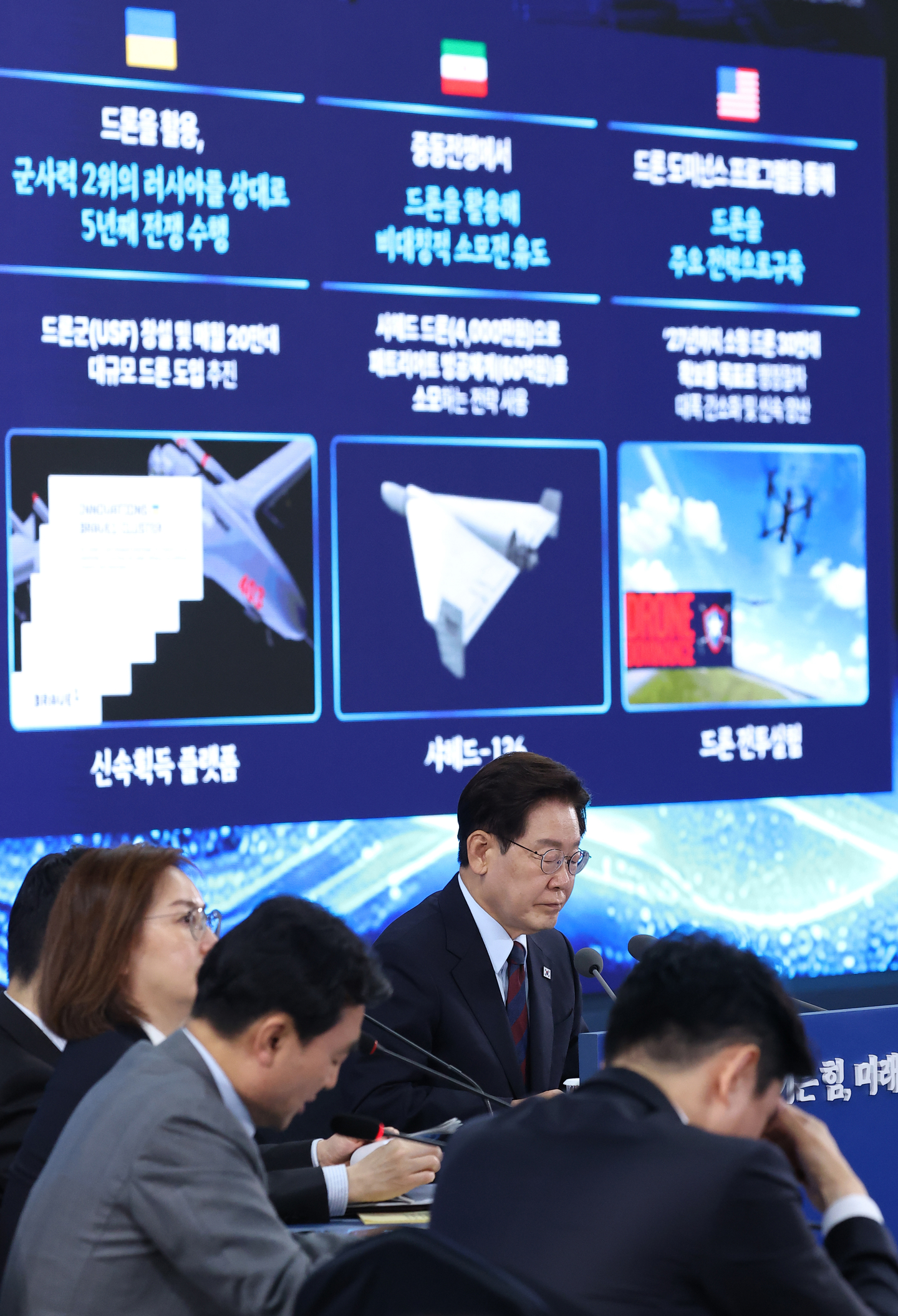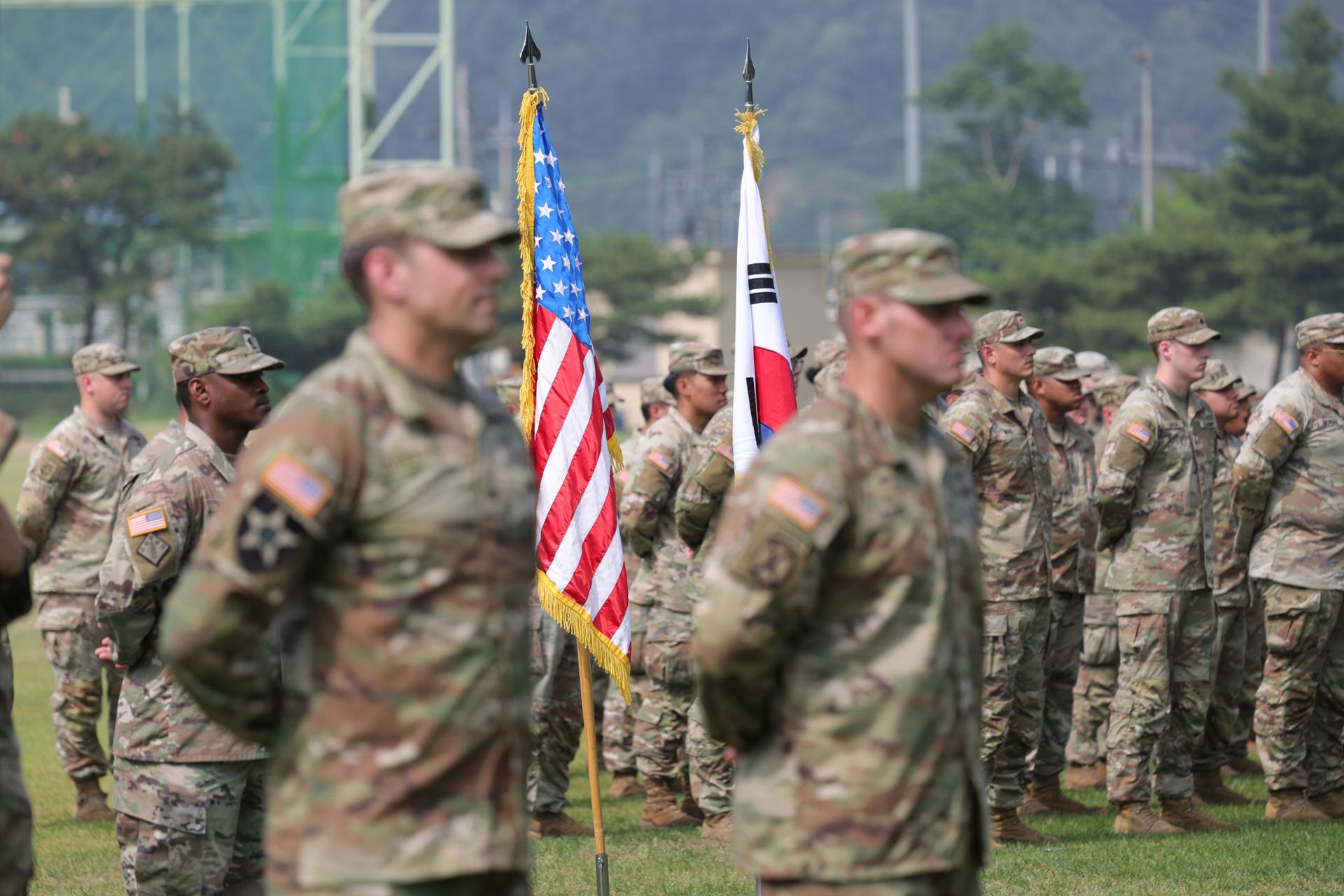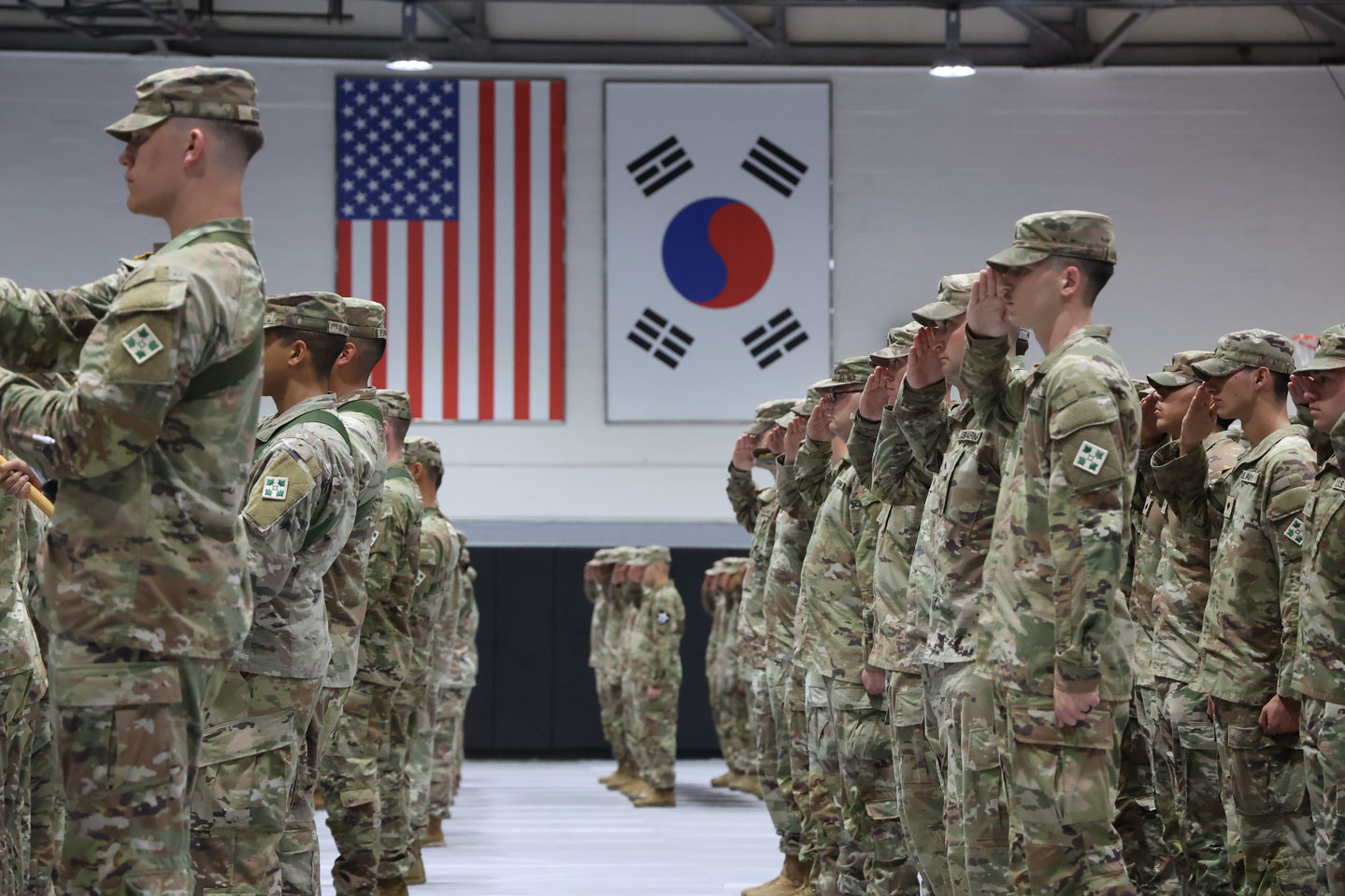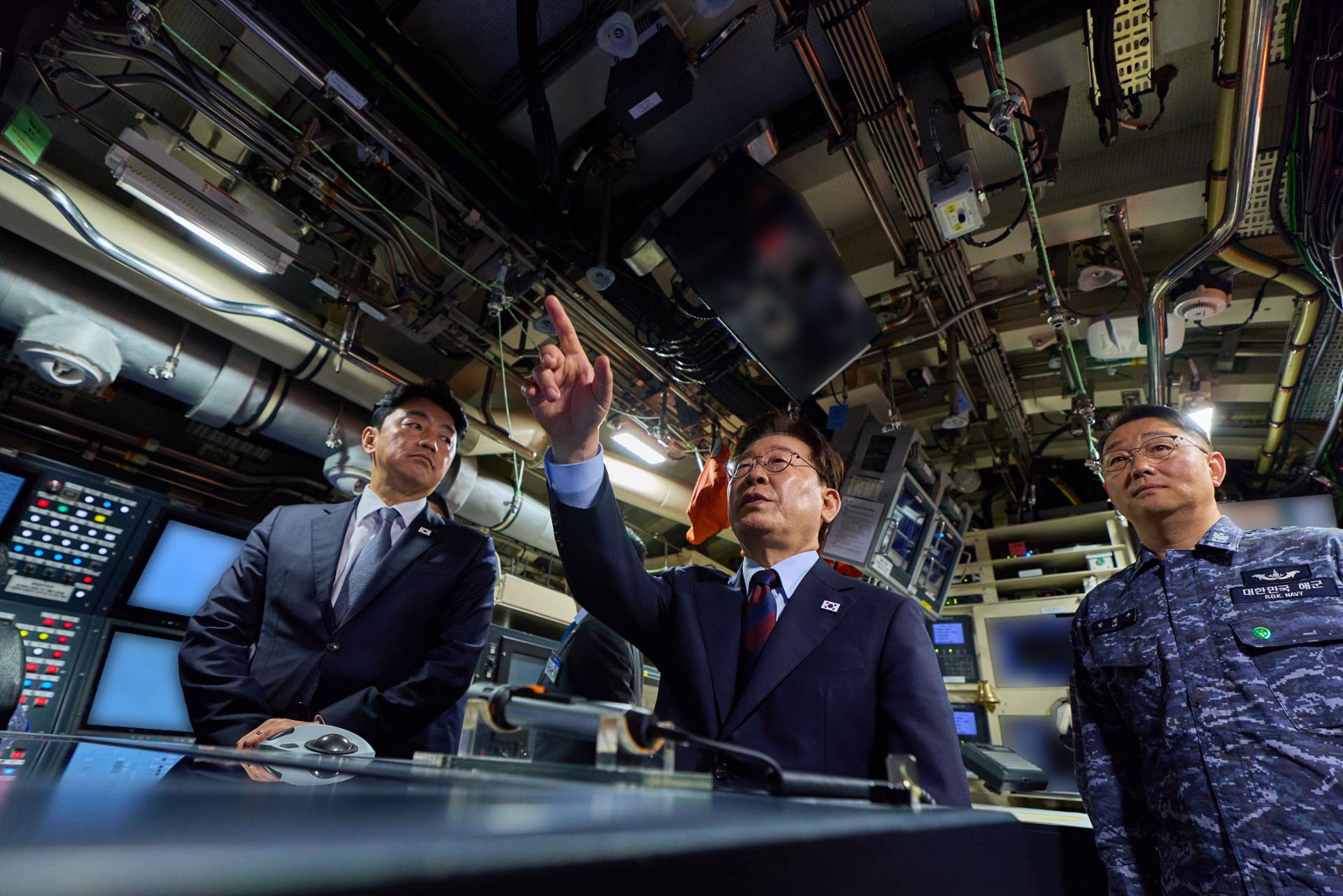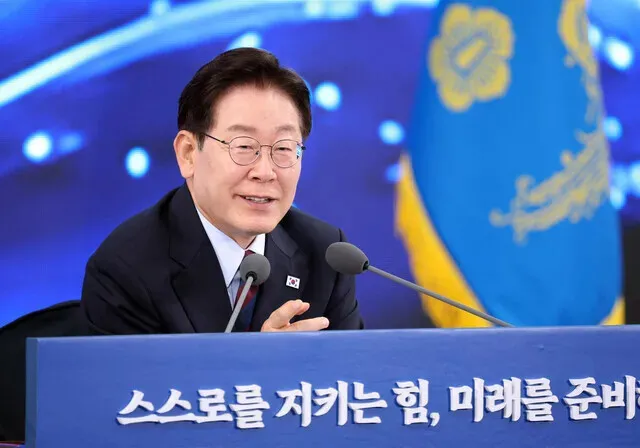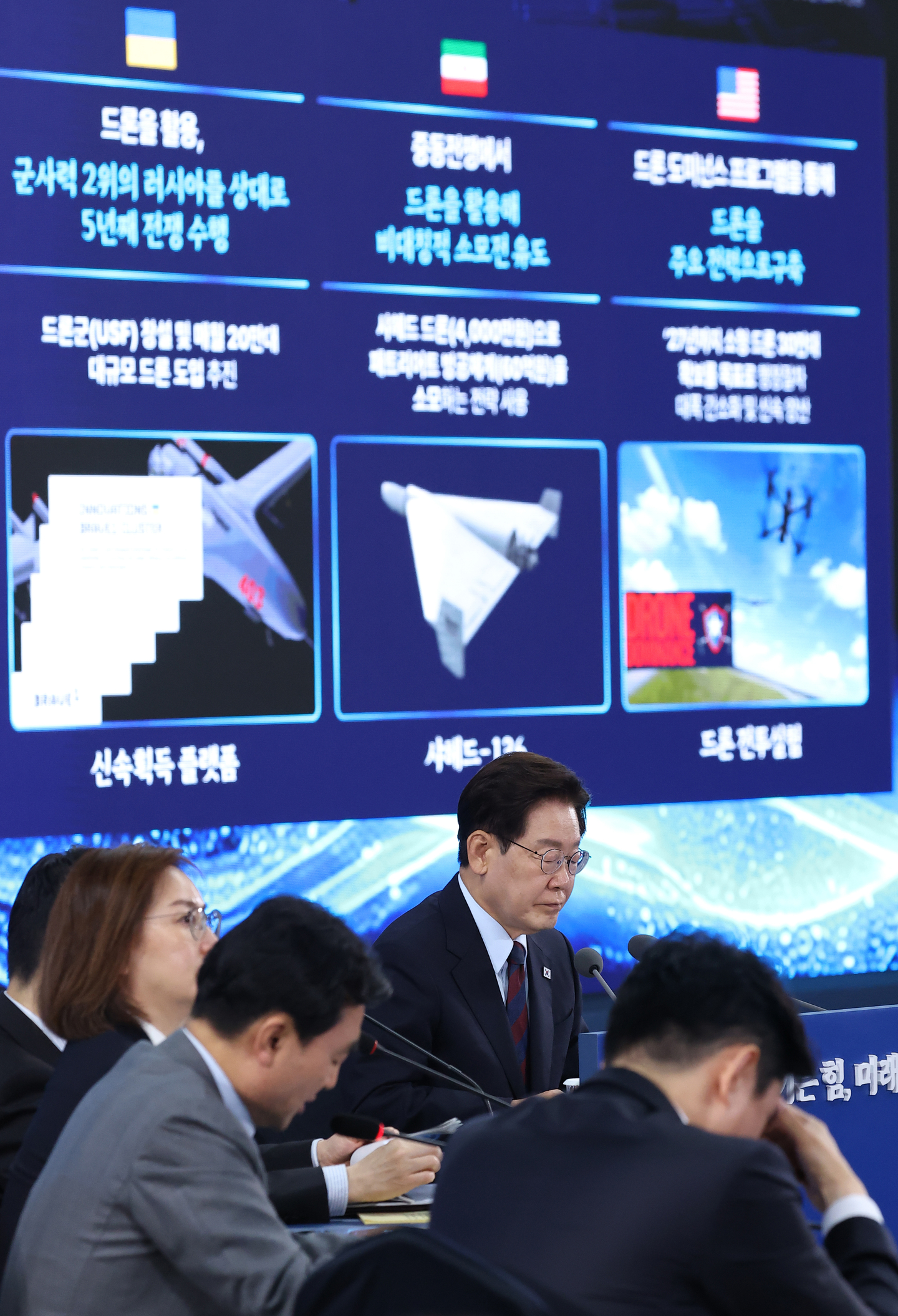
President Lee Jae Myung listens to a presentation on the early transfer of wartime operational control and the transition to an AI-based unmanned combat system military during the inaugural Future Defense Strategy Committee meeting in Jinhae District, Changwon, South Gyeongsang, on May 26. [JOINT PRESS CORPS]
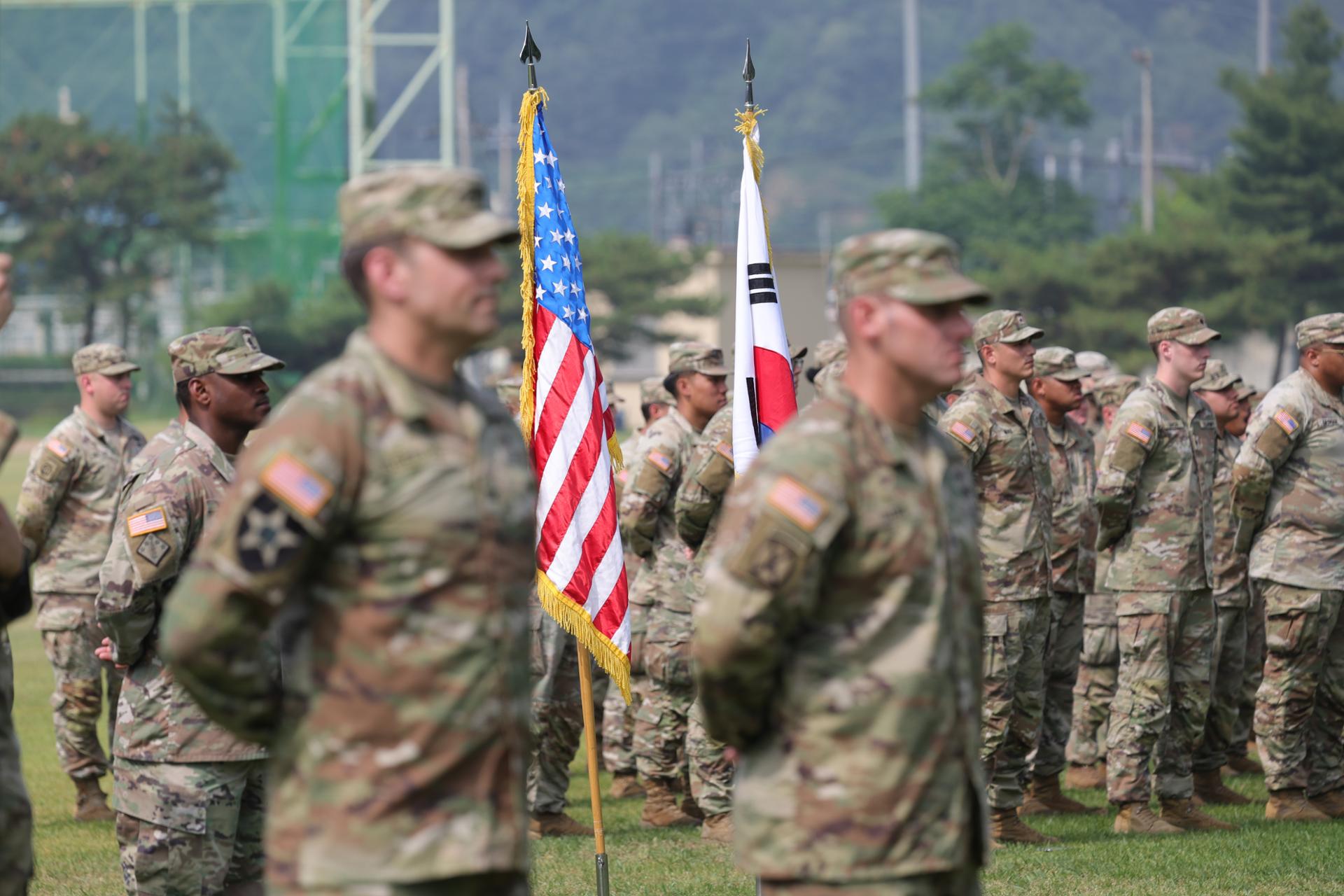
Differences between South Korea and the United States over the transfer of wartime operational control, or Opcon, are becoming increasingly visible. Seoul's Ministry of National Defense recently denied media reports claiming that U.S. Forces Korea (USFK) had expressed concerns over the creation of a future combined command led by a South Korean general and had even mentioned the possible dissolution of the current Combined Forces Command. The ministry stated that “there has been no proposal to change existing agreements.”
Yet regardless of the government’s explanation, continued signals from Washington and within USFK suggest that the two allies still hold notable differences in how they view the timing and conditions of the Opcon transfer.
According to recent reports, the U.S. military internally believes the conditions for the transfer may not be fully met until after 2029. Seoul, meanwhile, is moving more quickly and has indicated that it hopes to clarify the timeline beginning with this autumn’s Security Consultative Meeting between the allies.