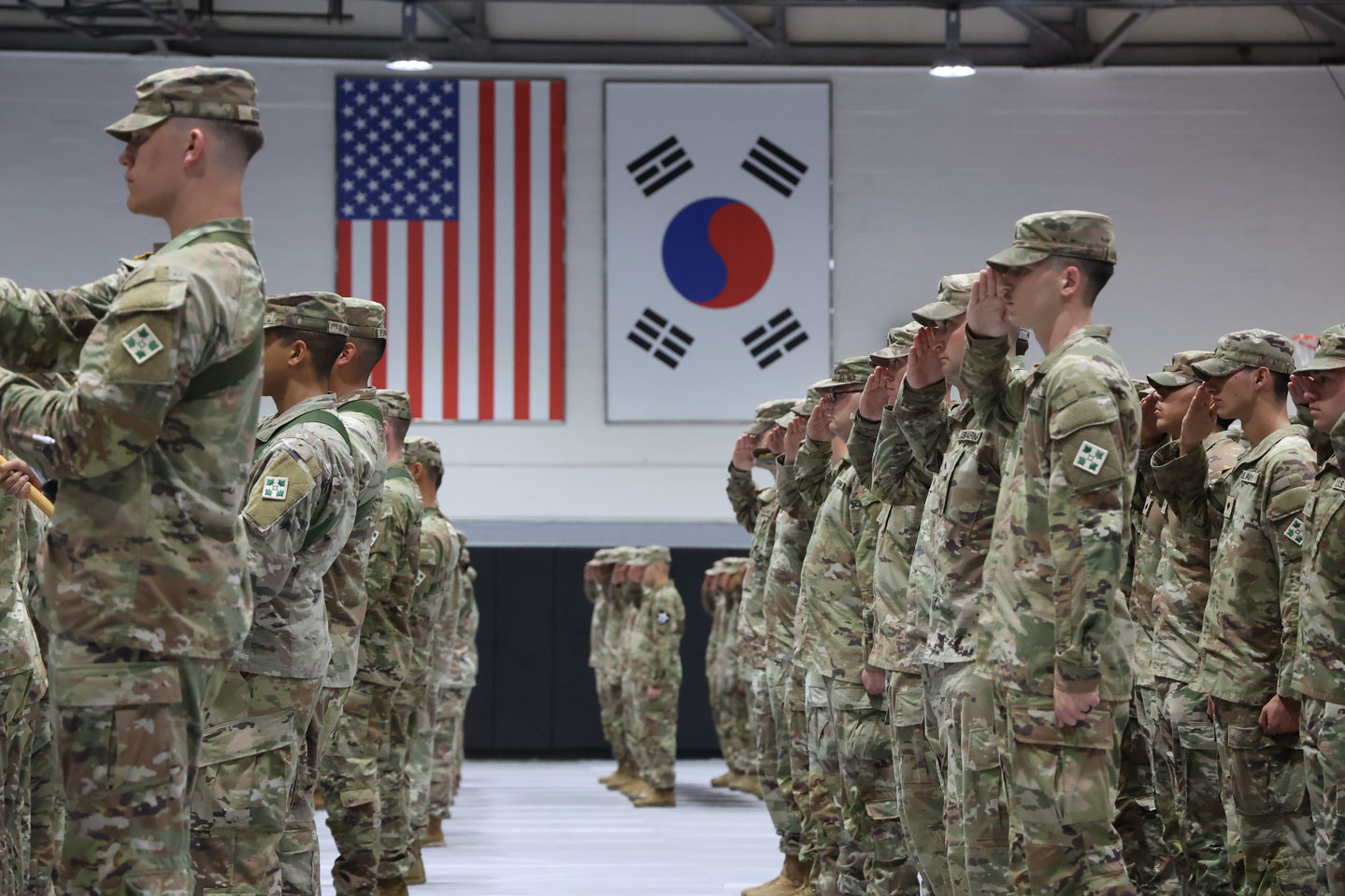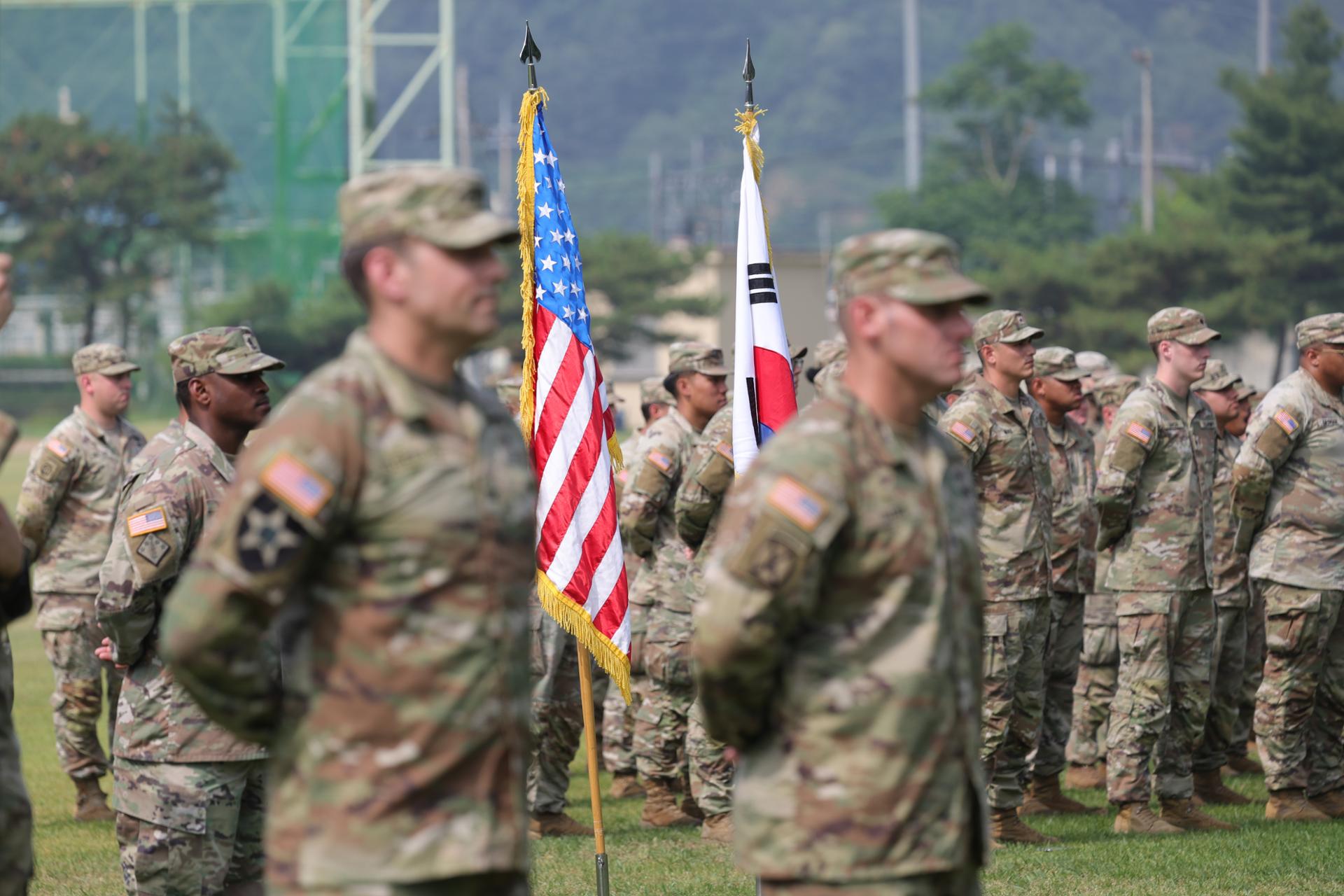
This four-part series examines the debate over wartime operational control (OPCON) transfer from four angles: the structural origins of the impasse (Part 1), the military case for transfer (Part 2), the key design issues requiring resolution (Part 3), and a vision for the alliance after transfer (Part 4). Taken together, the series charts a path toward the mature partnership that a “Koreanization of Korean defense” would require.
The final part of this series steps back from design details to ask the larger question: what kind of alliance will come out the other side of OPCON transfer? The answer is not the alliance of 1953, and not a weakened version of the current one — it is a qualitatively different partnership, built on shared accountability rather than structural asymmetry.
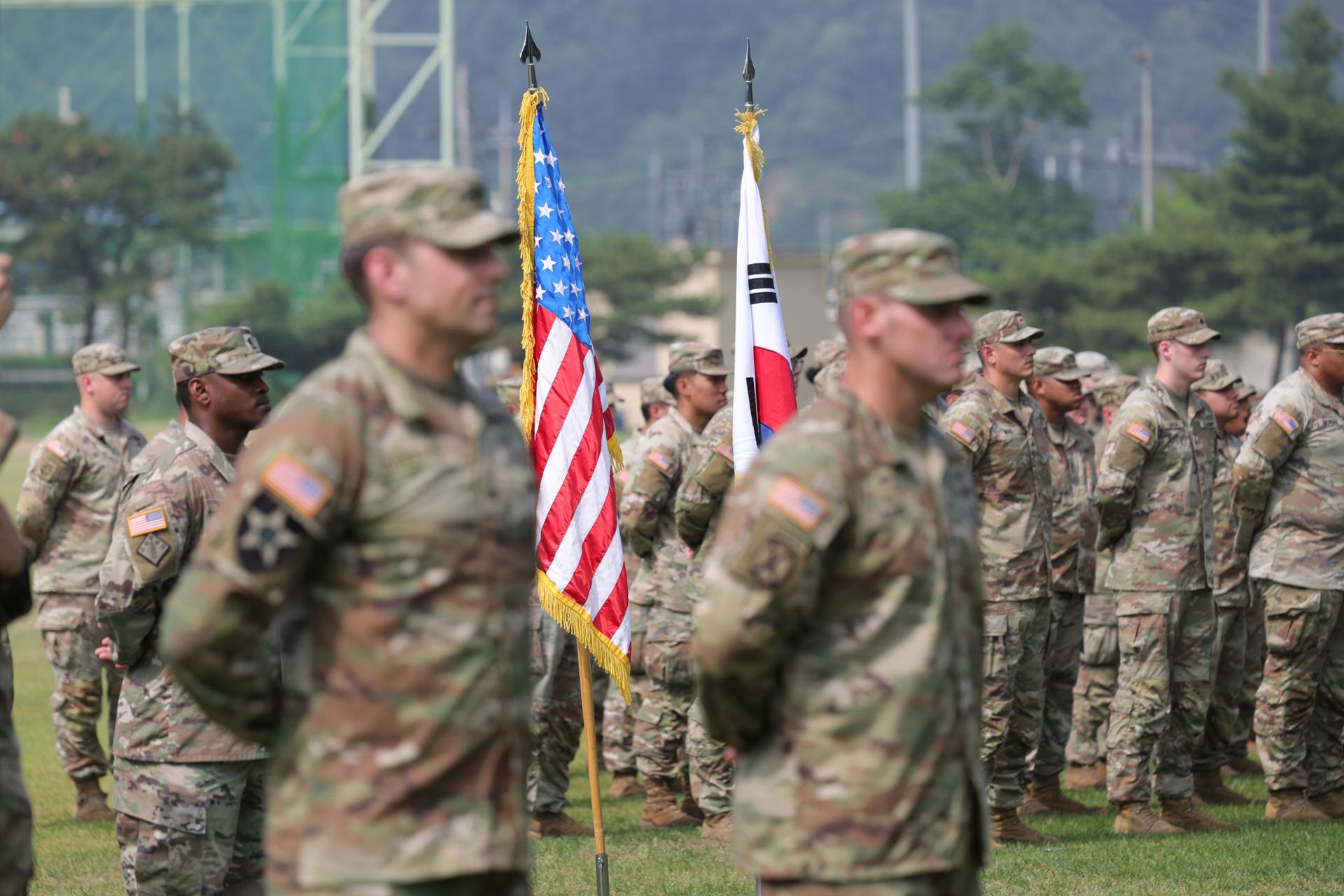
The case for crossing the threshold of OPCON transfer is clear. This is not simply a change in the title attached to command authority. It is the process of moving past the passive beneficiary relationship built 70 years ago, toward a partnership in which South Korea stands as primary defender and the United States provides strategic support. When the transfer is complete, the South Korea-U.S. alliance will at last have the institutional foundation to function as a mature partnership that extends beyond peninsular defense – one with a genuine stake in the broader Indo-Pacific security architecture.