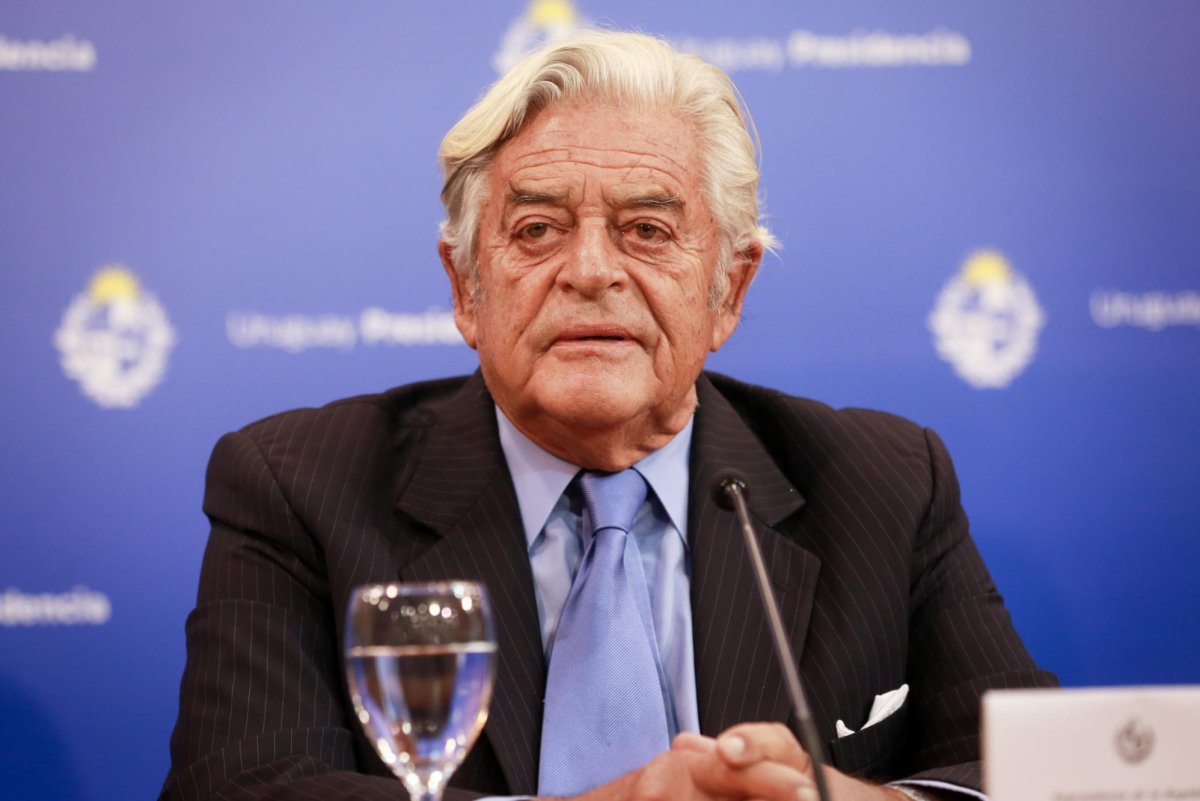
The former president of Uruguay, Luis Alberto Lacalle de Herrera, participates in a June 2023 press conference. File Photo by Alex Gutiérrez Páez/EPA
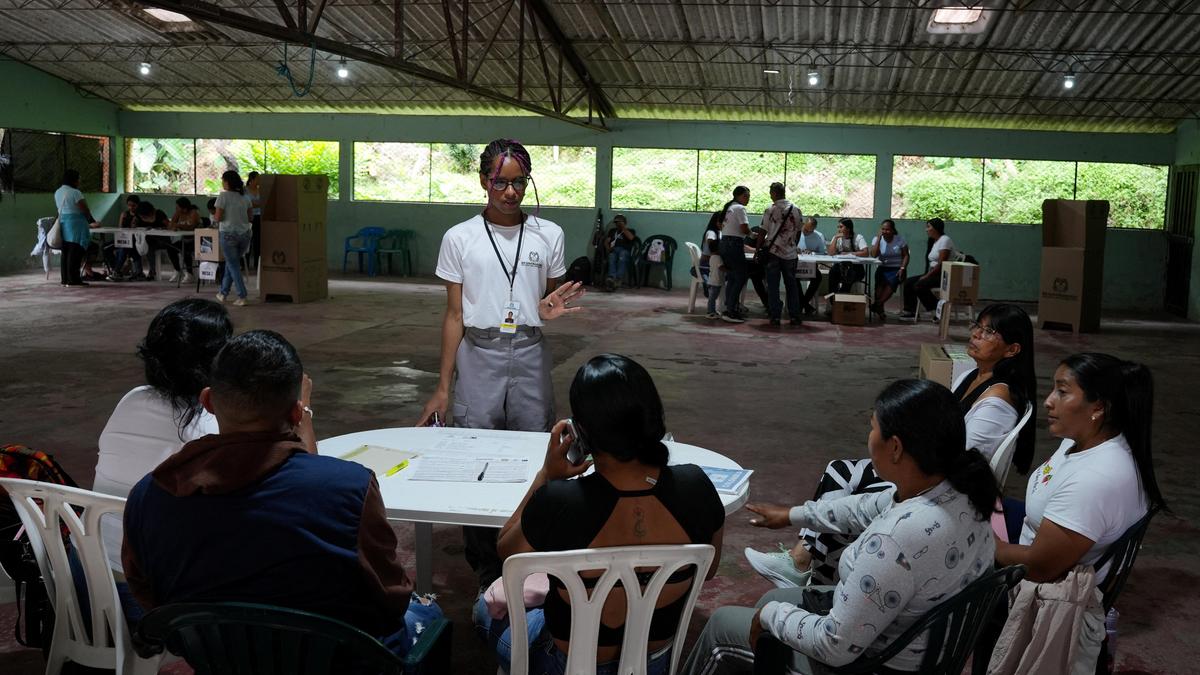
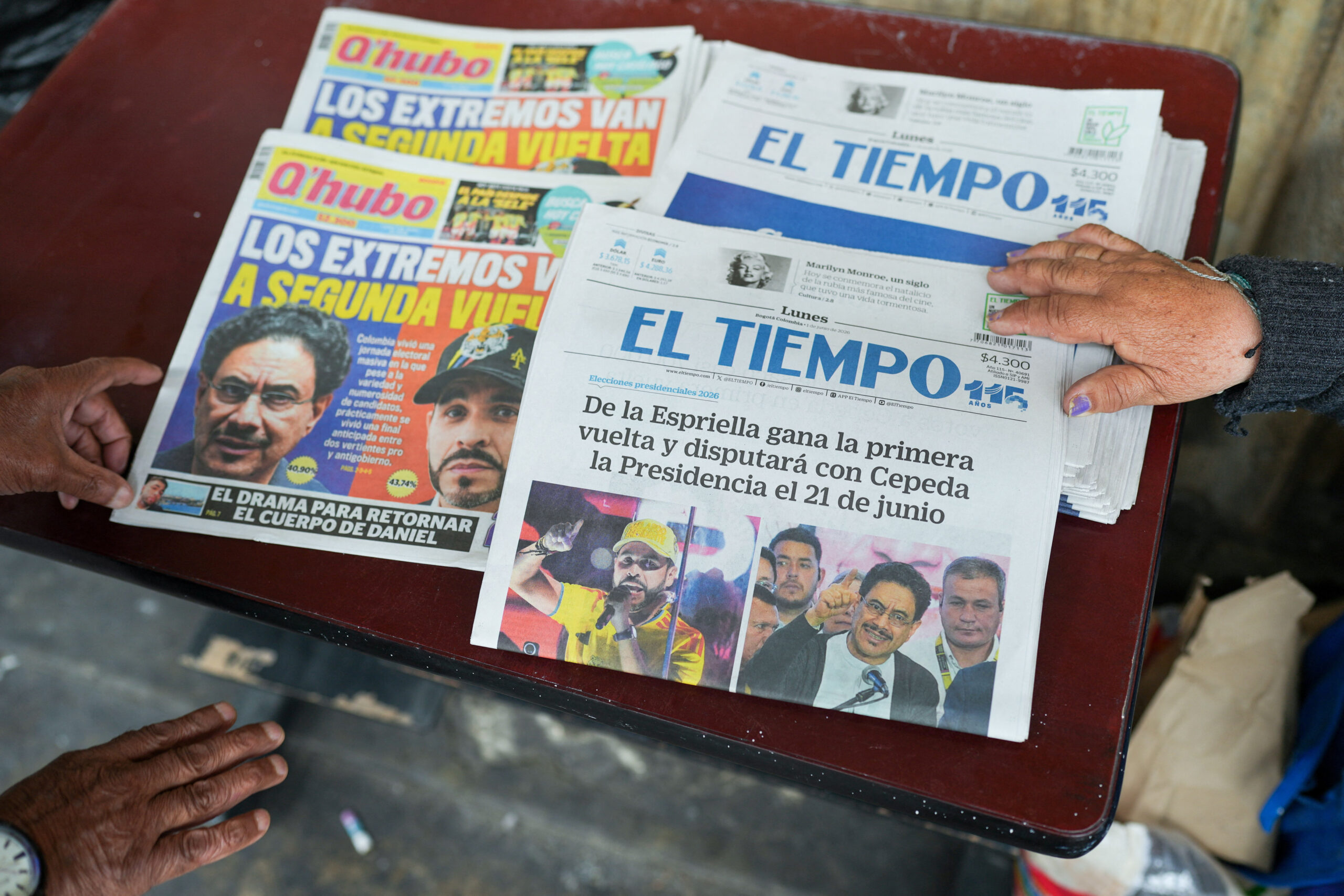
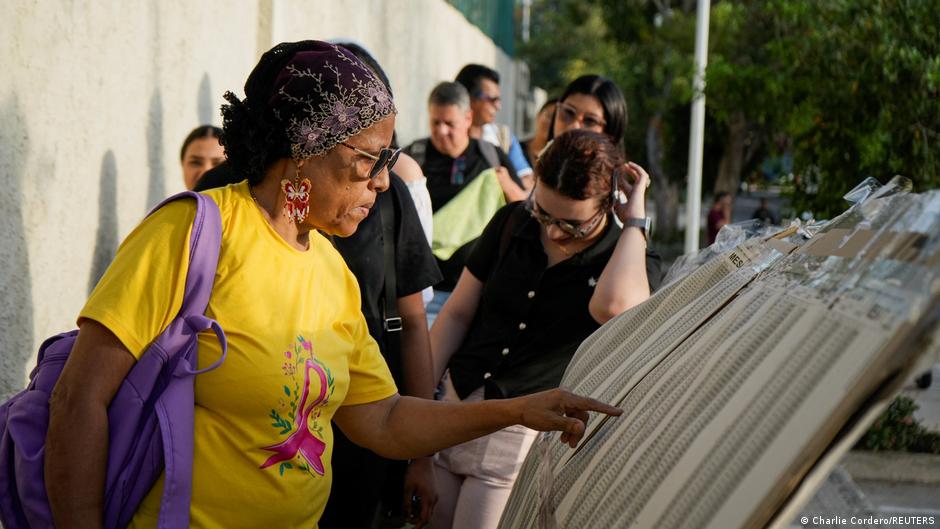
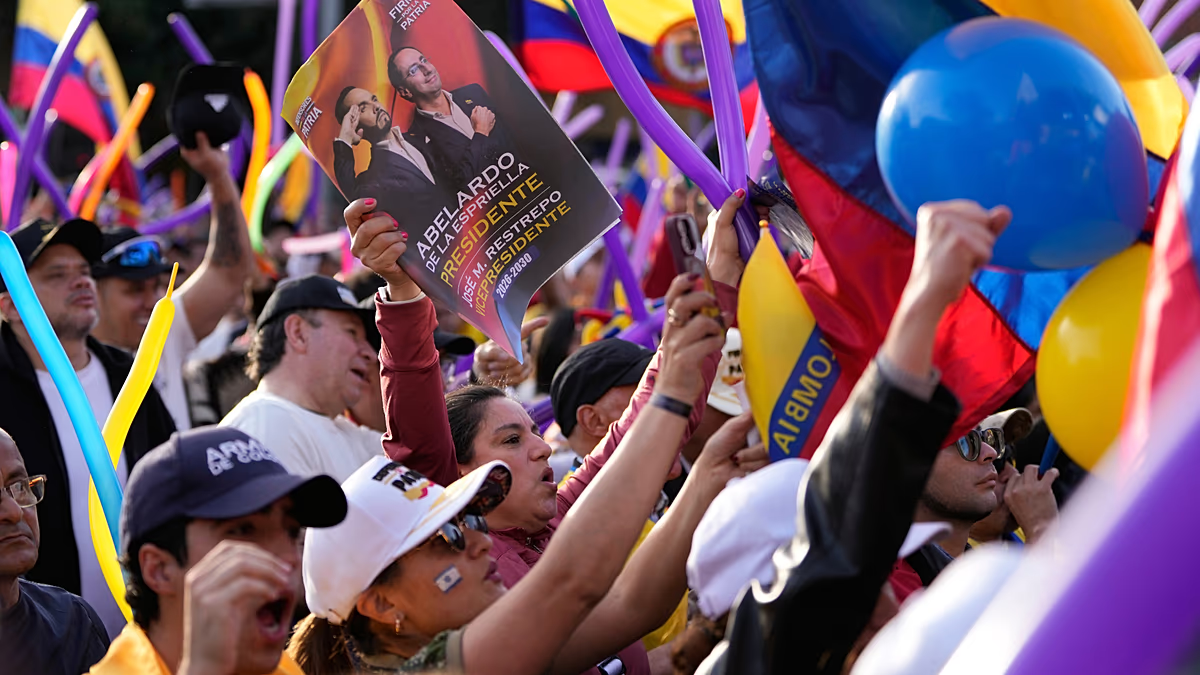
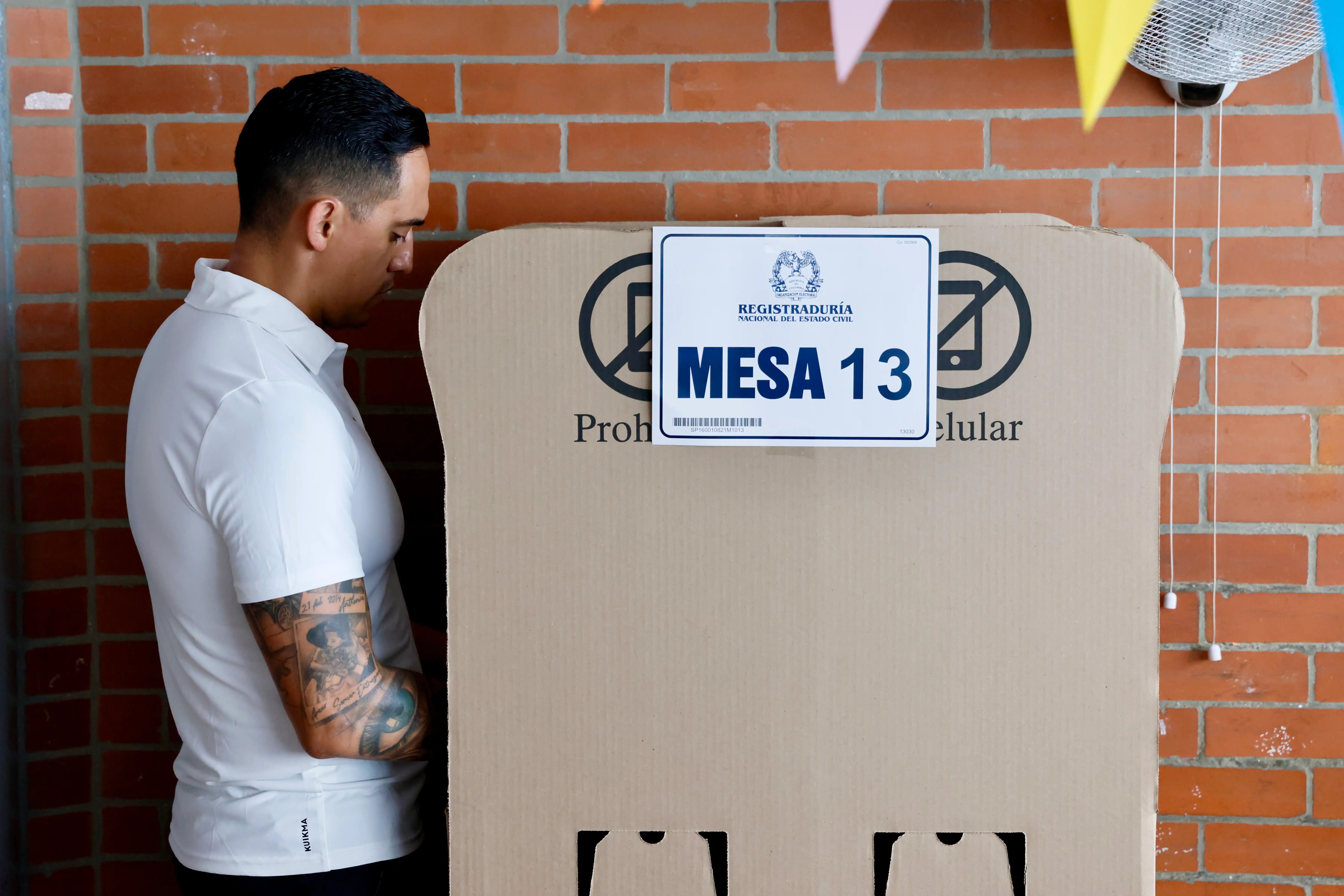
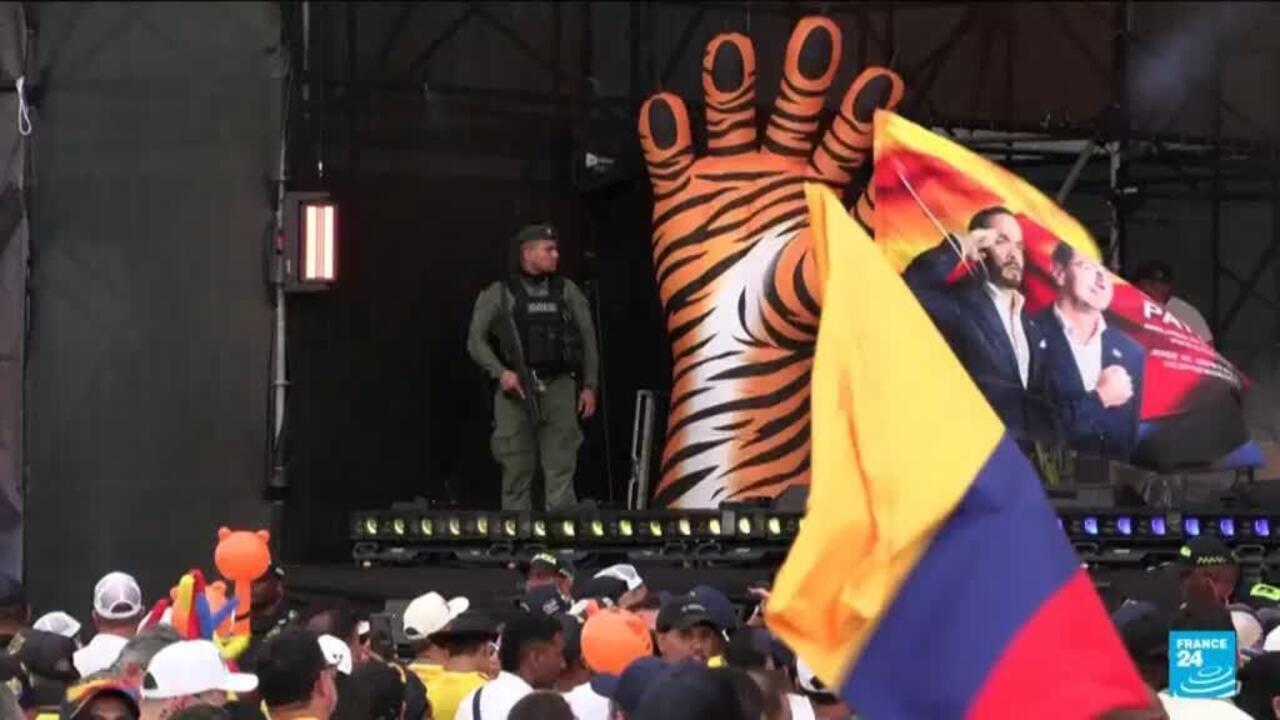
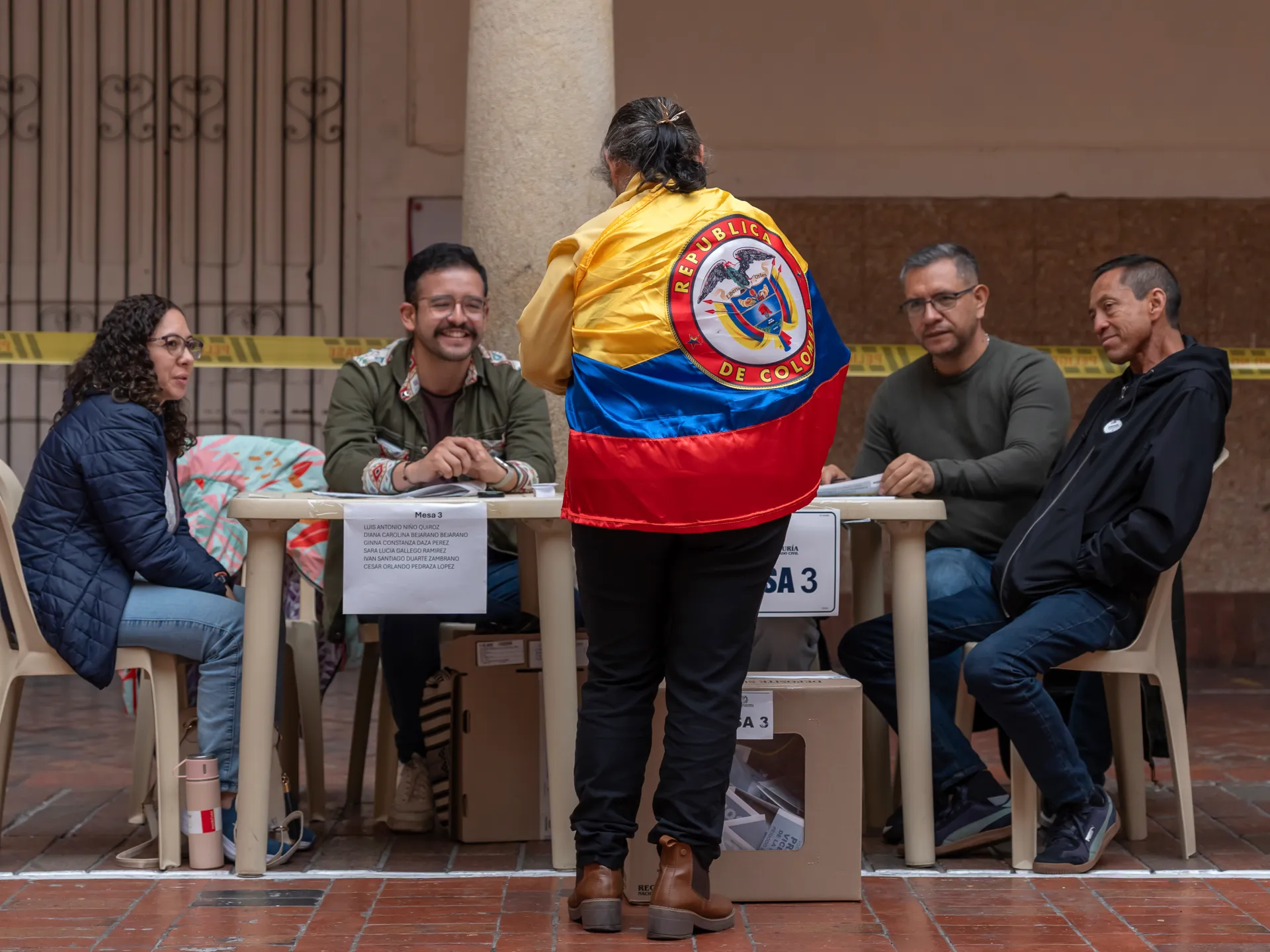
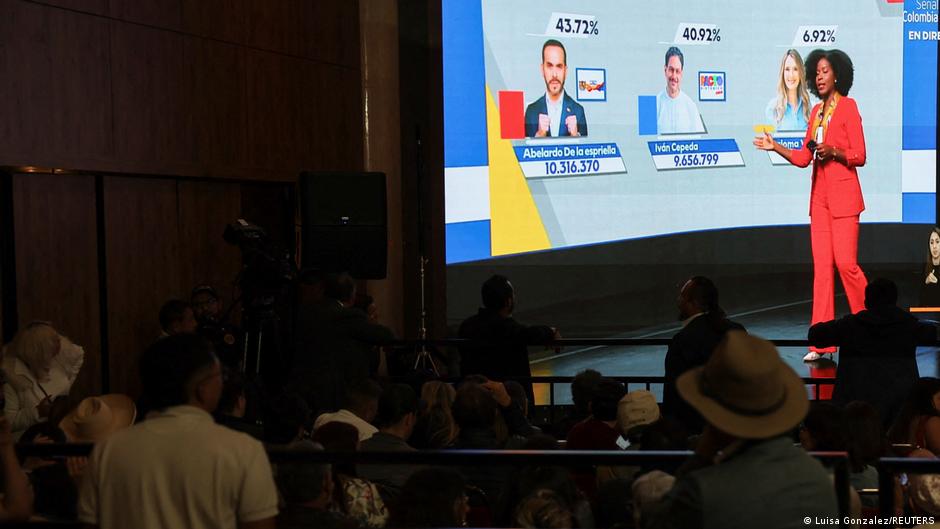
May 28 (UPI) -- On May 31, Colombian voters will go to the polls to choose a new president from a field spanning the full ideological spectrum. In the weeks leading up to the vote, many young Colombians have followed and joined the campaign through social media, posting arguments and helping mobilize opinion online. Their energy is real. But watching this from afar, I find myself wanting to offer them a word of caution.
Across our hemisphere, this electoral season is giving reason for hope. Several countries are renewing their democratic commitments, and young people are more engaged in public debate than at any time I can remember. That engagement, however, takes a form that concerns me as much as it encourages me.
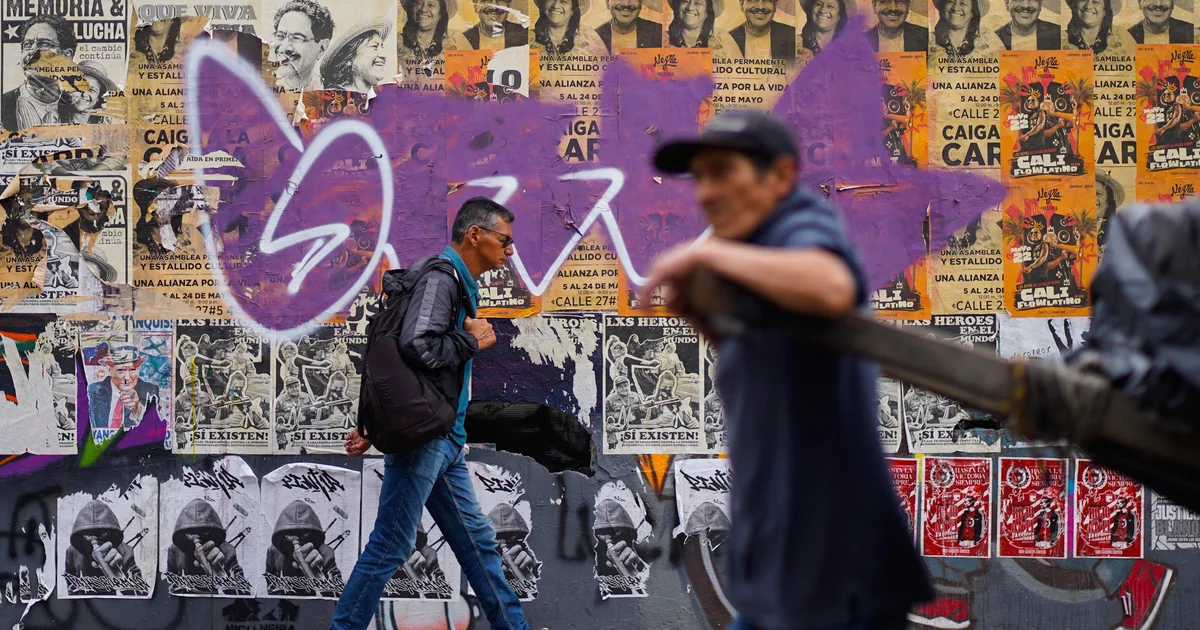
The digital world has drawn many young people into public life. That is genuinely good. But there is a large difference between participating in public opinion and participating in the concrete political life of a nation.
Social media spreads ideas and helps form opinions. It can gather support and provoke discussion. All of this matters. But it remains outside the actual system of government unless it is joined to real political action.