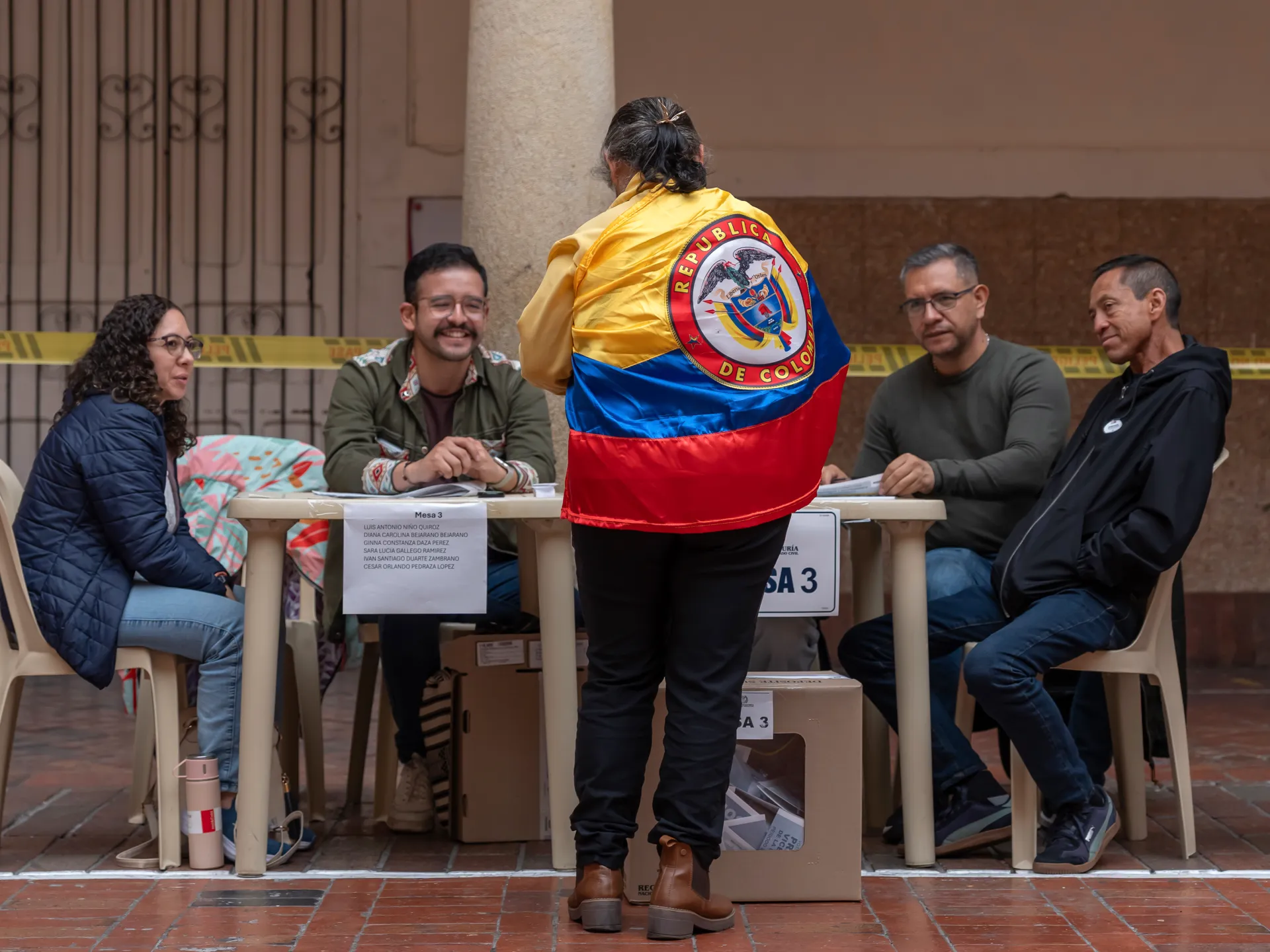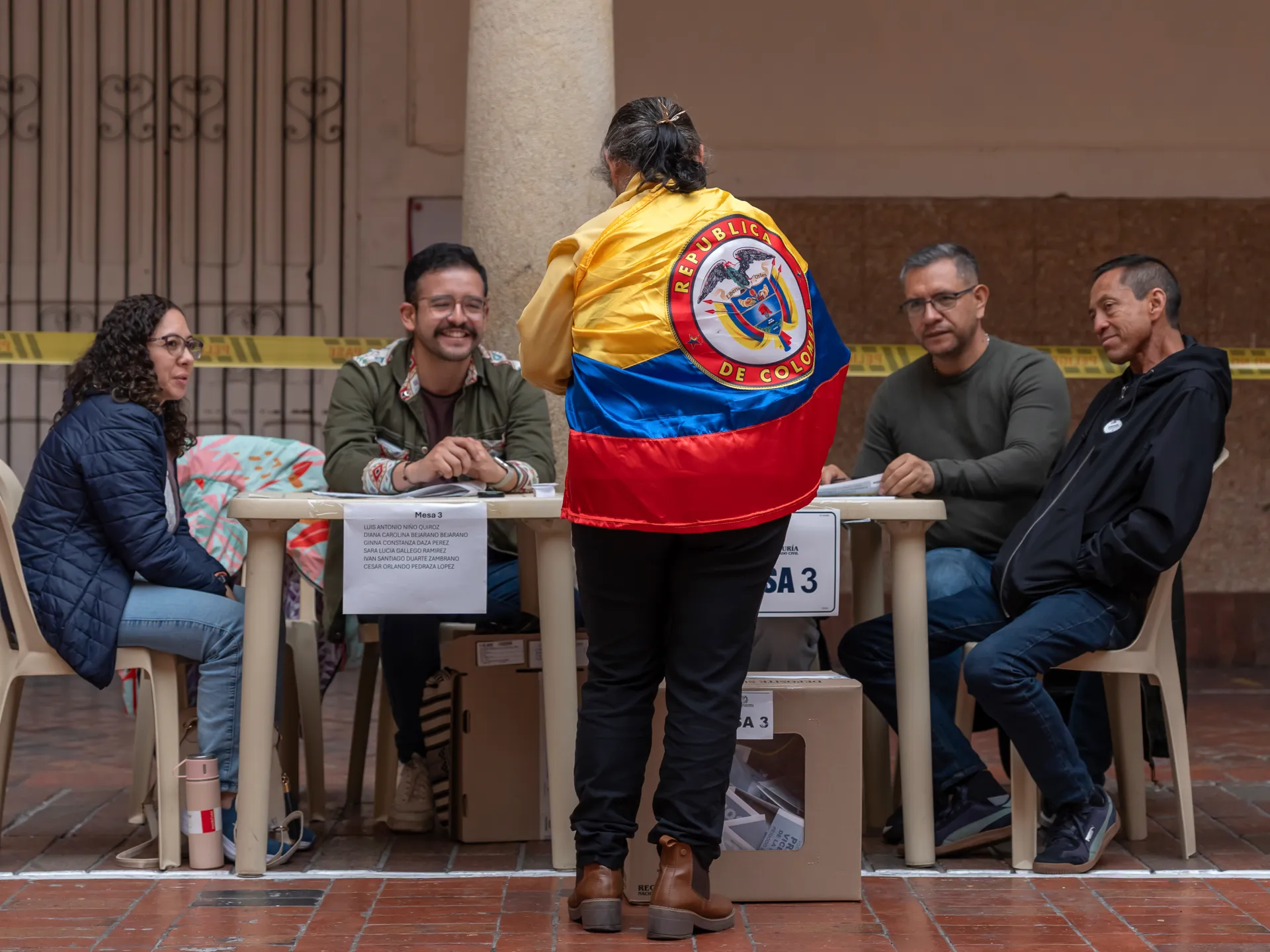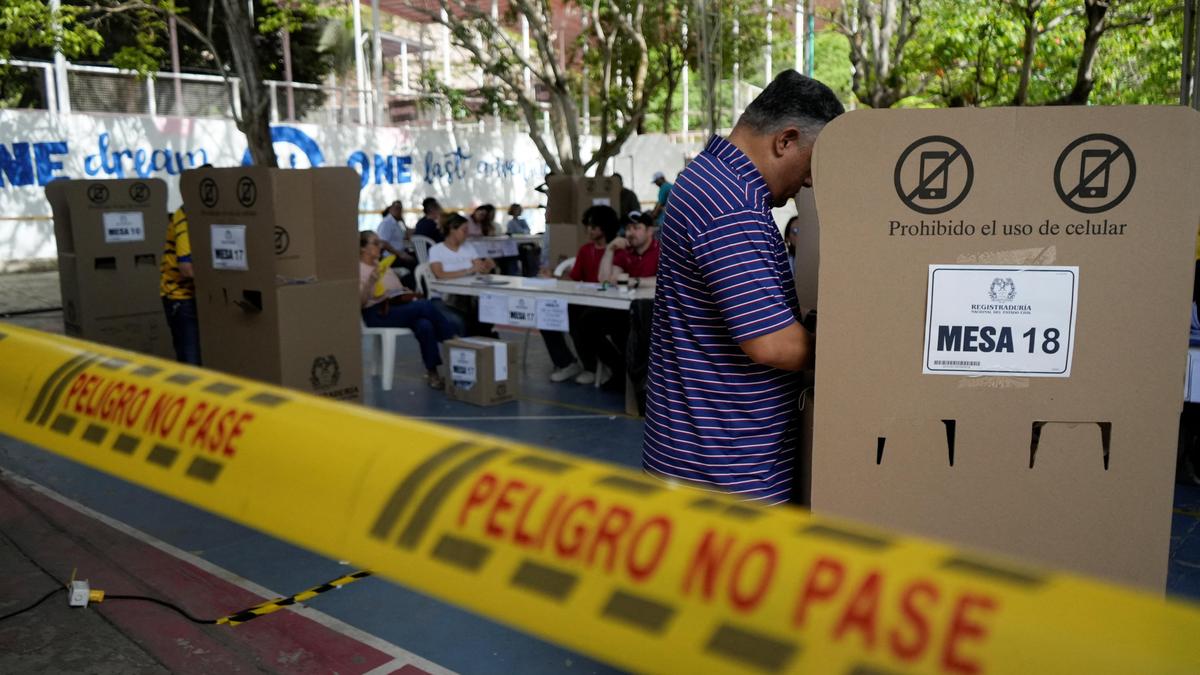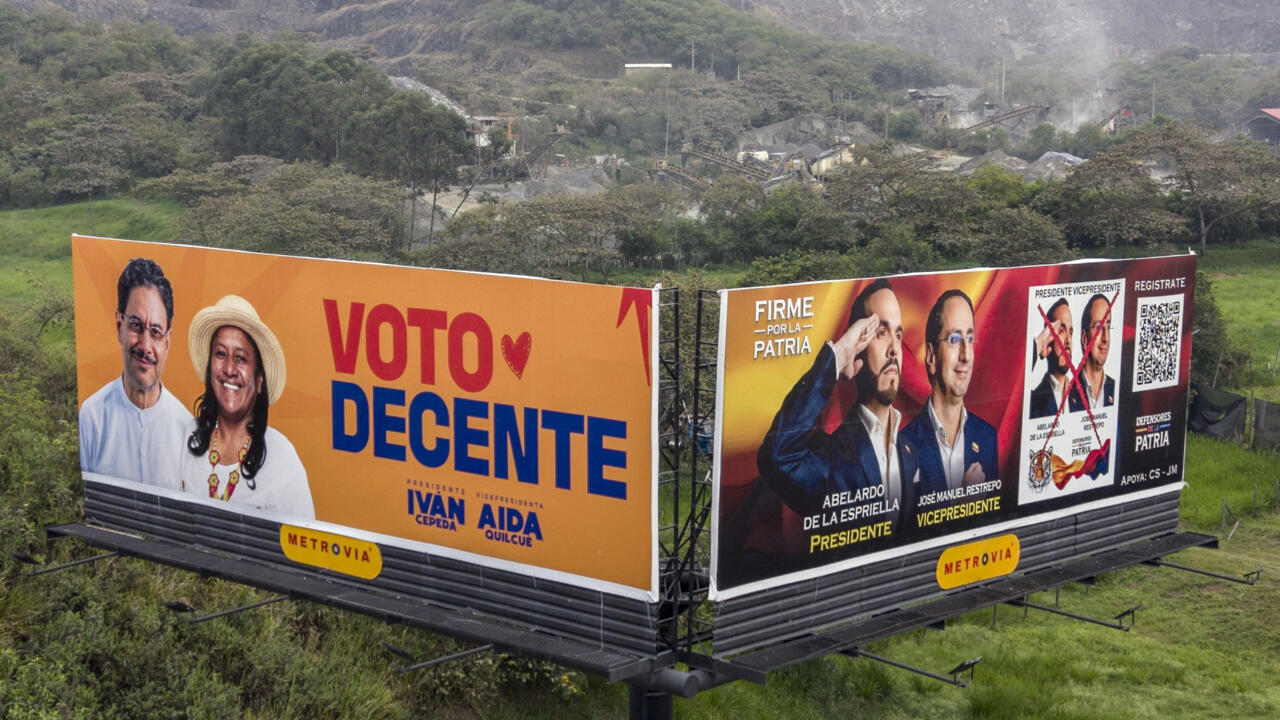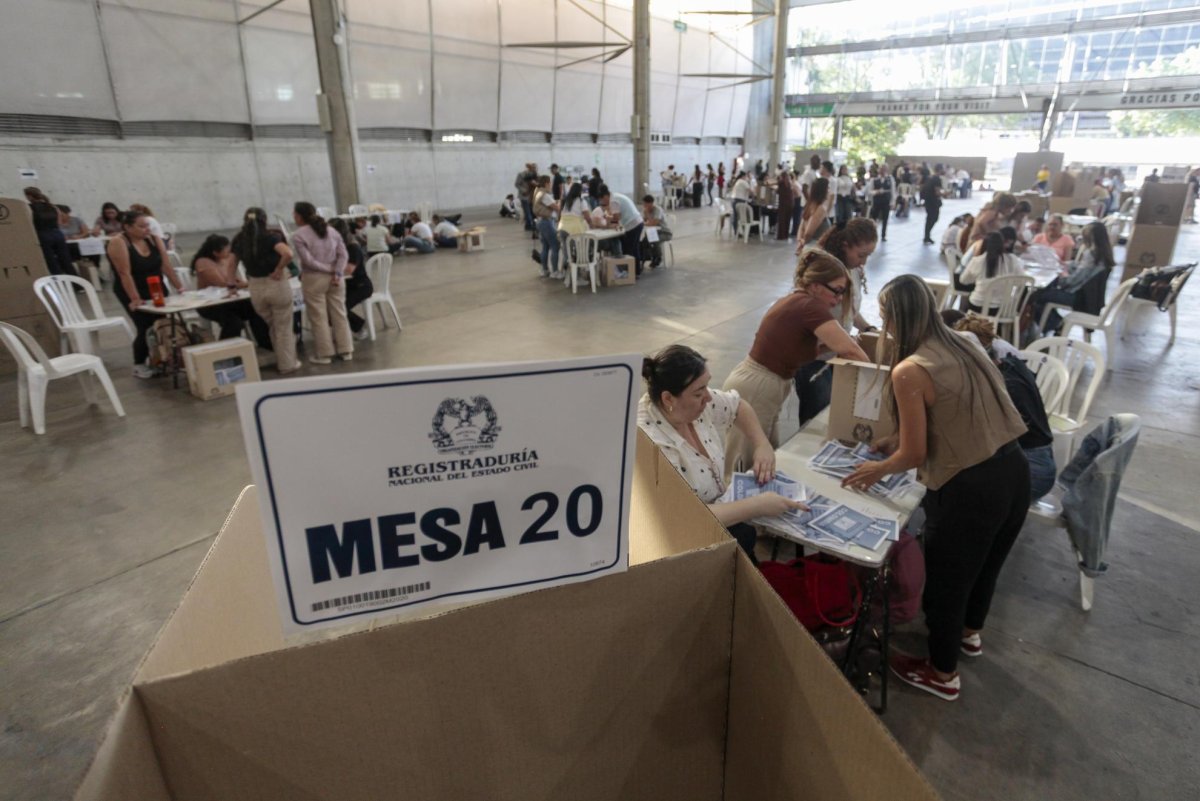
Colombians head to the polls this Sunday in what is one of the most important elections in the country's recent history.
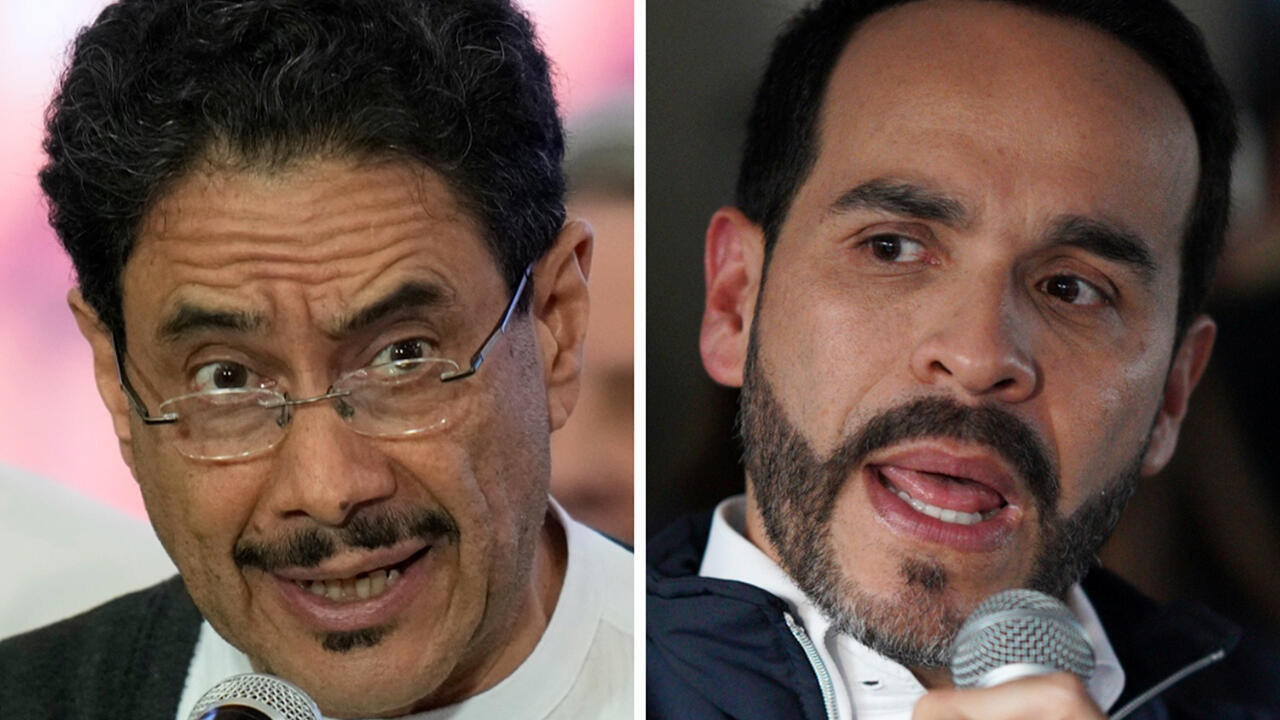
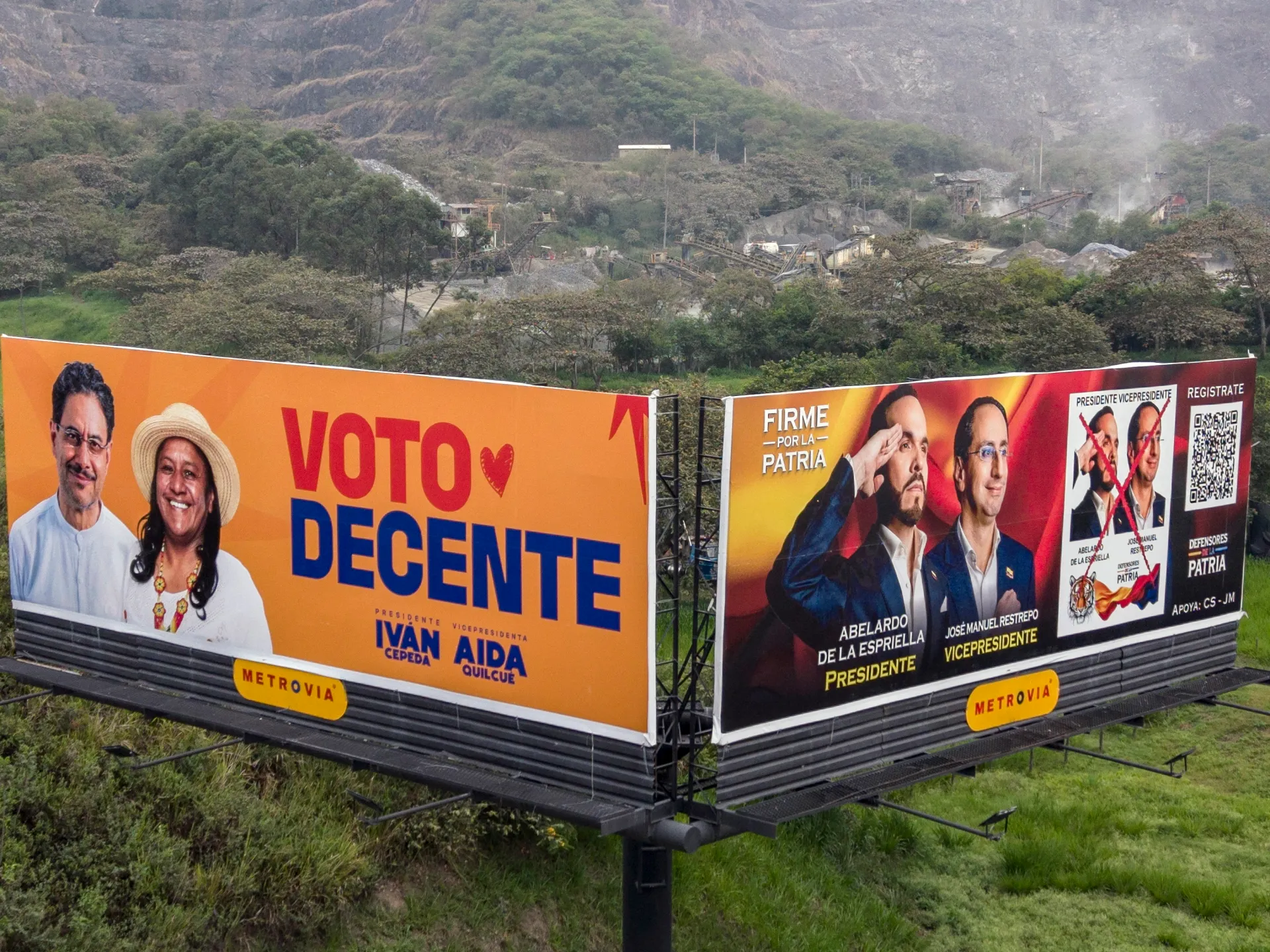
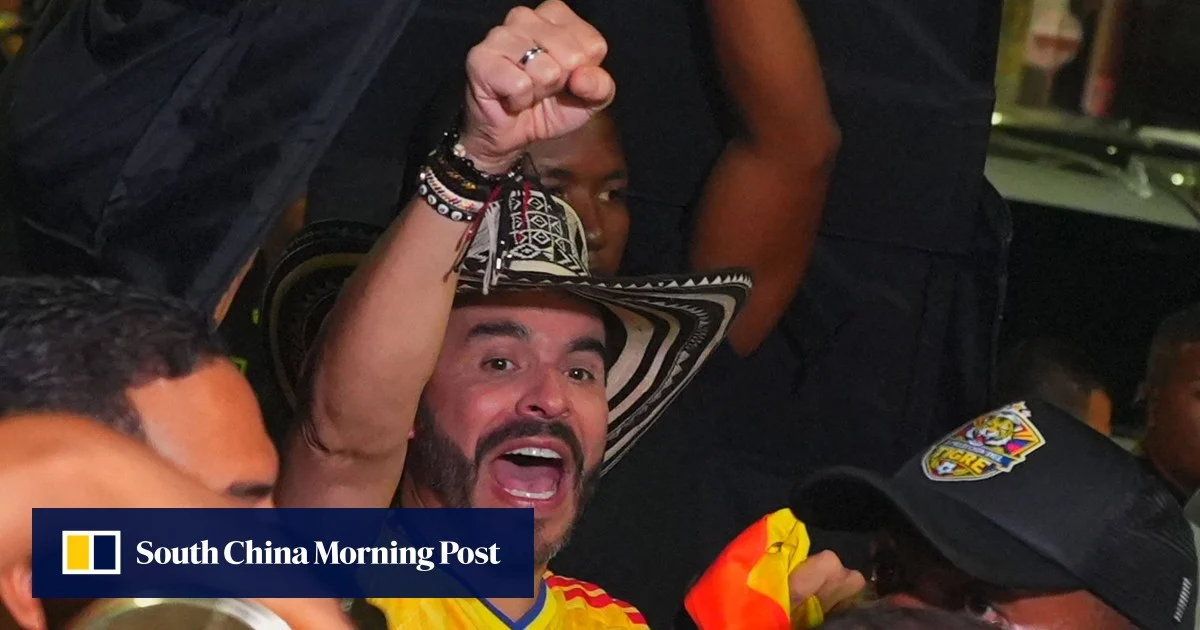
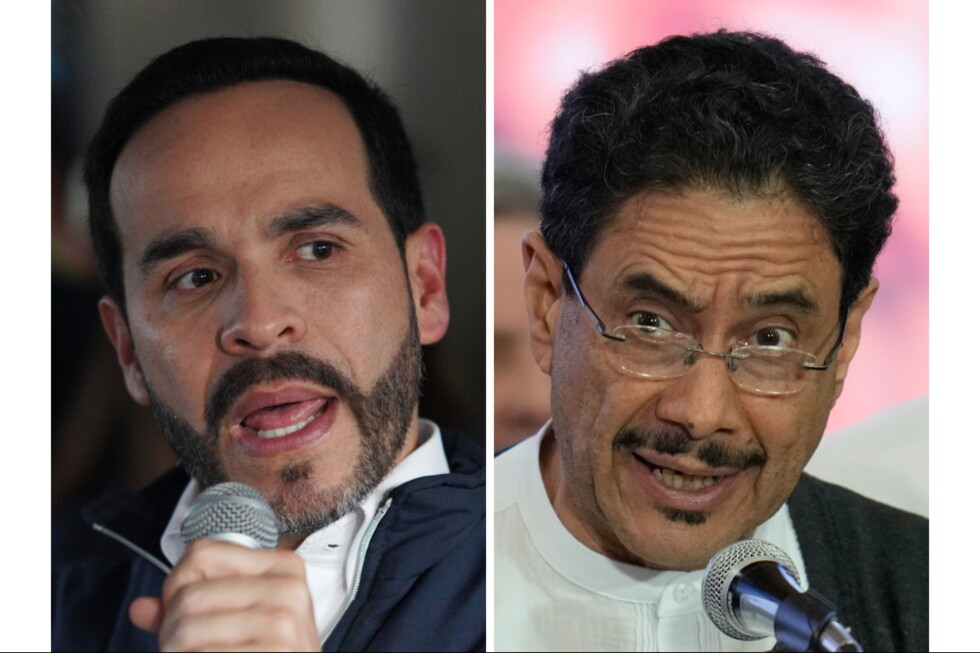
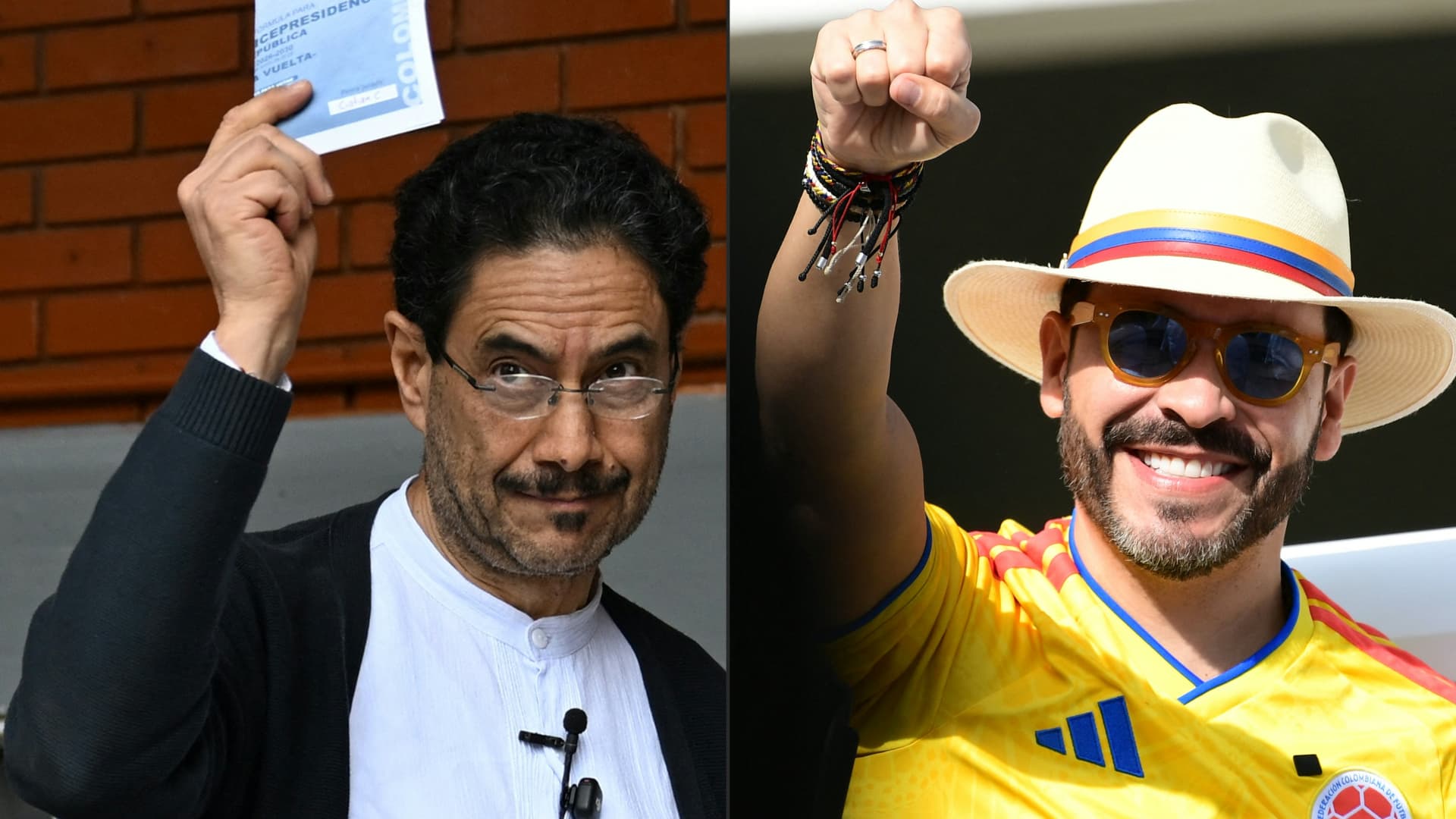
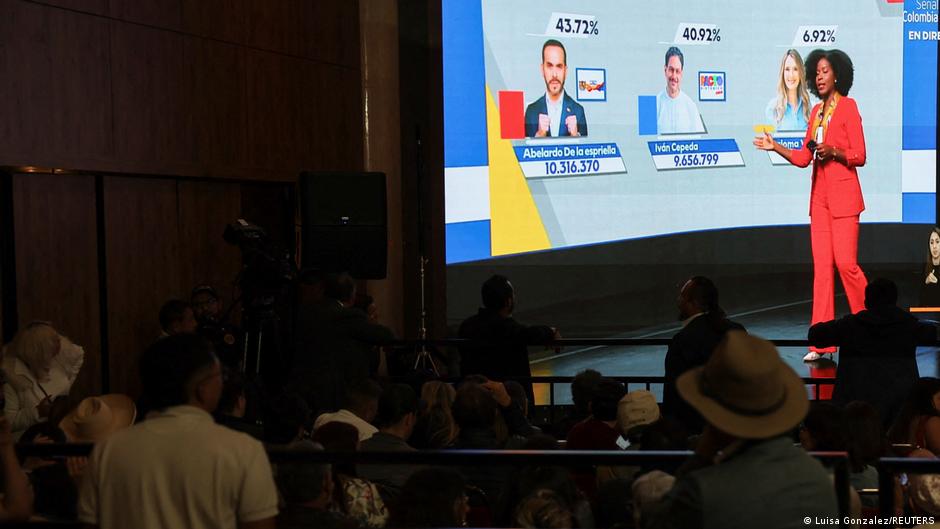
The presidential runoff pits left-wing senator and human rights activist Ivan Cepeda against far-right lawyer and businessman Abelardo de la Espriella. The two lawmakers hold fundamentally different views on the state's role, security and society.
This runoff is about much more than who will succeed President Gustavo Petro in office, observers say. The election is seen as a decision on whether Colombia will continue on its course of social reform and negotiations with Colombia's armed rebels, or whether the the country will embark on a significantly more conservative, security-focused path.
In 2022, Petro became the first left-wing lawmaker to win the presidency. His government promised to enact social reforms, allow greater participation for disadvantaged groups, implement the FARC guerrilla peace deal, and adopt a new strategy for dealing with armed groups in the country.
"The results are somewhat mixed," says Viviana Garcia Pinzon, a researcher at the Arnold Bergstraesser Institute in Freiburg, Germany, which specializes in transregional studies. Petro has made progress in poverty reduction, land restitution and improving social inclusion, says the researcher. At the same, other key reforms failed or have not been fully implemented. For example, Garcia Pinzon says Petro's "total peace" strategy had not significantly reduced violence against civilians.