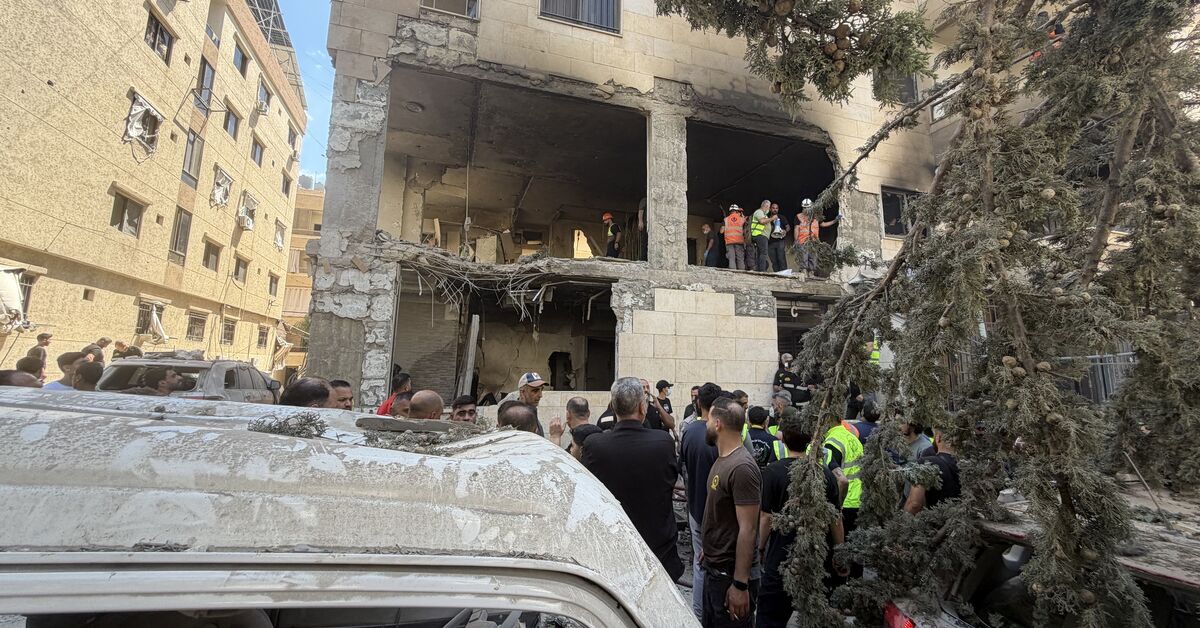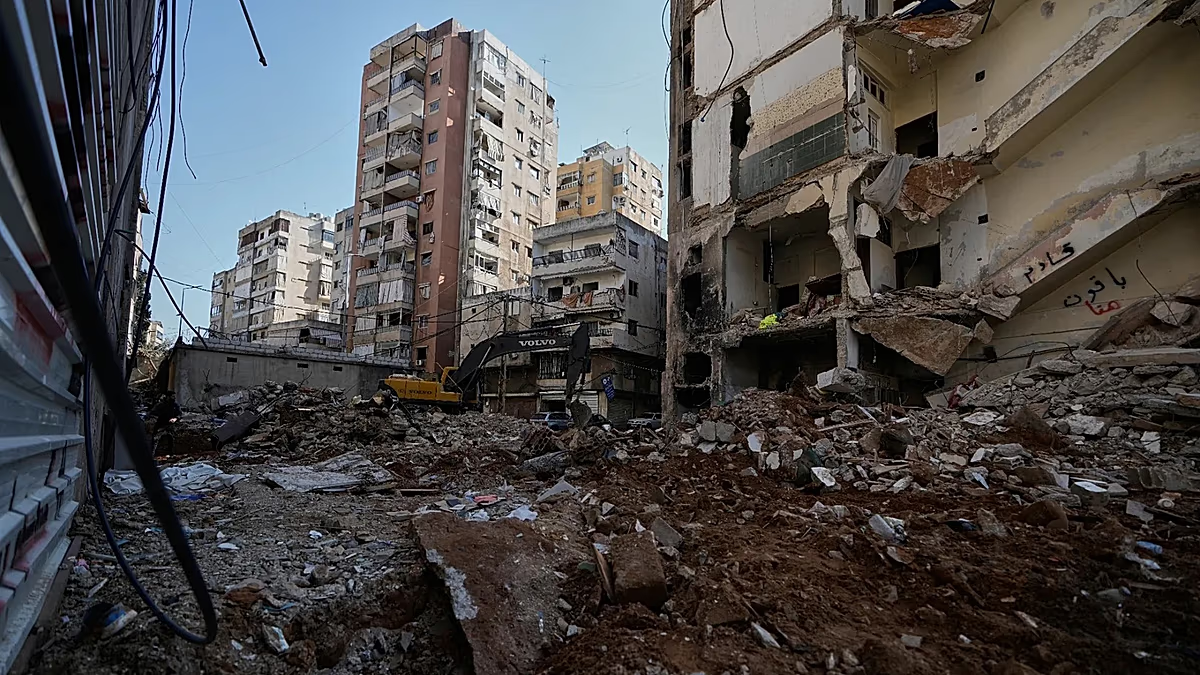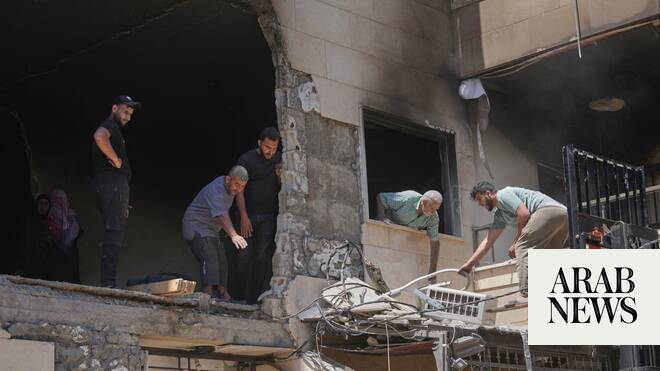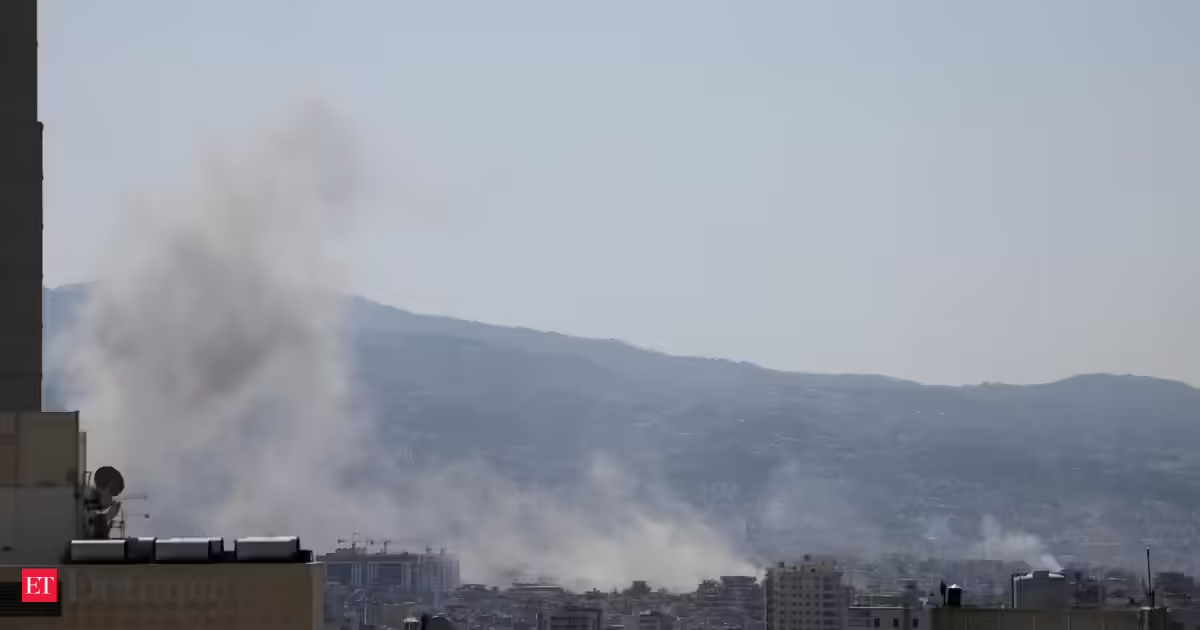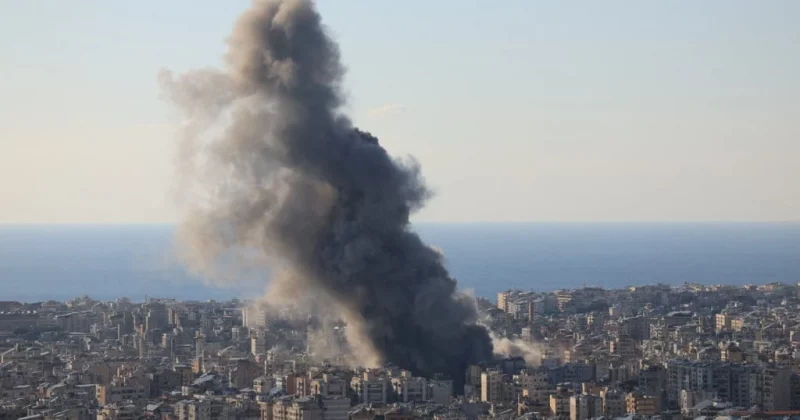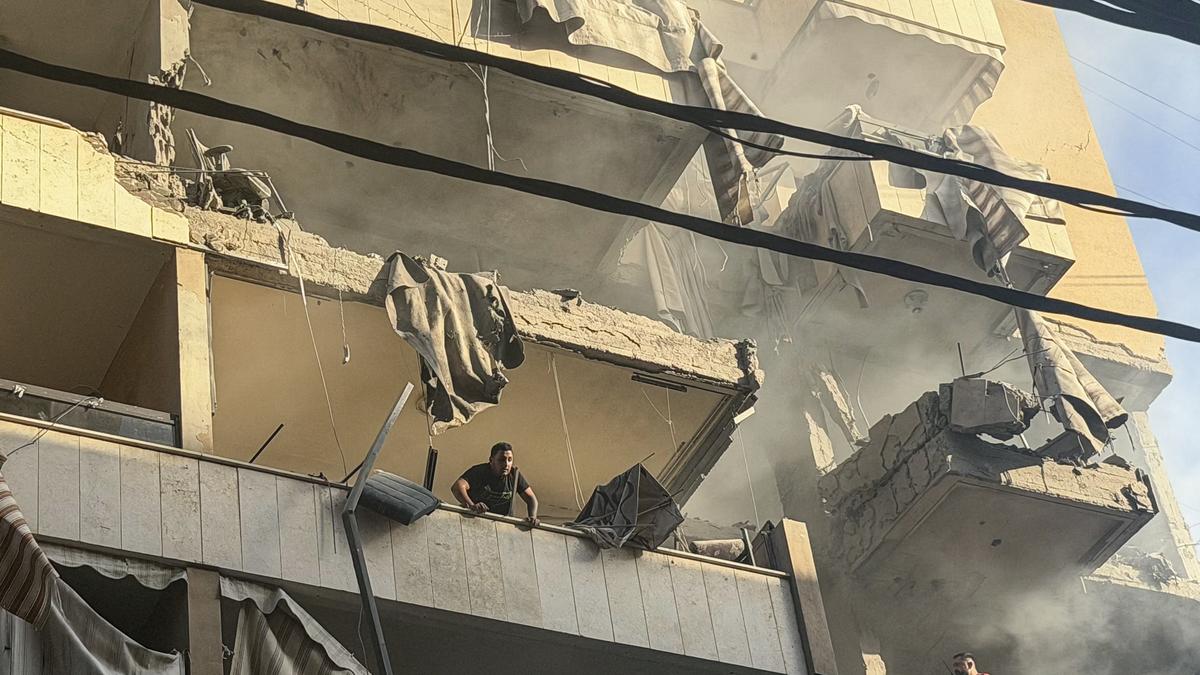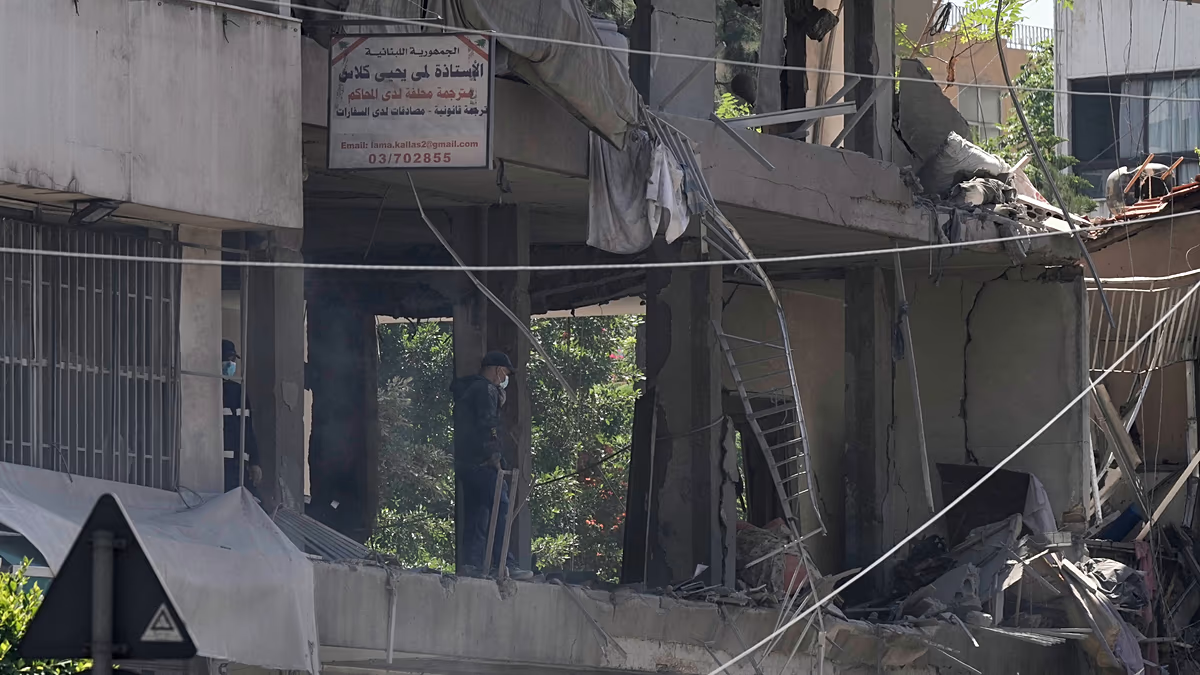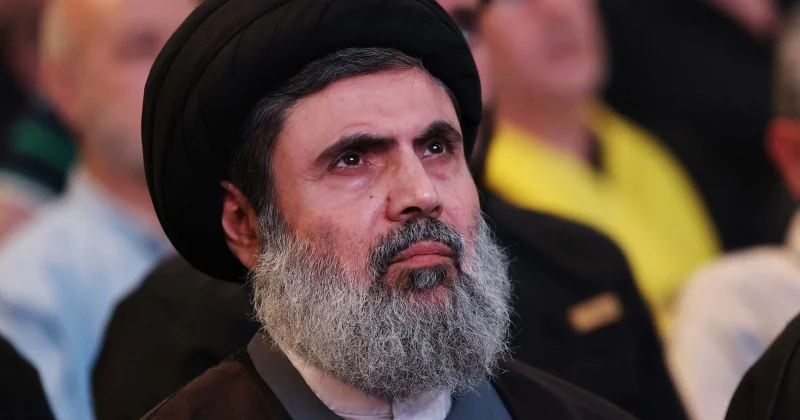
Israel launched a targeted airstrike on Beirut’s southern suburbs on May 28, hitting Ali al-Husni, the head of the missile force for Iran’s Imam Hossein Division. The strike, approved by Prime Minister Benjamin Netanyahu, came in direct response to a series of Hezbollah drone attacks on Israeli territory.
The Imam Hossein Division is an Iranian militia affiliated with Hezbollah, and al-Husni’s role overseeing its missile capabilities made him a high-priority target. The strike hit Dahiyeh, a densely populated area long considered a Hezbollah stronghold in southern Beirut.
A pattern of escalation
This wasn’t an isolated event. Earlier in May, on May 6, Israel carried out a separate airstrike in the same region targeting a senior commander of Hezbollah’s Radwan Force. That unit is considered one of Hezbollah’s most elite military formations, specializing in cross-border operations.
Targeting not just Hezbollah’s own commanders but leadership within affiliated Iranian militias signals that Israel is expanding its definition of legitimate targets. The Imam Hossein Division isn’t a Lebanese organization. It’s an Iranian one, which makes this strike a message directed as much at Tehran as at Beirut.