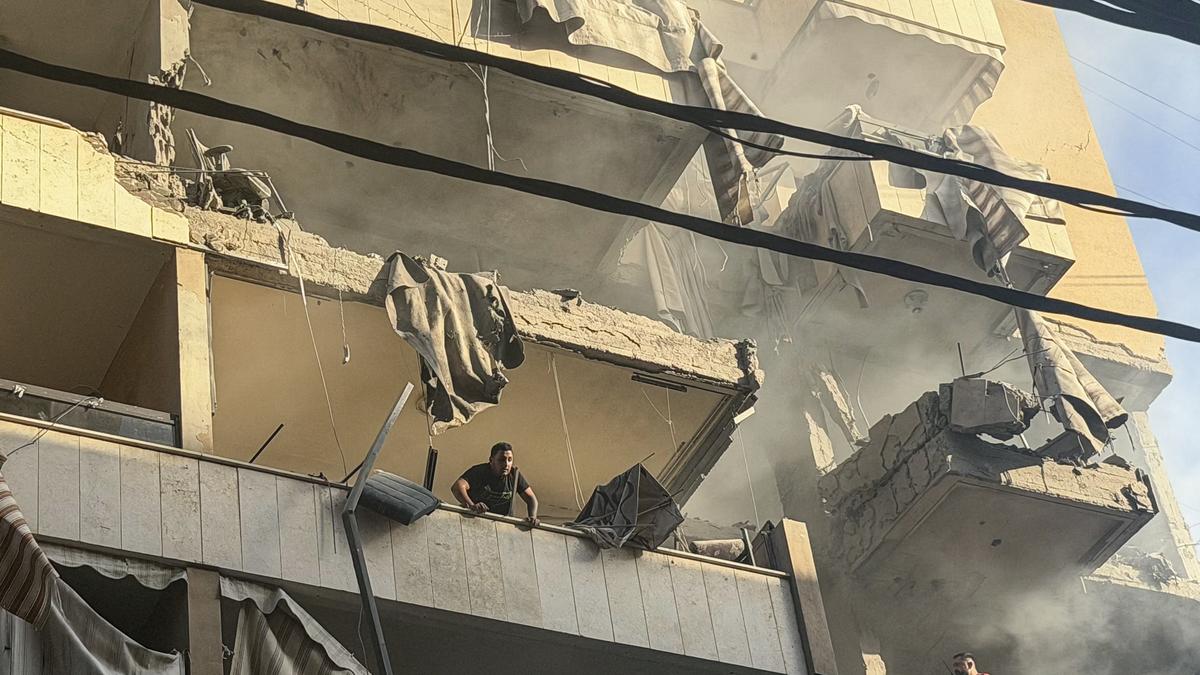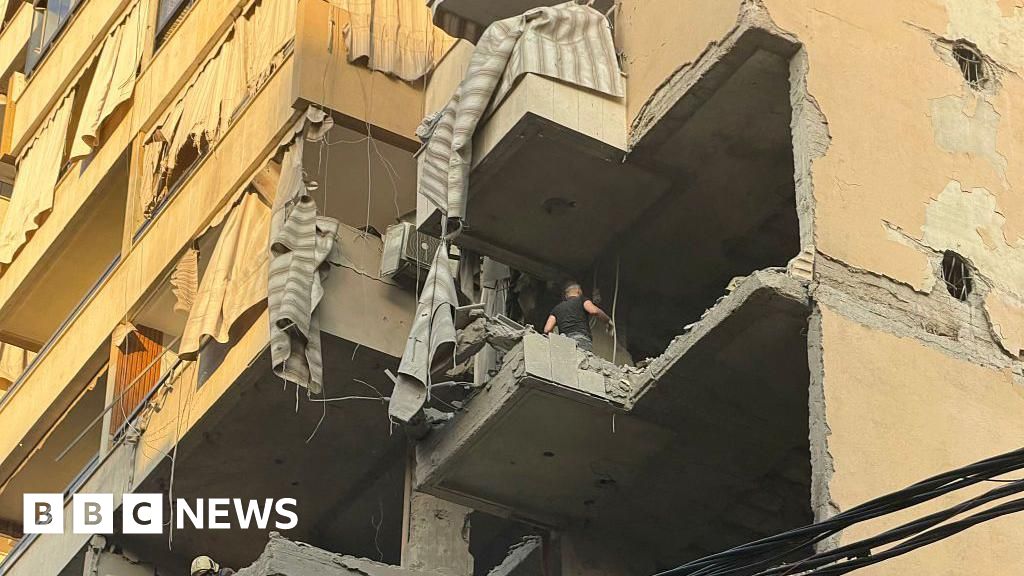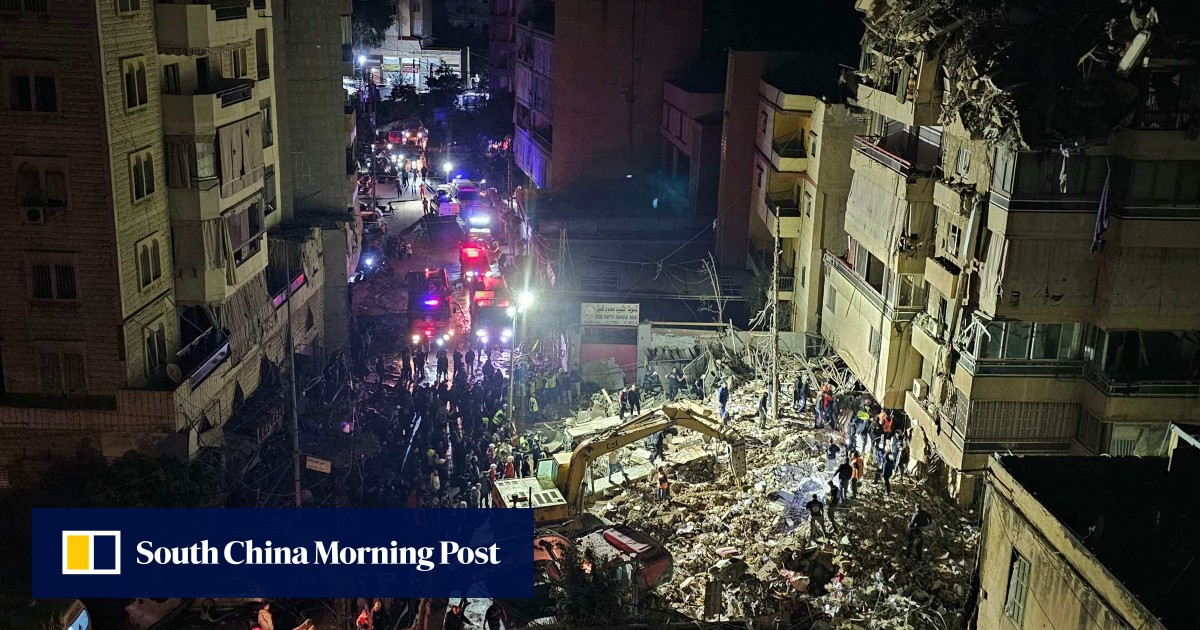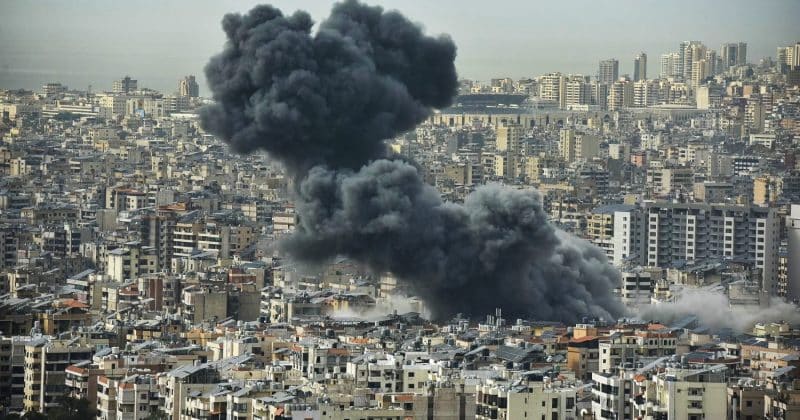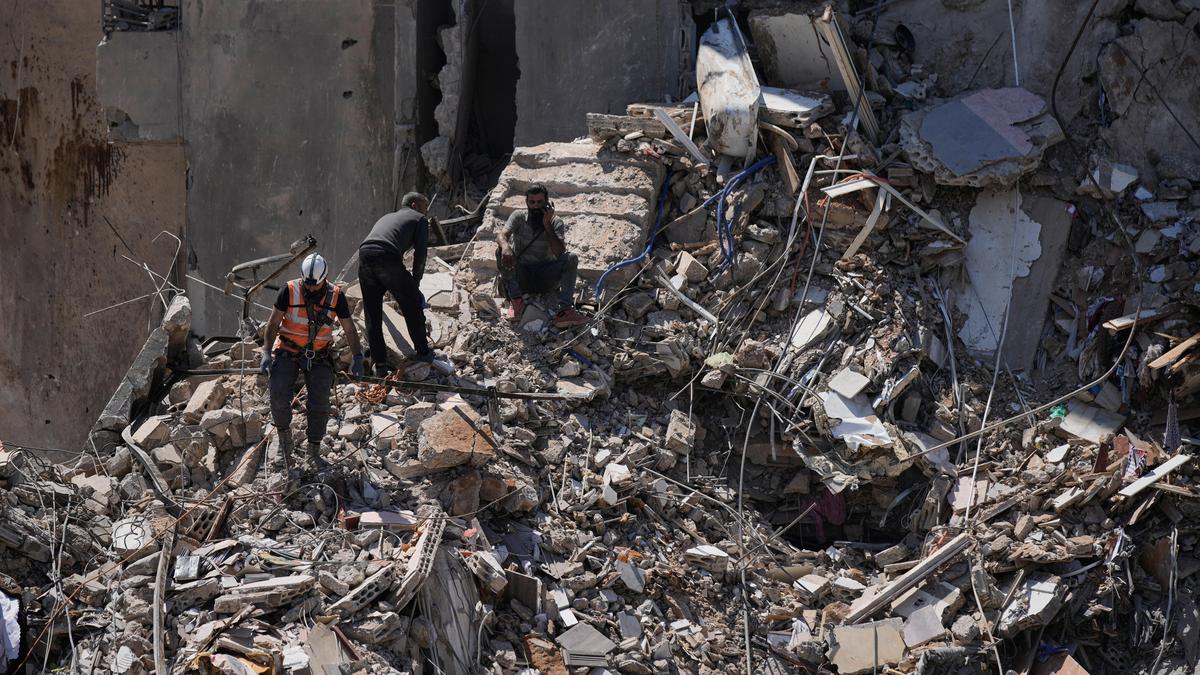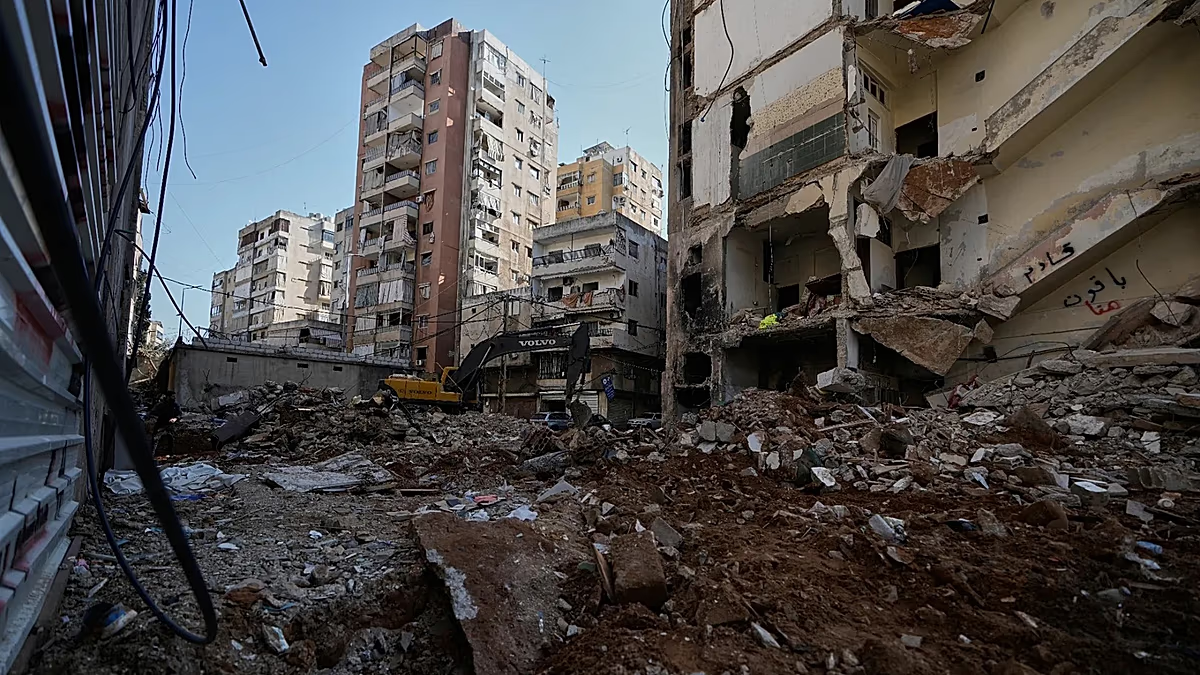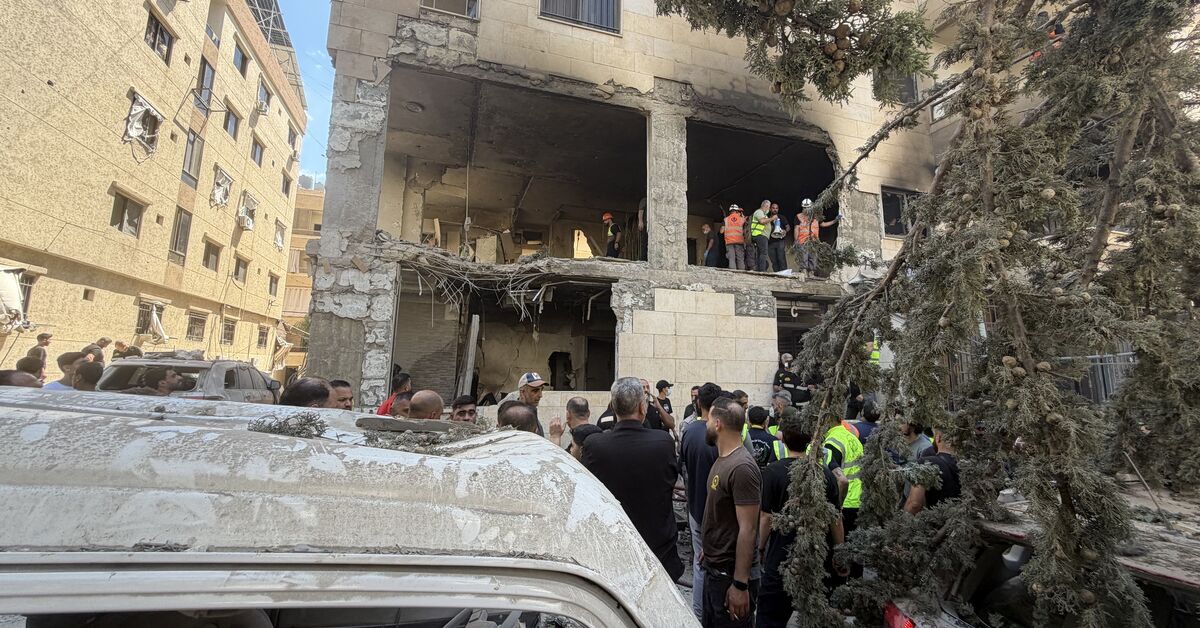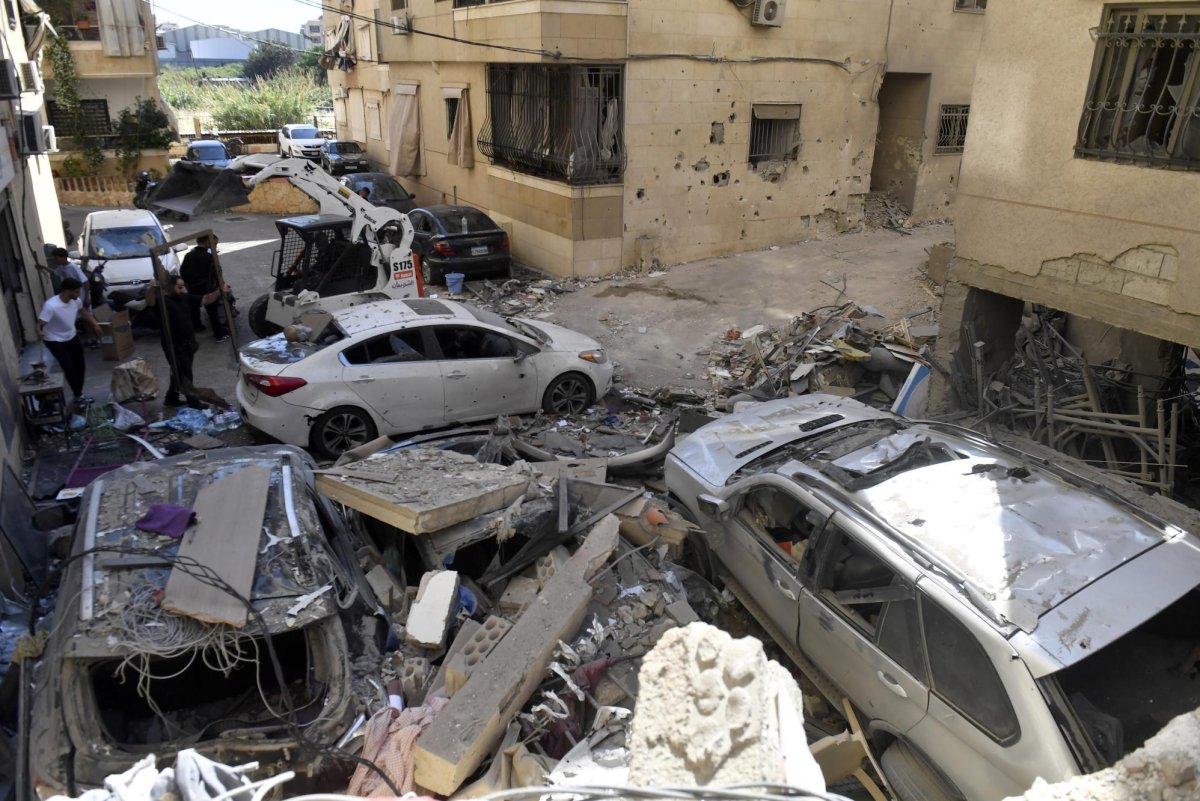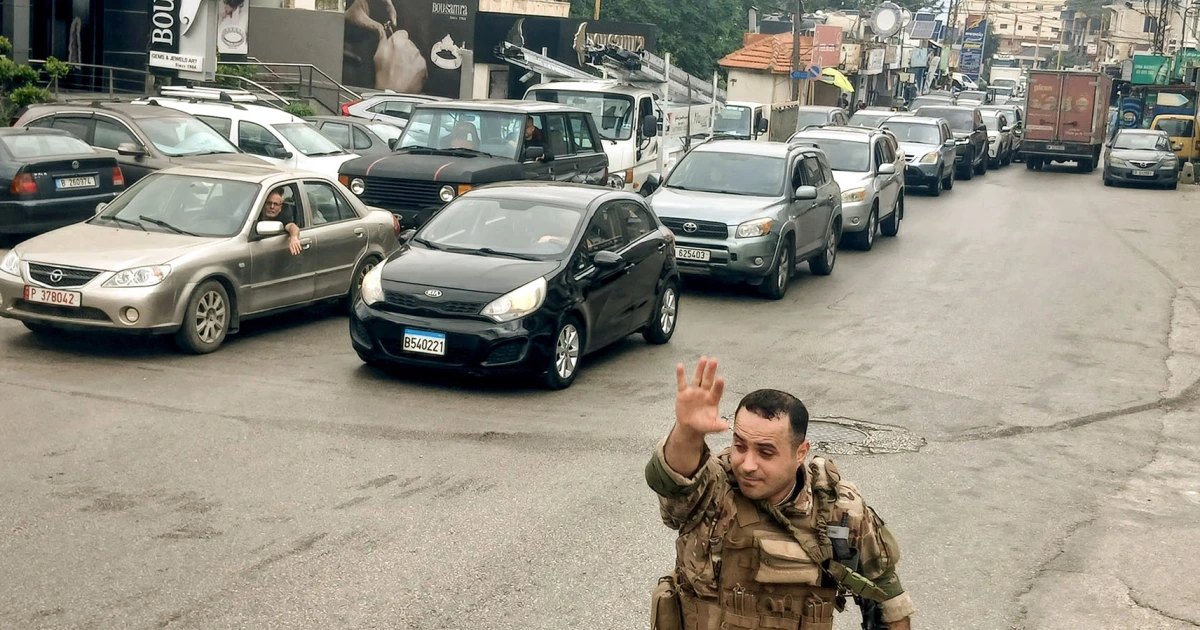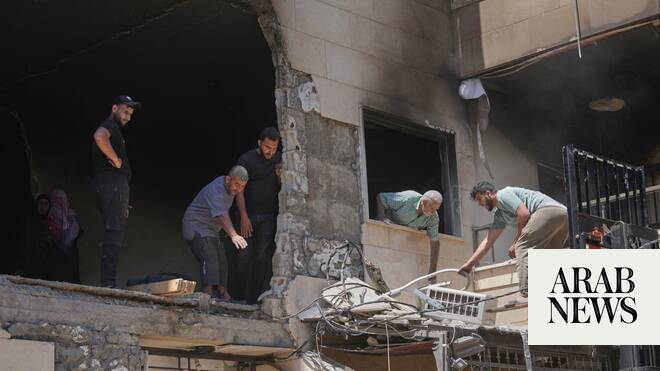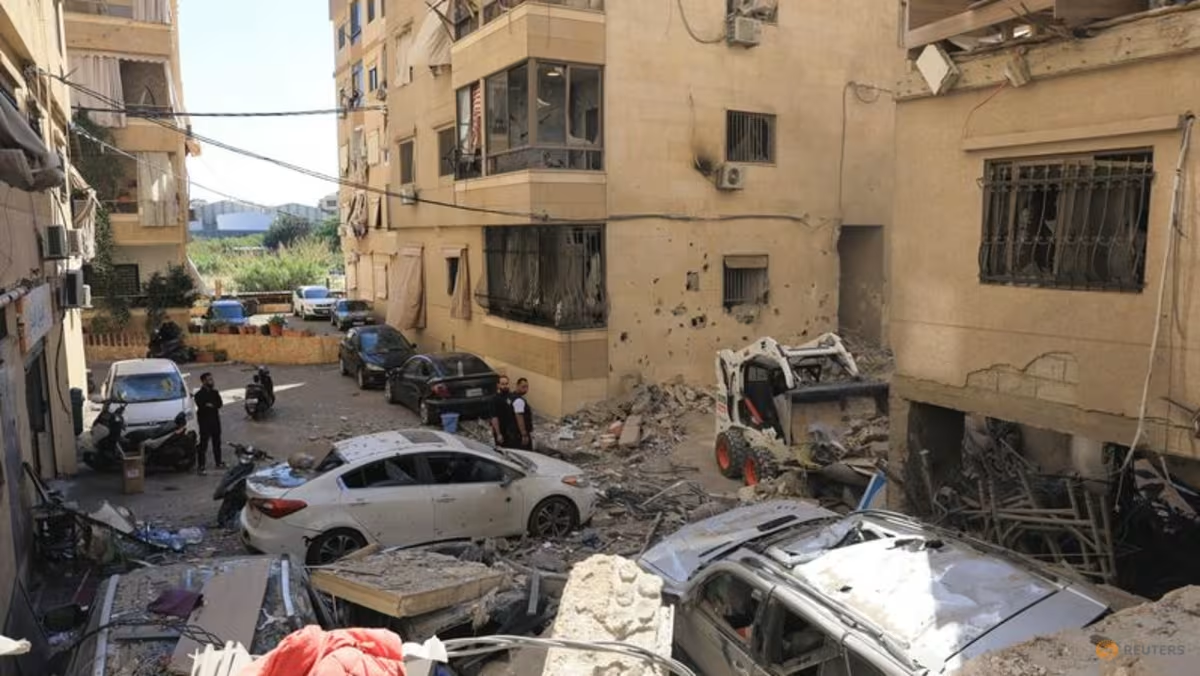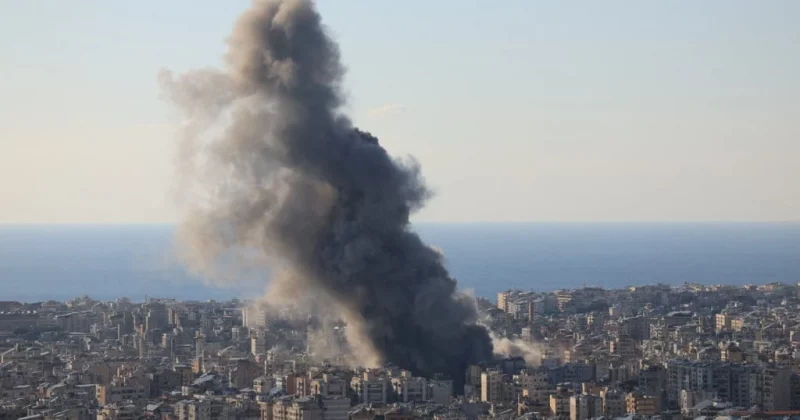
Israel launched an airstrike on Beirut’s southern suburbs on May 6, targeting what Israeli officials described as a senior commander linked to Iranian-backed militia operations embedded with Hezbollah. It’s the first strike on the Lebanese capital since a ceasefire took hold in mid-April.
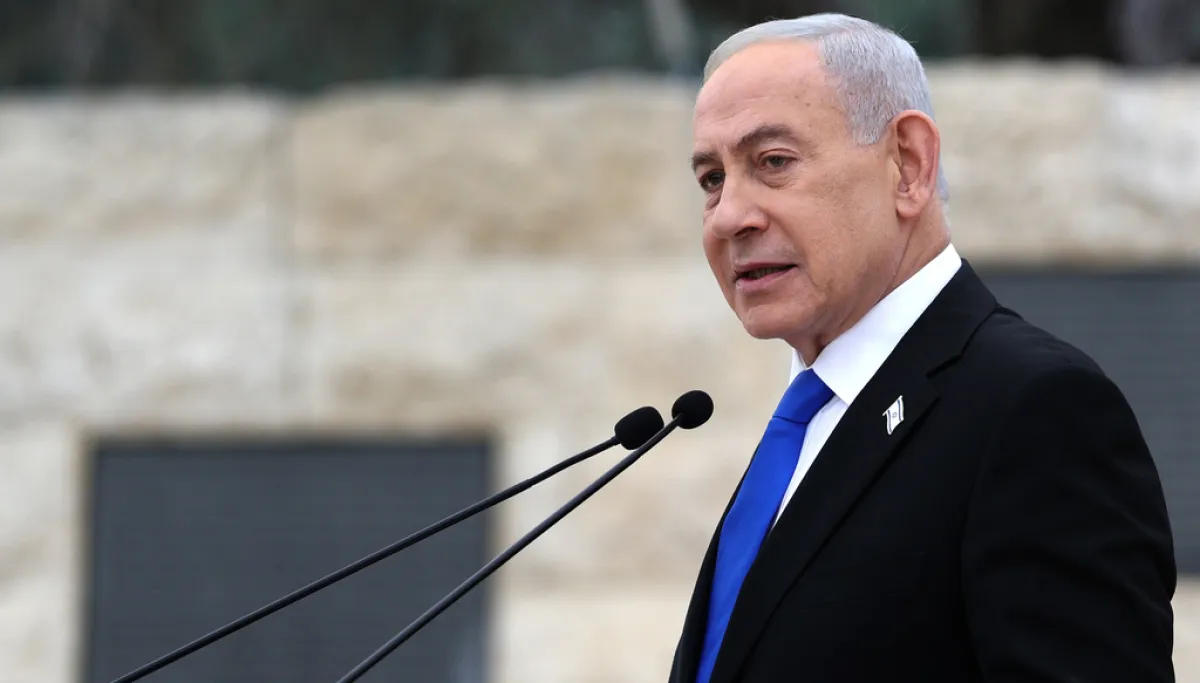
Israeli Prime Minister Benjamin Netanyahu confirmed he approved the operation. The target, according to various reports, was either Ahmed Ali Balout, a commander in Hezbollah’s elite Radwan Force, or Ali al-Husni, who reportedly oversees missile operations for the Iranian-backed Imam Hossein Division militia that works alongside Hezbollah. Multiple casualties were reported in the Dahieh neighborhood.
What happened and why it matters
The strike came after a series of Hezbollah drone and rocket attacks against Israeli targets.
The Radwan Force is Hezbollah’s most capable ground unit. Targeting one of its senior figures signals that Israel views the ceasefire as either void or selectively applicable, depending on the threat level posed by specific individuals.