Scientists say climate change is driving a major and potentially permanent transformation in the Arctic Ocean, disrupting the marine food chain from the bottom up.
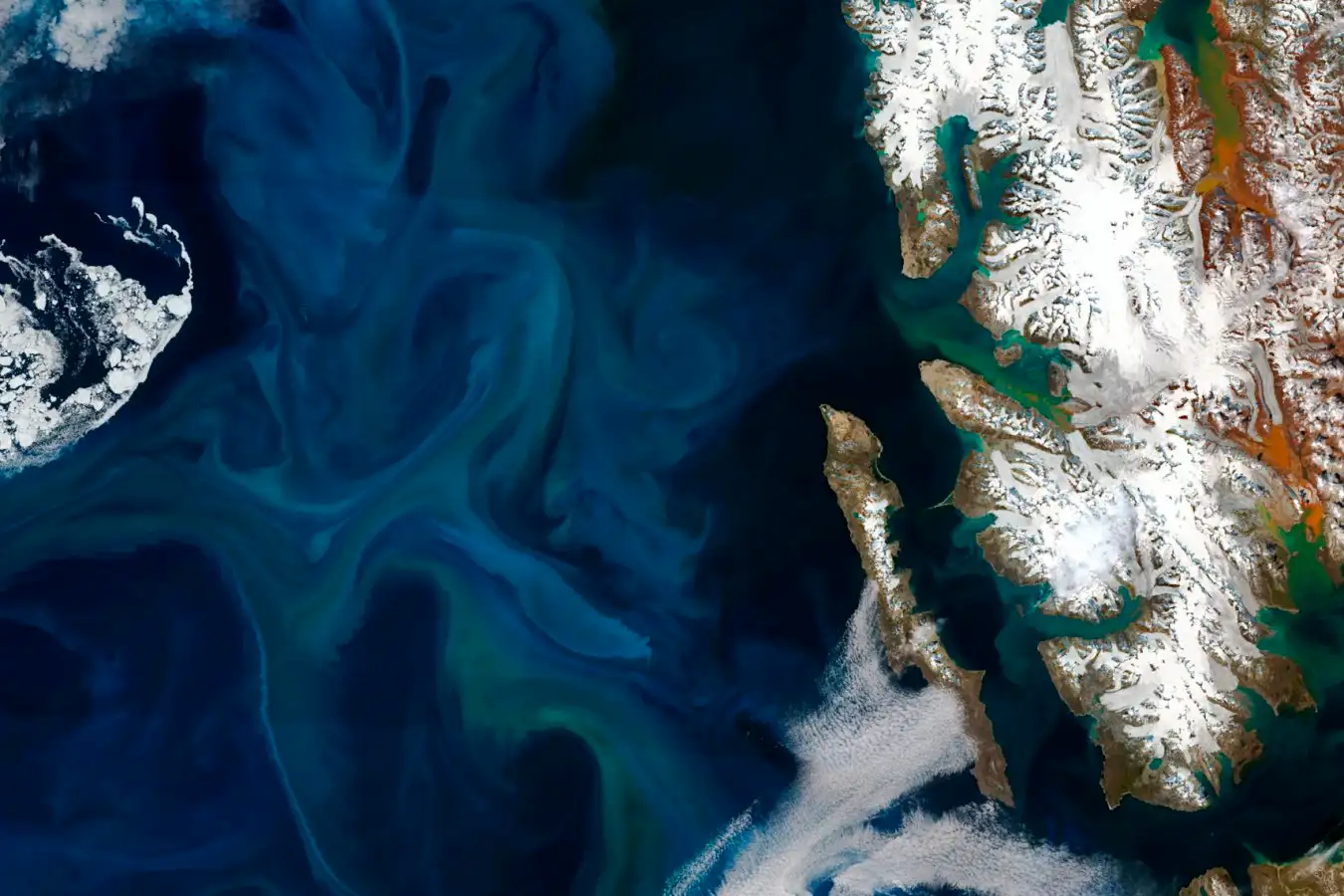
According to a new study, the rapid decline of Arctic sea ice has sharply reduced levels of nitrate, a nutrient essential for the growth of plankton that form the foundation of the region's ecosystem. Researchers warn that the shift could affect everything from fish and seabirds to marine mammals, while also weakening the Arctic Ocean's ability to absorb carbon from the atmosphere.
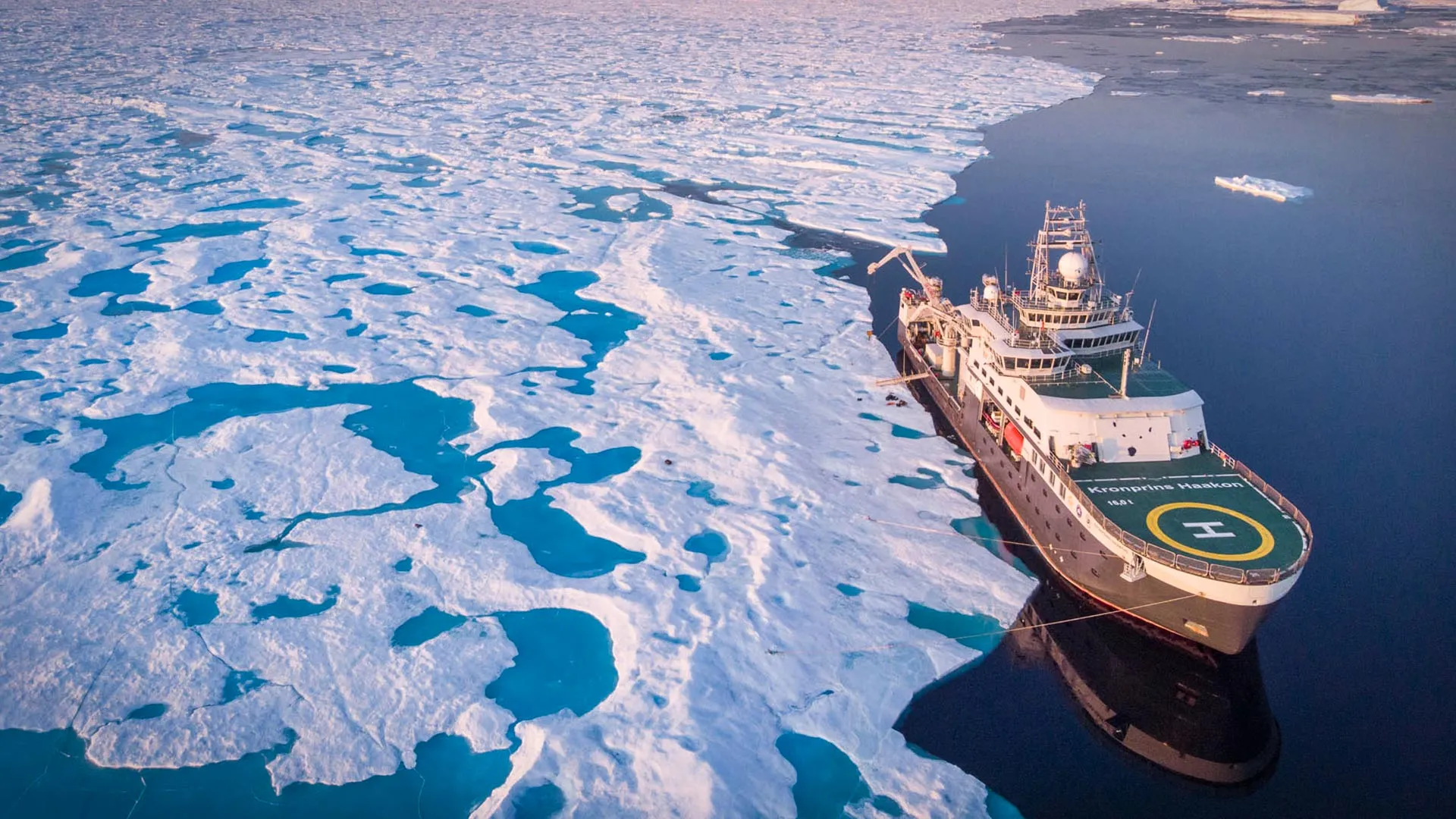
The study found that large areas of shallow Arctic waters, once shielded by sea ice, are now being exposed to much more sunlight. That increased exposure appears to accelerate a natural process that removes nitrate from seawater.
Because plankton rely on nitrate to grow, lower nutrient levels could reduce the amount of life the Arctic ecosystem can sustain.
Declining Nitrate Levels in Arctic Waters