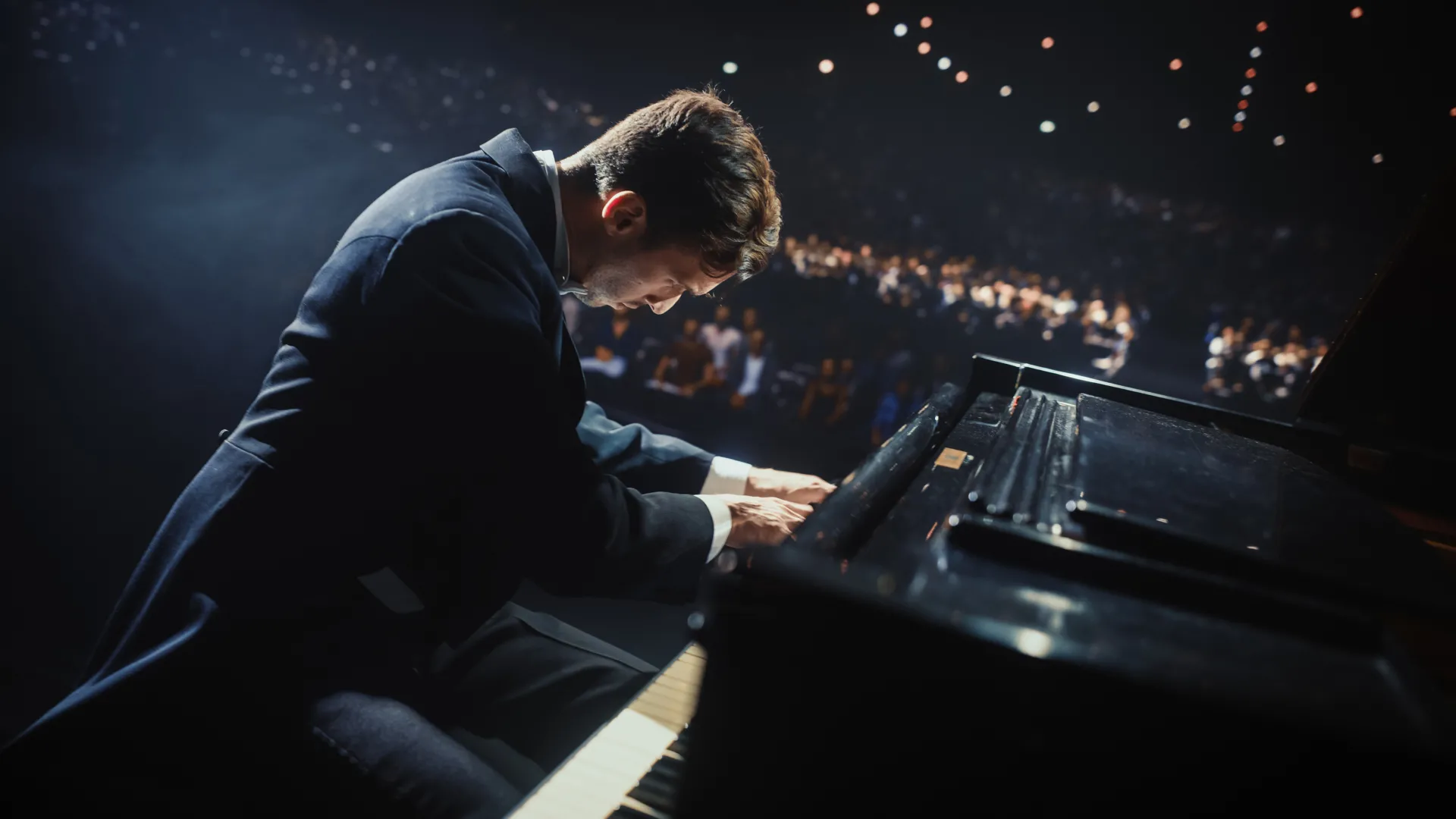
For generations, pianists and music teachers have insisted that a performer's touch can change the character of a piano's sound. Skeptics argued that once a piano hammer strikes a string, the resulting tone is determined almost entirely by the instrument itself. Now, a major scientific study has provided some of the clearest evidence yet that pianists really can shape a piano's timbre through touch alone.
Researchers led by Dr. Shinichi Furuya of the NeuroPiano Institute and Sony Computer Science Laboratories, Inc. used ultra high speed sensing technology to uncover the hidden movements behind expressive piano playing. Their findings, published in the Proceedings of the National Academy of Sciences (PNAS), suggest that the subtle motions of a pianist's fingers and hands influence how listeners perceive qualities such as brightness, heaviness, and clarity in musical notes.
A 100-Year Debate About Piano Sound
The question of whether pianists can truly alter timbre through touch has been debated since the early 20th century. While musicians often describe tones as warm, dark, bright, or heavy, many scientists believed these differences were mostly psychological or caused by changes in volume and timing rather than touch itself.