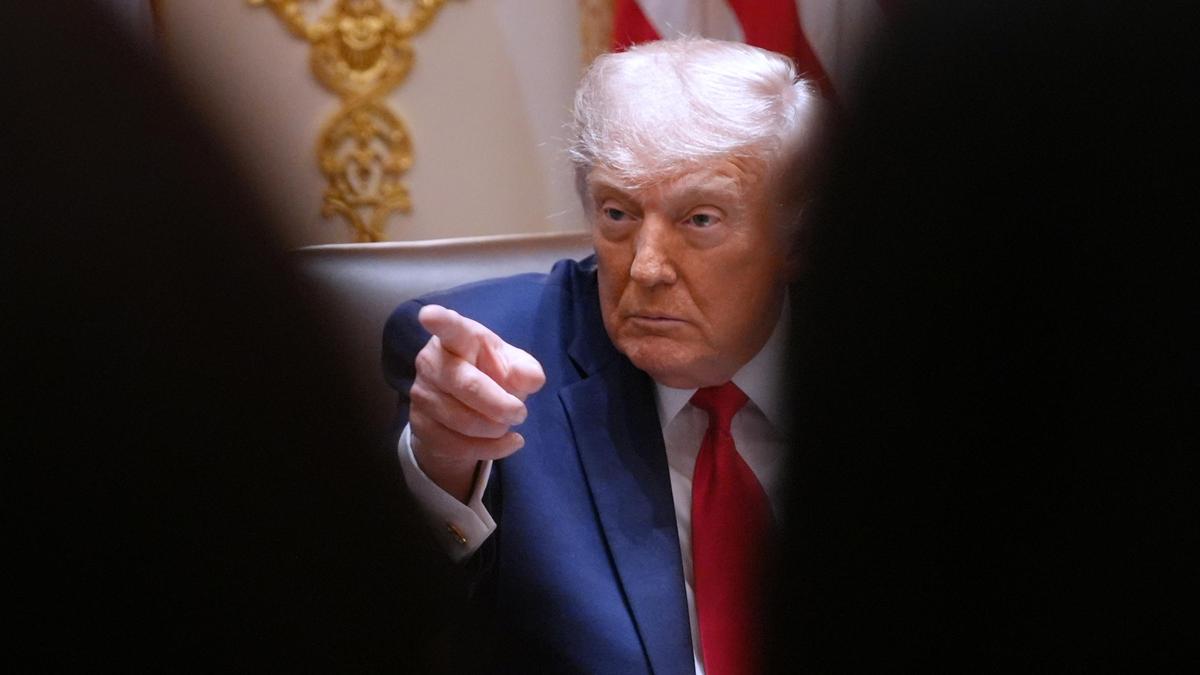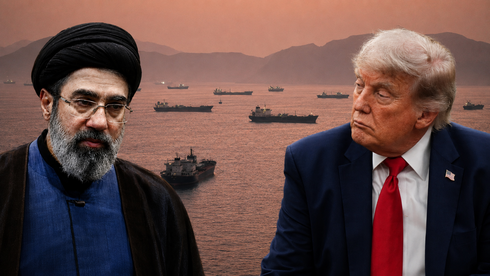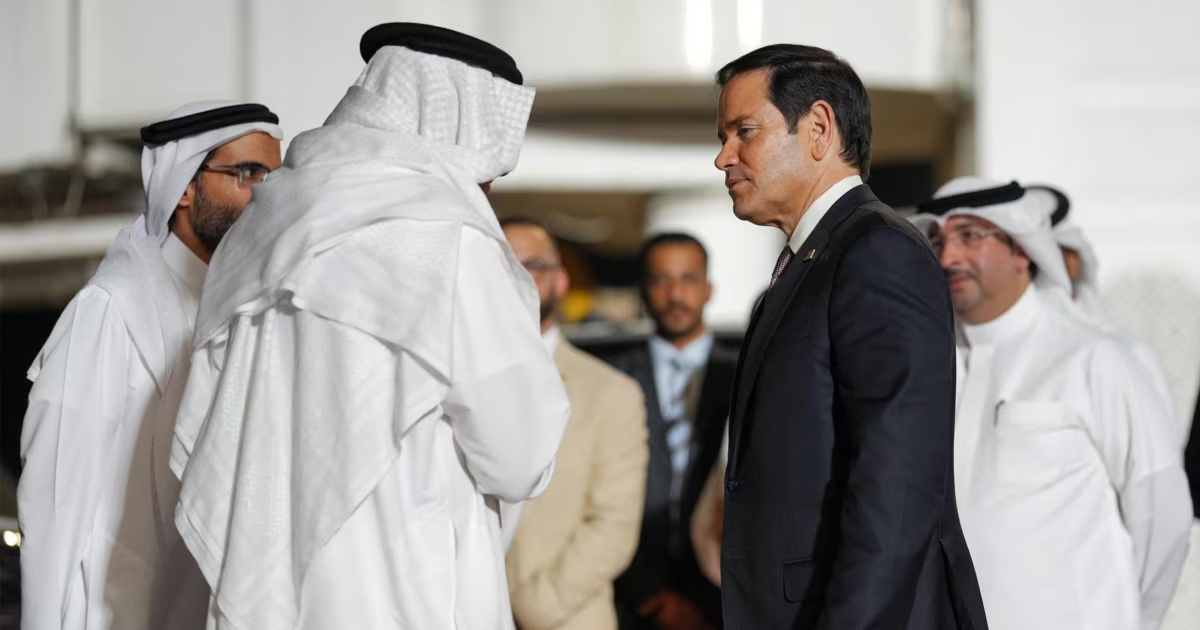
WASHINGTON -- As Washington and Tehran weigh diplomacy against the risk of renewed conflict, former US Deputy Assistant Secretary of Defense for the Middle East Michael Patrick Mulroy, says both sides now have strong incentives to prevent the crisis from escalating again if they are prepared to compromise.In an interview with RFE/RL, Mulroy, who served under the first administration of President Donald Trump, said there is “hope” for an agreement because both Washington and Tehran “have an interest in seeing this come to an end,” while cautioning that negotiations could still collapse if either side overplays their hand.RFE/RL: President Trump said during the cabinet meeting that Iran “very much wants to make a deal,” but also warned that “maybe we’ll just have to finish the job.” He ruled out sanctions relief in exchange for uranium concessions. From your perspective, how close are we to either a diplomatic breakthrough or direct military escalation?Michael Patrick Mulroy: I think we are closer than we have been. I know a lot of people have seen the comments that keep coming out that we're on the verge, and we never get there, so they're very skeptical -- and I think that's fair.But it's clear to me that President Trump does not want this to go into a stalemate that just continues and continues. Although I think he is willing to use military escalation, he understands that would come with significant consequences.Iran, of course, is not just going to absorb another round of air strikes. They're going to launch a counterattack. Obviously, it would be against US forces, but also against Gulf countries, as they have already proven both their willingness and capability to do.
Iran-US Talks 'A Dangerous Game,' Says Ex-Pentagon Official
Former Pentagon official Michael Patrick Mulroy says both Washington and Tehran have incentives to avoid renewed war, but warns the Strait of Hormuz will remain a long-term pressure point even if an agreement is reached.
2,115 words~10 min read