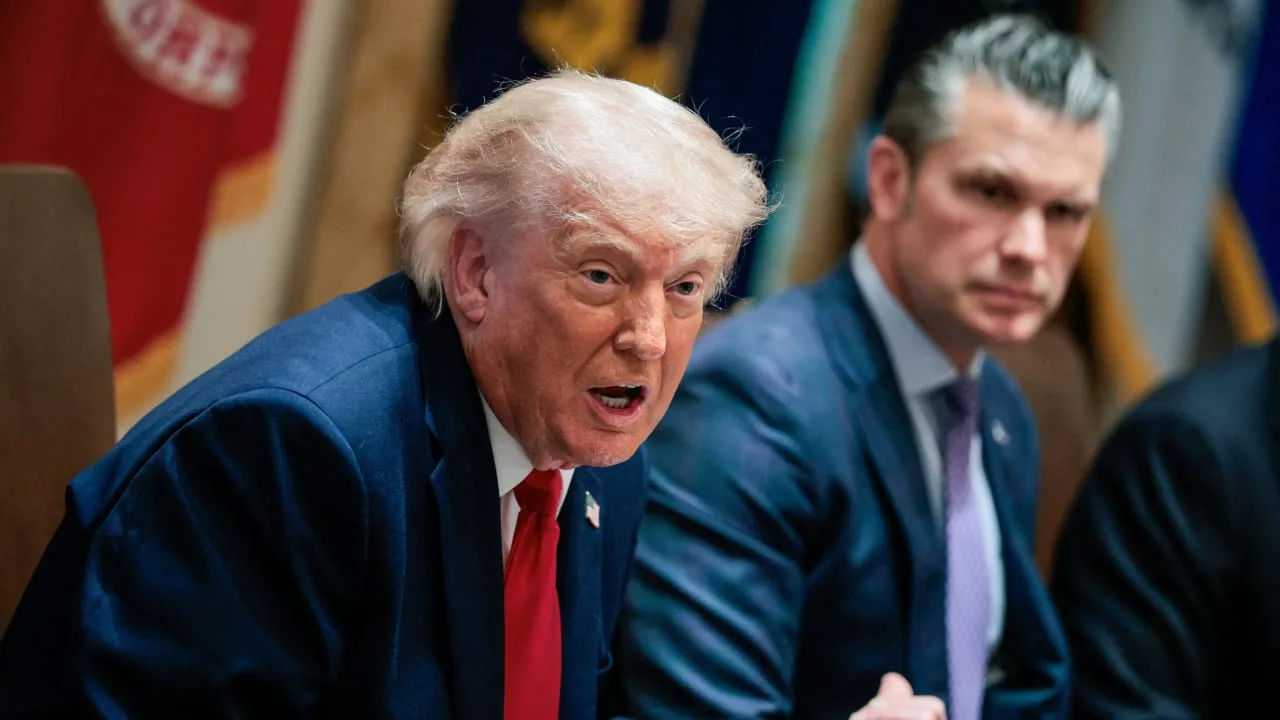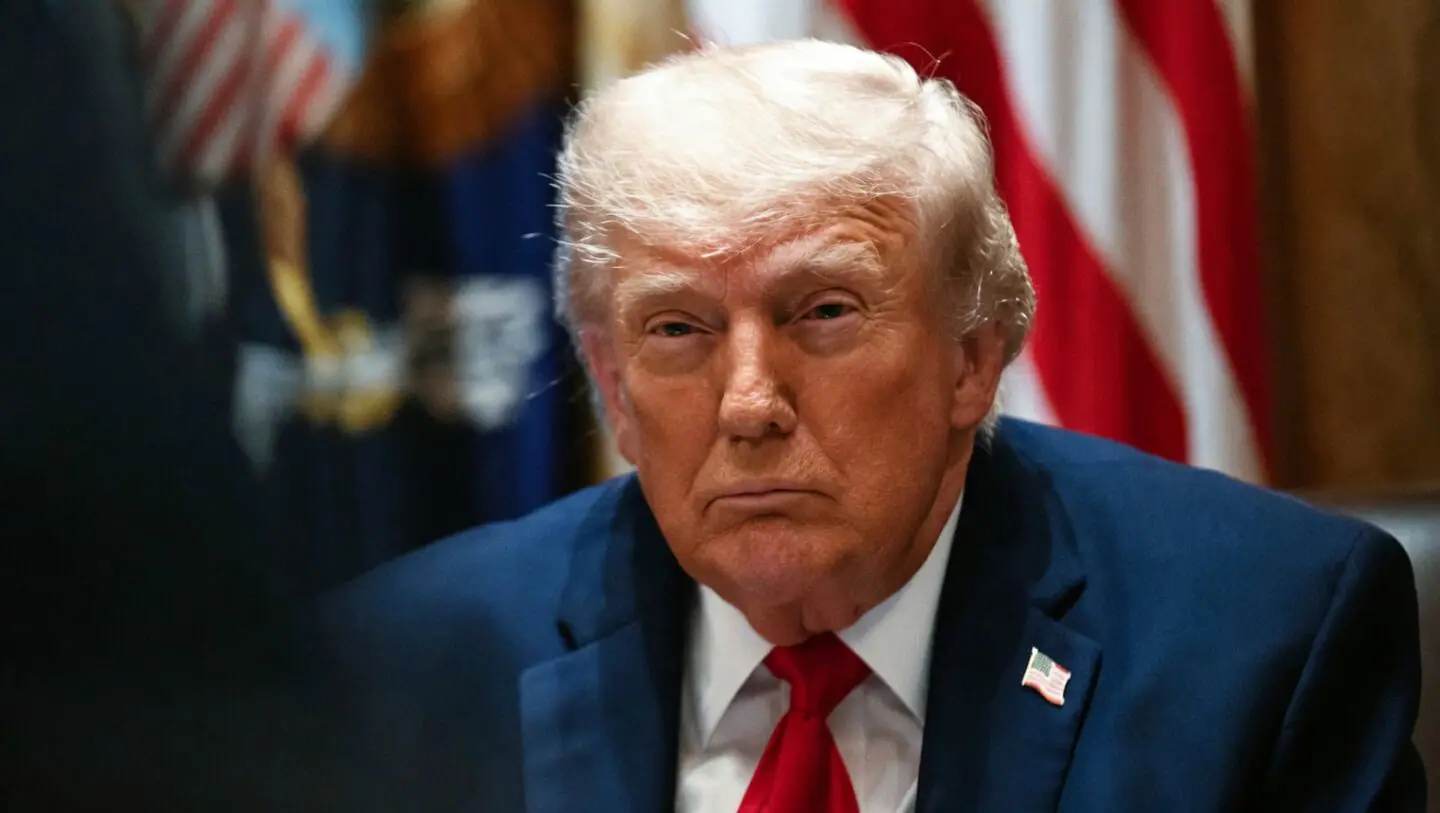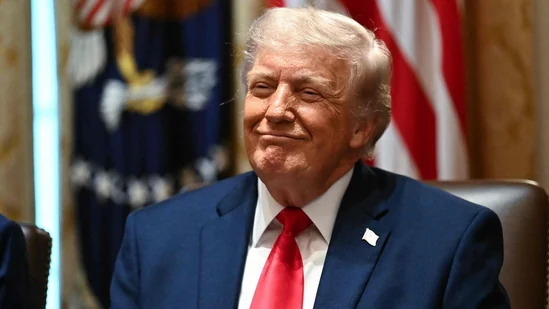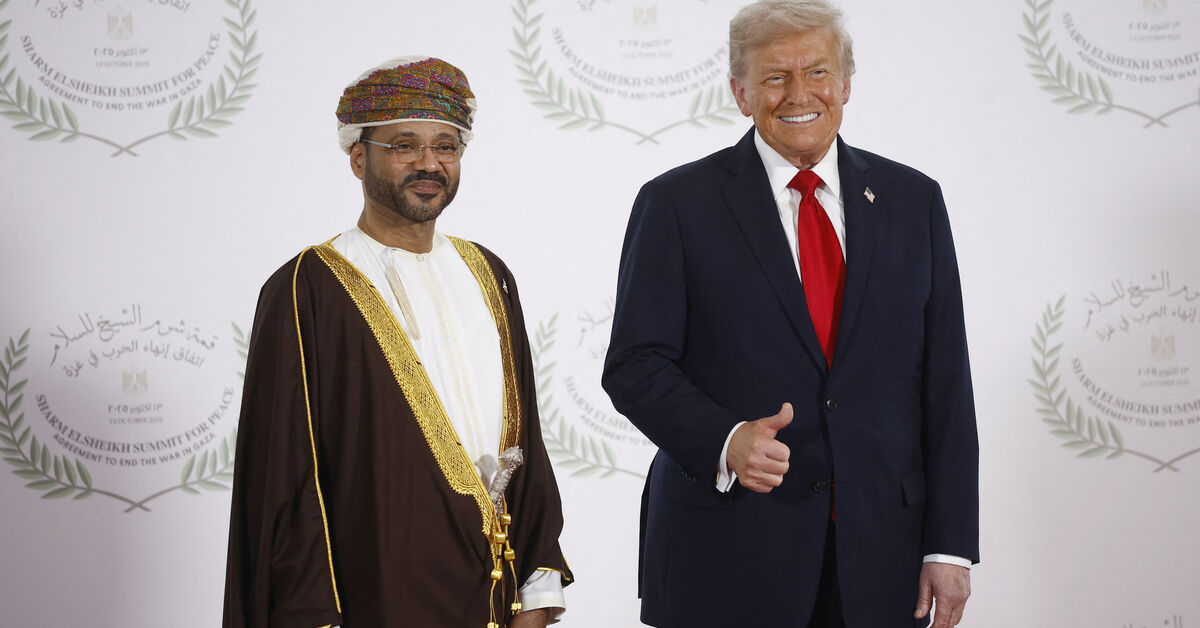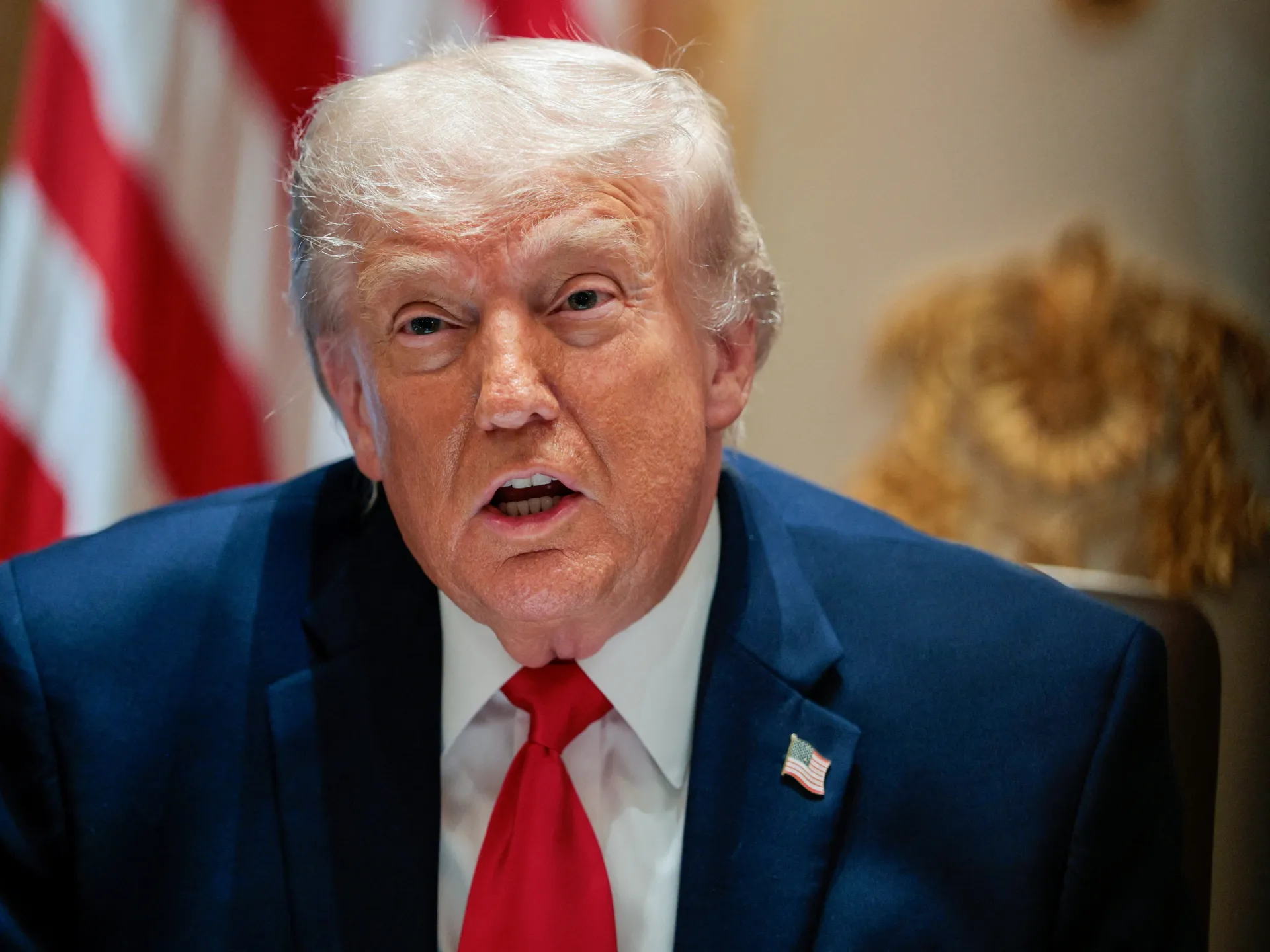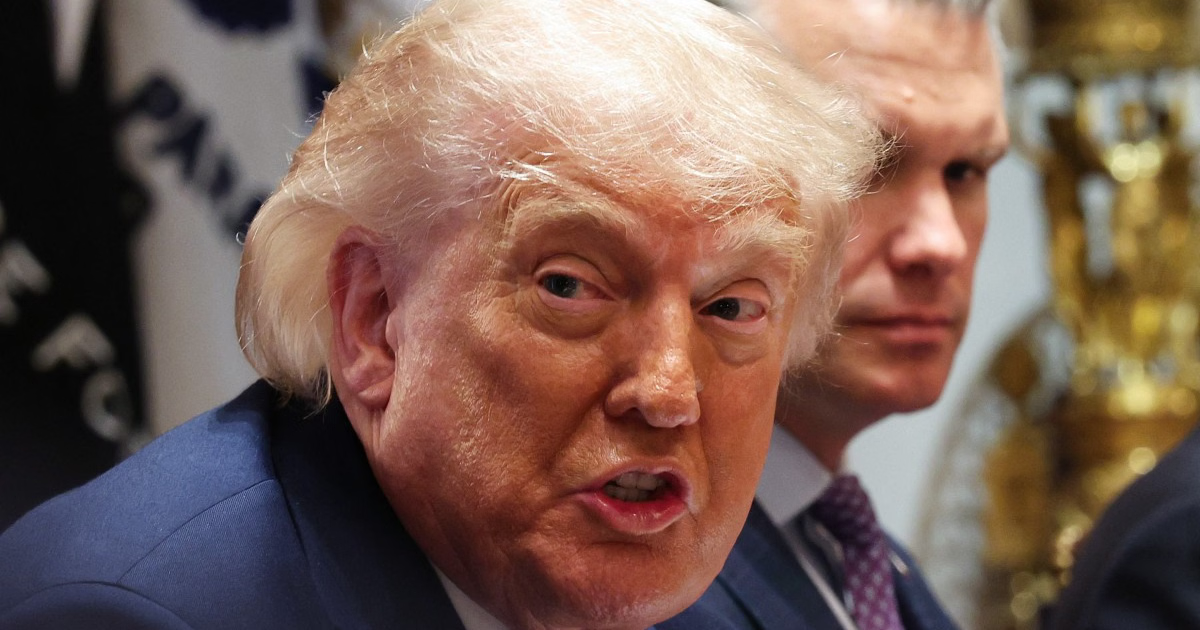
Analysts warn repeated brinkmanship risks destabilising volatile regionsLast updated: May 28, 2026 | 15:023 MIN READPresident Donald Trump speaks as U.S. Secretary of War Pete Hegseth listens during a Cabinet meeting in the Cabinet Room of the White House on May 27, 2026 in Washington, DC. Trump meets with his Cabinet days after saying a peace deal with Iran was “largely negotiated” amid expectations around the re-opening the Strait of Hormuz.AFPWhile there was initial speculation that Trump may have misspoken and meant Iran rather than Oman, the US State Department later shared the remarks on social media along with an official transcript explicitly referring to the Arab country.The comment added Oman to a growing list of countries that Trump has either threatened with military action, openly discussed targeting, or ordered strikes against during his two terms in office — a pattern that analysts say reflects an increasingly aggressive and unpredictable style of diplomacy.The comment was particularly striking because Oman has traditionally served as a quiet regional mediator between Washington and Tehran and has often played a backchannel role during periods of Gulf tension.Oman appears to be at least the 15th country that Trump has either threatened with military action, openly discussed targeting, or ordered strikes against during his two terms as president. Most of those incidents have occurred during the first 16 months of his second term, though some date back to his first administration.Countries where US military strikes were carried outIran, Iraq, Syria, Yemen, Somalia (counterterrorism strikes), Nigeria (airstrikes linked to anti-terror operations) and Venezuela (military operations linked to anti-narcotics missions)Countries publicly threatened or discussed as possible targetsOman, Canada, Mexico, Panama, Cuba, Denmark (through Greenland remarks, Colombia and North KoreaTrump’s rhetoric in recent months has stretched far beyond Iran, extending to countries across the Middle East, Latin America and North America as tensions over the Strait of Hormuz, migration, drug trafficking and geopolitical influence intensify.A recent CNN analysis identified Oman as the latest country added to a growing list of nations Trump has either threatened or targeted during his presidency.The US president has already ordered or authorised military operations in several countries during his presidency, including Iran, Iraq, Syria, Yemen, Somalia and Venezuela, while repeatedly warning that further strikes remain possible if US demands are not met.He has also publicly threatened or floated the possibility of military action involving countries including Mexico, Panama, Cuba, Canada and Denmark through his remarks about Greenland.'Madman theory'The incidents vary significantly in scale — ranging from counterterrorism strikes and naval operations to rhetorical threats and comments where Trump declined to rule out military action. But together, analysts say, they reveal a president increasingly comfortable using the language of force as a negotiating tool.Some foreign policy experts have compared Trump’s approach to the “madman theory” associated with former US President Richard Nixon — a strategy based on projecting unpredictability to pressure adversaries into concessions.International relations scholar Roseanne McManus has argued that such tactics can sometimes create bargaining leverage but also risk becoming counterproductive if threats are overused or begin to appear routine.Other analysts warn that repeated brinkmanship can heighten instability and increase the risk of miscalculation, particularly in volatile regions such as the Gulf.Neutral mediatorThe Oman remark came amid continued tensions surrounding the Strait of Hormuz, the world’s most important oil shipping chokepoint, after reports that Tehran had explored mechanisms for greater control over shipping movements alongside regional partners.Muscat has long maintained ties with both Washington and Tehran, often positioning itself as a neutral mediator during periods of confrontation. Oman played key roles in earlier US-Iran backchannel diplomacy and has frequently served as a communications bridge during regional crises.That made Trump’s warning especially unusual, analysts said, because it appeared directed not at a traditional adversary but at a Gulf state historically viewed as one of Washington’s quieter diplomatic partners.The remarks also underscored how widening tensions around Iran and Hormuz are increasingly pulling neighbouring countries and mediators into the broader geopolitical confrontation.Whether Trump’s rhetoric reflects negotiating tactics or a broader shift toward coercive diplomacy, analysts say the Oman comment demonstrated how quickly regional diplomacy can become entangled in the high-stakes struggle over security, shipping and influence in the Gulf.A Senior Associate Editor with more than 30 years in the media, Stephen N.R. curates, edits and publishes impactful stories for Gulf News — both in print and online — focusing on Middle East politics, student issues and explainers on global topics.
From Iran to Oman: Trump’s expanding threat rhetoric
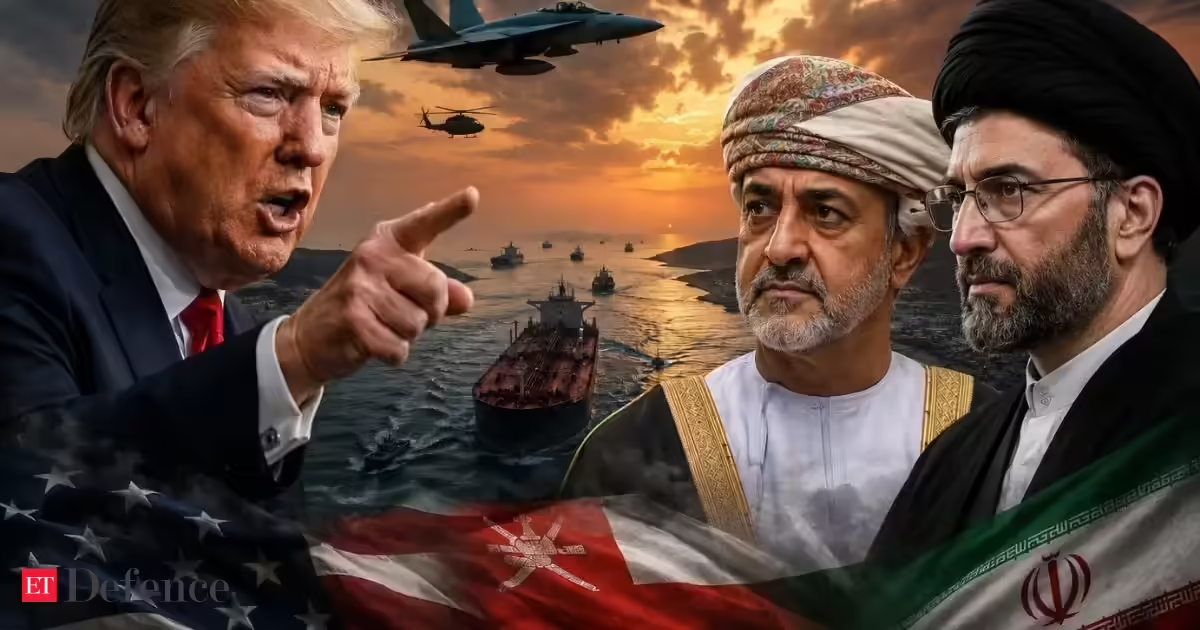
Trump’s threat to Oman marks a sharp shift in US Gulf diplomacy, expanding his hardline rhetoric from Iran to new targets across the Middle East and beyond.
802 words~4 min read