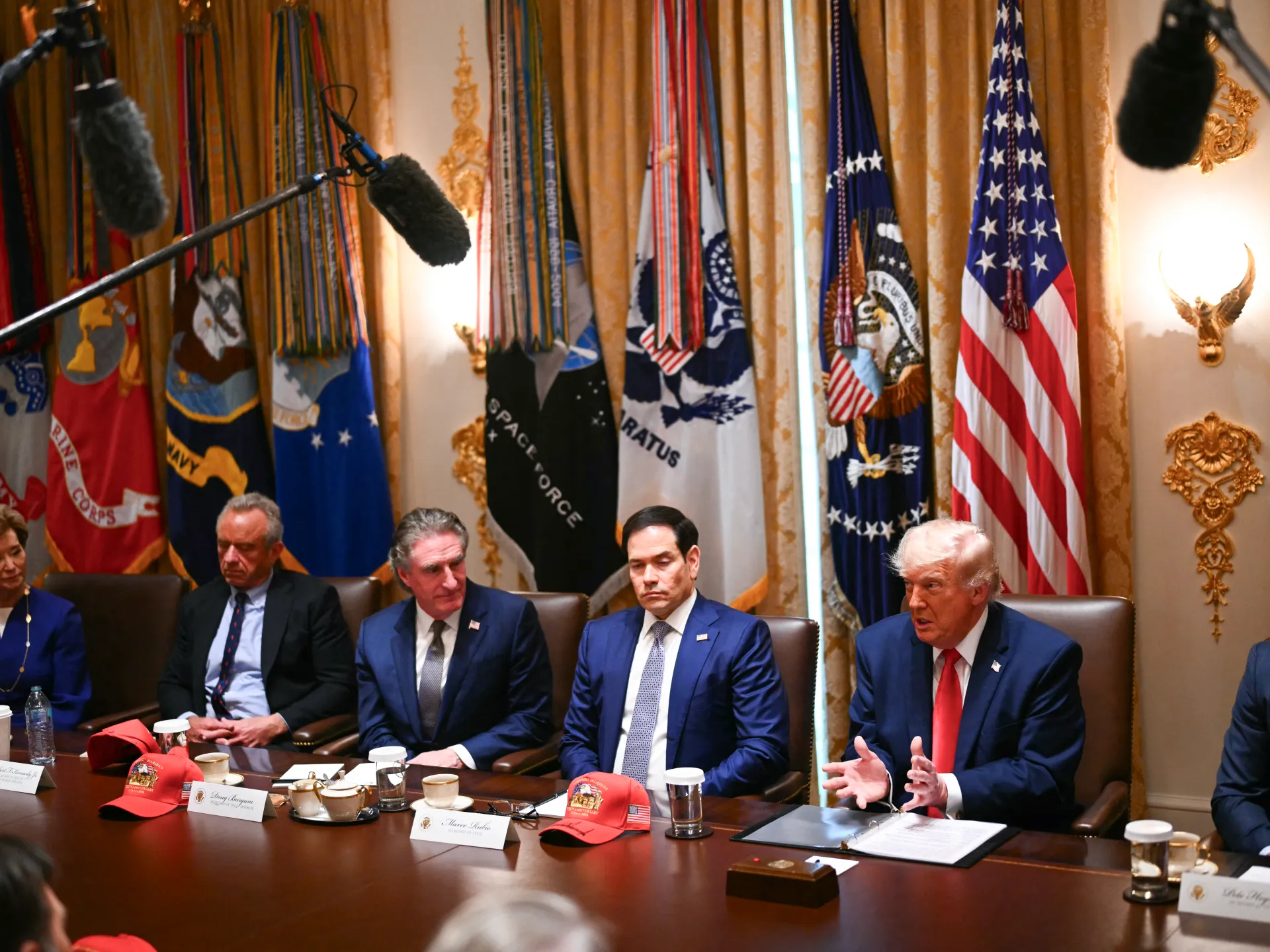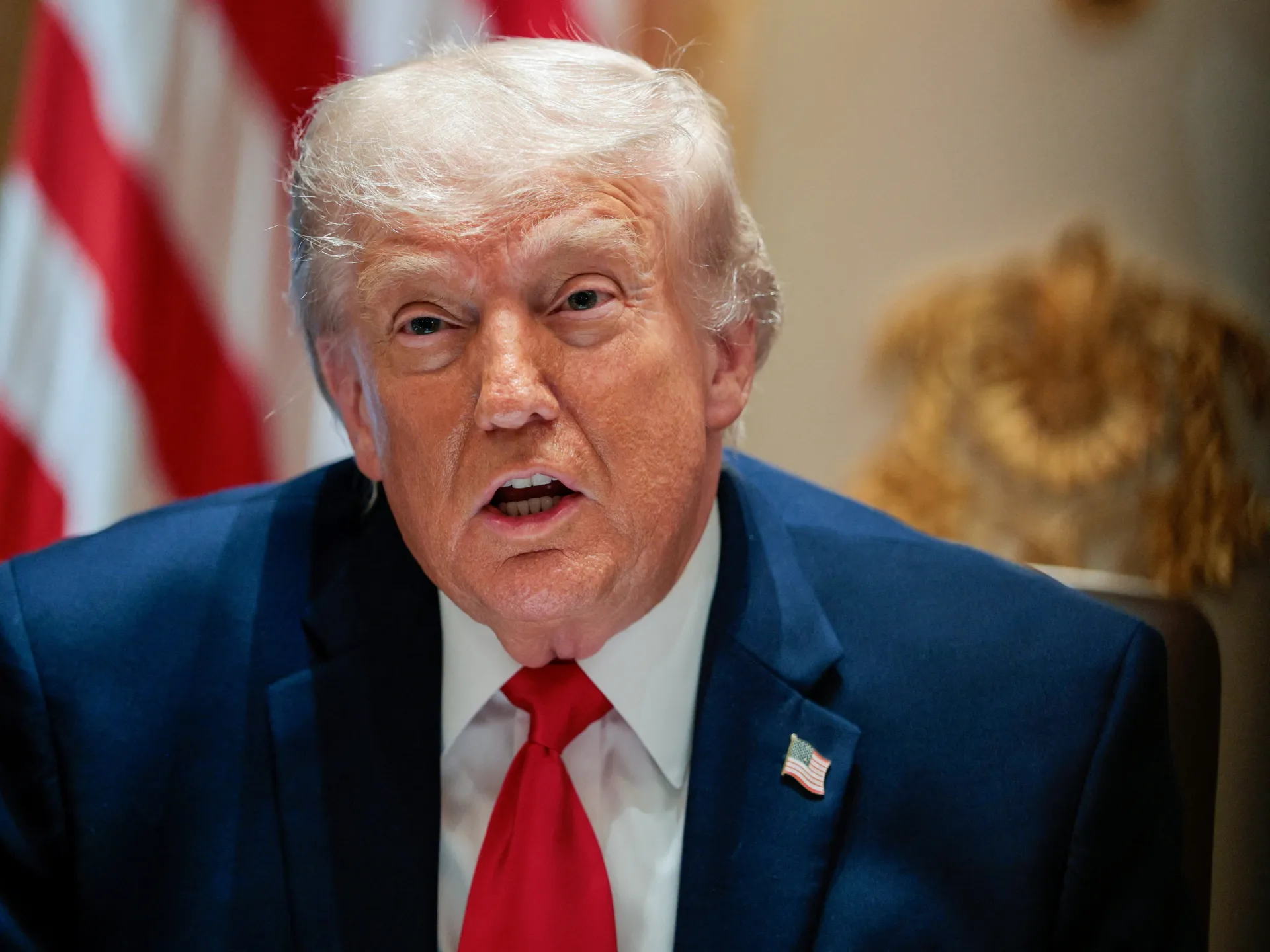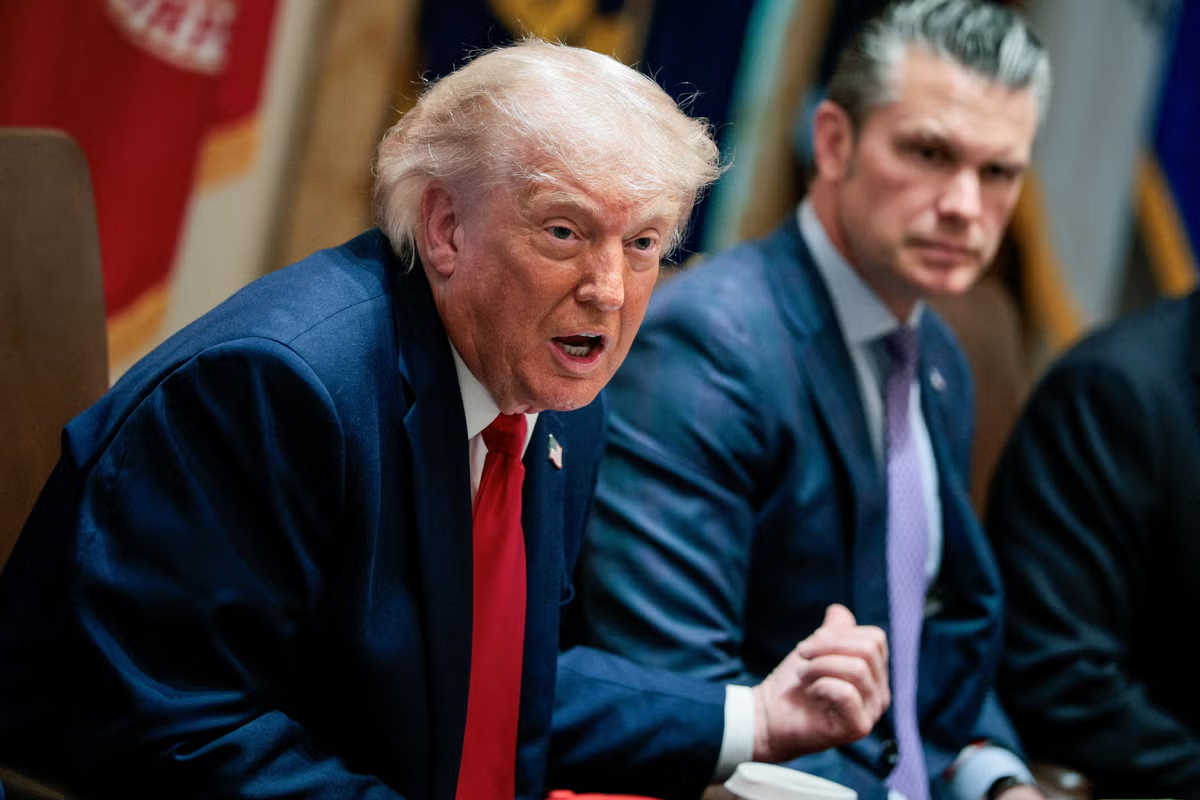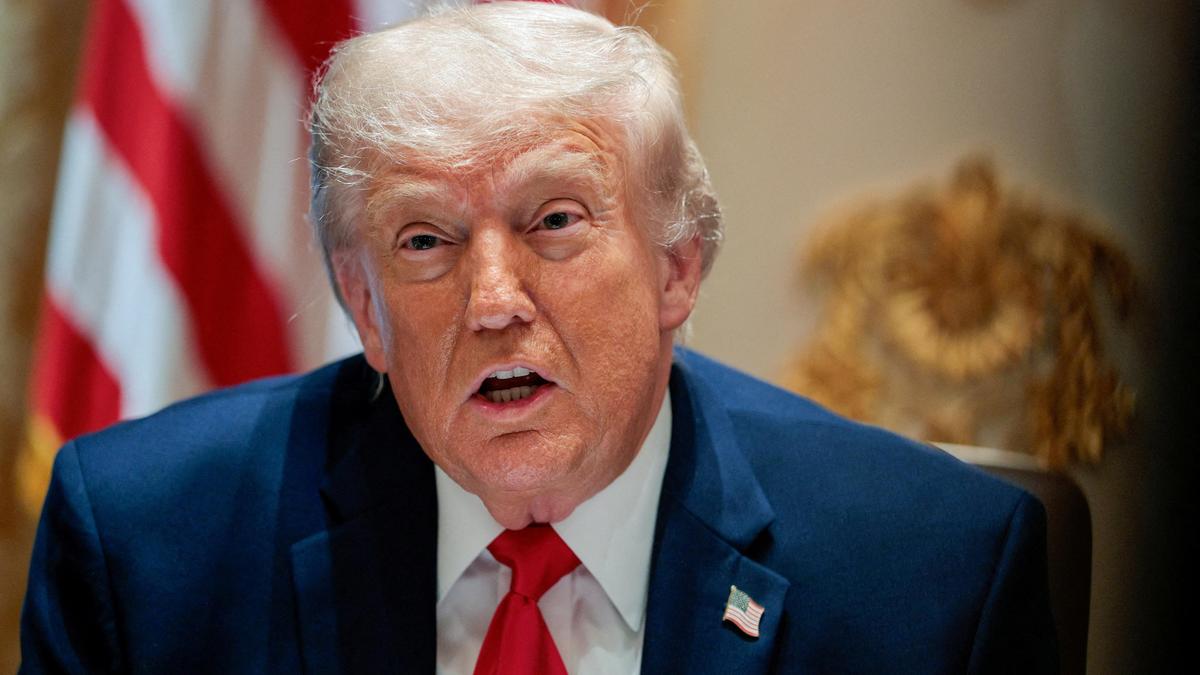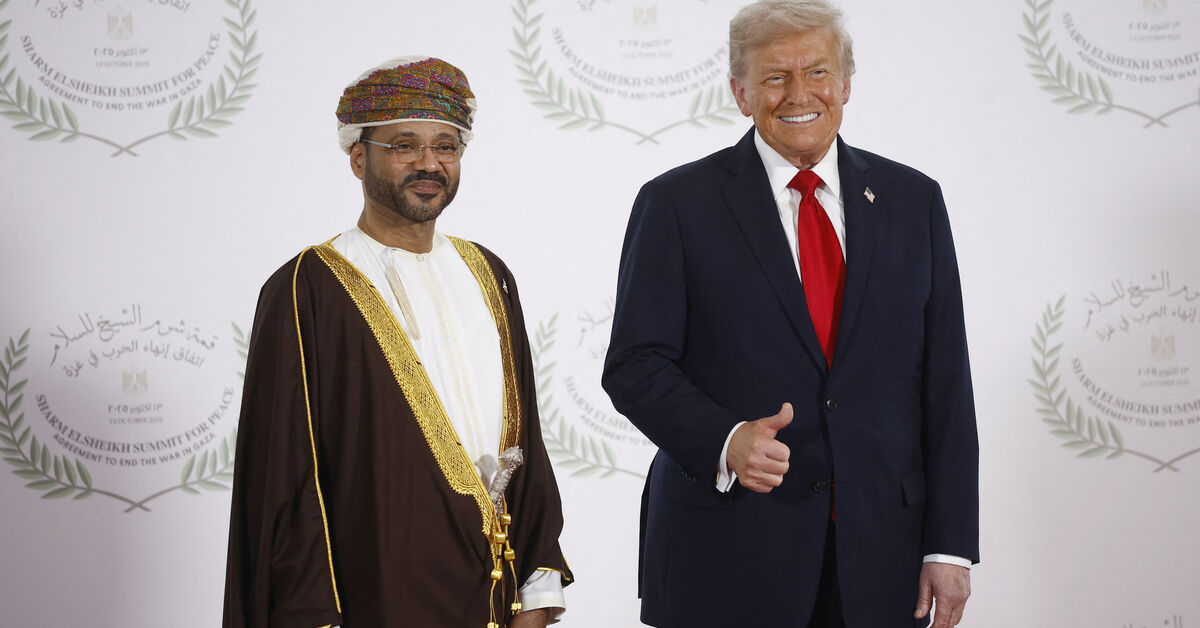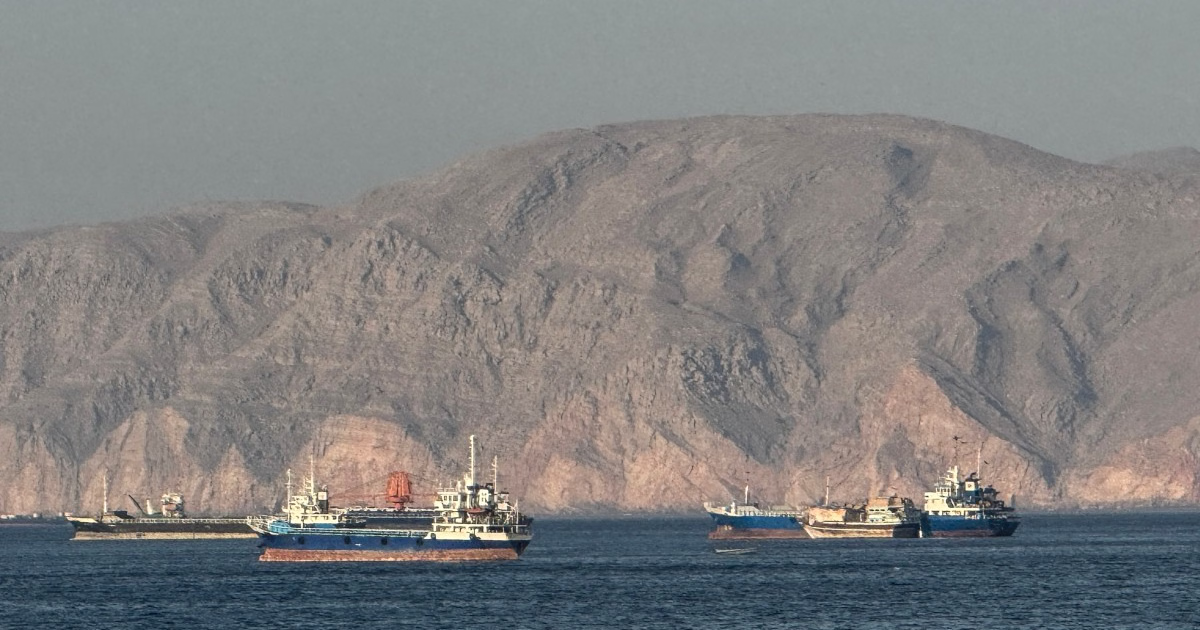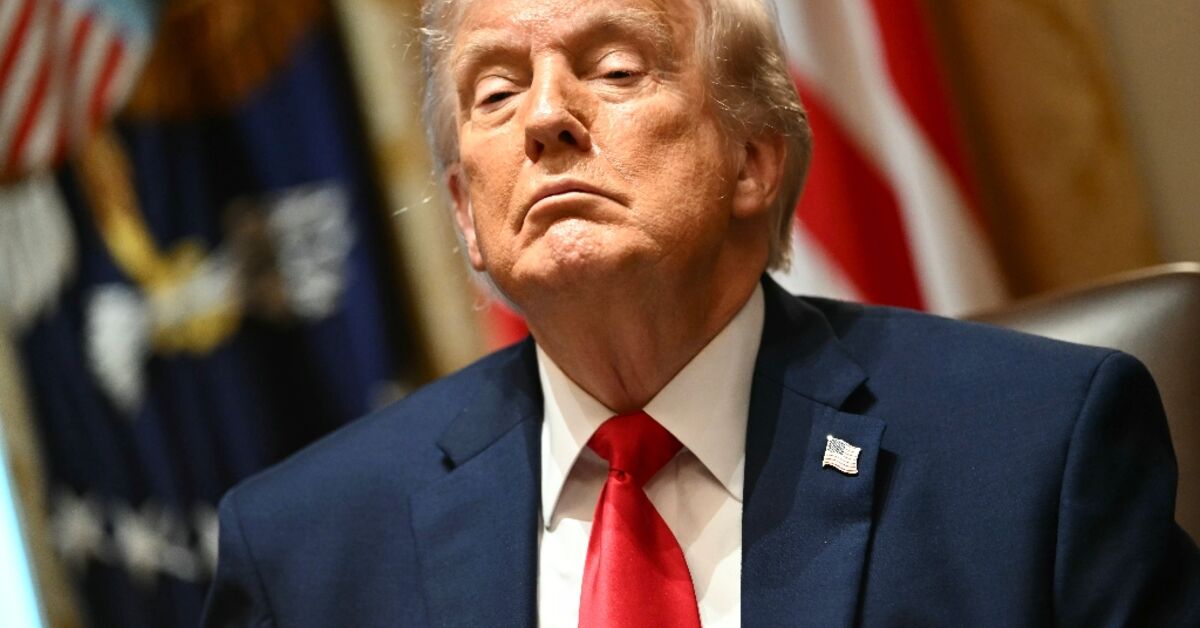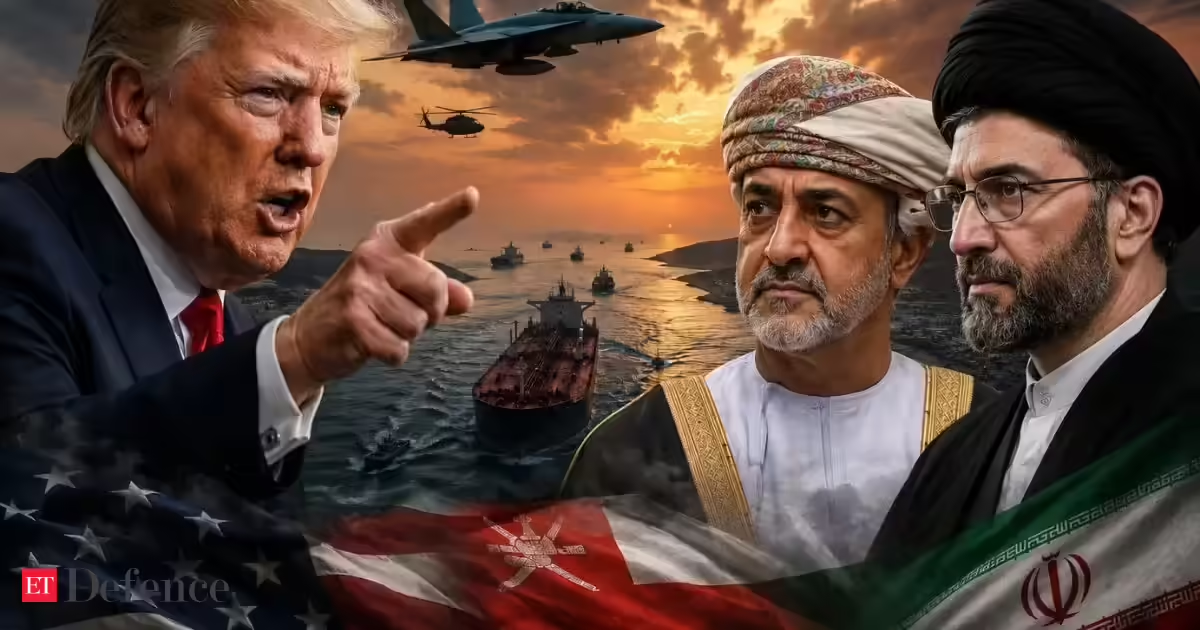
US President Donald Trump’s sudden bombing threat to Oman could signal a stunning breakdown in one of the oldest alliances in the Persian Gulf. Speaking to reporters on Wednesday at a White House Cabinet meeting, Trump dropped a bombshell warning, declaring that Oman must behave like everyone else or face being blown up. “Oman will behave just like everybody else or we’ll have to blow them up,” he told reporters at the White House Cabinet meeting. “They understand that. They’ll be fine.” As some thought it might have been a slip of the tongue when Trump meant Iran, the State Department immediately removed all doubt, posting Trump’s comment on social media to ensure the message was received loud and clear.Trump’s sudden threat may show that he is losing his cool, and possibly also the plot in the Middle East, but it may not be an off-the-cuff remark made out of desperation. The trigger for Trump’s anger was recent reports claiming that Oman has been holding quiet talks with Iran to set up a permanent joint financial system to charge ships passing through the Strait of Hormuz. For Oman, a country that has survived for decades by playing the role of a quiet, neutral middleman between the West and Iran, this high-stakes balancing act has suddenly hit a wall, threatening to pull the peaceful sultanate into the center of a geopolitical firestorm.Also Read: Trump appears to threaten to 'blow up' ally OmanThe Oman-Iran plotAt the heart of the fight is a bitter disagreement over who controls the world’s most important energy corridor, the Strait of Hormuz. Recent reports by Bloomberg and The New York Times revealed that Iranian and Omani officials have been discussing a permanent system to levy charges on passing vessels. In an interview with Bloomberg, Iran’s ambassador to France, Mohammad Amin-Nejad, publicly defended the idea, arguing that securing and managing the waterway costs money and that international shipping companies need to start paying their fair share. Amin-Nejad told Bloomberg that the system would be fully transparent, insisting that those who wish to benefit from the traffic must pay if they want the maritime situation to improve.“Iran and Oman must mobilise all their resources both to provide security services and to manage navigation in the most appropriate manner,” Amin-Nejad said in an interview with Bloomberg in Paris last week. “This will entail costs, and it goes without saying that those who wish to benefit from this traffic must also pay their share,” he said in Farsi through an interpreter, adding that the system would be transparent. “And if today there is any desire for the situation to improve, a solution must be found to tackle the root of the problem.”Iranian officials are trying to frame these payments as legal service fees rather than illegal transit tolls, but the US sees through the wording, viewing the entire plan as a thinly veiled protection racket. Critics quoted in media have compared the proposed fee structure to protection money, warning that it creates a legal grey area to bypass international maritime law.Also Read: US warns ties with Iran’s Strait of Hormuz authority may bring sanctions for 'anyone' involvedUnder the UN Convention on the Law of the Sea (UNCLOS), charging a direct toll just to sail through an international strait is illegal. By rebranding the toll as a navigation support service fee, Iran and Oman hope to exploit a loophole, a move that the Trump administration has rejected. Trump made his stance clear to reporters, stating that the strait is international waters, nobody is going to control it, and the US will ensure it remains free of tolls.A trusted middleman steps across the lineThis controversy has upended Oman’s reputation as a diplomatic referee in the Middle East. For years, Oman stayed out of regional disputes, refusing to join the US-backed Abraham Accords and instead focusing on hosting secret backchannel peace talks. In fact, Oman was working behind the scenes to help broker an end to the recent war between the US and Iran, serving as a trusted intermediary when direct communication was impossible. But according to inside sources reported by the NYT, while Oman initially rejected Iran’s proposal to monetise the strait, it eventually grew tempted by the potential financial windfall and began warming to the idea. Oman even agreed to pitch the plan to other Gulf neighbours and the West, believing it could act as a stable regulatory framework for the region.For the US, this appears to be a step too far. By entertaining a partnership with Iran, Oman effectively signalled that it was willing to help legitimise Iranian influence over global trade, while straining its alignment with the West in exchange for a share of the profits. The shift in Oman’s position has blindsided the US, which has long relied on the sultanate to cool regional tensions rather than intensify them. By attempting to monetise the chokepoint, Oman has moved from neutral mediator to an active participant in an economic leverage game, forcing the Trump administration to reconsider the boundaries of its patience with long-standing allies.Post-war leverage and regional panicThe timing of these secret Oman-Iran talks could not be worse. Although Pakistan managed to broker a shaky ceasefire on April 8, the warring sides remain far apart and have both expressed readiness to resume hostilities at any moment. In a latest development, Iran claims it has hit a US military base in Kuwait in retaliation for American strikes near the Iranian port of Bandar Abbas.Iran has used the controlled chaos of the ceasefire to tighten its grip on the strait, creating a new body called the Persian Gulf Strait Authority. It has been pressuring maritime traffic, selectively allowing Chinese ships through under coordination of the Islamic Revolutionary Guard Corps (IRGC) navy, while demanding payments of up to $2 million from other vessels for safe passage.While Iran claims that dozens of tankers are still transiting safely with military help, most shipping companies are avoiding the immense risk of missile strikes, drone attacks and sea mines, and are refusing to enter the strait until a final peace deal is signed.The US is wary that if Oman helps Iran institutionalise these wartime rules into a permanent toll system, temporary economic extortion could become a permanent geopolitical reality. Iran has signalled that it intends to maintain control of the strait even after the war ends, both as a deterrent against future US-Israeli attacks and as a mechanism to generate revenue for its war-ravaged economy. Other Gulf neighbours are equally alarmed. Bloomberg highlighted the warnings of Sultan Al Jaber, head of the United Arab Emirates’ main oil company, who said a dangerous precedent is being set. Al Jaber warned that if the international community accepts that a single country can hold the world’s most important waterway hostage, freedom of navigation as we know it is finished, and the world will spend the next decade dealing with the consequences.America draws a red lineBy threatening to blow up a long-standing ally, the US president is sending an unmistakable message to the entire region that the US position is non-negotiable — the Strait of Hormuz belongs to the international community, and the US military will ensure it remains open to everyone, free of regional taxes, maritime authorities or political pressure.Trump’s harsh rhetoric signals to Oman that its role as a neutral mediator cannot extend into arrangements that benefit Iran. The US is making it clear that any final peace deal to end the current war will strip Iran of its ability to dictate terms to global shipping, rejecting even previous compromises floated by Trump, such as a US-Iran joint venture for the strait.Trump appears to have been cornered by joint Oman-Iran plans that would avoid direct violations of international maritime law while still formalising control over Hormuz. His struggle increasingly appears to be about restoring the status quo ante in Hormuz, a shift from earlier rhetoric about bringing Iran to heel. Oman’s secret talks with Iran may signal that it believes the US has limited leverage left to respond, which is what has escalated Trump’s threat against a long-standing partner.
A shadowy Oman-Iran plot provoked Trump’s “blow ’em up” threat
US President Donald Trump has sent a stark message to the Sultanate of Oman, warning of potential military repercussions should it move forward with its financial alliance with Iran aimed at taxing ships in the crucial Strait of Hormuz. This development raises serious questions about Oman's historical position as a neutral facilitator in Middle Eastern conflicts.
1,351 words~6 min read