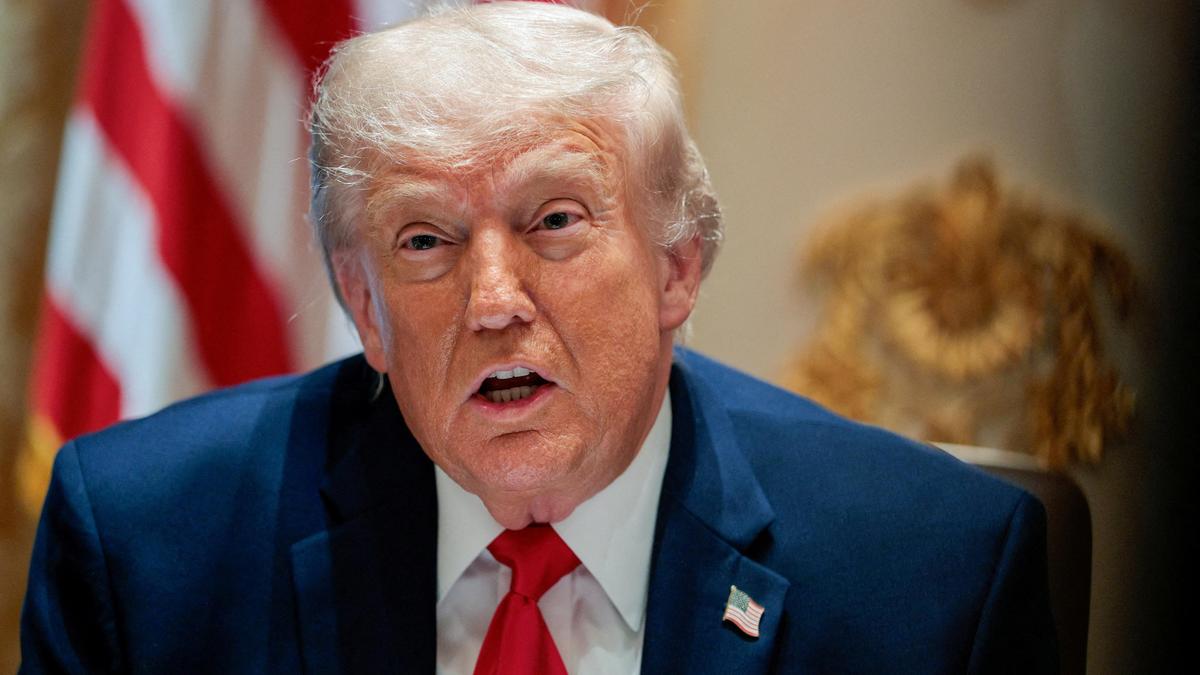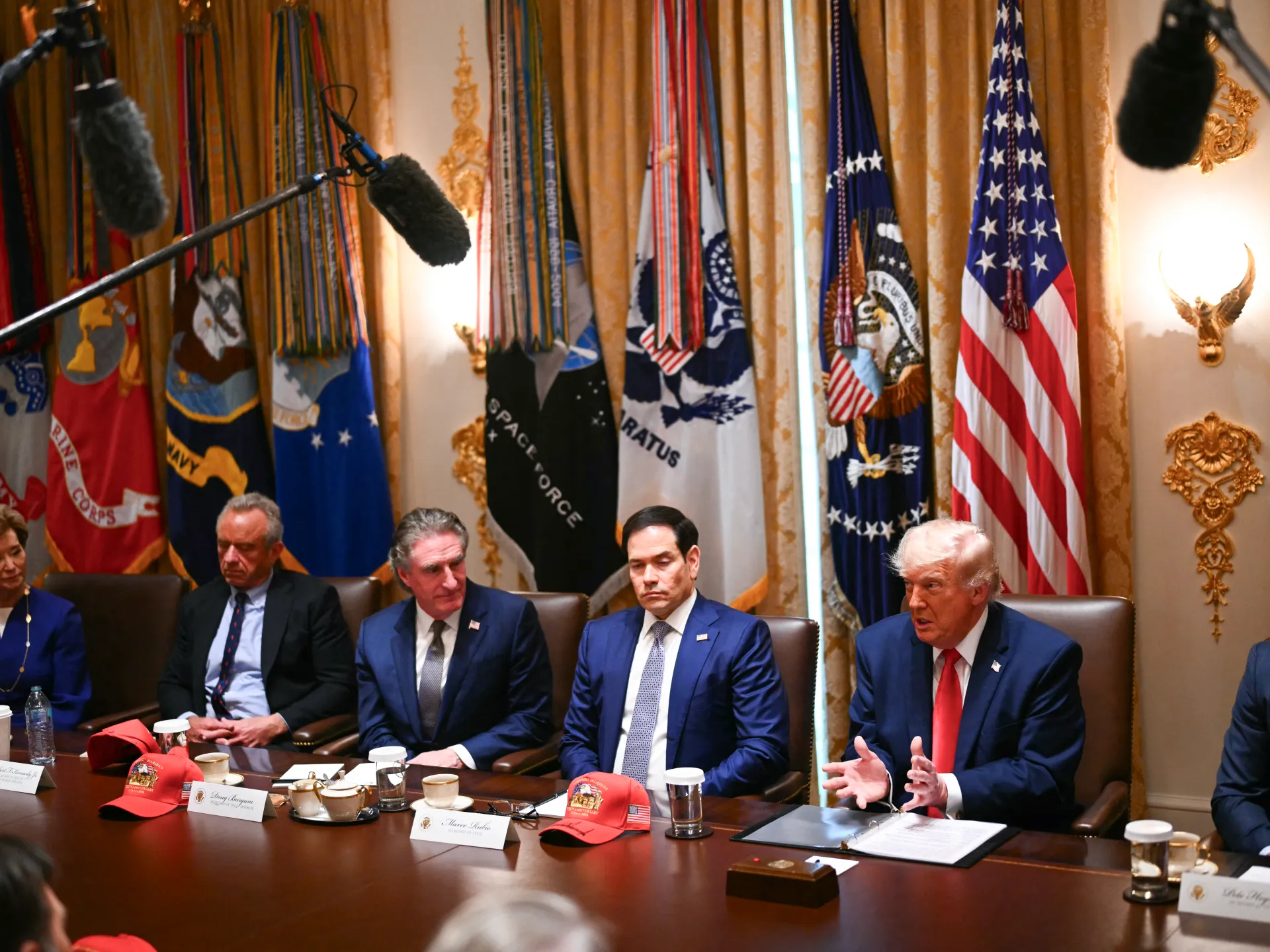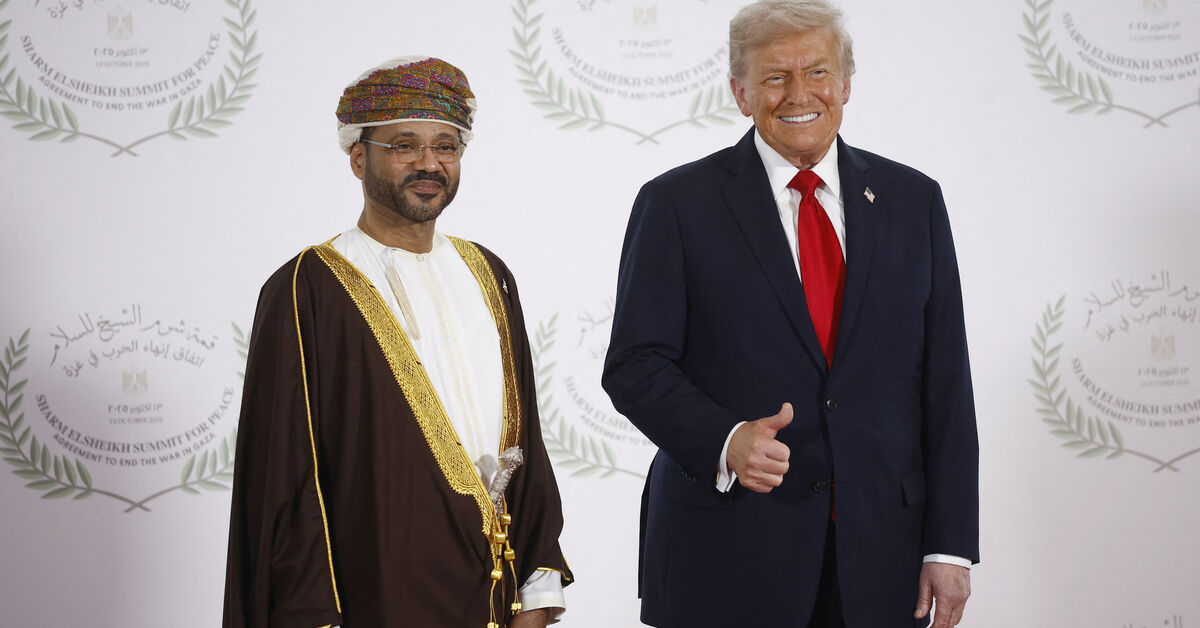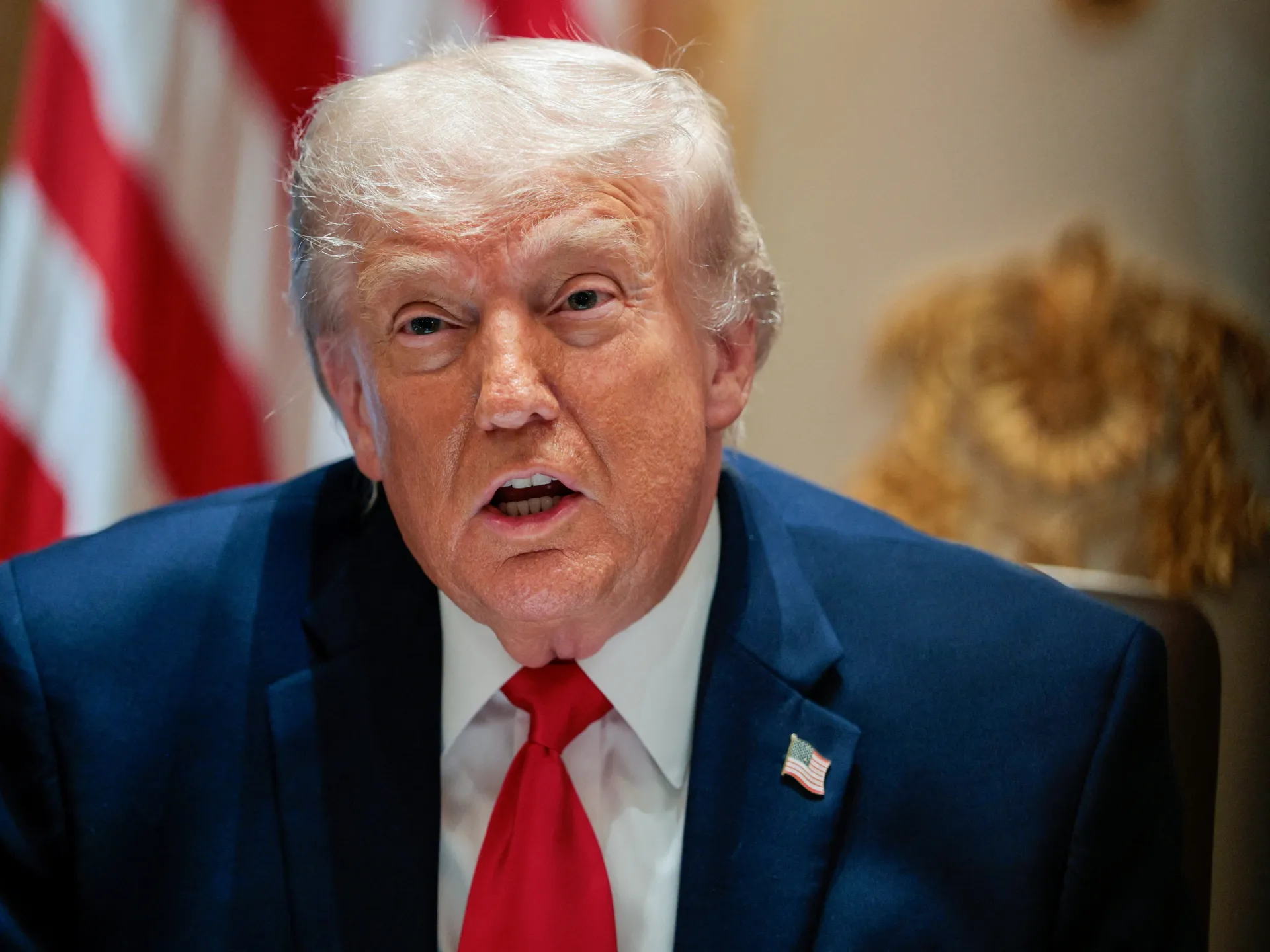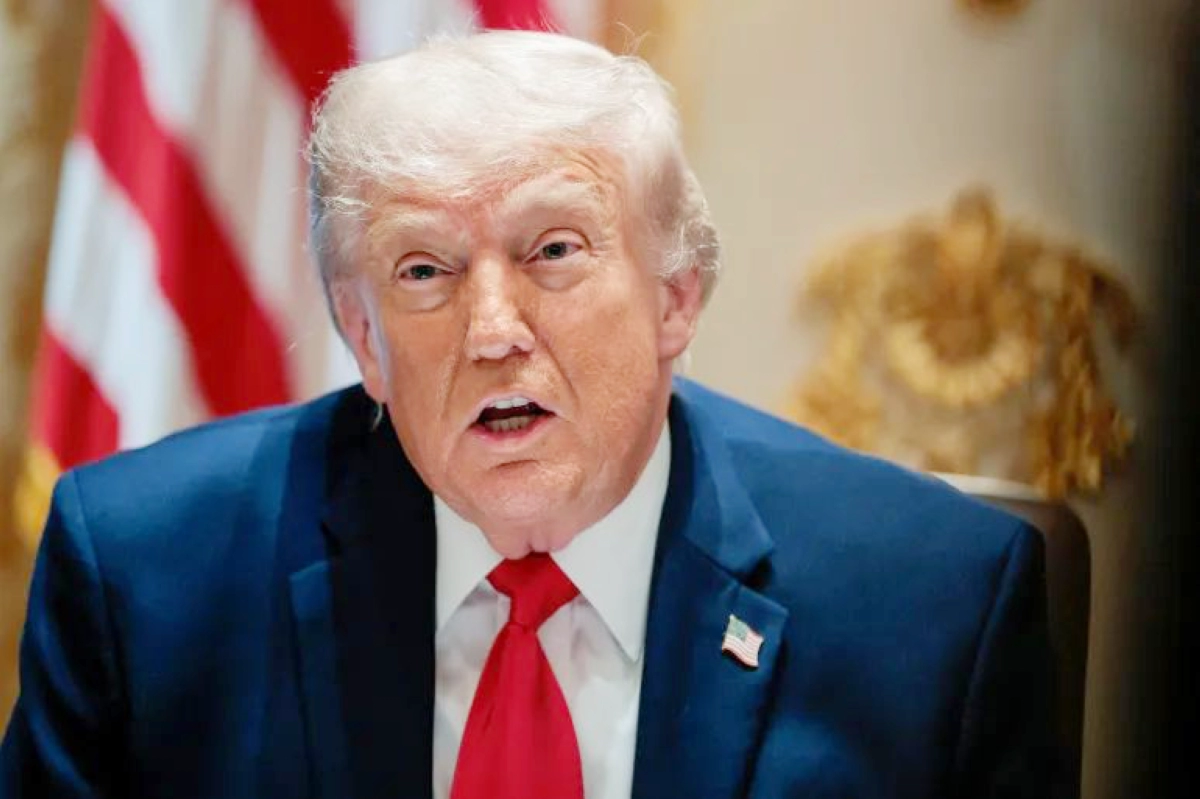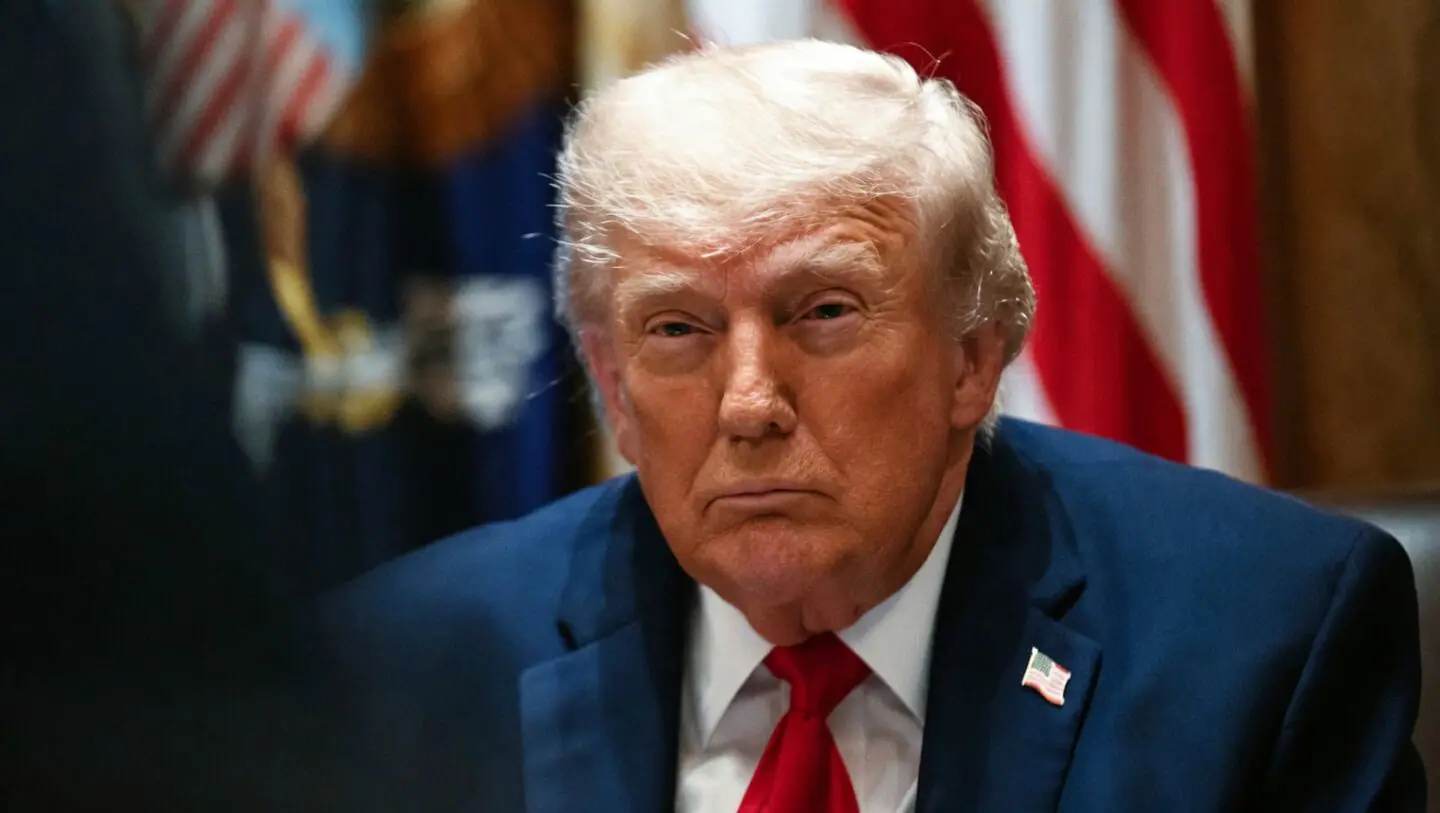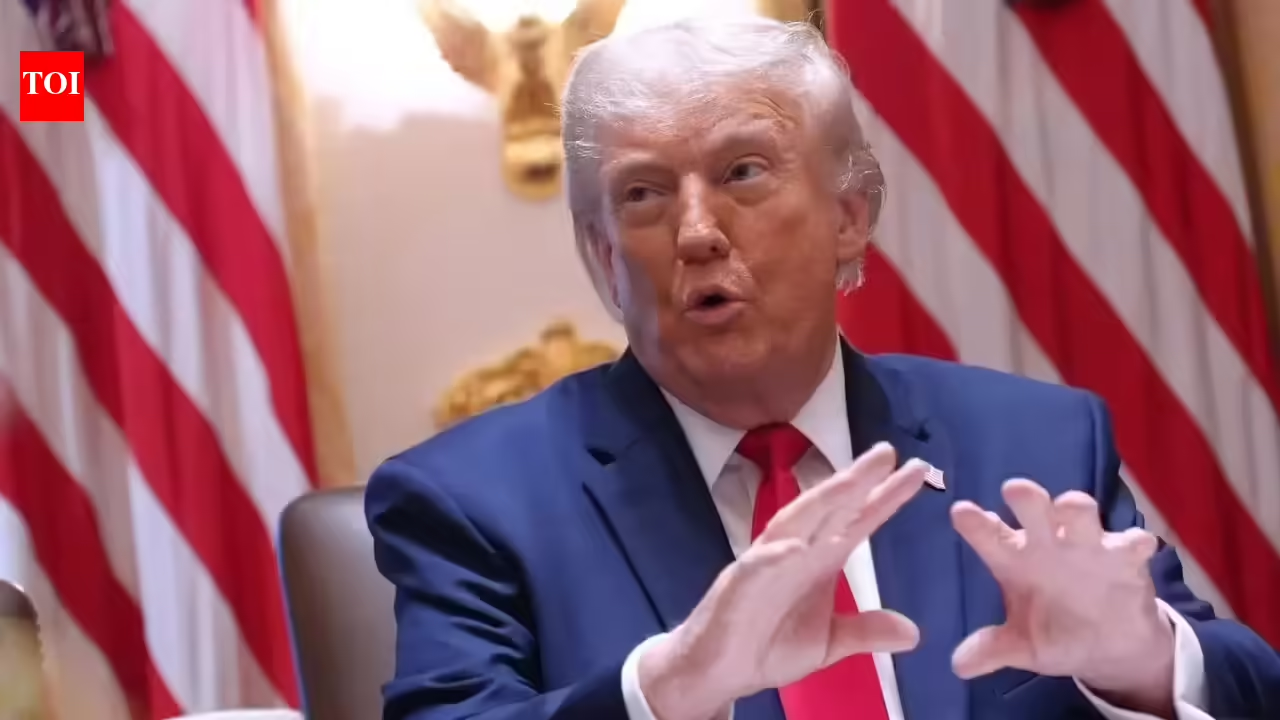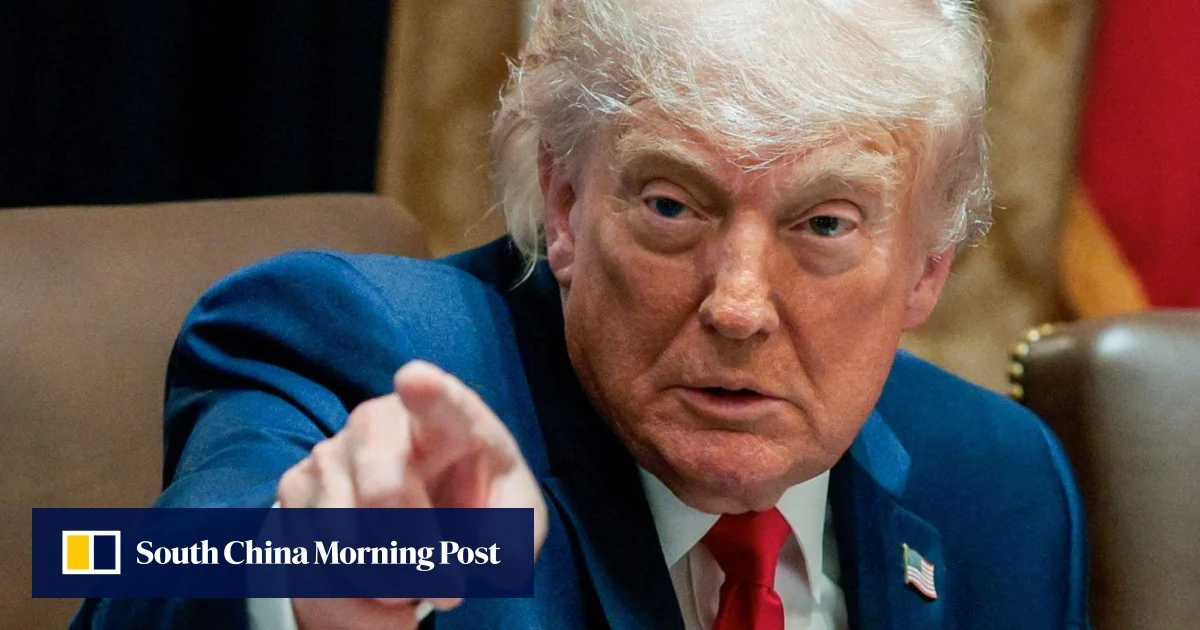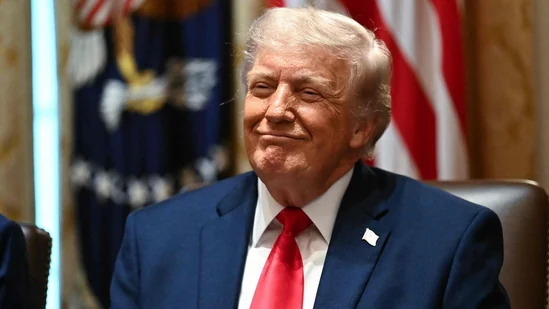
The United States is growing increasingly frustrated with Oman over its reported discussions with Iran about jointly controlling the Strait of Hormuz and President Donald Trump is not holding back.Trump issued a sharp warning to Oman as the US opposed reported Iran-Oman discussions. (AFP)When asked at a press conference today whether he would accept a short-term deal allowing Iran and Oman to control the strait, Trump was blunt. "It's going to be open to everybody," he said.When a reporter pressed him on who would control it, Trump replied: “Nobody. We'll watch over it. Oman will behave just like everyone else, or we'll have to blow them up.”What did Trump say about the Iran deal and the Strait of Hormuz?According to CNBC, Trump said an agreement between the United States, Iran and other countries had been “largely negotiated” and details would be announced soon.“An Agreement has been largely negotiated, subject to finalization between the United States of America, the Islamic Republic of Iran, and the various other Countries,” Trump wrote on social media.Trump also said the discussions included reopening the Strait of Hormuz.However, Iranian officials appeared to dispute parts of Trump’s claims. Iran’s Fars news agency reported that the Strait of Hormuz would remain under Iran’s management under the latest exchanged draft between Tehran and Washington. Reuters also reported that a senior Iranian source denied any agreement to hand over Iran’s highly enriched uranium stockpile.Also Read: Mackenzie Shirilla’s chilling accusation against boyfriend surfaces after fatal crash: ‘You tried to kill me’What Iran and Oman are actually planningAccording to the New York Times, Iran has been in discussions with Oman about setting up a system to charge fees for vessels passing through the Strait of Hormuz, a move the Trump administration has rejected. The talks between the two countries were first reported by Bloomberg News.Iran's newly created Persian Gulf Strait Authority stated on social media that it had defined the boundaries of its management supervision area over the strait and that passage would require a permit from the authority.Oman had first rejected the idea of partnering with Iran over the Strait of Hormuz but according to two Iranian officials familiar with the talks, Muscat is now discussing taking a share of the revenue from the proposed system. The officials said Oman told Iran it was ready to use its influence with Gulf countries such as Bahrain, Kuwait, Qatar, Saudi Arabia and the UAE as well as with the United States, to support the plan after seeing the possible economic benefits.Iran and Oman are also being careful to describe the system as involving "fees" instead of “tolls,” because the difference is important under international law. A system that simply charges ships money to pass through the waterway would be illegal. But charging fees for services provided to ships is allowed in some situations.Also Read: Trump's Walter Reed visit: Will his health check-up update be made public? What we know so farWhy is the US opposing the idea?Trump and senior US officials have strongly rejected any attempt to charge ships for passing through the Strait of Hormuz.Speaking earlier this week, Trump said: “We want it free. We don’t want tolls. It’s international. It’s an international waterway.”US Secretary of State Marco Rubio also opposed the idea, saying: “It can’t happen. It would be unacceptable. It would make a diplomatic deal unfeasible if they were to continue to pursue that.”According to the New York Times, international maritime law allows countries to charge reasonable fees for services provided to ships but not simple tolls for passage through international straits.James Kraska, a professor of international maritime law at the US Naval War College, told the NYT that charging for passage while calling it a “fee” would be “almost like the mafia saying you have to pay protection money.”
Trump vs Oman: Why US is threatening Muscat amid Iran, Strait of Hormuz talks
Trump threatened to "blow up" Oman after it entered discussions with Iran over a fee system for ships passing through the Strait of Hormuz.
630 words~3 min read