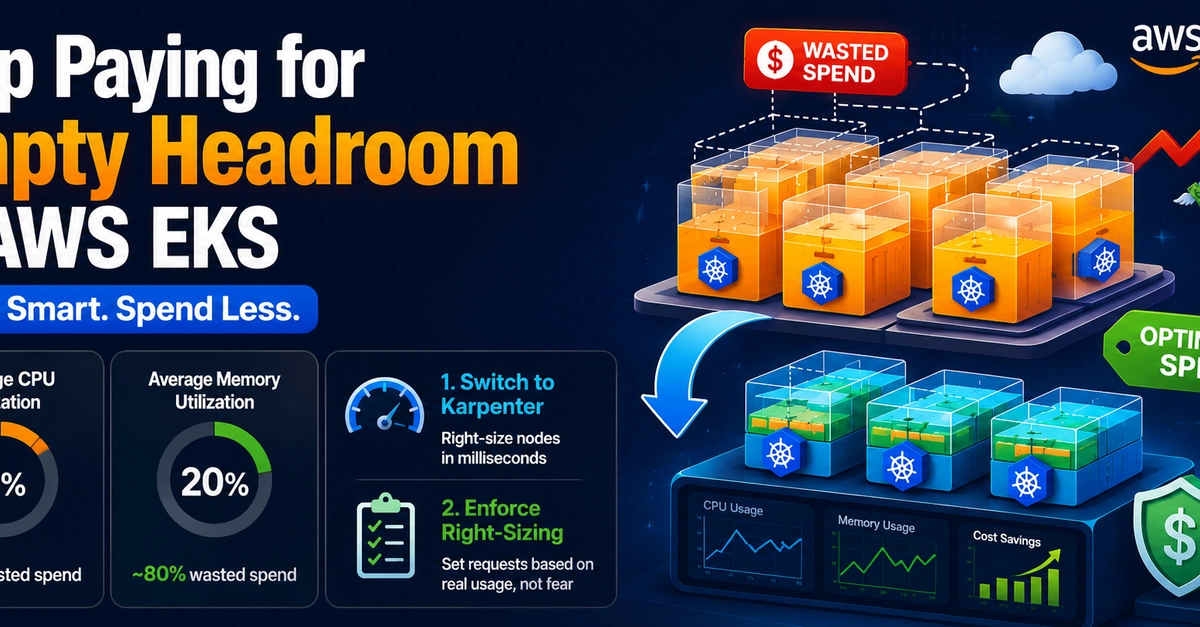
We’ve all experienced the comfort of deploying to AWS EKS—it scales seamlessly, handles failovers, and takes the operational stress out of managing control planes. But that seamless scalability often hides a painful reality: most development teams are aggressively paying for empty headroom.
According to the 2026 State of Kubernetes Optimization Report by CAST AI, average CPU utilization in Kubernetes clusters sits at a jaw-dropping 8%, while memory utilization stalls at 20%. This means roughly 80% of your container spend goes straight toward idle resources that are billed by AWS but never actually touched by your apps.
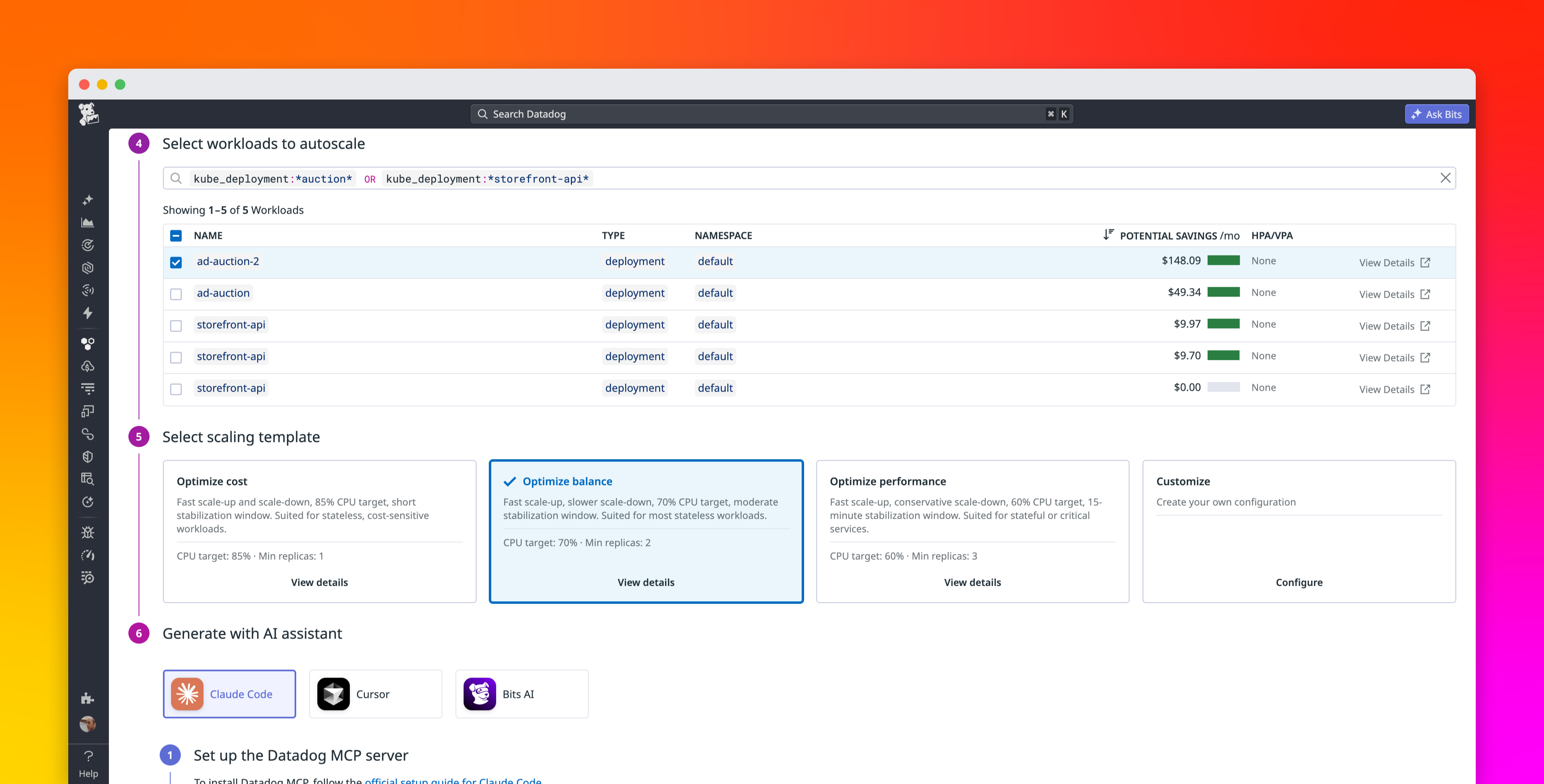
The root cause? Defensive engineering. Developers pad resource requests to prevent Out-Of-Memory (OOM) kills and CPU throttling, forcing the cluster autoscaler to spin up more EC2 nodes than the actual workload requires.
If you want to stop the leak without risking application performance, focus on these two primary architectural levers:
1. Move from Cluster Autoscaler to Karpenter