Kubernetes was never meant to be a budgeting tool.
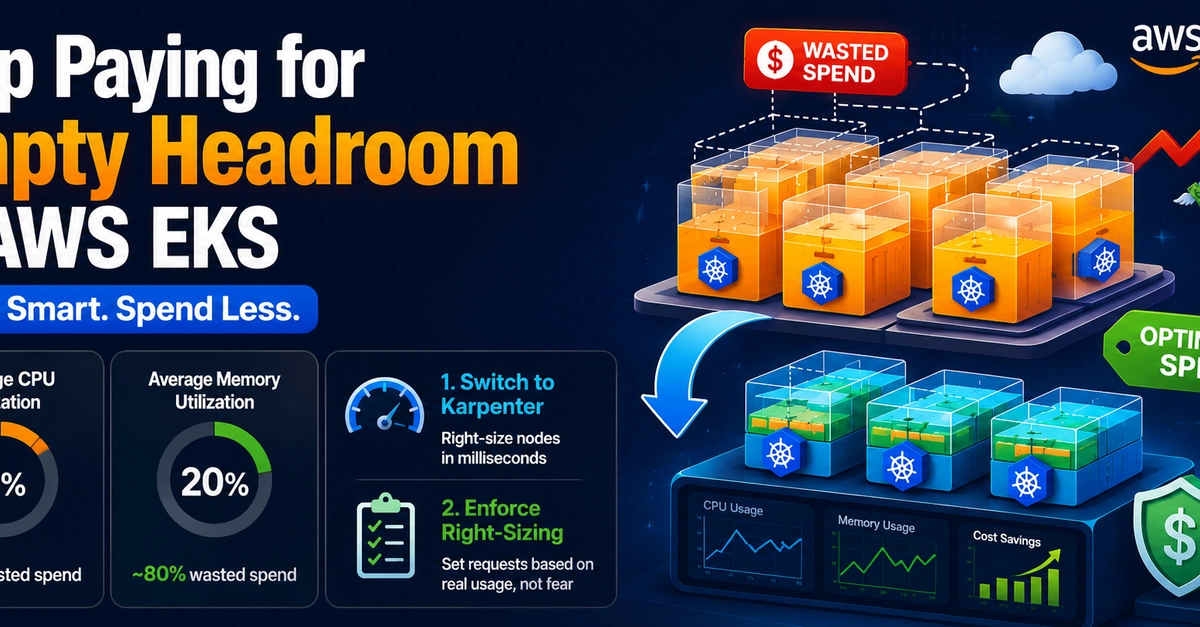
Its original promise was to empower developers to deploy and run containerized applications at scale, abstract away infrastructure complexity, and accelerate innovation. But as adoption grew, so did cloud spending. That opened the door for a wave of cost-optimization and FinOps tools — most of which focused purely on reducing costs.
The problem? Cost savings alone aren’t enough.
Optimizing for cost without considering application performance, developer velocity, or platform reliability can lead to greater long-term inefficiencies. Proper optimization means building a more innovative, more responsive Kubernetes platform — one that is performant, scalable, and cost-effective by design.
Avoid Over-Optimizing Kubernetes Resources