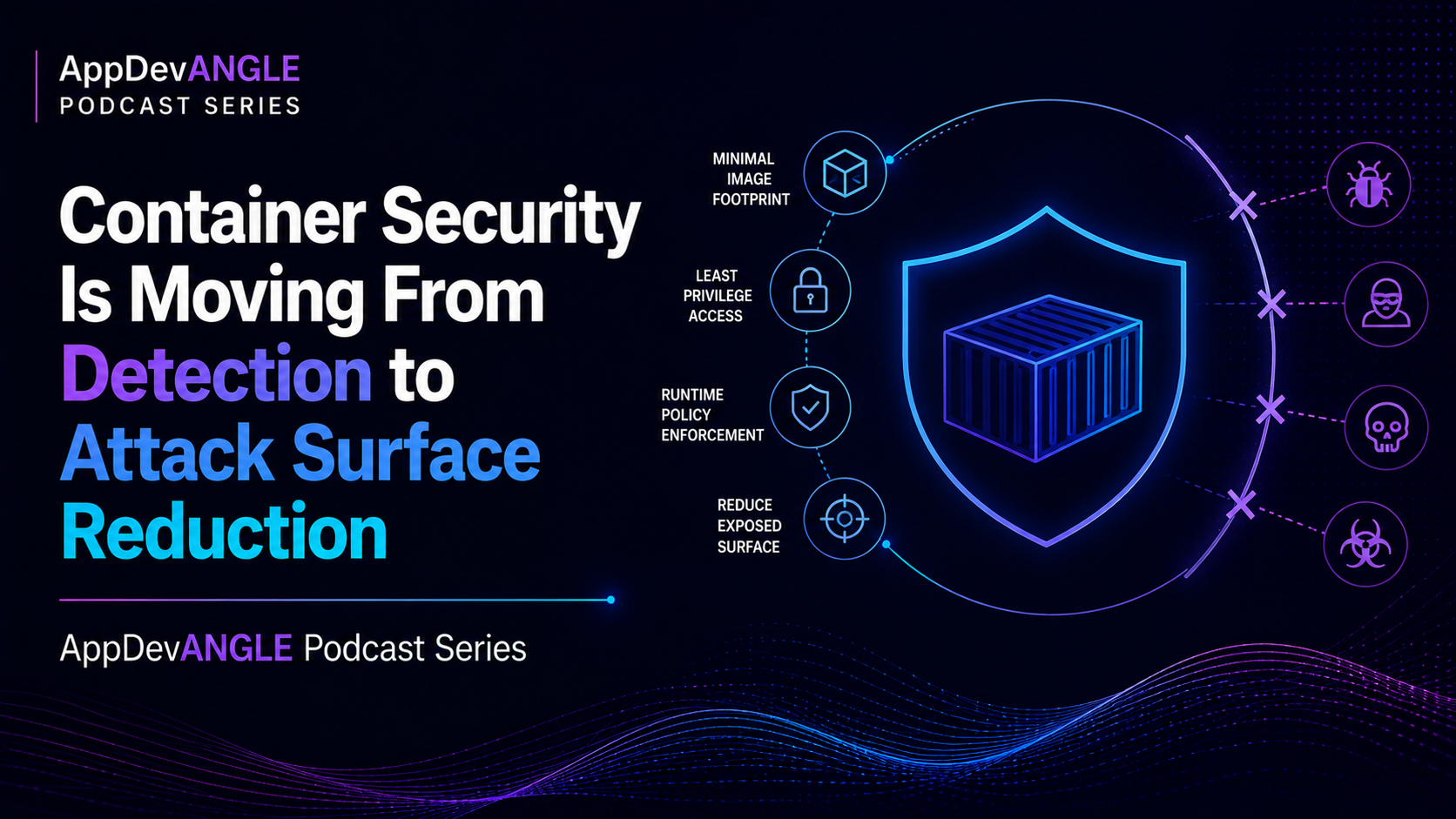
Recent developments — including hardened Linux distributions, live patching for government-grade systems, container image hardening, and hypervisor-level isolation — reflect a broader industry push to meet rising compliance demands without sacrificing uptime.
Specialized live patching services for government-grade Linux distributions, combined with hardened containers and hypervisor-based isolation, demonstrate how open-source security is evolving rapidly in response to the increasing scrutiny of software supply chains, particularly from the U.S. Department of Defense.
On June 5, TuxCare made headlines by extending its KernelCare service for enterprise AlmaLinux editions 9.2 through 9.6, uniquely positioning this distribution as the sole FIPS 140-3 validated distribution capable of years of rebootless patching. This critical enhancement enables organizations, particularly those providing cloud services to U.S. government agencies under FedRAMP, to achieve continuous uptime and meet stringent security requirements without the operational burden of frequent reboots.
Other live patching tools only delay the inevitable reboot. TuxCare’s solution eliminates reboots while offering up to 100% vulnerability coverage in stark contrast to the typical 5-10% patched by alternative solutions.