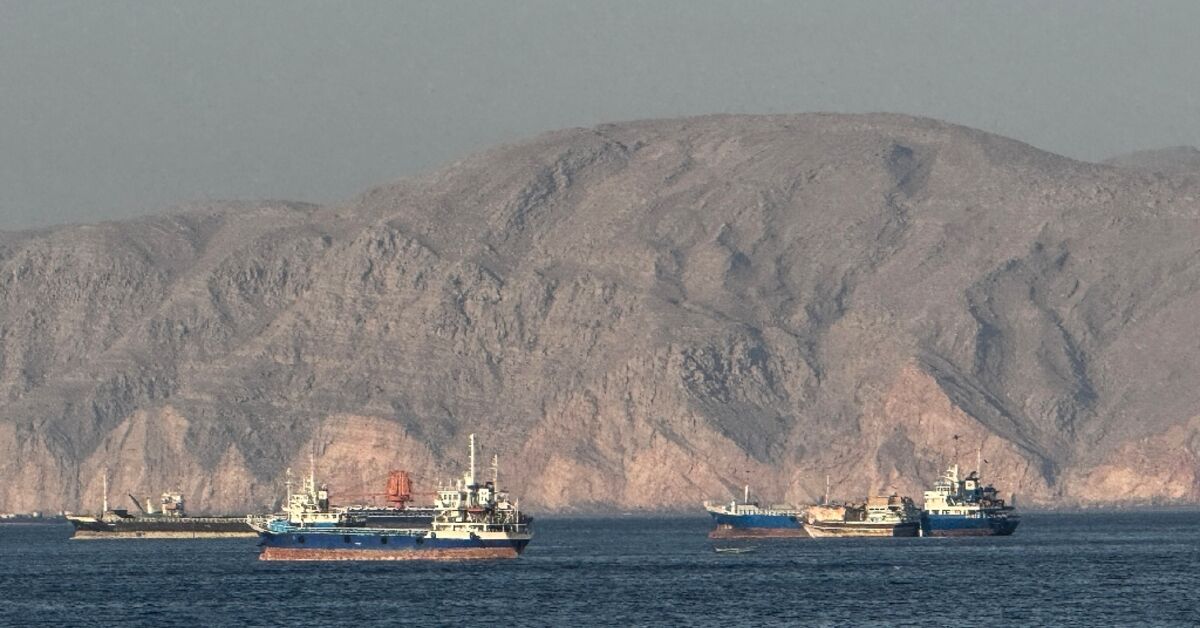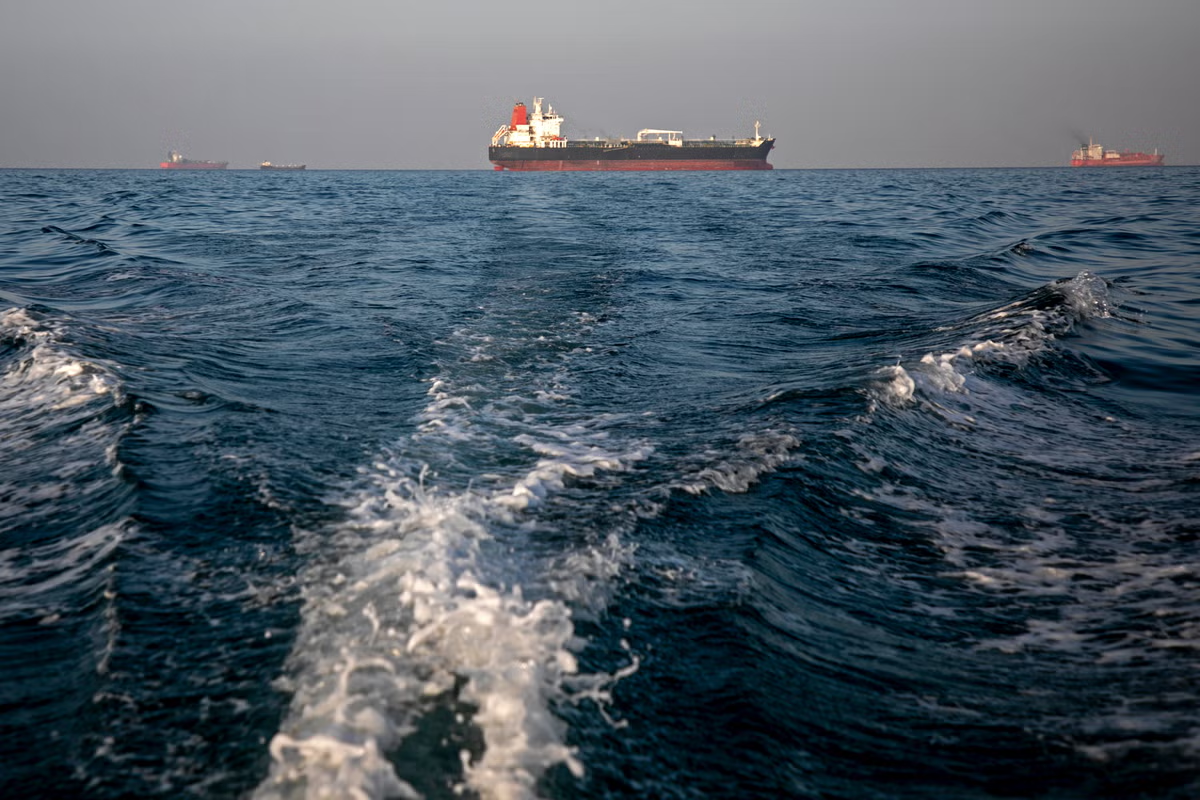
Oil futures are still pricing a quick resolution to the Iran war — but analysts warn that investors and consumers are likely to be left disappointed.Prices jumped more than 3% at one point early Thursday after the U.S. and Iran exchanged fresh missile strikes as hostilities in the Middle East appeared to re-escalate. Brent crude, the international price benchmark, was last seen 2.1% higher at $96.29, while U.S. West Texas Intermediate futures were back above $90 a barrel after a 2.4% rise.Callum Macpherson, head of commodities at Investec, said investors are finding it "incredibly hard" to get a handle on the ongoing price swings, noting how markets are being whipsawed by constantly shifting signals from both Washington and Tehran, with apparent diplomatic progress frequently contradicted within hours.watch nowMacpherson highlighted reports on Wednesday that Iranian officials had discussed a memorandum of understanding containing areas of agreement between both sides, only for the White House to later dismiss the claims as untrue. The conflicting rhetoric is unfolding alongside renewed strikes and retaliatory attacks in the region that are putting a fragile ceasefire at risk of breaking down.While markets are "finding ways of muddling through for now," Macpherson said, the current situation is ultimately unsustainable.Stock Chart IconStock chart iconBrent crude."It's very hard for the markets to know how to react to all of this," Macpherson told CNBC's "Europe Early Edition" on Thursday. "There are real consumers and producers and refiners that need to trade, that need to hedge themselves, and buy cargoes. Prices have to be made." 'Clear risk premium' in oil pricesHe said there is evidence of some vessels moving through the Strait of Hormuz, but little indication of a return to normality on the vital shipping lane. As a result, prices are unlikely to return to the $60-70 a barrel level seen immediately before the conflict."It's all about having confidence that the war definitely has ended and we're not going to have another flare-up," he added. "Markets are coping, but there needs to be a proper resolution relatively soon."Stock Chart IconStock chart iconWest Texas Intermediate futures.Matt Britzman, senior equity analyst at Hargreaves Lansdown, said that the low-to-mid $90s prices show there is still a "clear risk premium" attached to the conflict."For now, the market looks caught between short-term nerves over renewed hostilities and a lingering hope that both sides still have enough incentive to get energy flows moving," Britzman said in a note."The bigger picture is that crude is still on course for a second weekly decline, suggesting investors are not yet pricing in a worst-case disruption."Sim Moh Siong, FX strategist at OCBC Group Research, also warned that a decline in oil prices is unlikely to be fast, highlighting Tehran's capacity to disrupt the Strait of Hormuz as a key constraint."Infrastructure damage, renewed strategic stockpiling, and a higher structural risk premium will likely keep prices sticky."
Oil markets are betting on a swift end to the Iran war. Investors may regret it
Oil markets remain volatile as traders struggle to interpret contradictory signals on prospects for U.S.-Iran peace agreement.
475 words~2 min read