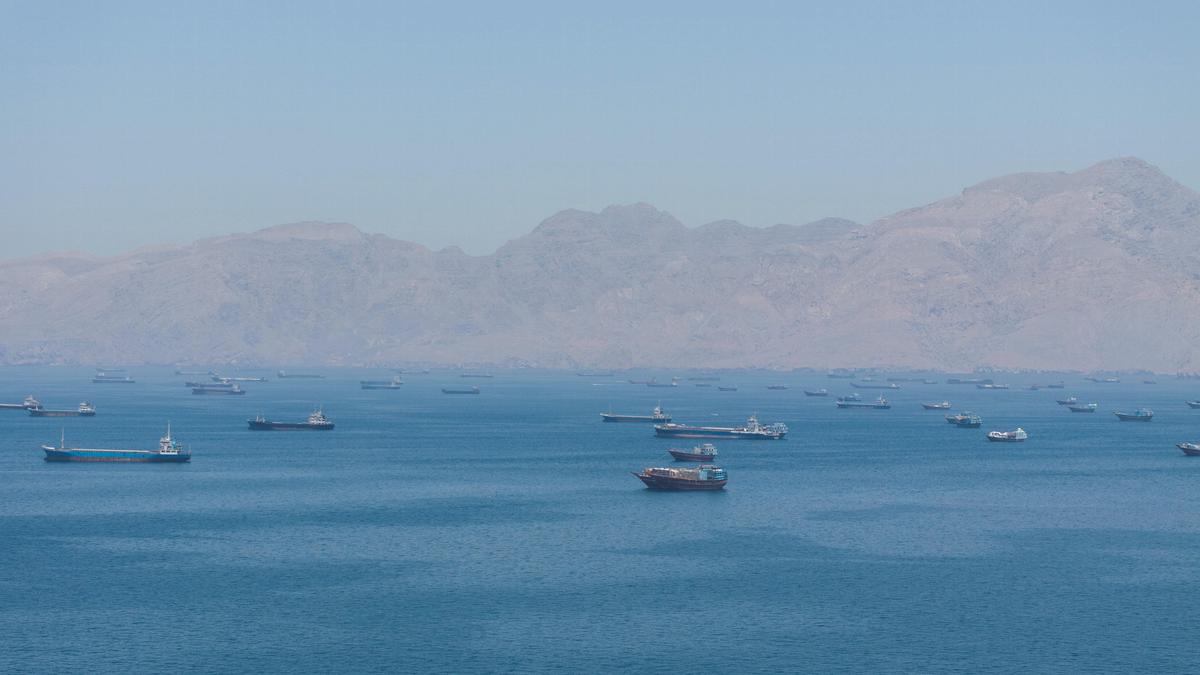
SynopsisOil prices surged approximately 2% as U.S. strikes on an Iranian military site escalated geopolitical tensions, despite ongoing talks. This rebound followed a significant drop due to expectations of a potential U.S.-Iran agreement. Analysts warn that even with a deal, normalizing shipping through the Strait of Hormuz could take months, impacting global oil markets.Listen to this article in summarized formatETMarkets.comOil prices surged today as fresh U.S. strikes on an Iranian military site heightened global tensions. Oil prices rose about 2% in early trading on Thursday after fresh U.S. strikes on an Iranian military site overnight heightened geopolitical tensions, even as Washington and Tehran continued talks aimed at ending their three-month conflict.This is US' second strike in quick succession. Earlier this week, the U.S. military carried out “self-defense strikes in southern Iran”, targeting vessels allegedly attempting to deploy mines along with missile launch sites. U.S. Central Command said the operation was aimed at protecting American troops from threats posed by Iranian forces.Iran’s Islamic Revolutionary Guard Corps responded that it would respond to violations of the ceasefire after identifying and engaging U.S. drones and an F-35 fighter jet that had entered Iranian airspace.Crude oil price on May 28Brent crude futures climbed $1.90, or 2.02%, to $96.19 a barrel. The more active August contract advanced $1.64, or 1.78%, to $93.89, while the July contract is scheduled to expire on Friday. U.S. West Texas Intermediate crude futures gained $1.73, or 1.95%, to trade at $90.41.The rebound came a day after both benchmarks had dropped more than 5% to their lowest levels in over a month on expectations that a potential U.S.-Iran agreement could bring an end to the conflict and lead to the reopening of the Strait of Hormuz.A U.S. official said the latest strikes targeted an Iranian military facility believed to pose a threat to American forces and commercial maritime traffic moving through the strait.In a note released late Wednesday, Citi said oil markets were stabilising as investors gradually moved away from pricing in severe supply disruption risks amid signs of progress in negotiations between Washington and Tehran.However, the bank said uncertainty around the timing of any agreement continued to keep central banks cautious, as policymakers assessed the inflationary impact of elevated energy prices.Citi added that the sustained rise in crude prices was starting to feed into wider inflation pressures through what it described as “second round effects”, pushing some central banks toward a more hawkish stance.Swiss investment bank UBS said on Friday that pressure on the global oil market was intensifying as inventories continued to shrink amid disruptions to shipments through the Strait of Hormuz. The bank noted that global oil inventories declined by a combined 246 million barrels in March and April, while cumulative production losses could exceed 1 billion barrels by the end of May.Analysts said that even if a deal is reached, shipping activity through the strait may take several months to normalise and damaged energy infrastructure could require more time to recover fully.Earlier this month, Saudi Aramco CEO Amin Nasser warned that disruptions in Hormuz could delay stability in global oil markets until 2027, with nearly 100 million barrels of oil supply per week potentially impacted. Saudi Aramco is the world’s largest oil producer.Morgan Stanley described the current oil market as being in “a race against time”, saying the factors that have so far prevented a sharper rise in crude prices may weaken if the Strait of Hormuz remains shut through June.The brokerage said higher U.S. crude exports and softer demand from China had helped absorb part of the supply shock. However, it cautioned that an extended closure of Hormuz could tighten global supplies again if disruptions continue beyond what the U.S. and China can comfortably offset.(Disclaimer: Recommendations, suggestions, views and opinions given by the experts are their own. These do not represent the views of The Economic Times)Read More News on(What's moving Sensex and Nifty Track latest market news, stock tips, Budget 2025, Share Market on Budget 2025 and expert advice, on ETMarkets. Also, ETMarkets.com is now on Telegram. For fastest news alerts on financial markets, investment strategies and stocks alerts, subscribe to our Telegram feeds .) Subscribe to ET Prime and read the Economic Times ePaper Online.and Sensex Today. Top Trending Stocks: SBI Share Price, Axis Bank Share Price, HDFC Bank Share Price, Infosys Share Price, Wipro Share Price, NTPC Share Price...moreless(You can now subscribe to our ETMarkets WhatsApp channel)Read More News on(What's moving Sensex and Nifty Track latest market news, stock tips, Budget 2025, Share Market on Budget 2025 and expert advice, on ETMarkets. Also, ETMarkets.com is now on Telegram. For fastest news alerts on financial markets, investment strategies and stocks alerts, subscribe to our Telegram feeds .) Subscribe to ET Prime and read the Economic Times ePaper Online.and Sensex Today. Top Trending Stocks: SBI Share Price, Axis Bank Share Price, HDFC Bank Share Price, Infosys Share Price, Wipro Share Price, NTPC Share Price...moreless
Oil Price Today (May 28): Crude oil jumps over 2% despite optimism around Iran war peace deal. Here’s why
Oil prices surged approximately 2% as U.S. strikes on an Iranian military site escalated geopolitical tensions, despite ongoing talks. This rebound followed a significant drop due to expectations of a potential U.S.-Iran agreement. Analysts warn that even with a deal, normalizing shipping through the Strait of Hormuz could take months, impacting global oil markets.
819 words~4 min read