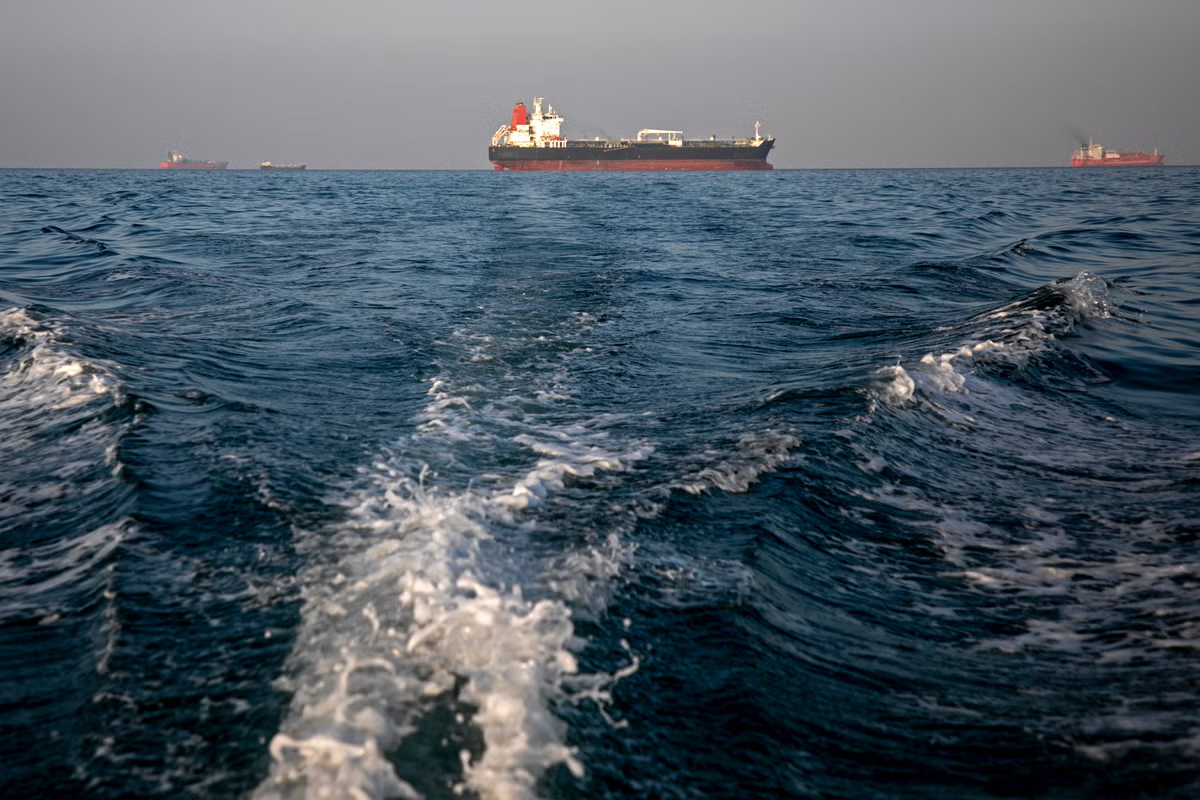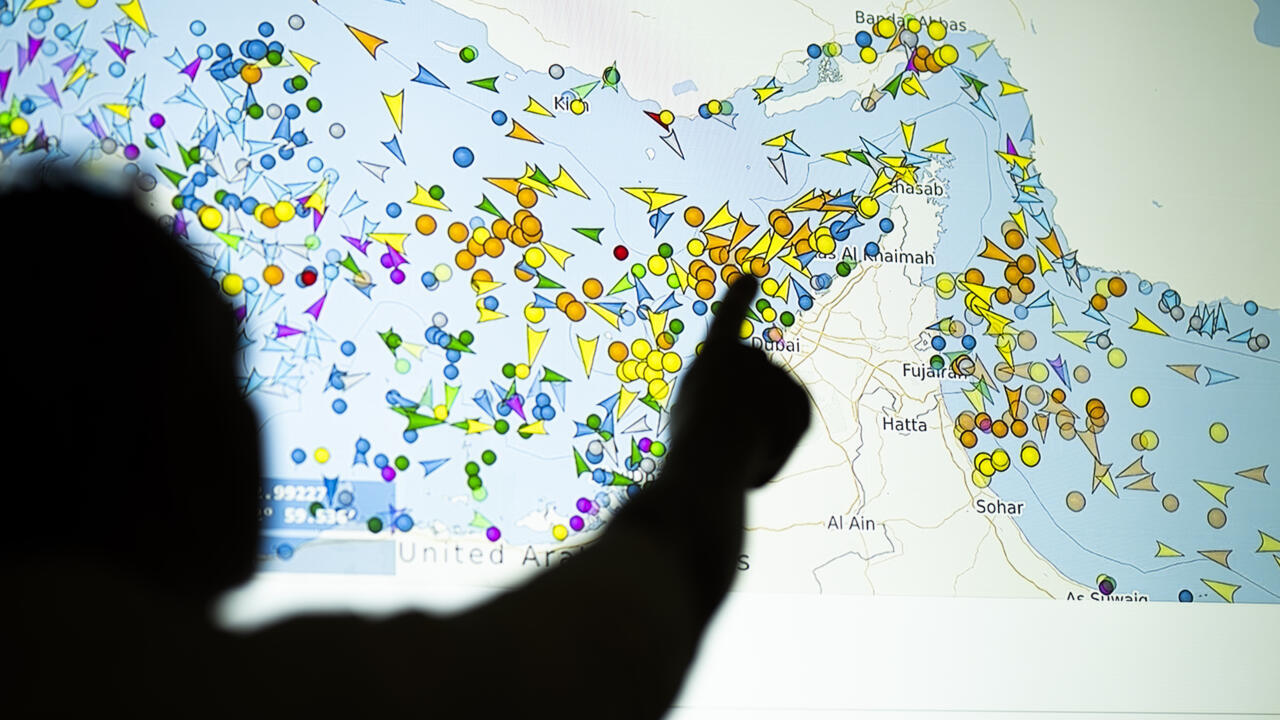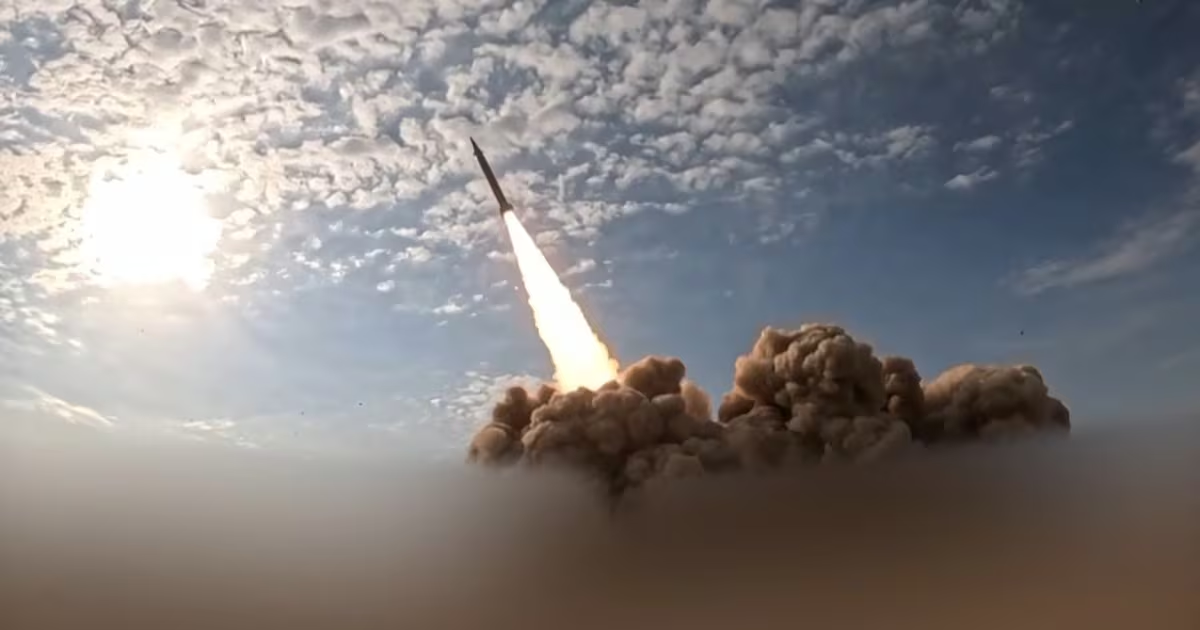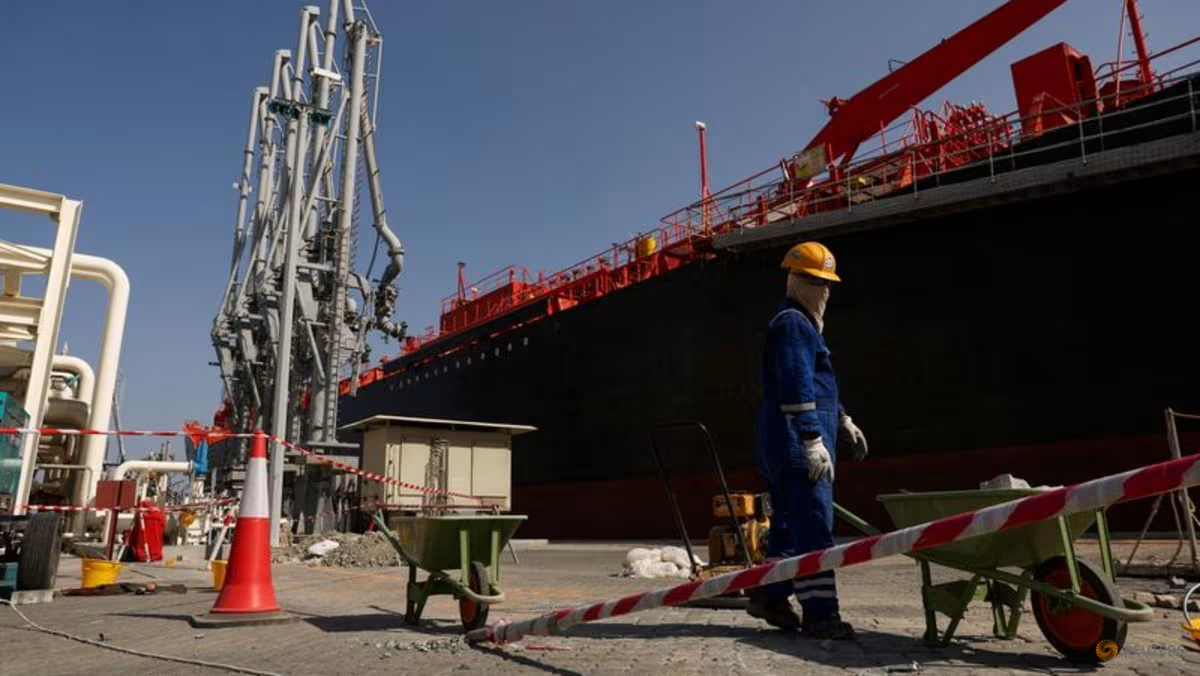
HONG KONG: Oil prices bounced higher on Thursday (May 28) after new US strikes on Iran, the latest test of a shaky ceasefire as diplomatic efforts to end the war persist.Brent North Sea crude, the main international benchmark, rose by nearly 2 per cent to US$96.13 a barrel, while the main US contract, WTI, increased by 1.75 per cent to US$90.23 a barrel.The higher prices followed Wednesday's declines on the hopes of an imminent deal to avoid further hostilities in the Middle East war, which has halted shipping through the crucial Strait of Hormuz for months.Asian shares turned hesitant on Thursday as news of the fresh US military strike in Iran challenged investor optimism on a near-term peace deal, while US inflation data loomed as a threat for bonds and interest rates.
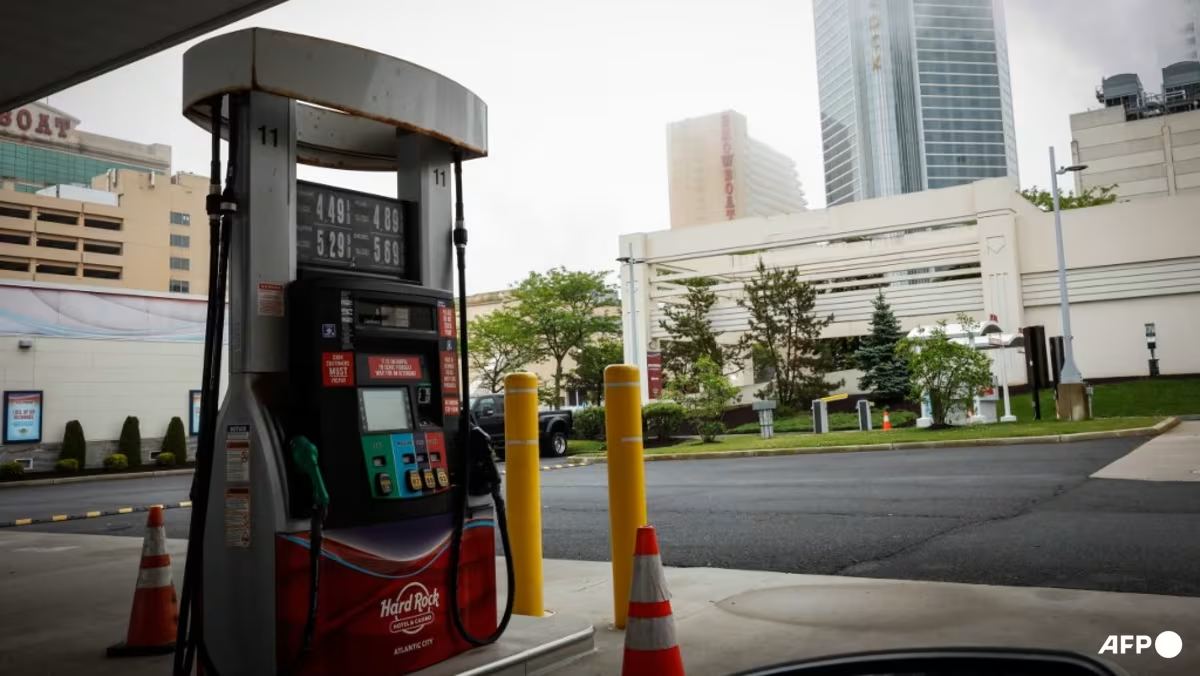
"Over the next two weeks, we expect either a deal for a new ceasefire, or the current ceasefire will have collapsed with active hostilities resuming," said Madison Cartwright, a senior geo-economics analyst at CBA.He put a 70 per cent probability on a deal being agreed, while cautioning that the fate of the strait was up in the air."Insurance through the strait has become prohibitively expensive and it's unclear how and at what price insurance will be made available," he added. "It is also not clear if Iran will charge a toll, or a toll by another name."The latest developments took a little steam out of the tech-driven bull run in stock markets, with Japan's Nikkei easing 0.2 per cent, while South Korean shares went flat. MSCI's broadest index of Asia-Pacific shares outside Japan dipped 0.1 per cent.Reports from Japan suggested the government planned to issue "bridging bonds" to fund flagship programmes aimed at boosting investment in growth and economic security.INFLATION DATA TO TEST FEDThe focus now shifts to US data on personal consumption expenditures (PCE), which include the Federal Reserve's preferred measures of inflation.The pulse from fuel is expected to lift the headline PCE to a three-year high of 3.8 per cent, while the core is forecast to rise 0.3 per cent to an annual 3.3 per cent and far above the Fed's 2 per cent target.The pick-up has led more Fed members to call for dropping its easing bias, or even preparing for a rate hike."With inflation well above target but the growth impact of the conflict still uncertain, the Fed faces genuine two-sided risk," argued analysts at NAB in a note."We see that uncertainty as the argument for holding rates through end-2027, whereas a firming in services core inflation would sharpen the case for higher-for-longer and a sharp moderation would shift attention to the emerging growth headwinds."Markets imply a 50-50 chance of a quarter-point rise in the funds rate to a range of 3.75-4.0 per cent by year-end.