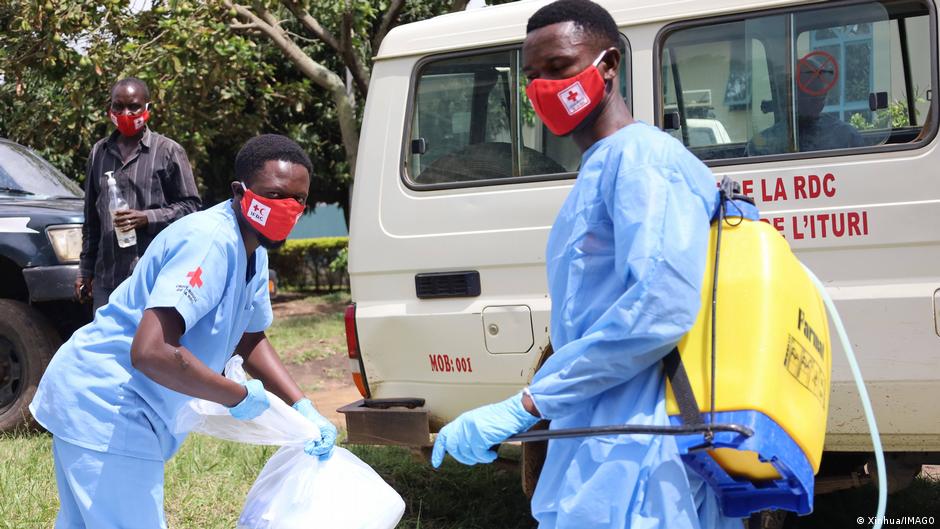
A new Ebola outbreak is circulating in the Democratic Republic of Congo. Genetic evidence suggests it had been spreading for weeks, possibly months, before detection. The strain is current, and much about its specific behavior remains unknown.
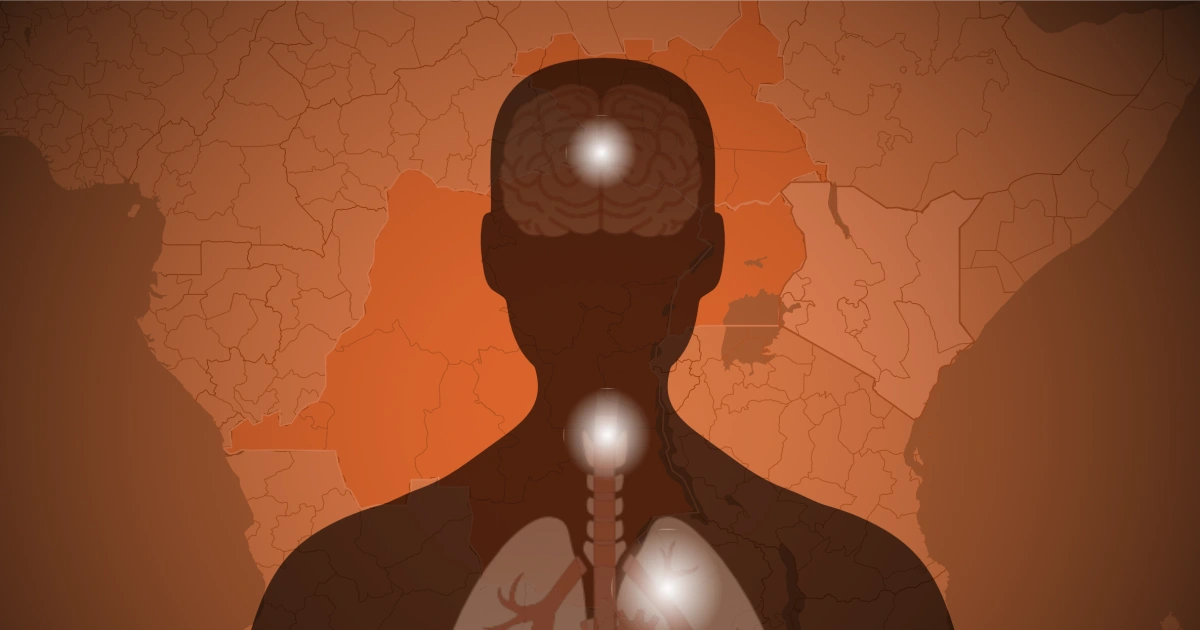
Understanding why the virus spreads as it does begins with how it enters the body. Unlike respiratory viruses that travel through air, Ebola requires something more direct.
How Ebola virus enters the body
The virus needs direct access through mucous membranes in the mouth, nose or eyes, or via cuts and wounds on skin. Intact skin provides a barrier, but any breach becomes an entry point.
David Heymann, an epidemiologist at the London School of Hygiene and Tropical Medicine who first studied Ebola in 1976, describes the transmission in practical terms: "The Ebola virus is spread from person to person by body fluids. So that means by blood, by saliva, possibly by feces, by urine, and also we now know in persons who are recovered through the semen."