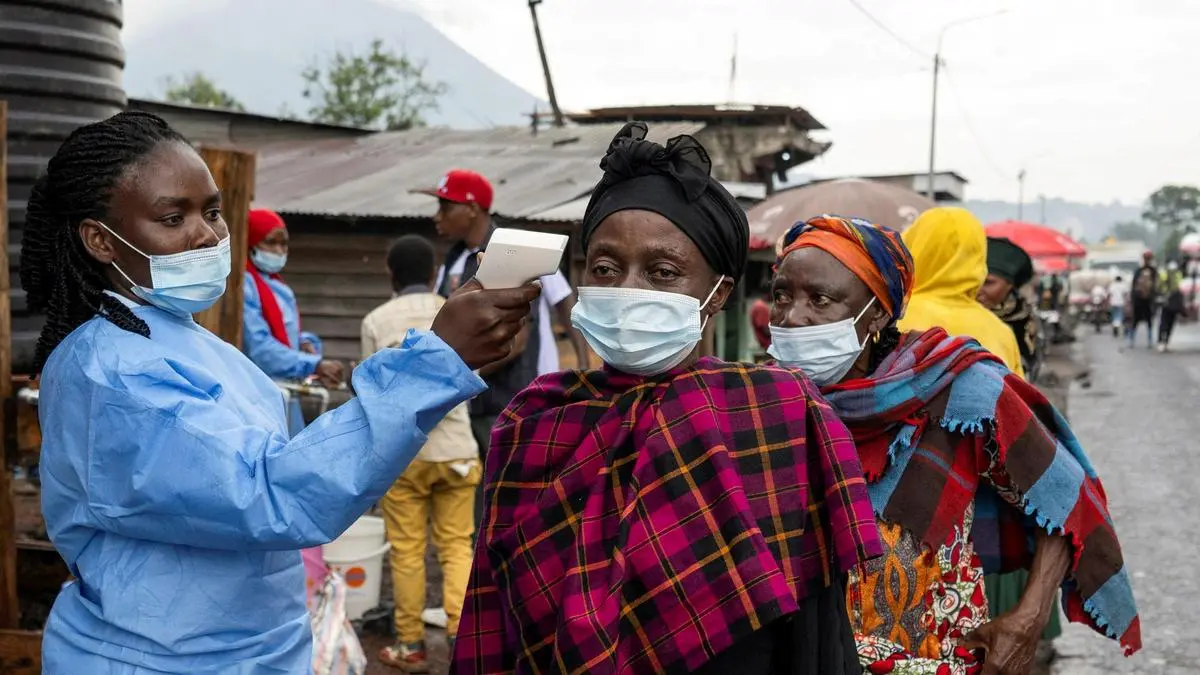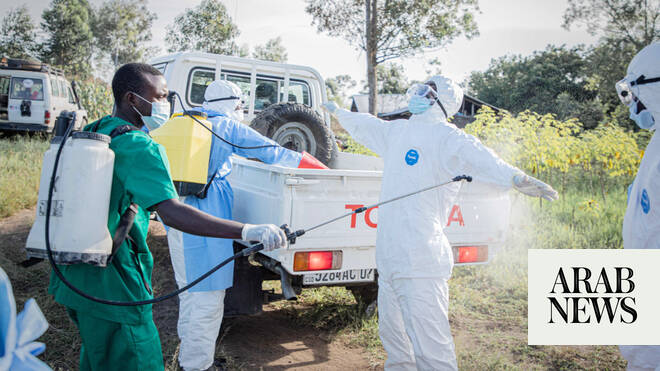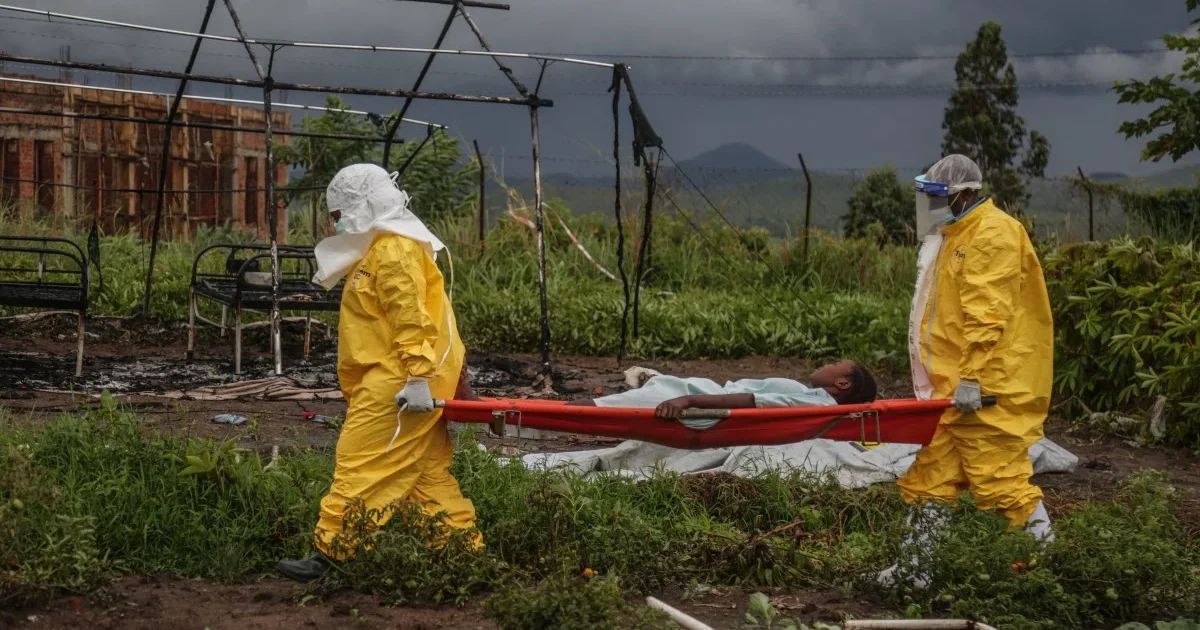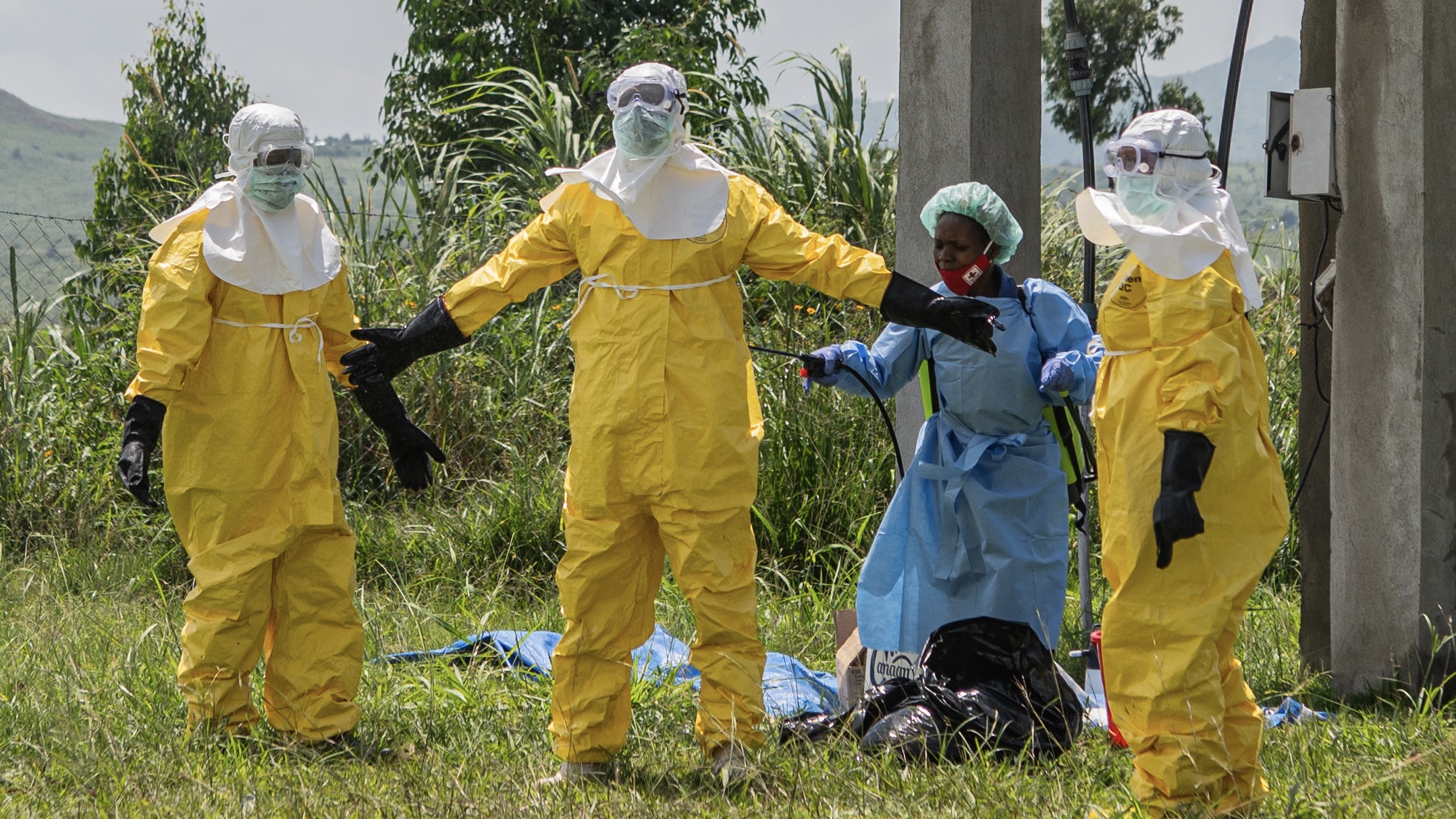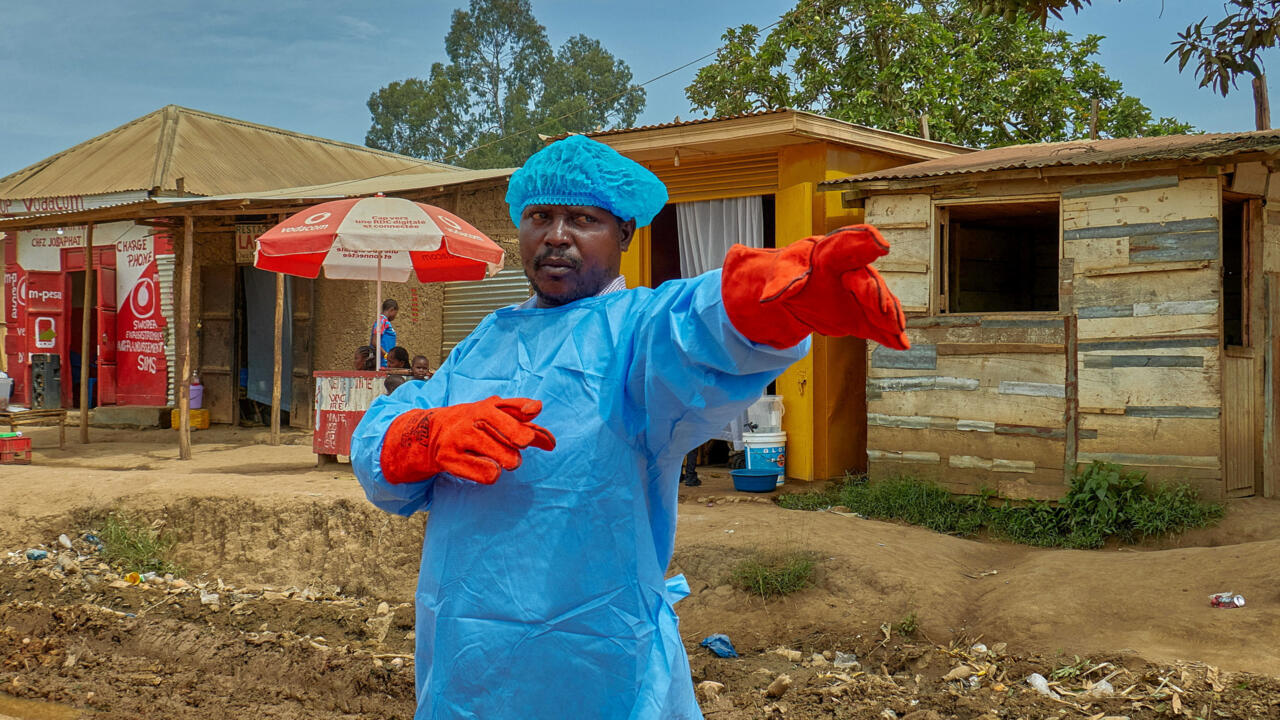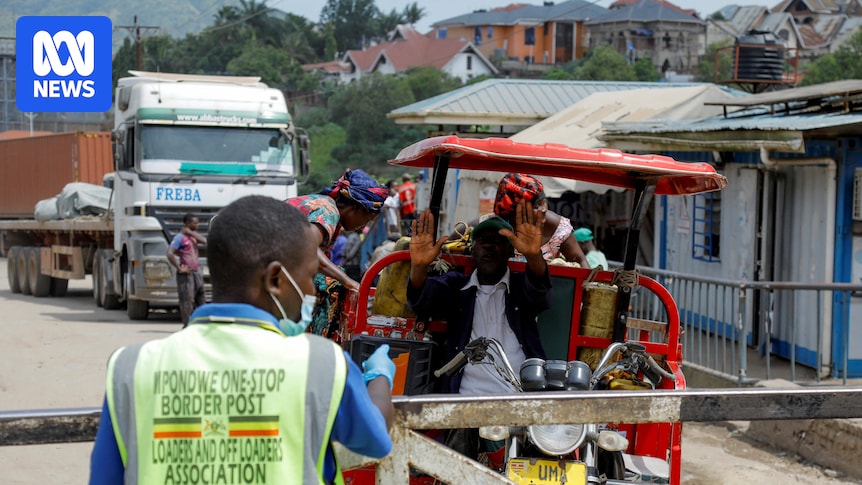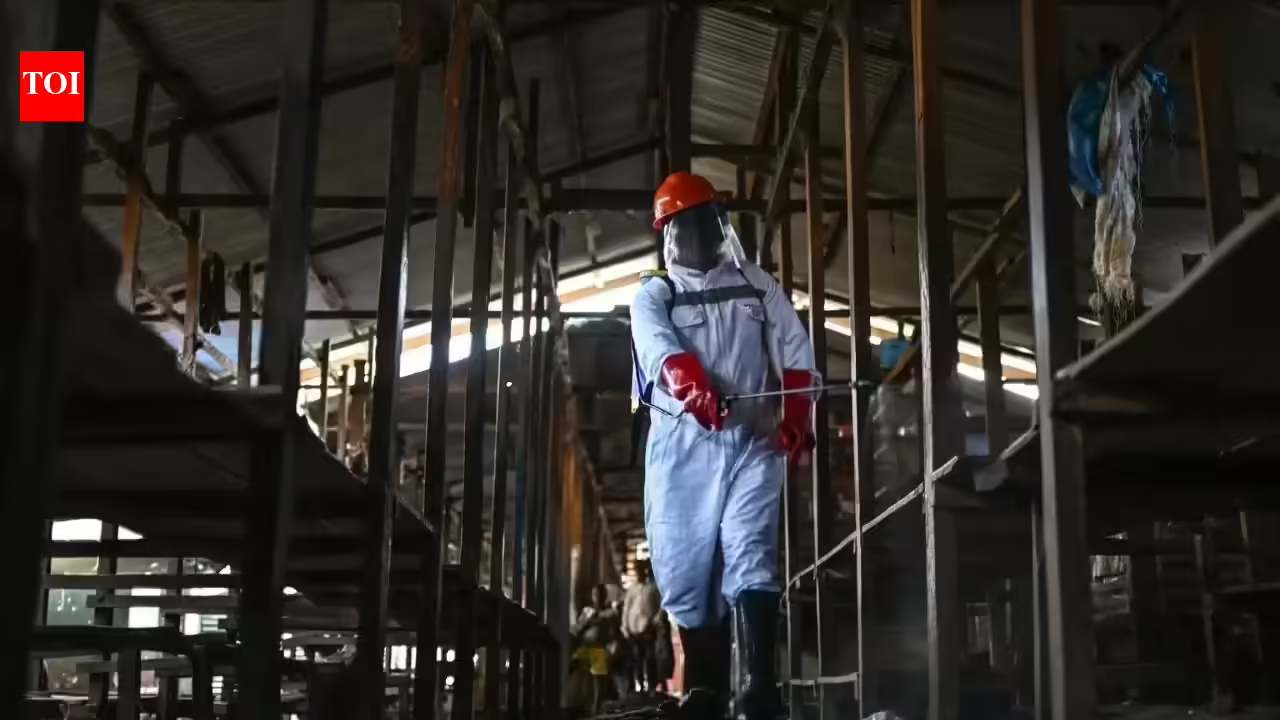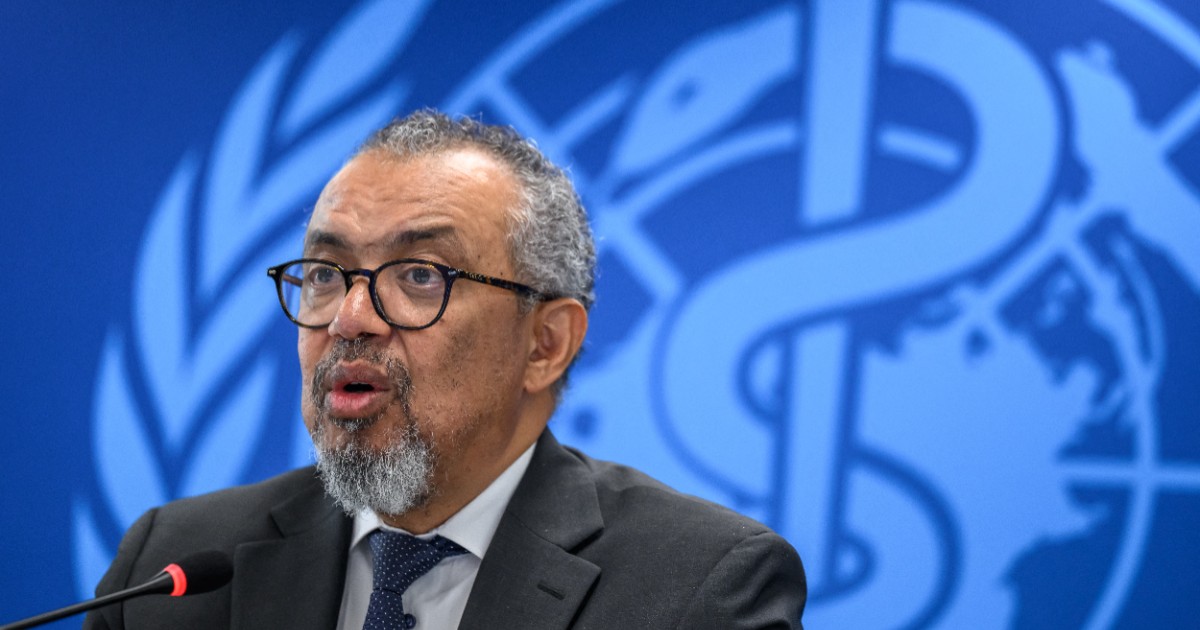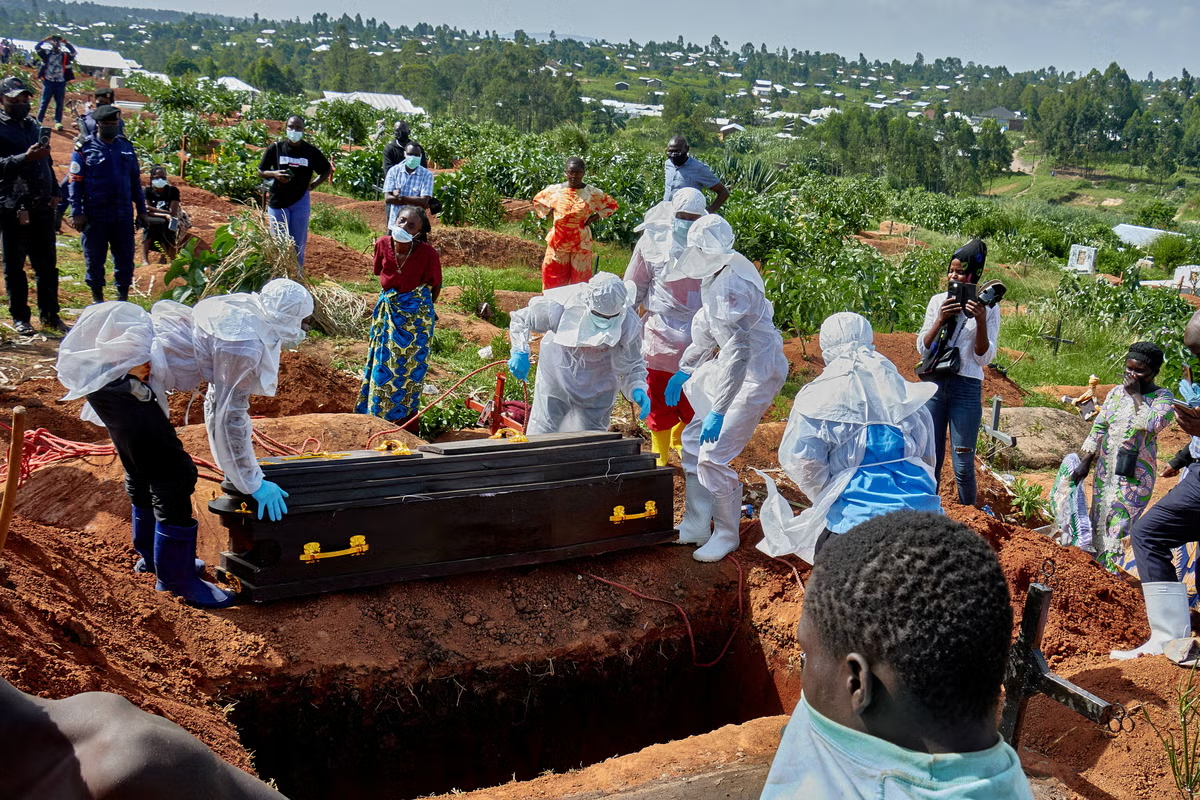
Ebola is spreading through eastern parts of the Democratic Republic of Congo faster than health workers can respond, the World Health Organisation (WHO) has warned, as 51 confirmed and 900 suspected cases have been linked to the outbreak. The deadly virus, which has no proven cure, has so far been linked to 223 deaths in Ituri Province, in the north-east of the country.Officials have reported two suspected cases of Ebola in Uganda, and one suspected death in Kampala. A woman, who travelled from Uganda, has also been placed in quarantine in the Indian city of Bengaluru with a suspected case of Ebola.Another two suspected cases were reported in Italy this week after two people travelled from Uganda to Lombardy. The pair were hospitalised in Milan, but lab tests ruled out Ebola. Although cases have only been confirmed in the Democratic Republic of Congo, the Red Cross has warned ten other African countries are at risk. These countries include: Rwanda, Kenya, Tanzania, Angola, Burundi, the Csntral African Republic, the Republic of Congo, Ethiopia, South Sudan and Zambia.But the risk to people in the UK is currently low, according to the NHS, as there has never been a case of human-to-human spread in the UK.“At the moment, the epidemic is outpacing us,” Tedros Adhanom Ghebreyesus, the director-general of the WHO said before arriving in the Congo to oversee the response. The WHO has said that the true scale of cases is unclear, but it has declared a pandemic emergency, which is the highest alert level since 2024. Ebola was first discovered in the Democratic Republic of Congo in 1976, making this outbreak the 17th in the country.The current Ebola outbreak is of the Bundibugyo strain, which has a fatality rate of between 21 per cent and 50 per cent. Symptoms include muscle aches, high temperature, headache and sore throat, as well as vomiting and diarrhoea. At the start of this outbreak ebola tests were conducted for Zaire strain which is more common. As a result the tests came back negative, allowing the virus to go undetected for weeks. Red Cross workers wearing personal protective equipment (PPE) prepare to lower the coffin of Dr Tibenderana Katho Blaise who worked at the Centre Medical Evangelique (CME) in Hoho commune and died of Ebola virus (Reuters)There is currently no cure for the virus which is passed through sweat, blood, faeces or vomit, but scientists at Oxford University are working urgently to develop a vaccine which could be used in the case the virus spirals out of control.The team is working on testing the ChAdOx1 BDBV vaccine, a type of viral-vector vaccine that has been previously used in the development of immunisations for emerging infectious diseases – including Covid-19.WHO has said it could be available for use in clinical trials in two to three months.It’s not just the lack of a vaccine and delay in response, aid cuts and misinformation are also hampering efforts to contain the spread of cases.One in three people at the epicentre of the deadly Ebola outbreak in DRC do not believe the virus is real, according to a survey by the charity ActionAid.Ngone Ngobba Jean Claude, a resident of Lita, a village in Ituri, told ActionAid: “Some call it a satanic disease, while others believe it was invented to make money. Others say that doctors are lying, while others believe that taking strong alcoholic drinks makes them immune.”
Mapped: The countries where Ebola has spread around the world
900 suspected cases and 223 deaths have been linked to an outbreak of Ebola in the Democratic Republic of Congo
567 words~3 min read