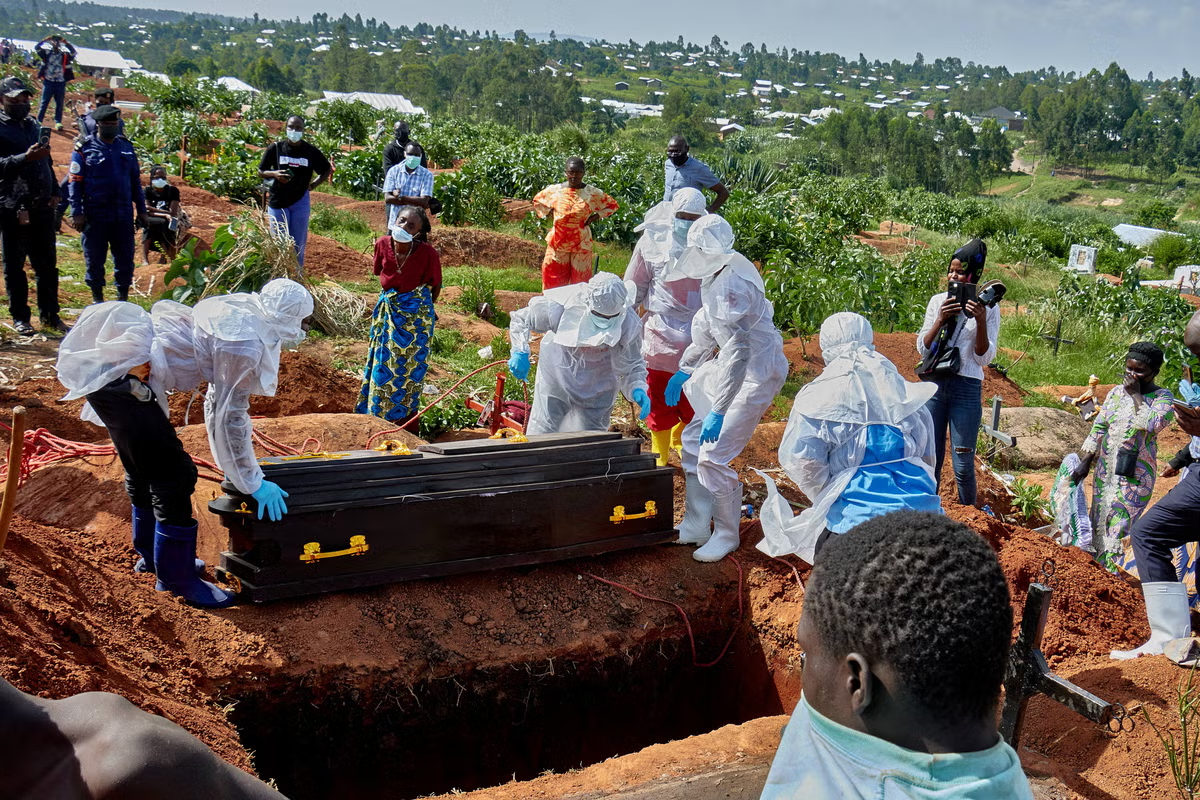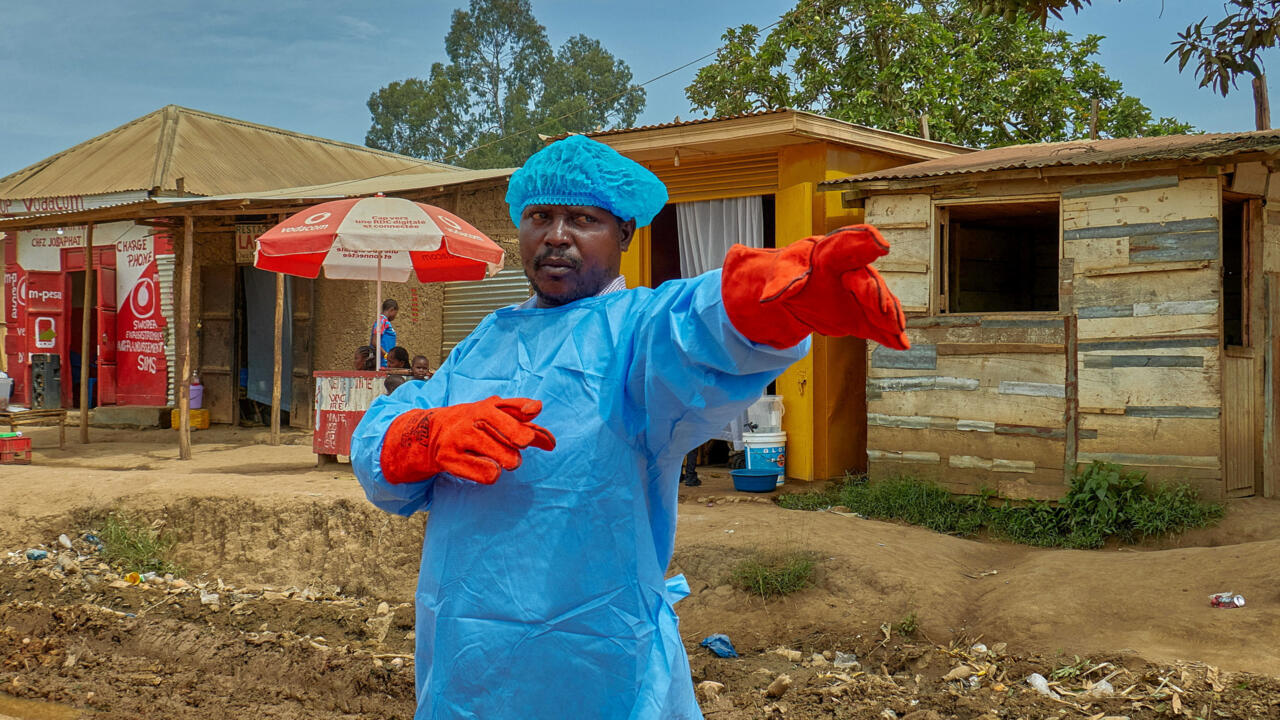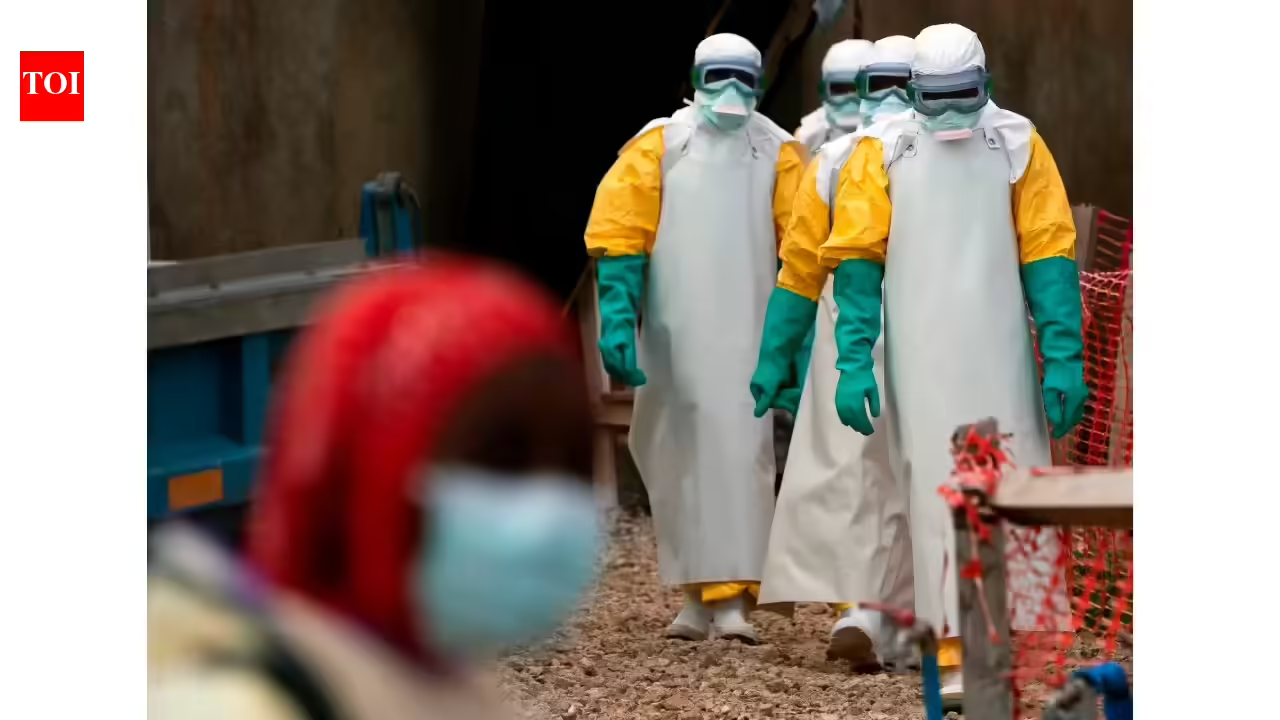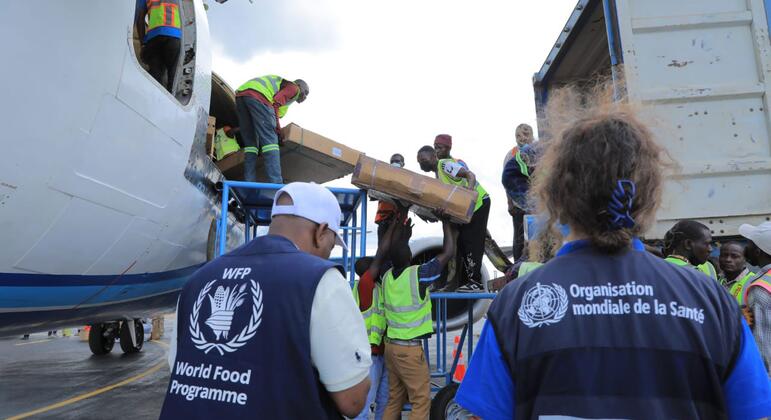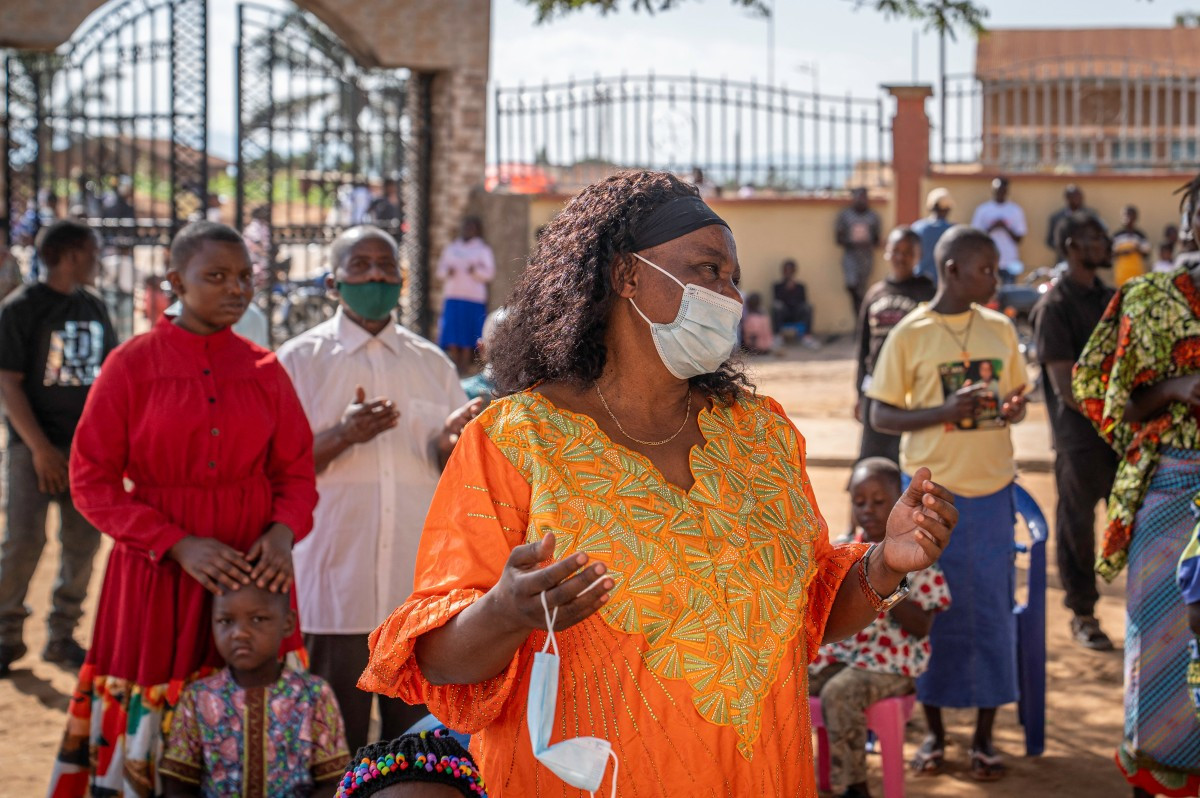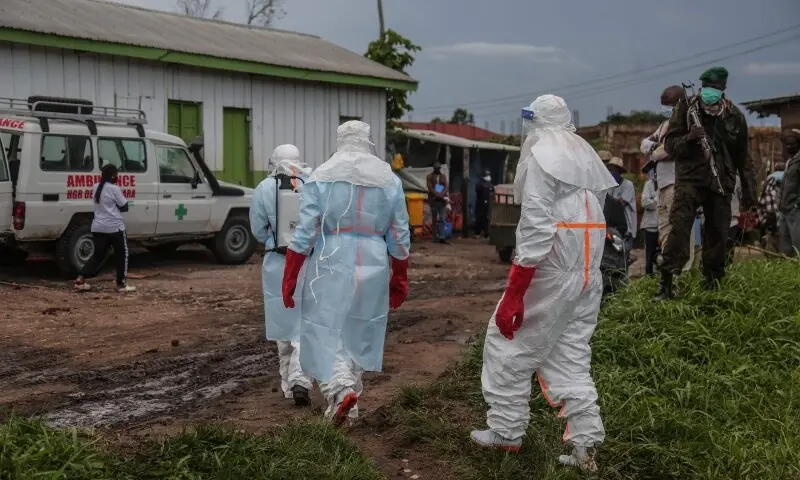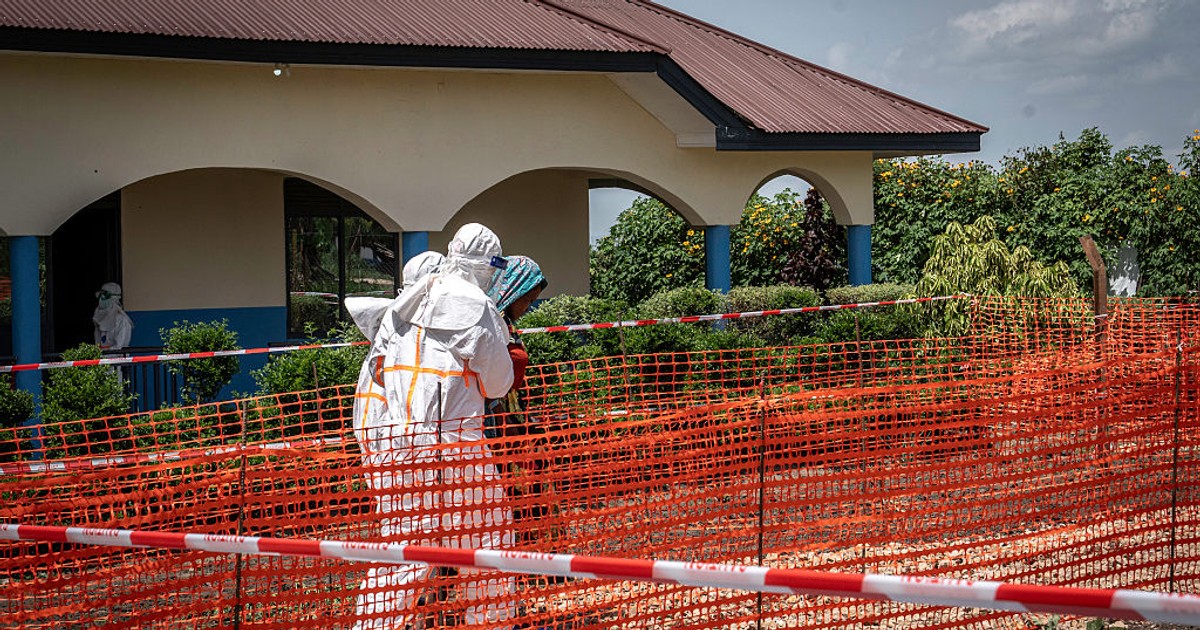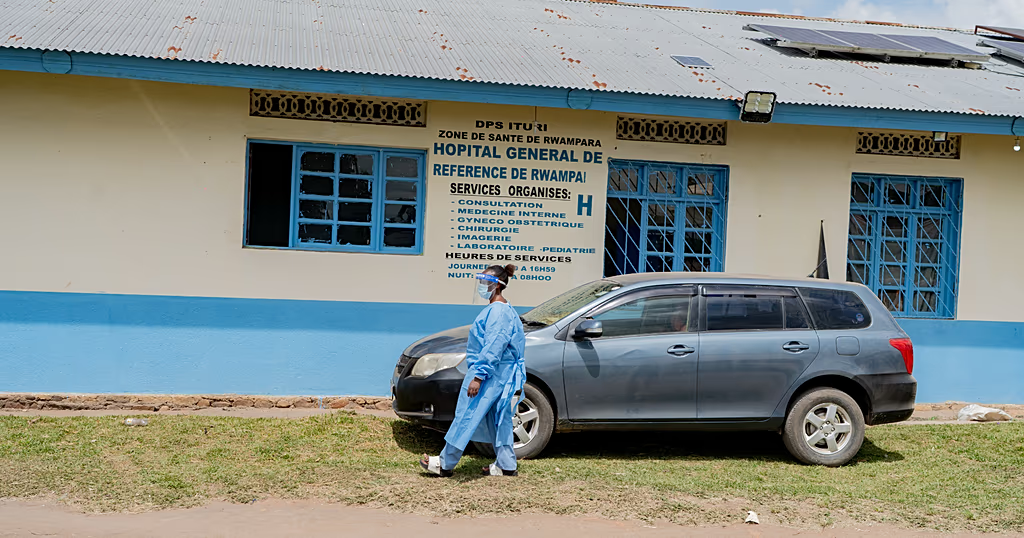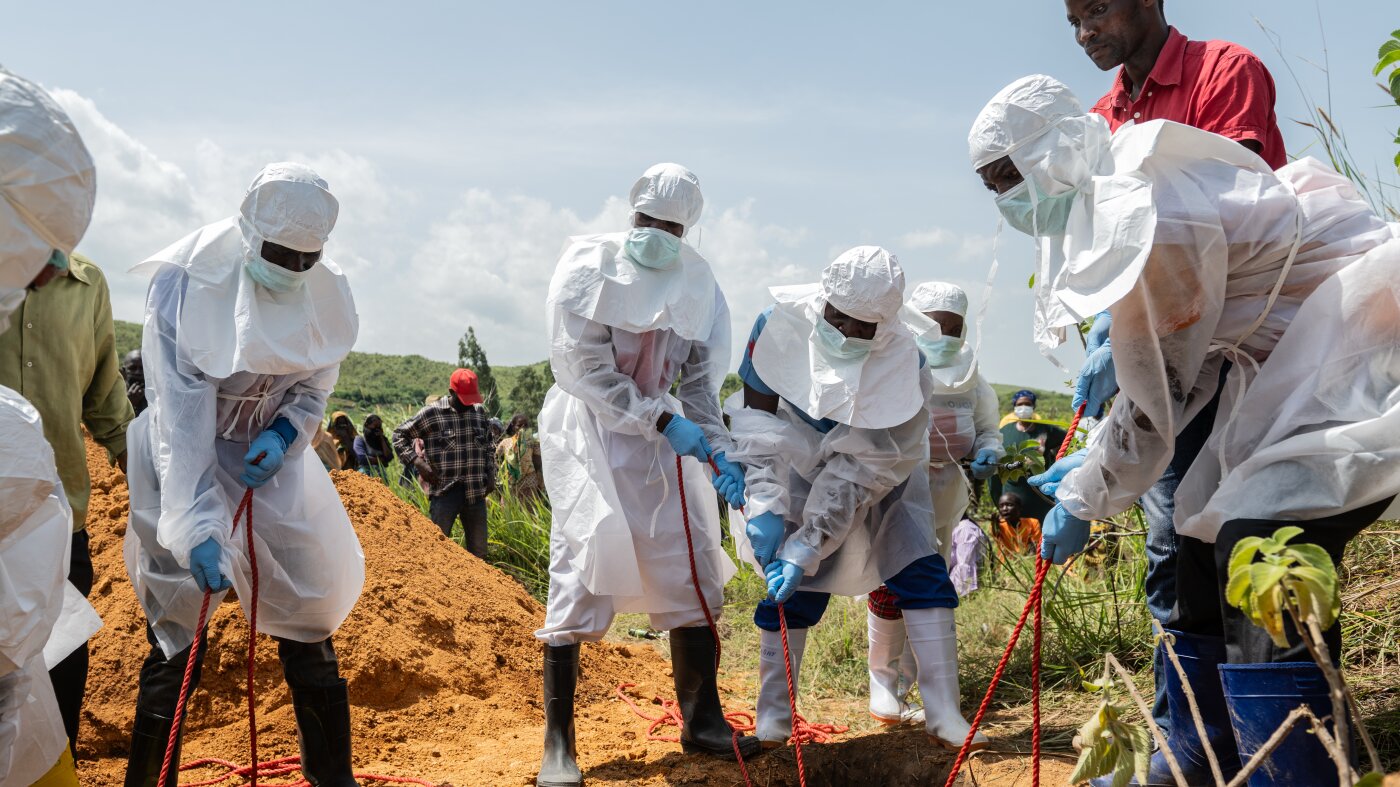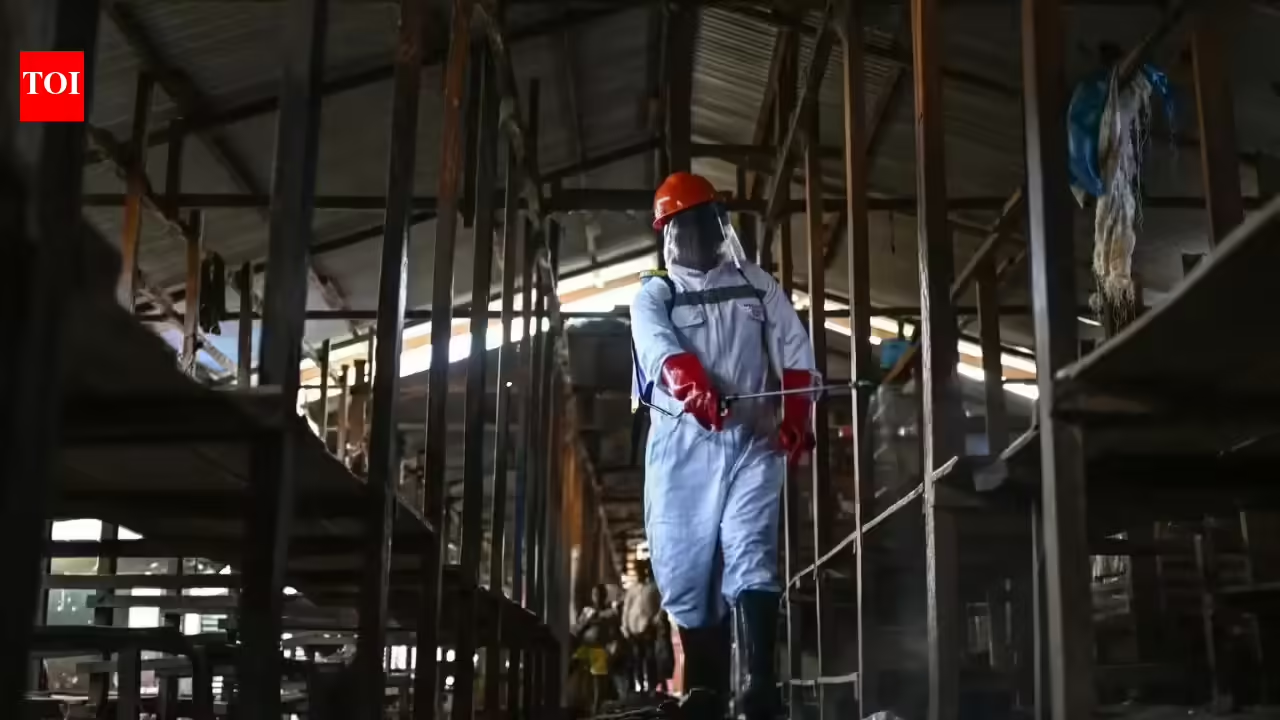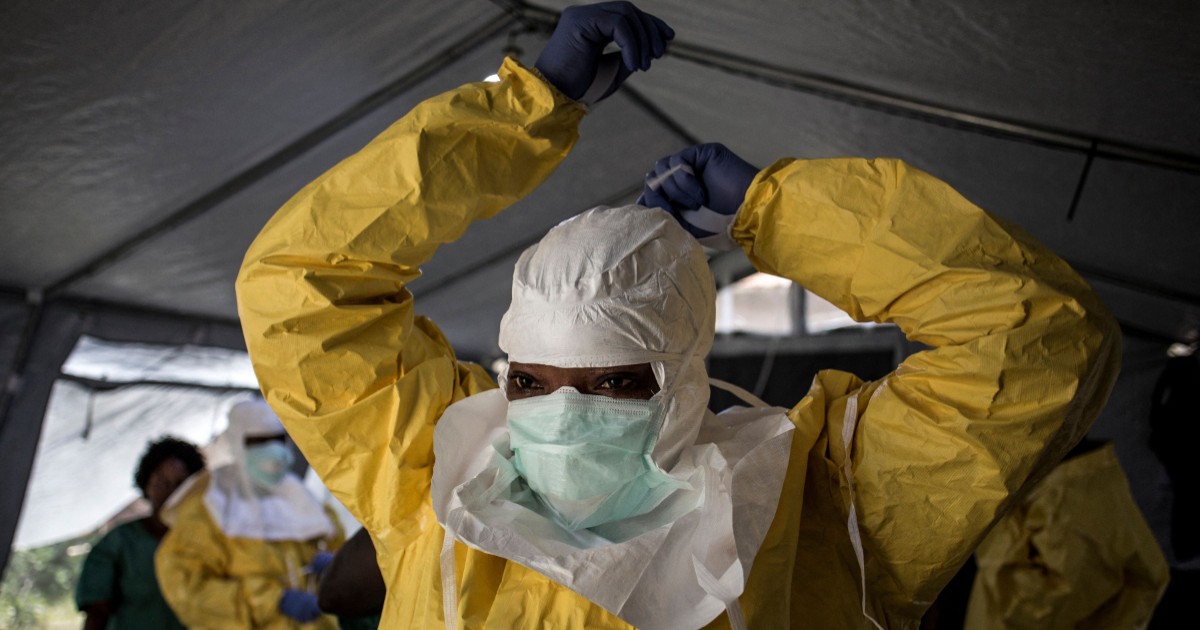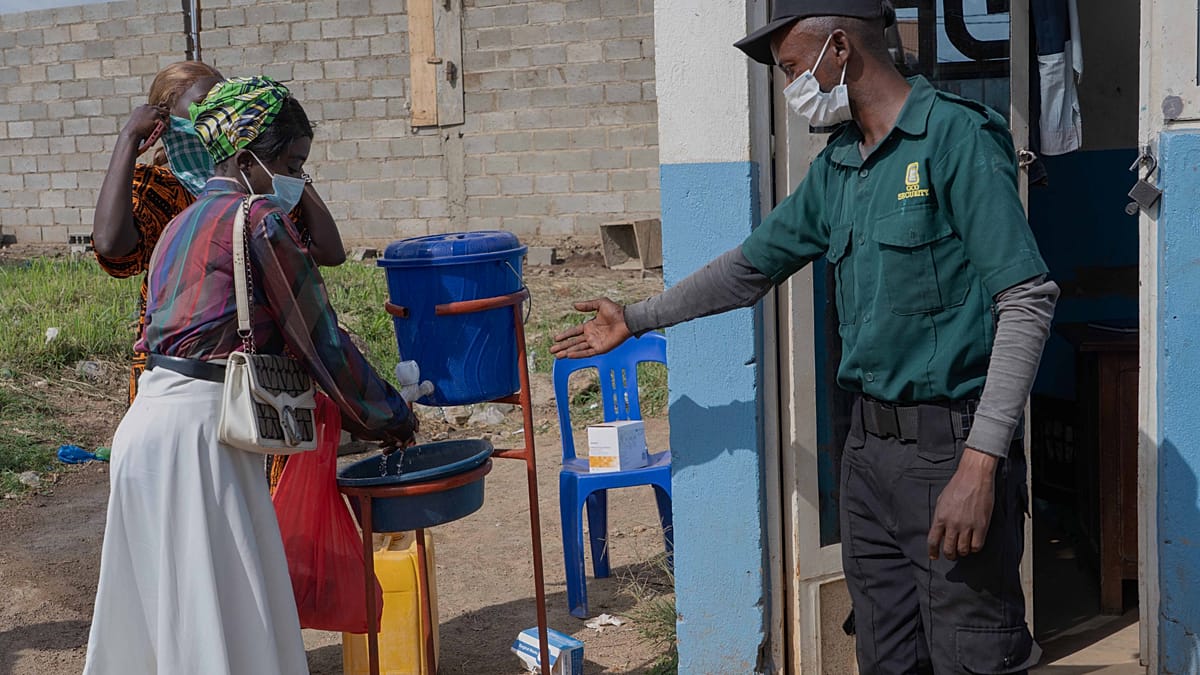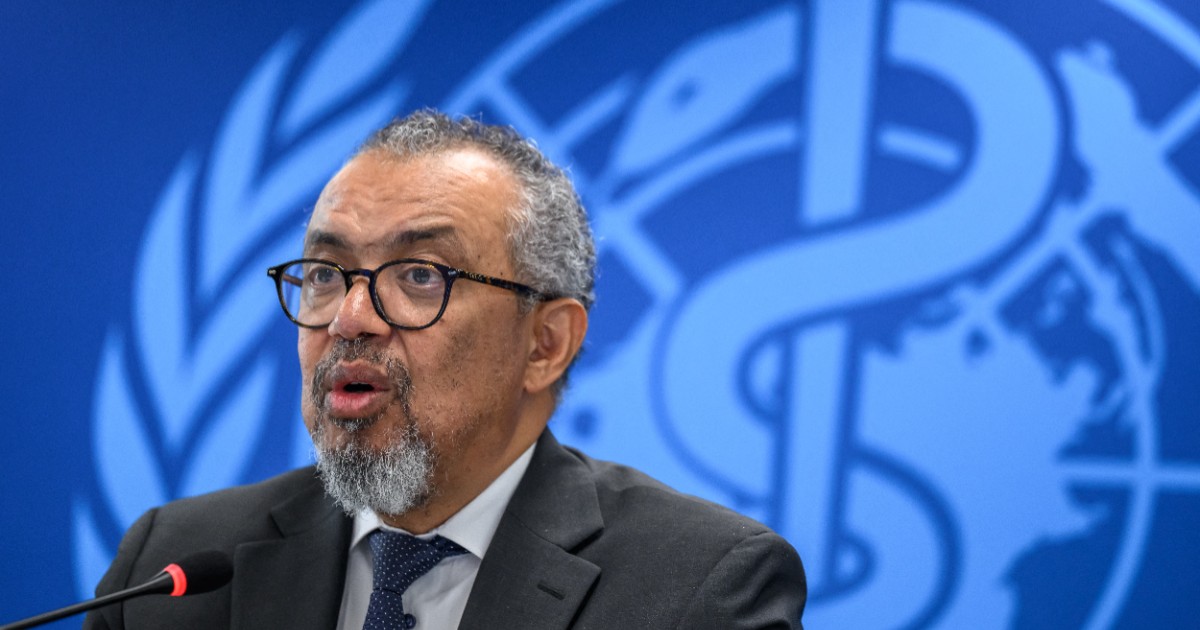
A fast-spreading Ebola outbreak involving a strain with no approved vaccine is forcing governments across East and Central Africa into emergency mode, as the World Health Organization investigates 223 suspected deaths and warns the true scale of infections in the Democratic Republic of Congo (DRC) could be significantly larger than reported.
The outbreak, centred in eastern Congo’s mineral-rich but conflict-ravaged provinces, has already crossed into neighbouring Uganda, triggered border restrictions, attracted more than $112 million in international response funding and renewed fears of wider regional disruption if containment efforts fail.
The WHO said on Friday that authorities had recorded 906 suspected Ebola cases and 223 suspected deaths in the DRC. So far, 125 cases and 17 deaths have been confirmed across Ituri, North Kivu and South Kivu provinces.
Uganda has also reported confirmed infections linked to the outbreak, highlighting the growing cross-border risk in one of Africa’s busiest migration and trade corridors.
What makes this outbreak particularly concerning is that it involves the Bundibugyo strain of Ebola, a rare variant for which there is currently no approved vaccine or specific treatment.