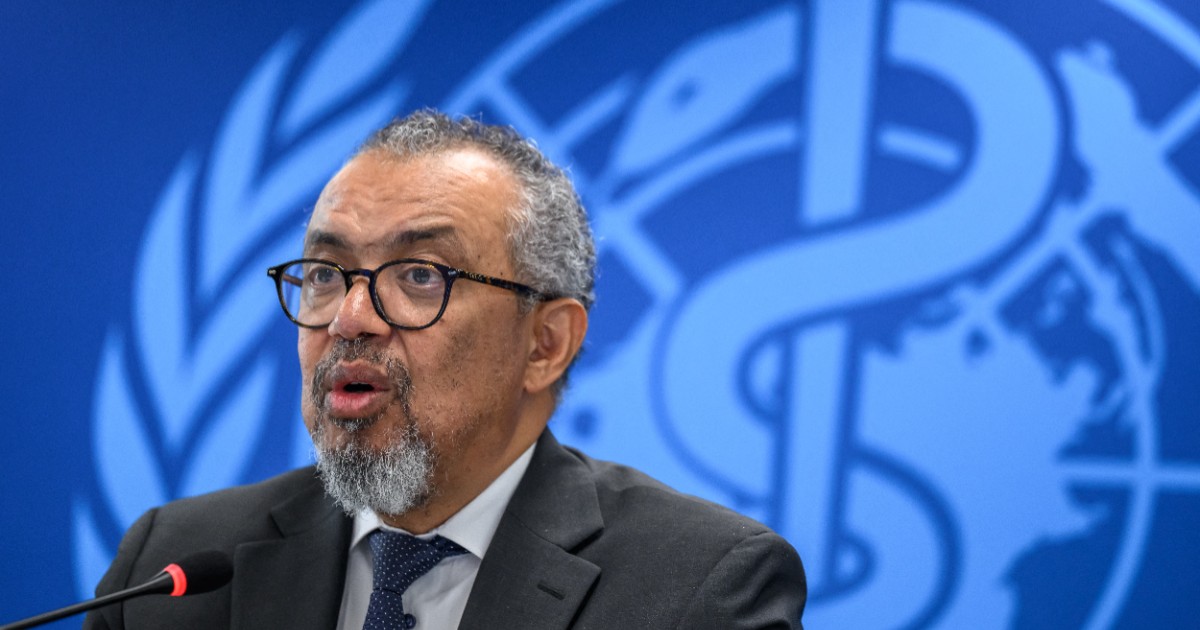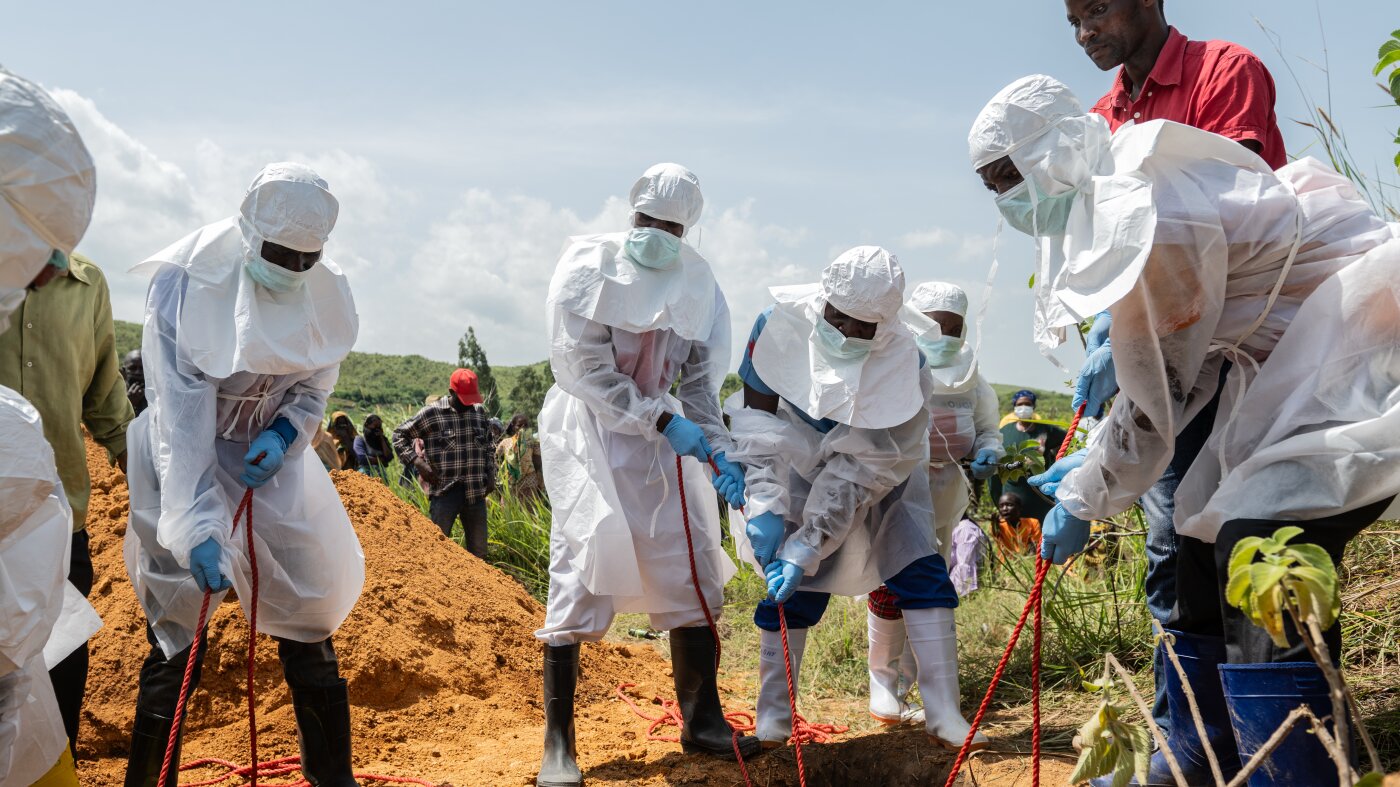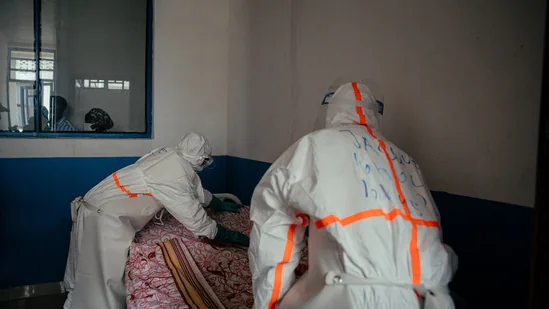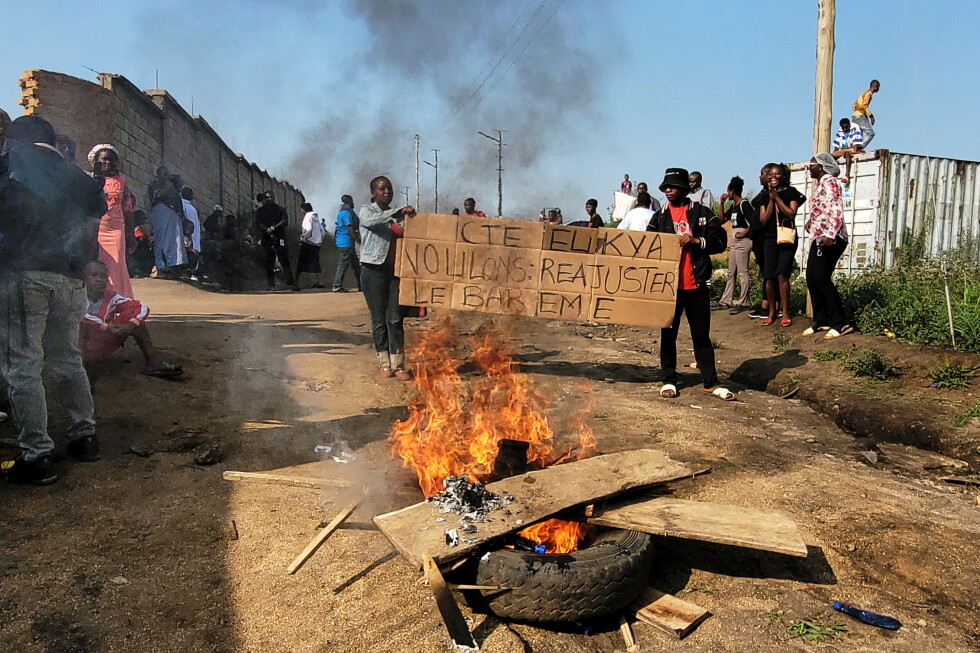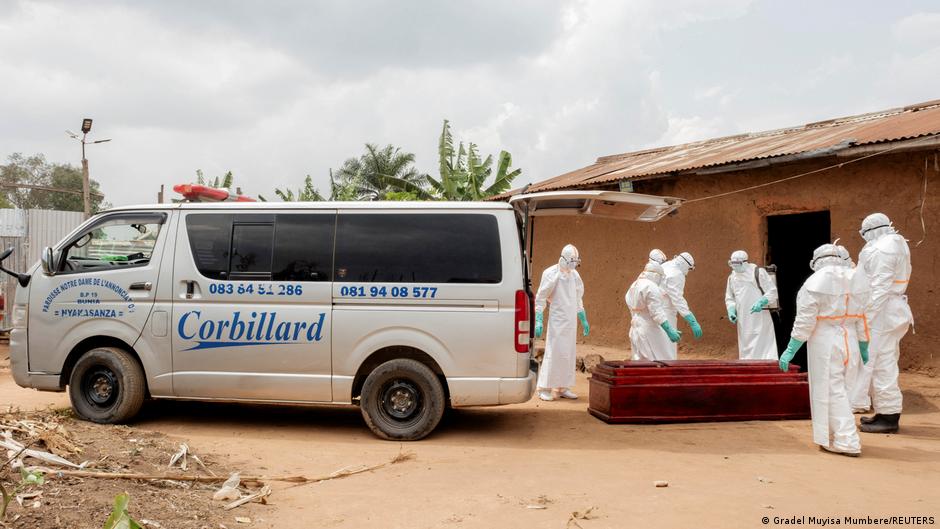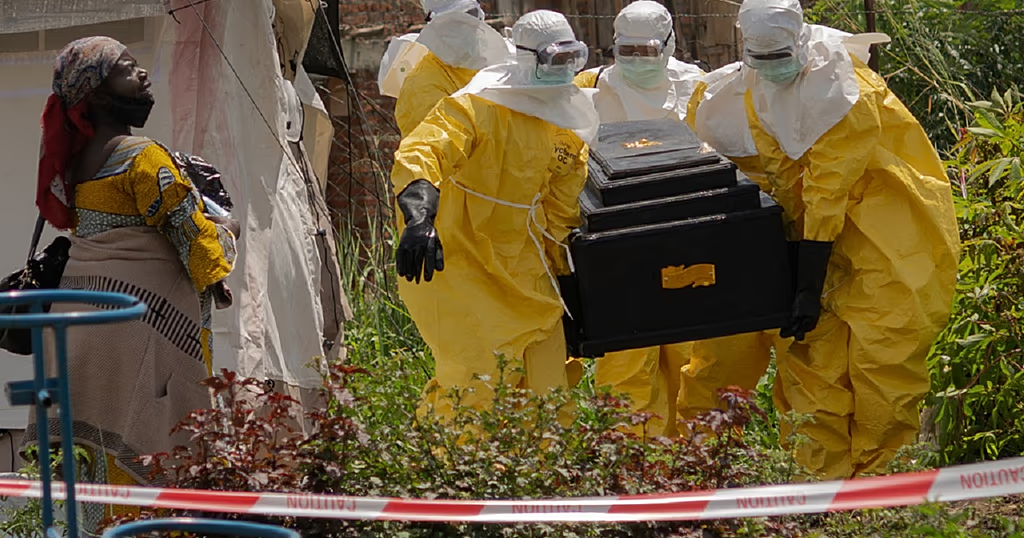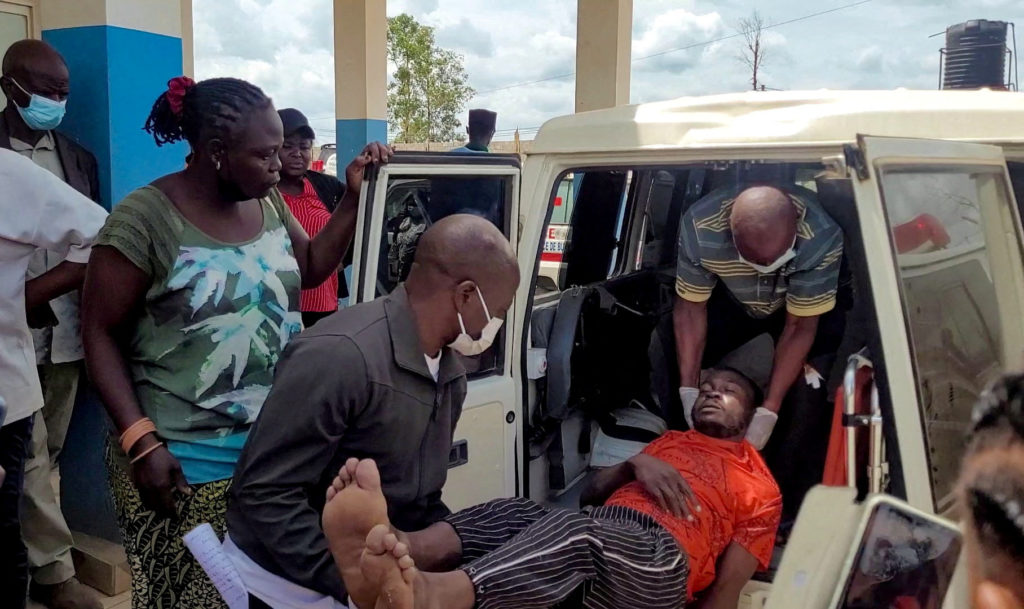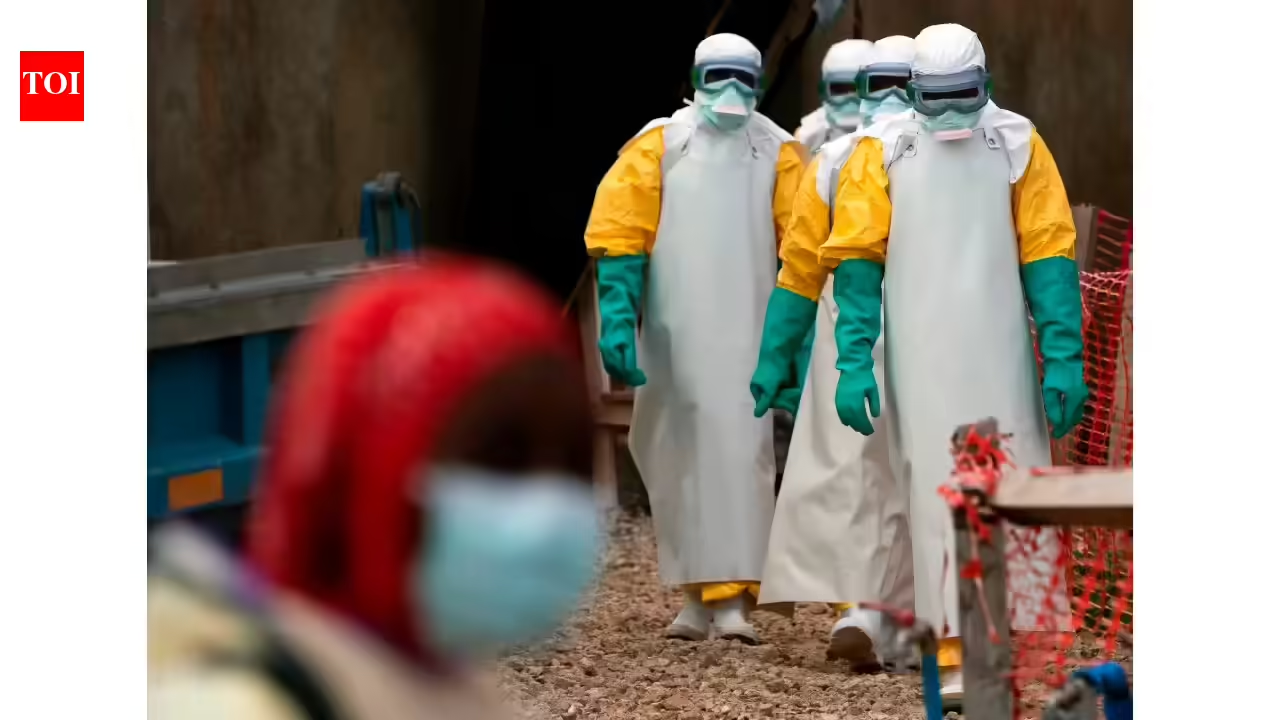
(Picture credit: AP)Eastern Congo is battling one of its most dangerous Ebola outbreaks in years. The WHO has declared it a public health emergency of international concern and identified it as the third-largest outbreak of the Bundibugyo strain on record. So far, over 900 suspected cases have been recorded, including 101 confirmed infections, along with at least 220 suspected deaths.“We are now playing catch-up with a very fast-moving epidemic,” said WHO director general Tedros Adhanom Ghebreyesus, as reported by AP.The outbreak is centered in Bunia, capital of Ituri province, a region more than 1,000 kilometres from Kinshasa that has long been ravaged by armed conflict.Why this strain is differentThe Bundibugyo type of Ebola is rare, and crucially, there is no approved vaccine or treatment for it. Early tests in this outbreak screened for a more common Ebola strain, losing valuable weeks. Experts are still trying to pinpoint exactly when it began.There are few places in the region capable of testing for Bundibugyo. Clinics often run on generators and a major airport that serves as a humanitarian hub has been in rebel hands for over a year. Health workers on the ground have told journalists they are underprepared and unprotected, and an unknown number have now been infected. A Congolese doctor died on Sunday in Rwampara.Adding urgency: the International Federation of Red Cross and Red Crescent Societies believes three volunteers died in Mongbwalu in late March after handling bodies during work unrelated to Ebola. If confirmed, that would push the outbreak’s true start back weeks before the first officially recorded death in late April.Violence undermines the responseHealthcare facilities have been attacked three times in a single week. On Sunday, armed young men stormed Mongbwalu General Hospital, demanding that two bodies of their relatives be handed over. Gunfire broke out and medical staff were forced to evacuate patients. “Mongbwalu General Hospital is on general alert,” the hospital's medical director, Dr. Richard Lokudu, told the Associated Press.The day before, residents set fire to a tent for Ebola patients operated by Doctors Without Borders in Mongbwalu, and more than a dozen suspected cases fled. On Thursday, a treatment center in Rwampara was burned after relatives were barred from retrieving the body of a suspected Ebola patient.Ebola spreads through close contact with the bodily fluids of sick or deceased patients. The WHO has directed that funerals be conducted only by trained personnel, with families permitted to be present, and has prohibited cross-border movement of remains unless authorized under international biosafety provisions. But distrust runs deep.Why people don’t trust the respondersAid workers like Red Cross volunteer Vanny Birungi face a dual threat: the virus and community hostility. She has been pelted with stones and verbal abuse while raising awareness in Bunia.“We continue to tell them that the disease is out there. Some accept, and others don’t,” she said.For many residents, skepticism stems from years of trauma and broken promises. Armed groups have killed thousands and displaced many more in this region, and outsiders are viewed with deep suspicion.“These people should stop bothering us. They just want to get rich. Let's not forget that Ebola is a white man's invention,” said Pierre Basola, a 56-year-old Bunia resident.Anger is amplified by burial practices: Ebola prevention protocols prevent families from handling their dead in accordance with cultural traditions. Some residents simply don't believe the virus exists. “The only way to go, as far as this particular virus is concerned, is community engagement,” said Yakubu Mohammed Saani, country director for Action Aid in Congo.“Trust is almost as important as the health response, because if you get this massive distrust in the communities, they're not going to go to the health centers,” said Heather Kerr, country director for the International Rescue Committee.Bigger pictureCongo has experienced 17 Ebola outbreaks, and the WHO says the country has the capacity to respond. But surveillance systems have been weakened by cuts to US and international aid. Both the WHO and the Africa CDC believe the outbreak is already larger than official figures suggest.“The last time Ebola came, it was not on the scale that we see today,” said Mado Nditamba, 70, a Bunia resident. “We go to the doctors in the hospitals, but they also die. We don't know what to do and we leave everything to God.”Catch all LIVE updates on the US-Iran conflict, Israel-Iran war, Donald Trump reactions, and global oil market impact here.
Rare strain, community distrust, lack of vaccine: All you need to know about Congo’s Ebola crisis
Eastern Congo is battling one of its most dangerous Ebola outbreaks in years. The WHO has declared it a public health emergency of international concern and identified it as the third-largest outbreak of the Bundibugyo strain on record.
731 words~3 min read