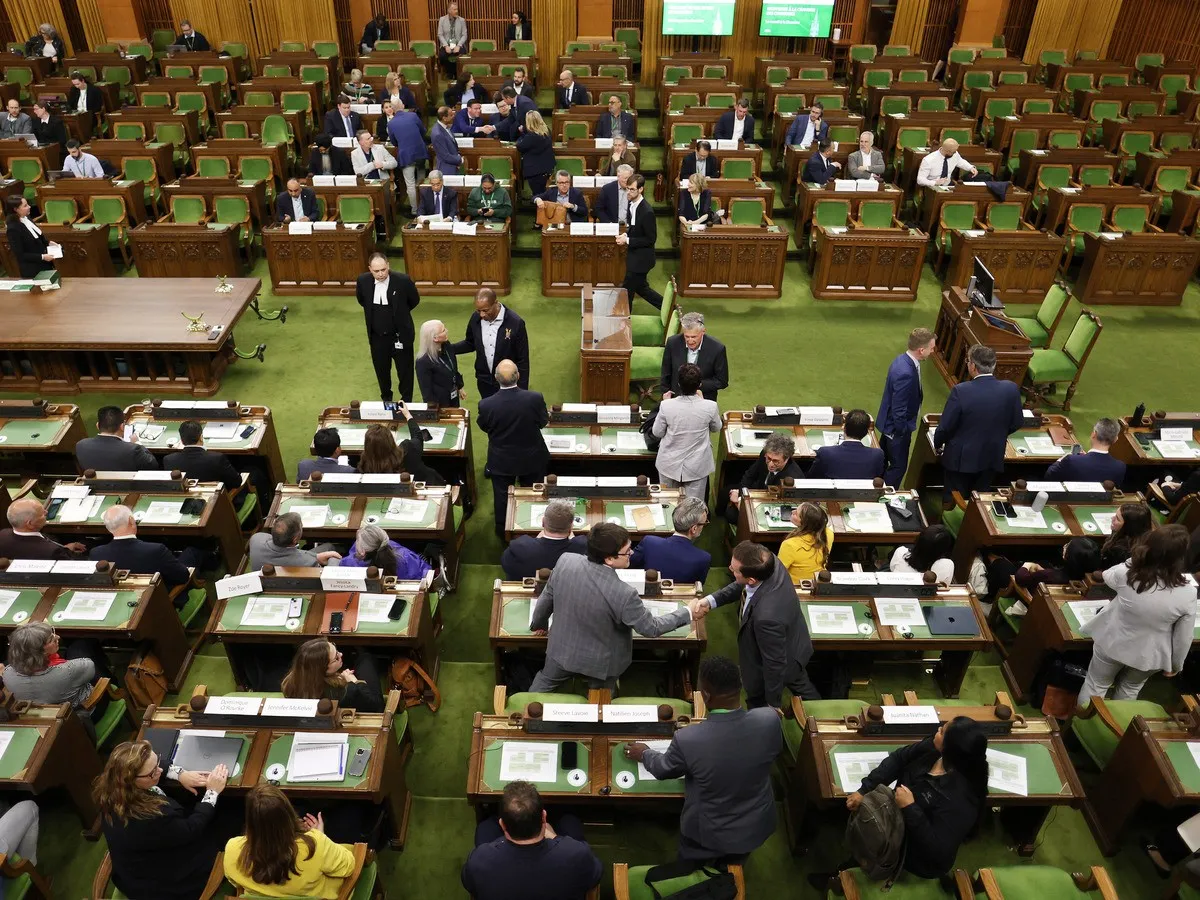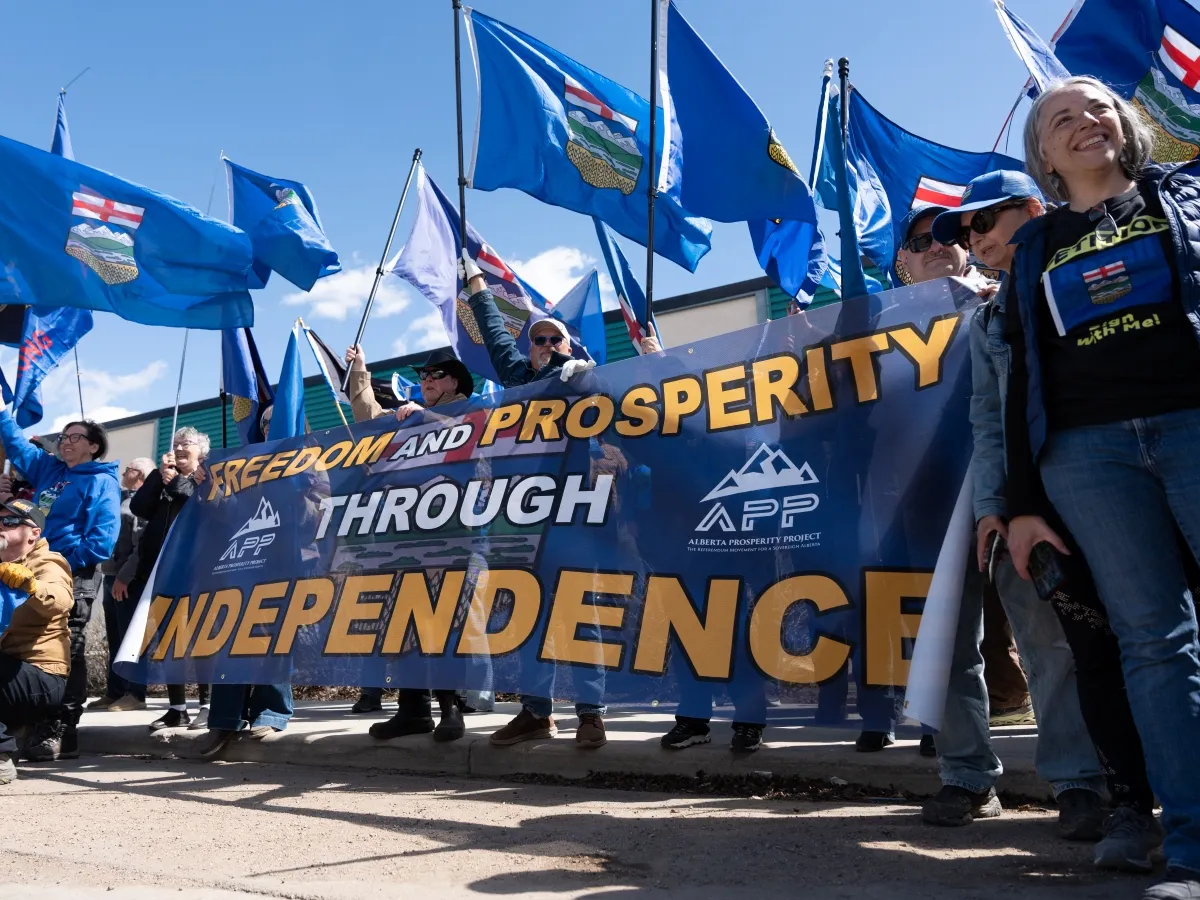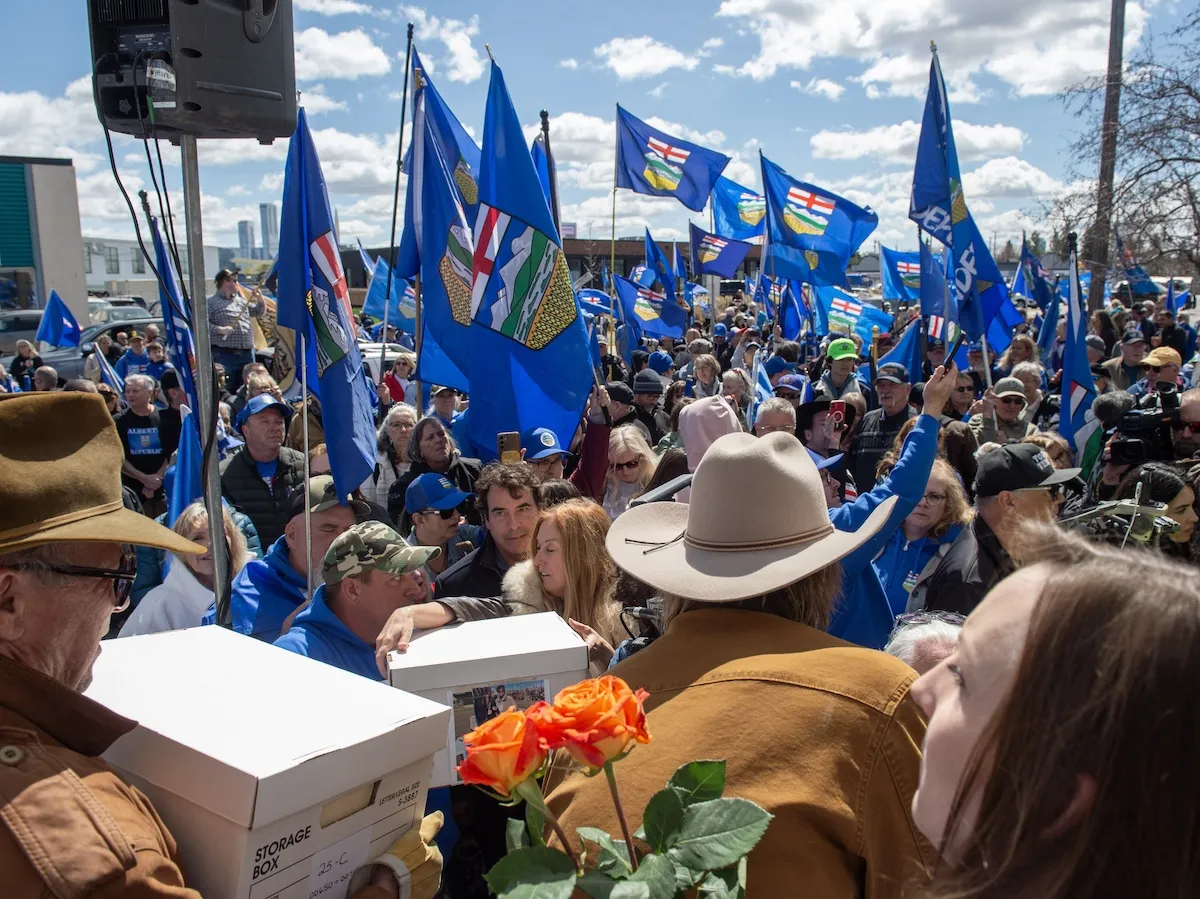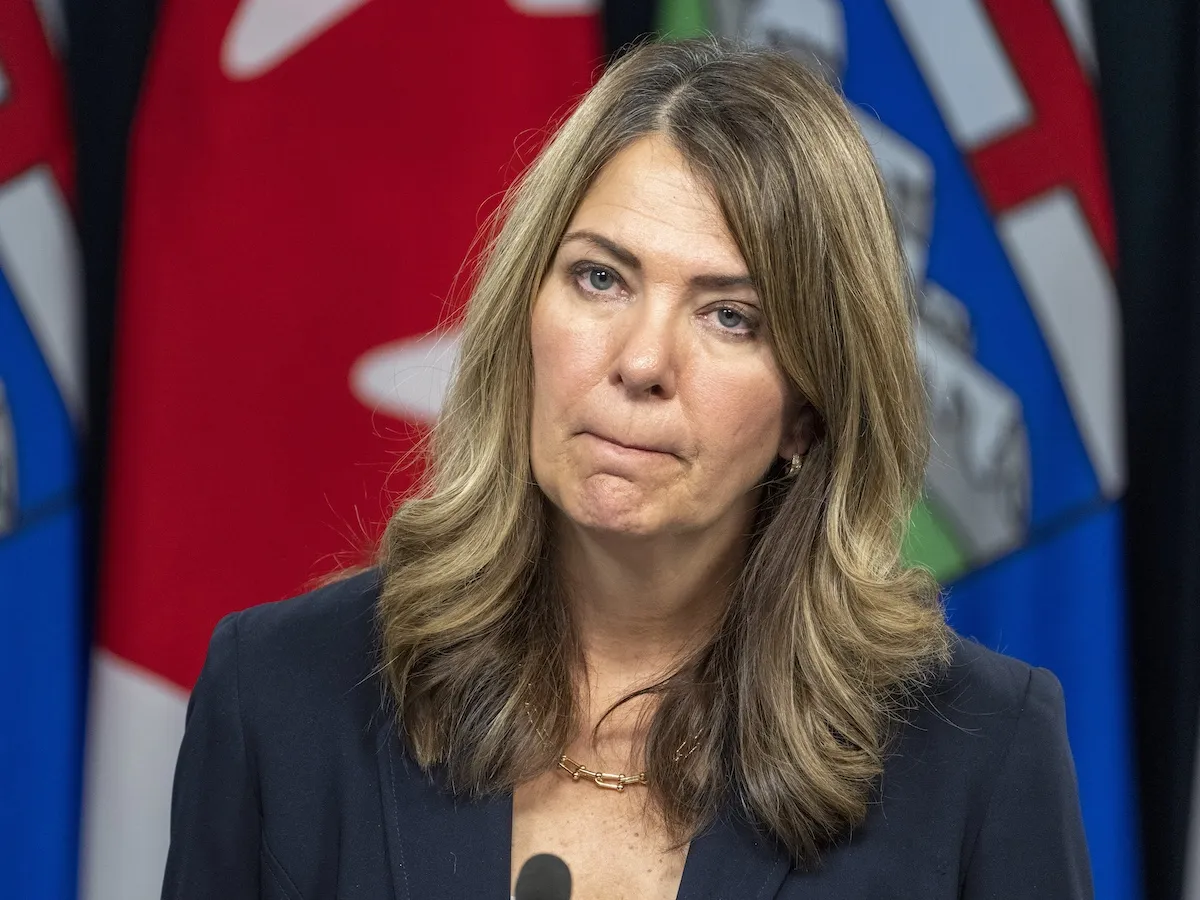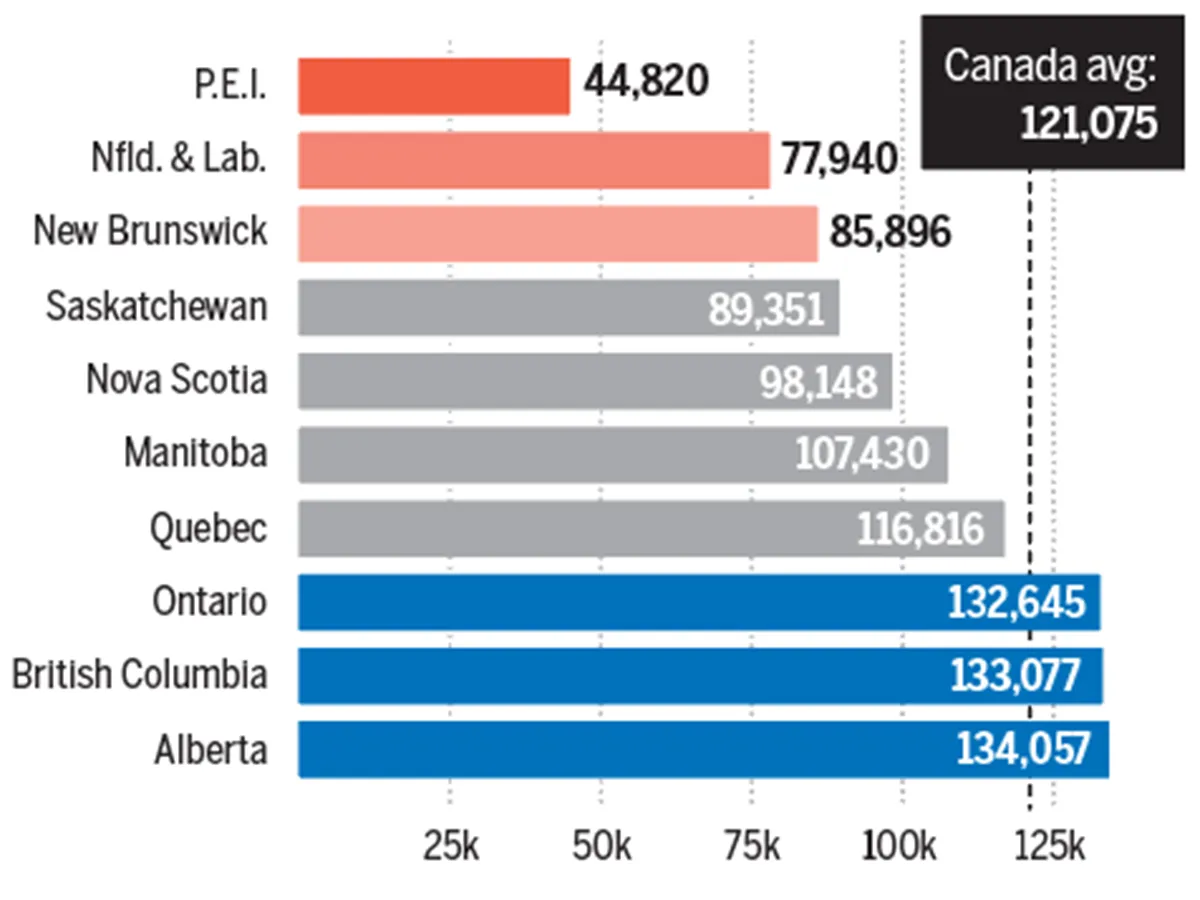
Skip to Content Subscribe Our Offers My Account Manage My Subscriptions FAQ Newsletters Canada Canadian True Crime Canadian Politics Health World Israel & Middle East Financial Post NP Comment Longreads Puzzmo Diversions Comics NP News Quiz New York Times Crossword Horoscopes Life Eating & Drinking Style Sponsored Play for Ontario Travel Travel Canada Travel USA Travel International Cruises Travel Essentials Culture Books Celebrity Movies Music Theatre Television Business Essentials Advice Lives Told Tails Told Shopping Buy Canadian Home Living Outdoor Living Tech Style & Beauty Kitchen & Dining Personal Care Entertainment & Hobbies Gift Guide Travel Guide Deals Savings National Post Store More Sports Hockey Baseball Basketball Football Soccer Golf Tennis Driving Vehicle Research Reviews News Gear Guide Obituaries Place an Obituary Place an In Memoriam Classifieds Place an Ad Celebrations Working Business Ads Archives Healthing Epaper Manage Print Subscription Profile Settings My Subscriptions Saved Articles My Offers Newsletters Customer Service FAQ Newsletters Canada World Financial Post NP Comment Longreads Puzzmo Diversions Life Shopping Epaper Manage Print Subscription HomeNewsCanadaCanadian PoliticsReforming Parliament seat distribution could help douse Western separatist flames: reportA re-imagined 350-seat House of Commons could correct imbalances that have long seen Ontario, Alberta and B.C. underrepresented in OttawaLast updated 17 minutes ago You can save this article by registering for free here. Or sign-in if you have an account.A graphic showing the average number of residents represented by each member of Parliament, by province, as of 2025. Photo by Aristotle Foundation /Brice Hall / National PostA new report proposes establishing a 350-seat Parliament in an effort to correct for imbalances in the House of Commons that have long left Ontario, Alberta and B.C. underrepresented compared with other provinces. Enjoy the latest local, national and international news.Exclusive articles by Conrad Black, Barbara Kay and others. Plus, special edition NP Platformed and First Reading newsletters and virtual events.Unlimited online access to National Post.National Post ePaper, an electronic replica of the print edition to view on any device, share and comment on.Daily puzzles including the New York Times Crossword.Support local journalism.Enjoy the latest local, national and international news.Exclusive articles by Conrad Black, Barbara Kay and others. Plus, special edition NP Platformed and First Reading newsletters and virtual events.Unlimited online access to National Post.National Post ePaper, an electronic replica of the print edition to view on any device, share and comment on.Daily puzzles including the New York Times Crossword.Support local journalism.Create an account or sign in to continue with your reading experience.Access articles from across Canada with one account.Share your thoughts and join the conversation in the comments.Enjoy additional articles per month.Get email updates from your favourite authors.Create an account or sign in to continue with your reading experience.Access articles from across Canada with one accountShare your thoughts and join the conversation in the commentsEnjoy additional articles per monthGet email updates from your favourite authorsSign In or Create an AccountorIn the study, the Calgary-based Aristotle Foundation for Public Policy points out that Alberta currently has the lowest representation among provinces in the House, with one member of Parliament for every 135,057 citizens, when compared against 2025 population numbers. British Columbia has one MP per 133,077, while Ontario has one per 132,645. That is well higher than Prince Edward Island (44,820), Quebec (116,816), Saskatchewan (89,351) and other Canadian provinces. “Political representation in Canada at present is not representative of the actual populations in each province,” it said. The report comes as resentments over a range of issues — including a lack of federal representation in the House of Commons and Senate — has fed separatist sentiments in Alberta in particular. Alberta Premier Danielle Smith has proposed a referendum in October that will ask, among other things, whether Canada should amend the Canadian constitution to “abolish the unelected federal Senate.” The Aristotle study, called “It’s 2026, not 1867: A 21st-century review of population and representation in the House of Commons,” compared representation in both the federal chambers over the last 50 years, and found that under-representation in Ontario, Alberta and B.C. has remained constant. As of 2025, British Columbia was the most under-represented province in the Senate compared to its population, with 953,720 people per senator. Alberta was the next highest at 826,683. P.E.I., by comparison, had one per 44,820 people, Nova Scotia had one per 107,963 and Quebec had one senator per 379,651 people. “One part of our rationale for change is that continued imbalances in representation will exacerbate Western alienation and feed potential separatist sentiment in Western Canada,” the authors said. “Another part of the rationale for change is that the principle of representation by population is critically necessary for legitimacy in a democracy, and Canadians deserve a House of Commons that reflects 21st-century realities, not those of 1867 or even 1982.” The report was co-authored by Mark Milke, the head of Aristotle Foundation and former Canadian Taxpayers Federation director; Ven Venkatachalam, an economist; and Gordon Campbell, a former Canadian diplomat and premier of B.C. from 2001 to 2011. “Canada’s House of Commons should reflect 21st-century population realities and restore a greater sense of fairness across the country,” Milke said in a statement.The imbalance in the House of Commons or Senate is the result of a number of legal provisions, including a clause that stipulates that provinces should not have fewer MPs than they have senators. That, combined with another clause that ensures provinces have no fewer MPs than they had under a pre-set benchmark (which the Liberal government recently updated to 2019 levels), has led to “chronic underrepresentation” among some provinces, the report said. As a potential remedy, the report’s authors suggest establishing a 350-seat Parliament, up from the current 343, to adjust for imbalances. Under such a scenario — which the authors note would require legal and constitutional changes — Ontario would gain 12 seats, British Columbia would gain five, and Alberta would gain five. Saskatchewan, meanwhile, would lose three seats, Manitoba would lose one, and Quebec and the Atlantic provinces would all forgo two seats apiece.The seat count in the House would be capped at 350, combined with regular redistribution to ensure fair representation according to population. The authors acknowledge that cutting back representation for many provinces is “not a middle reform,” but argue it could be necessary for dampening Western separatist frustrations. “In a national and constitutional crisis — should separatism soar in one or more Western provinces or revitalize in Quebec — fairness in parliamentary representation should be on the negotiating table.”Gordon Campbell, who wrote the report’s foreword, said that Canada has gradually drifted away from its “one person, one vote” ideals. While the country has made major democratic strides since confederation, like granting women the right to vote, Campbell said the weighting of voting power has become skewed away from a few select provinces, undermining the democratic process. “That founding principle of democracy has been severely eroded in Canada today,” he wrote. “Different citizens in different parts of the country have different rights — whether they are indigenous or non-indigenous, or are considered ‘privileged’ or ‘oppressed.’ When Canadians go to the ballot box and cast a vote, more inequality results: the weight of their vote differs by province, with some worth more and others worth less.”Our website is the place for the latest breaking news, exclusive scoops, longreads and provocative commentary. Please bookmark nationalpost.com and sign up for our politics newsletter, First Reading, here. Join the Conversation This website uses cookies to personalize your content (including ads), and allows us to analyze our traffic. Read more about cookies here. By continuing to use our site, you agree to our Terms of Use and Privacy Policy.
Reforming Parliament seat distribution could help douse Western separatist flames: report
A re-imagined 350-seat House of Commons could correct imbalances that have long seen Ontario, Alberta and B.C. underrepresented in Ottawa
1,268 words~6 min read