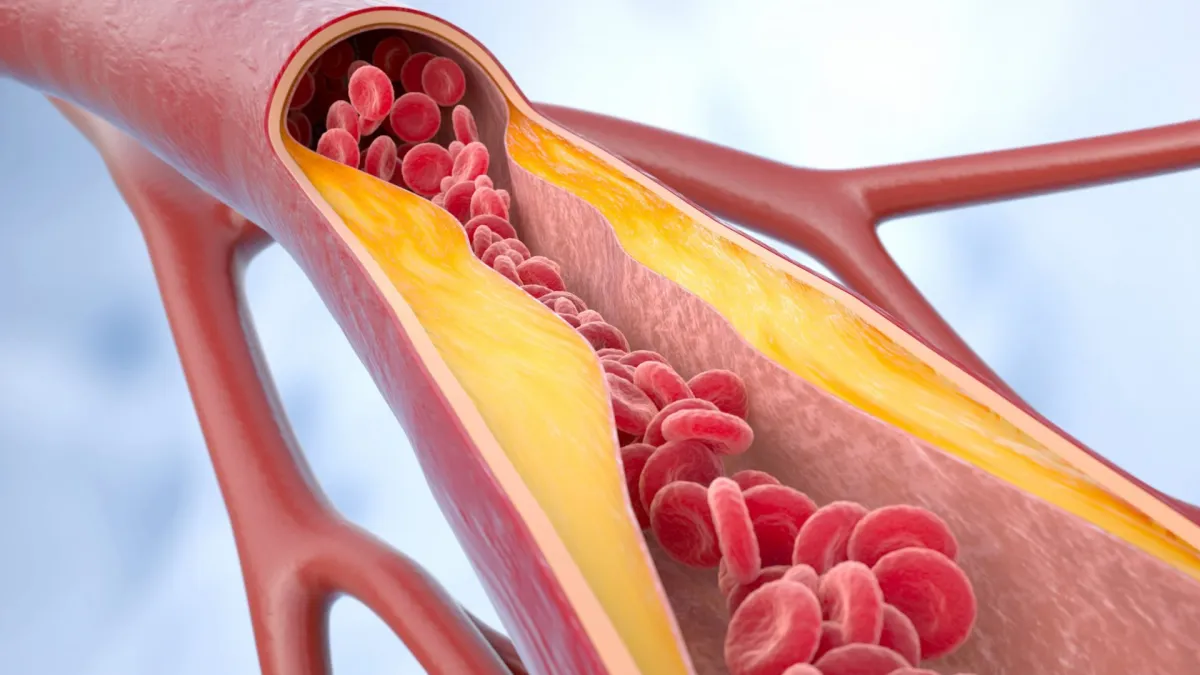
A new Finnish study shows that blood markers of dysfunctional lipid metabolism are associated with poorer cognitive function in 15–17-year-olds. The findings are significant because brain development during adolescence is rapid, and protecting it from an early age is critical for lifelong brain health. Preventing lipid metabolism dysfunction from childhood may support not only cardiovascular health, but also healthy brain development.
The study, a collaboration between the Institute of Biomedicine at the University of Eastern Finland and the Preventive Health Research Unit at South-Eastern Finland University of Applied Sciences (Xamk), examined associations between blood-based metabolic biomarkers and cognitive function in 251 adolescents aged 15–17.
The work is published in the journal Pediatric Research.
The researchers found that higher blood concentrations of markers indicating lipid dysfunction, including total cholesterol, LDL cholesterol, VLDL cholesterol, triglycerides, and saturated fatty acids, were associated with slower processing speed, meaning reduced capacity for rapid information processing during a cognitive task.
The study also found that higher serum concentrations of omega-3 and omega-6 fatty acids, as well as polyunsaturated fatty acids, were associated with poorer performance on tasks requiring fast processing speed. However, a more favorable ratio of omega-3 to total fatty acids, a marker of better cardiovascular health, was associated with better working memory.