Preserved global brain structure appeared to buffer cognitive decline in people with Alzheimer's pathology.Younger-appearing brains had weaker links between pathology and poorer outcomes in multiple cognitive domains.Other measures of brain reserve or cognitive reserve showed no clear protective cognitive effect.
Greater structural brain integrity appeared to buffer the cognitive consequences of Alzheimer's disease pathology, cross-sectional data suggested.
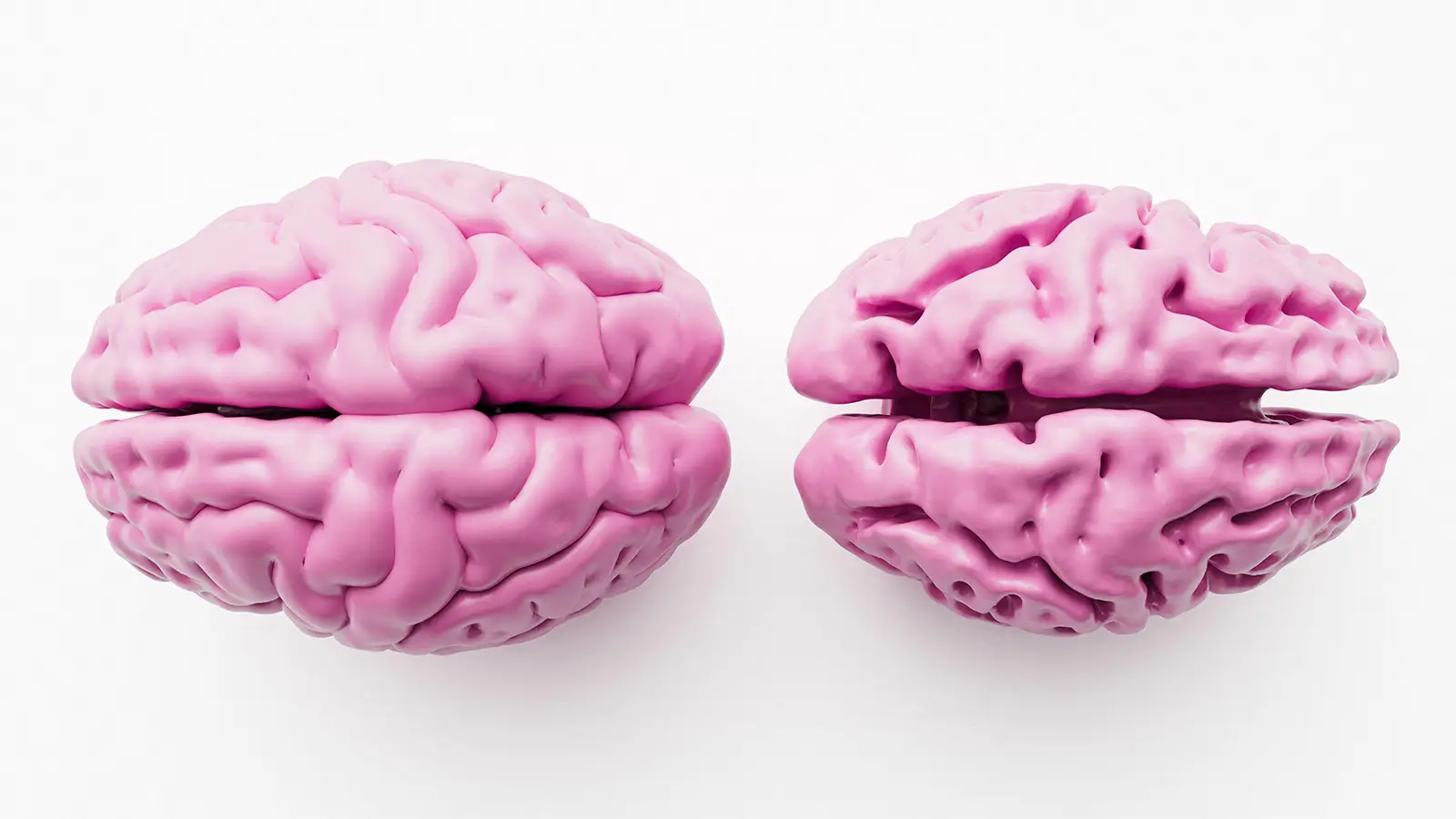
The study evaluated two markers of brain reserve -- brain-predicted age difference (brain-PAD) and a volumetric Alzheimer's disease signature -- in cognitively unimpaired older adults. Brain-PAD, a marker of overall structural brain health, uses MRI data to determine how much older or younger a brain appears relative to chronological age.
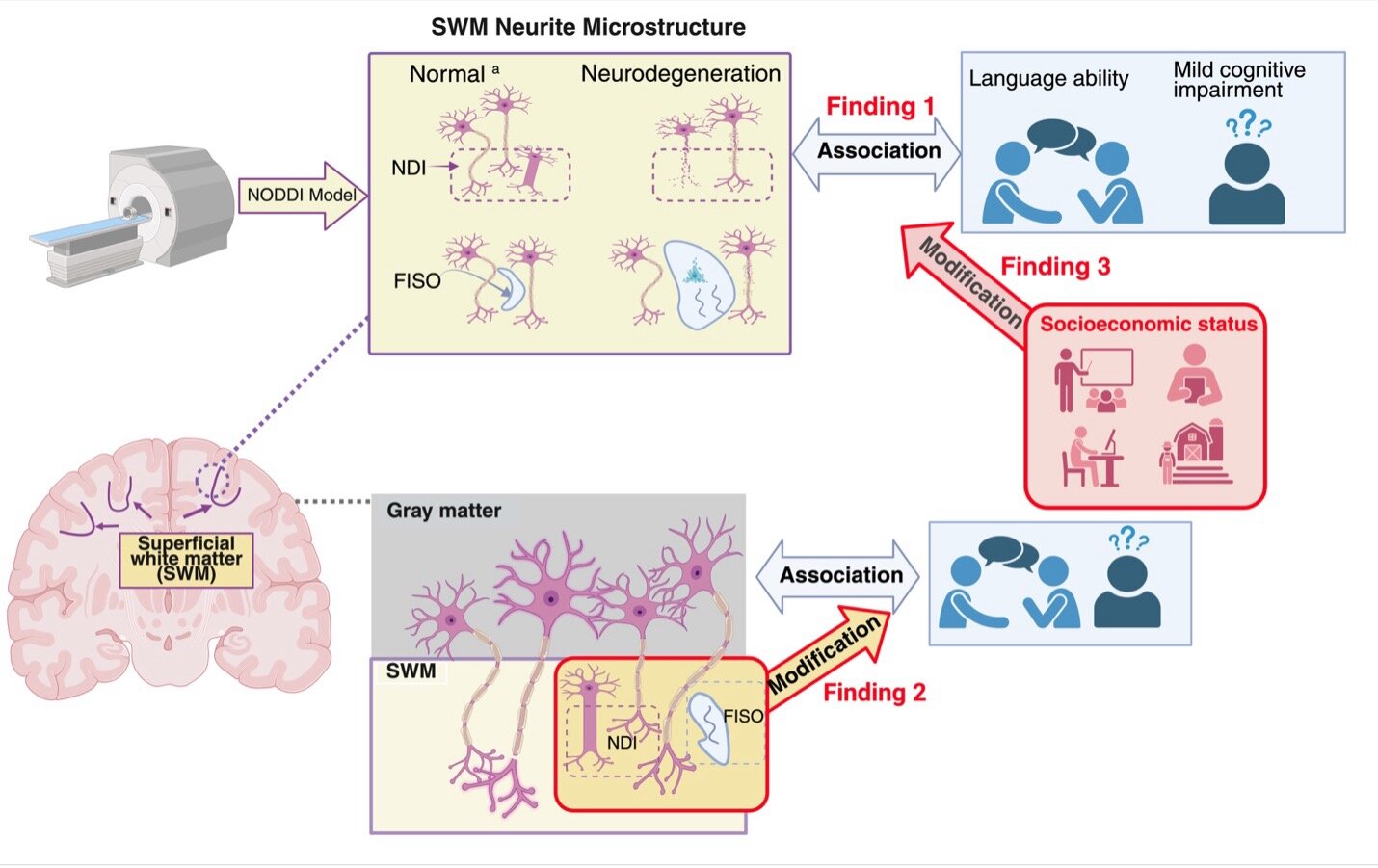
Two markers of cognitive reserve, socioeconomic status and years of education, also were assessed.
Brain-PAD moderated the association between Alzheimer's pathology and multiple cognitive domains, including episodic memory (β = -0.09), processing speed (β = -0.08), working memory (β = -0.10), and executive function/attentional control (β = -0.08), reported Kelsey Sewell, PhD, of Murdoch University School of Allied Health in Perth, Australia, and co-authors.