picture alliance / Getty Images
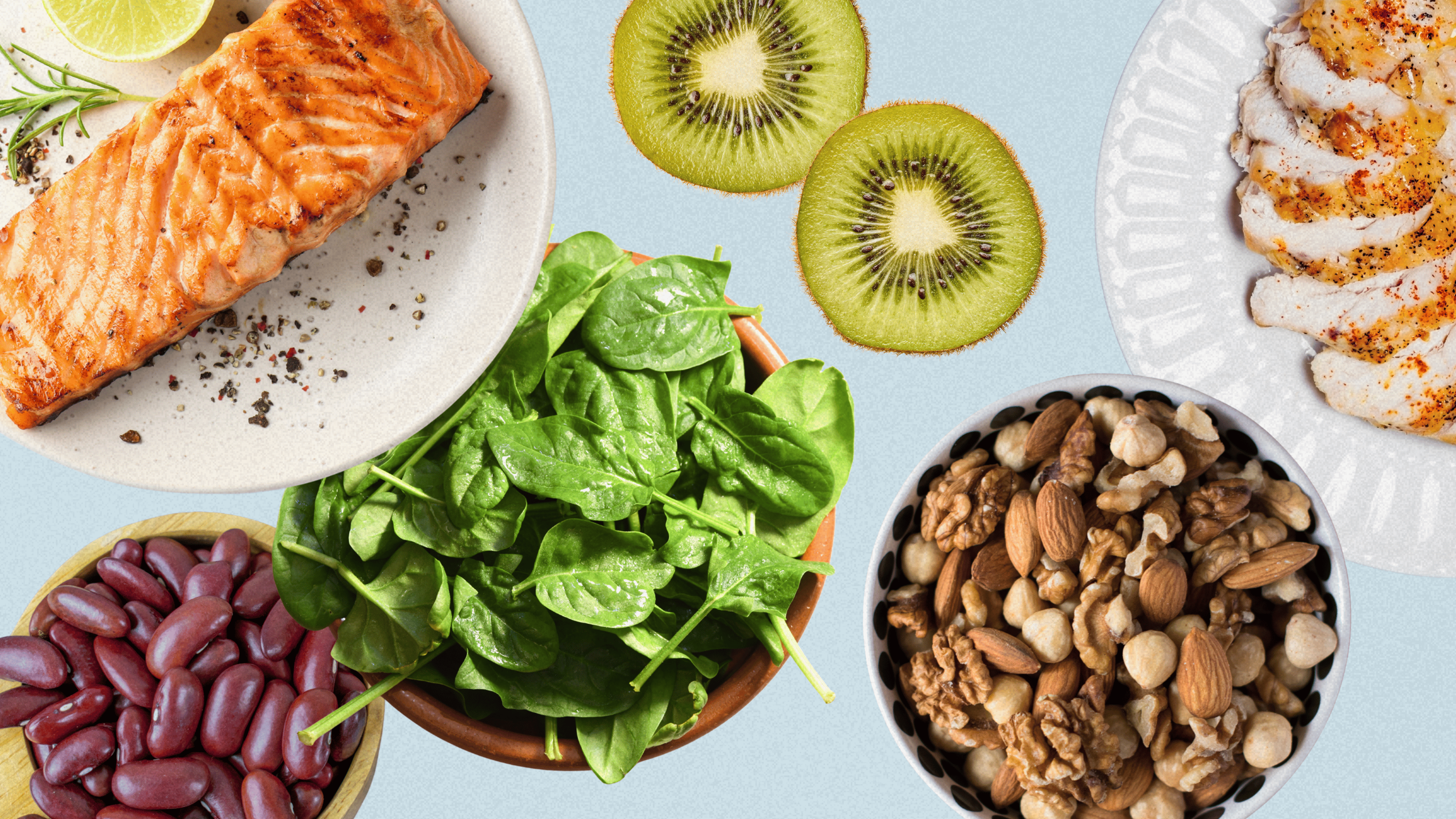
Brain health nutrition sits in an uncomfortable middle ground between genuine science and wellness marketing, and the two are difficult to tell apart without reading the research rather than the headlines. The headlines tend to describe individual foods as brain superfoods, citing studies that are typically conducted in isolation — a single nutrient tested in a laboratory, or a single food studied in a small population over a short period — without acknowledging that the human brain runs on a complex interplay of nutrients, not a single compound. The wellness marketing takes those headlines and strips out whatever nuance remained.
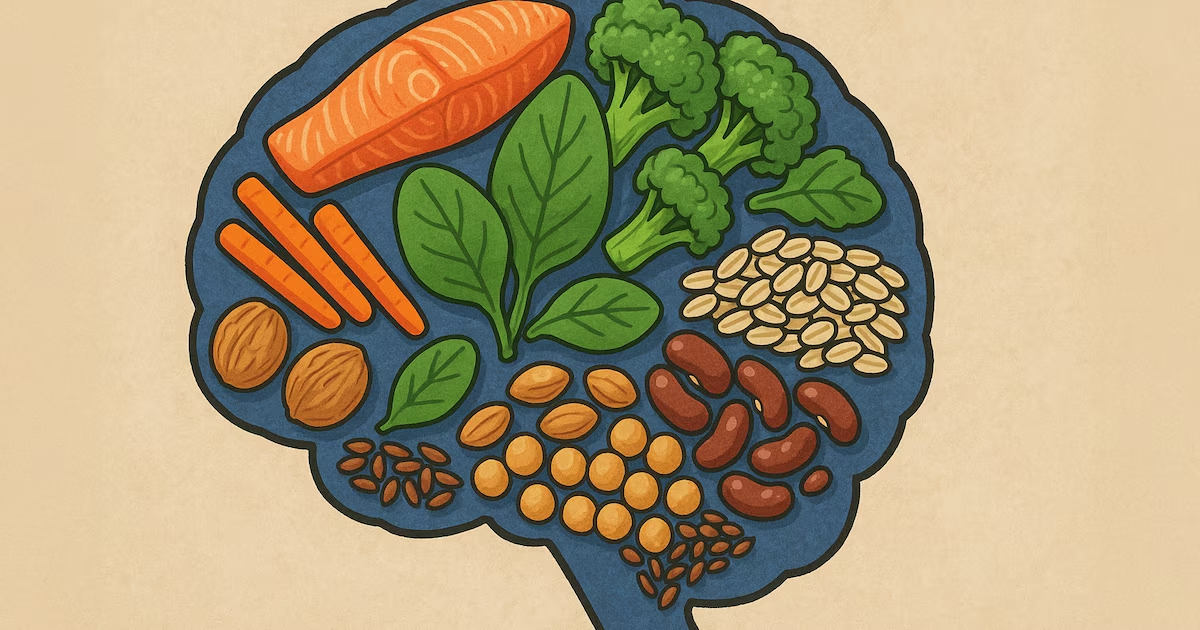
The actual science is less dramatic and more useful. There is strong evidence that diet affects brain function, both in the short term — meal composition influences concentration, mood, and cognitive performance within hours — and in the long term, with dietary patterns over years and decades associated with meaningfully different rates of cognitive decline, dementia risk, and mood disorder. The evidence is strongest for dietary patterns rather than individual foods — the Mediterranean diet and the MIND diet (a hybrid of Mediterranean and DASH eating patterns specifically designed to reduce dementia risk) have the most robust long-term research behind them. But within those patterns, specific foods contribute specific nutrients that the brain requires for specific functions, and understanding which foods contribute what is useful.