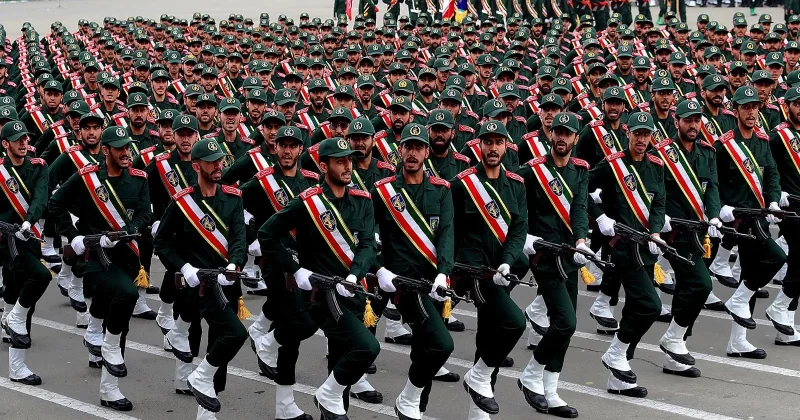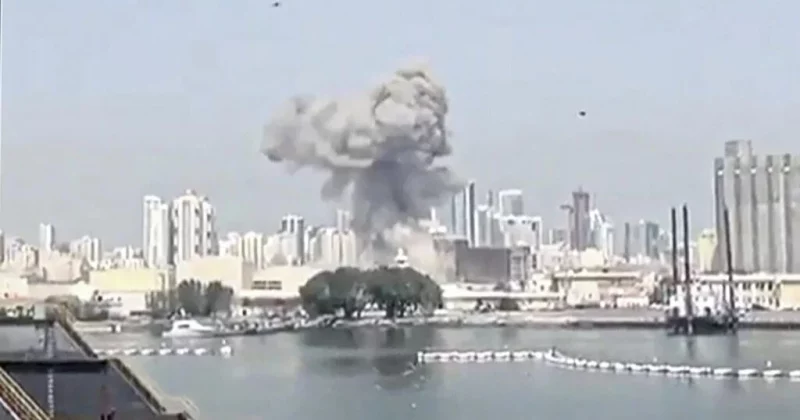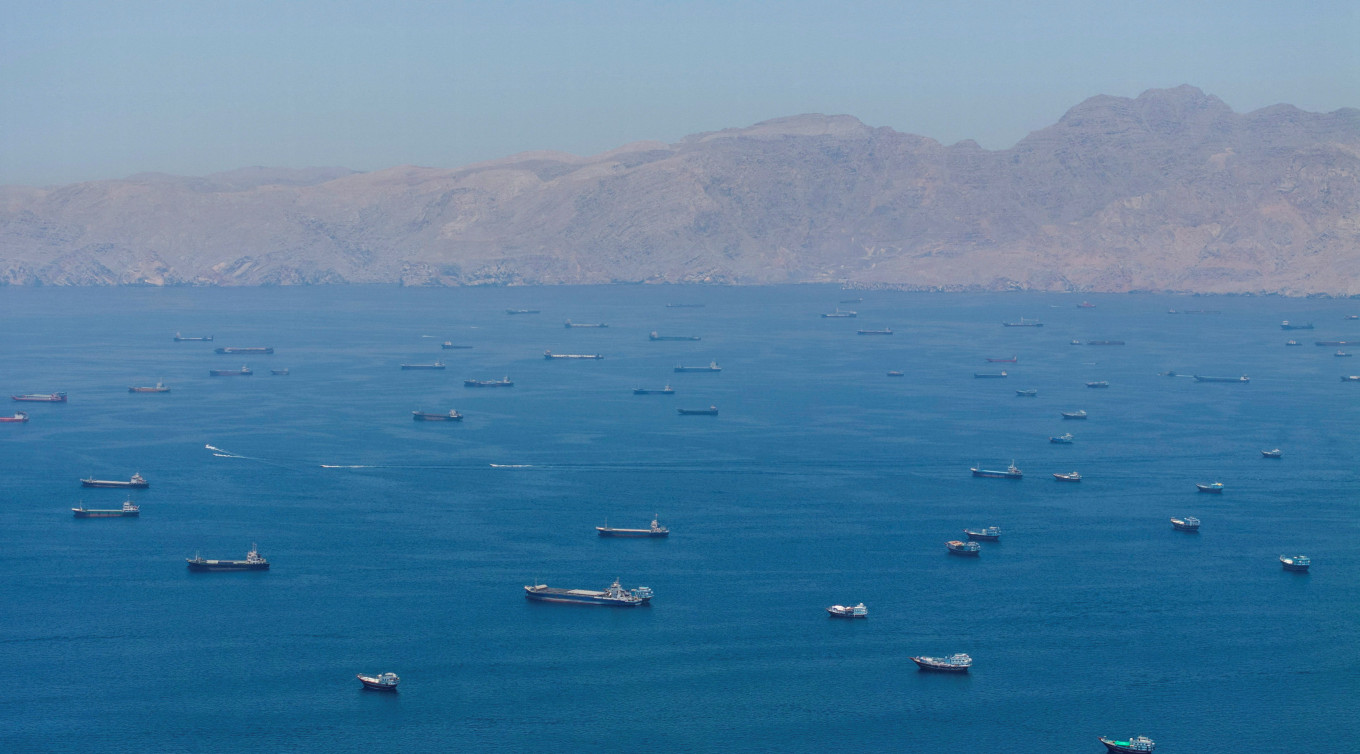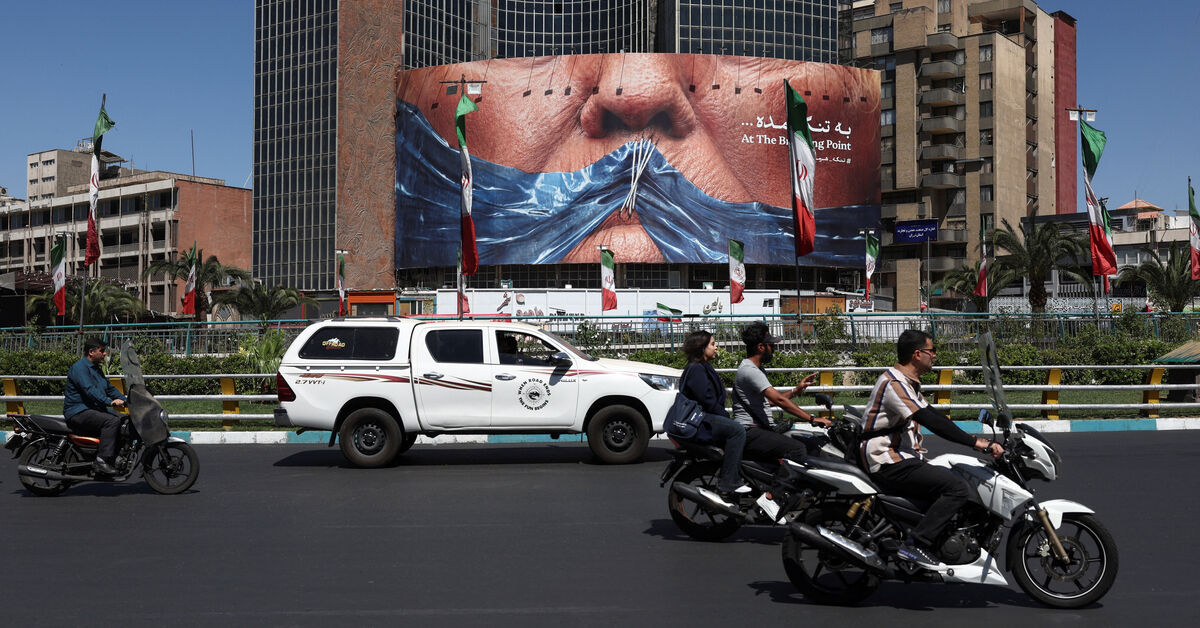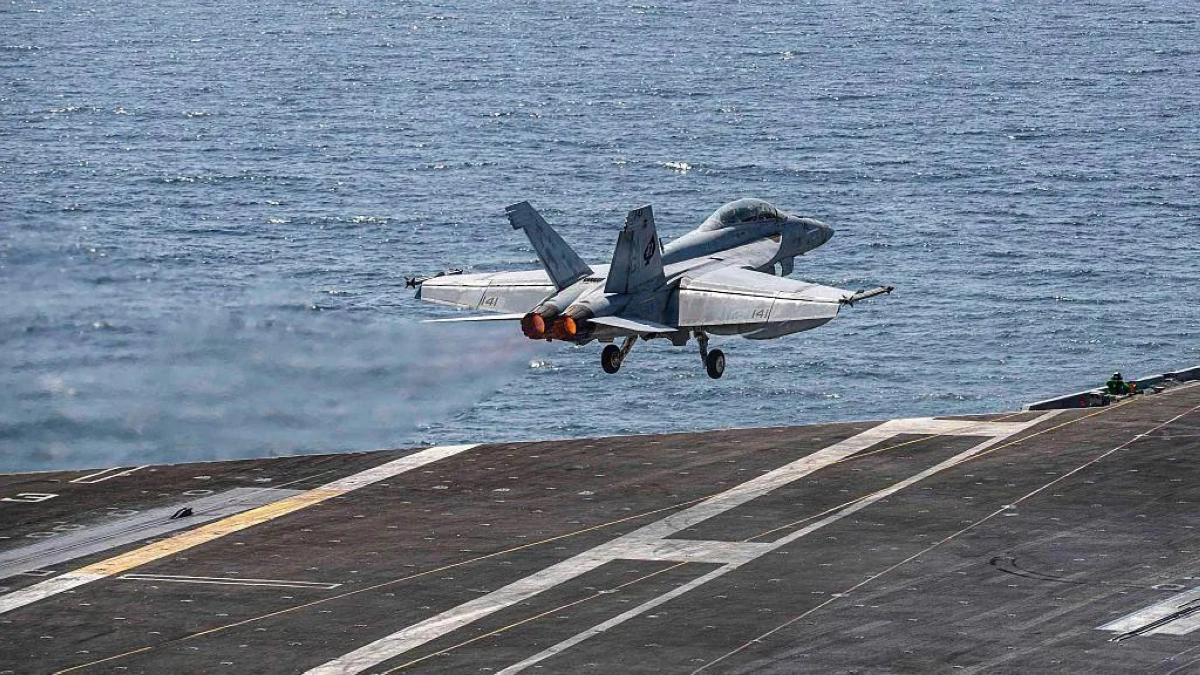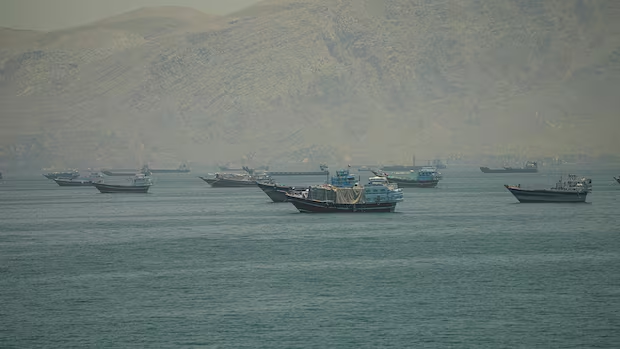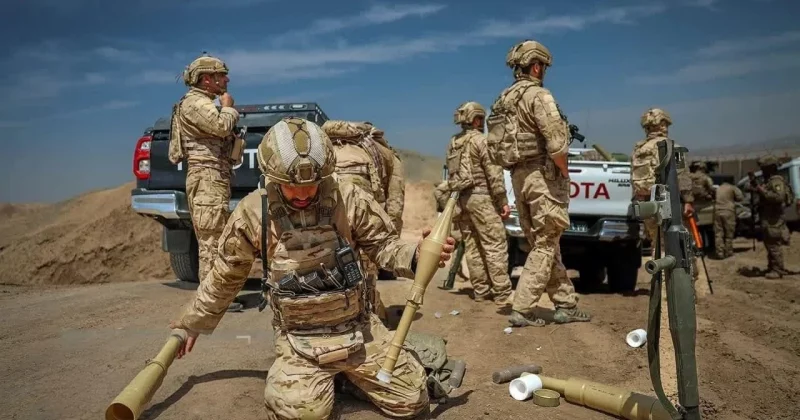
Iran’s Islamic Revolutionary Guard Corps launched an attack on a US airbase on May 27-28, marking a sharp escalation in the military back-and-forth that has defined the Strait of Hormuz crisis for months. The strike came barely 24 hours after US forces hit Iranian missile launch sites in what the Pentagon described as self-defense measures to protect American personnel and commercial shipping in the region.
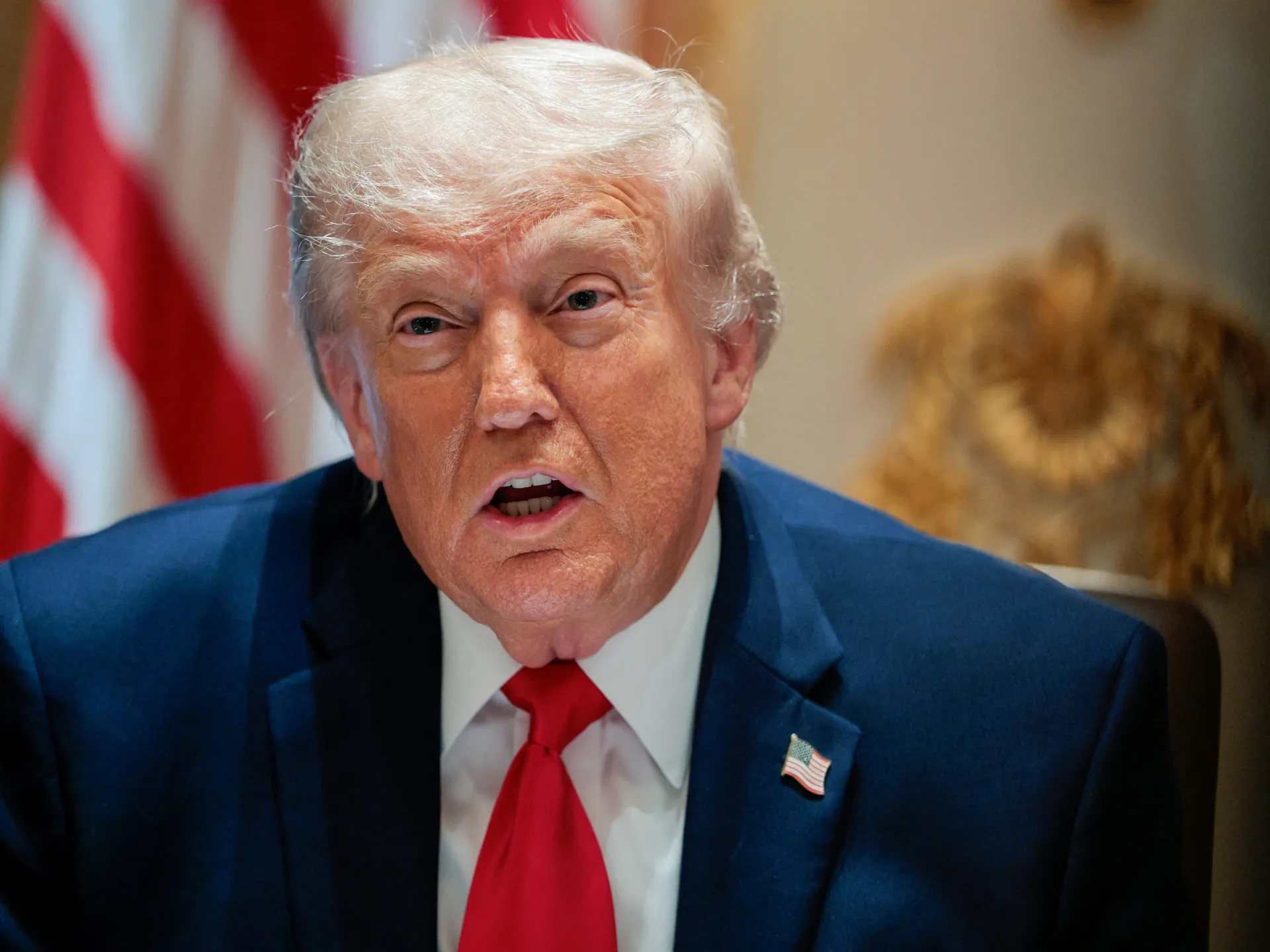
Then President Trump poured gasoline on the situation. On May 28, he dismissed Iranian state media reports of a draft deal to restore shipping traffic through the Strait, calling the claims a “complete fabrication.” Whatever diplomatic oxygen existed in the room vanished almost instantly.
What happened and why it matters
Here’s the timeline. On May 26-27, the US conducted airstrikes targeting Iranian military positions near the Strait of Hormuz. The Pentagon framed these as defensive operations, aimed at neutralizing threats to US forces and the commercial vessels that depend on the waterway for transit. Iran responded with its own strike on a US airbase within roughly a day, an unusually fast retaliation cycle that signals both capability and willingness to escalate.
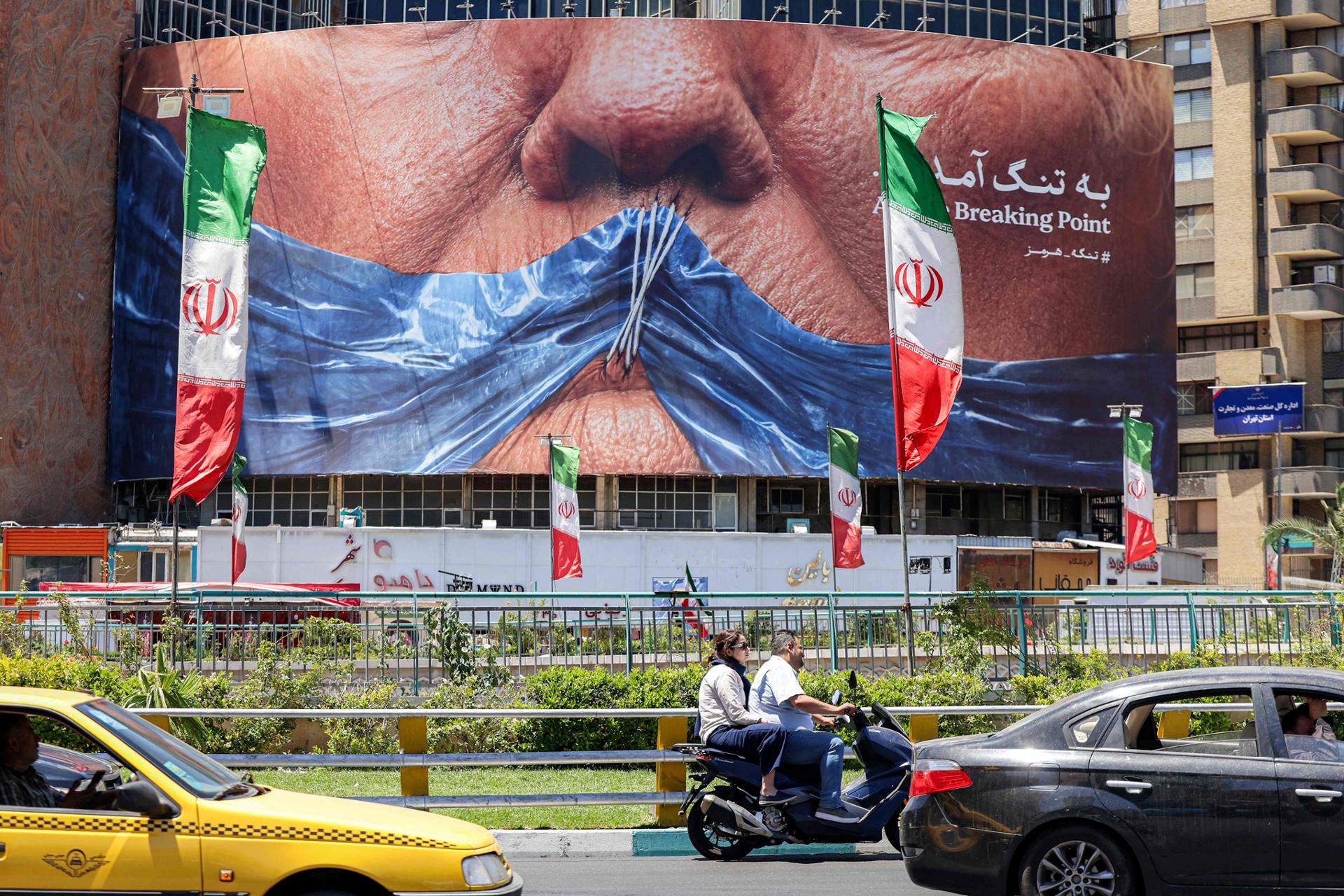
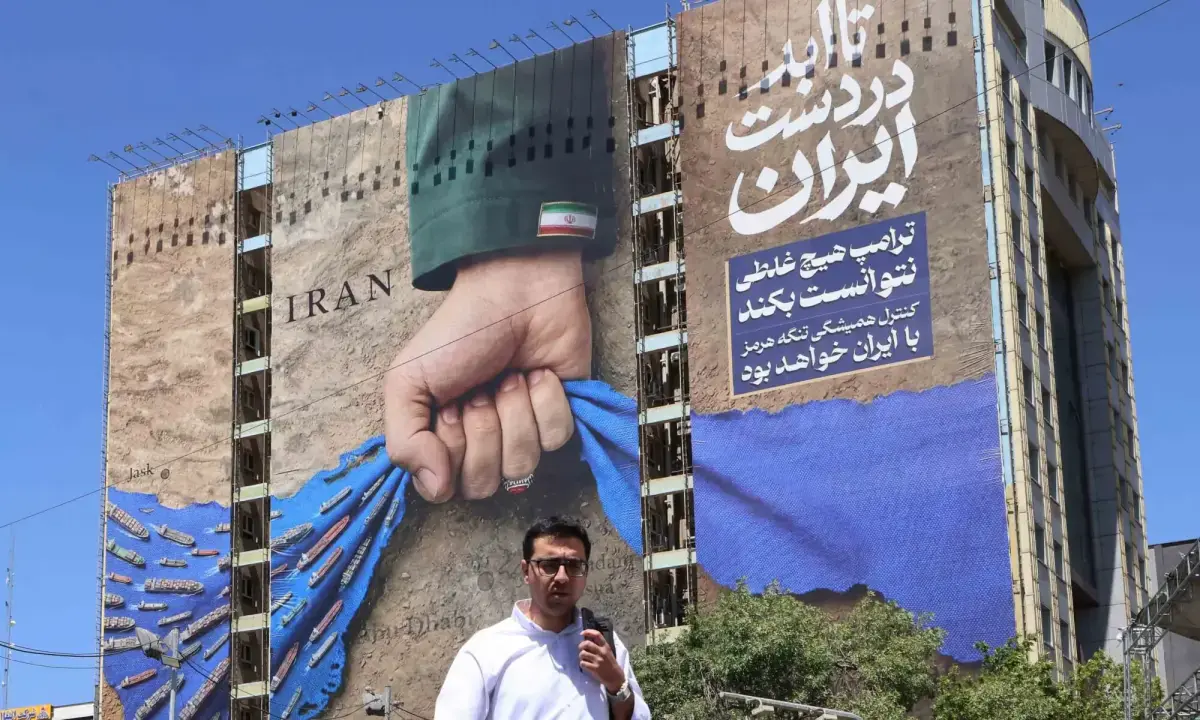
Iran has imposed closures and restrictions on the Strait at various points since the broader conflict kicked off with US-Israeli strikes in late February 2026. Each closure has triggered rounds of negotiations and, when diplomacy stalls, military responses from the US aimed at forcing the waterway back open.