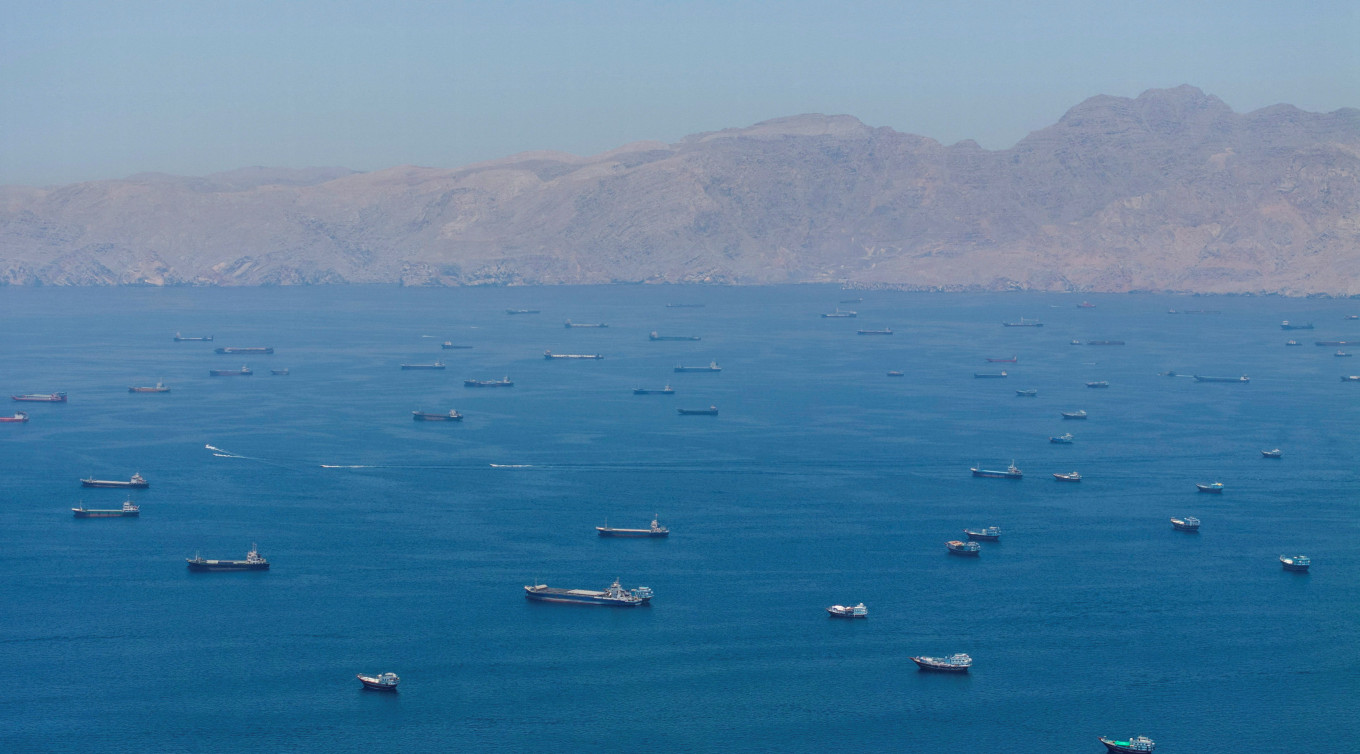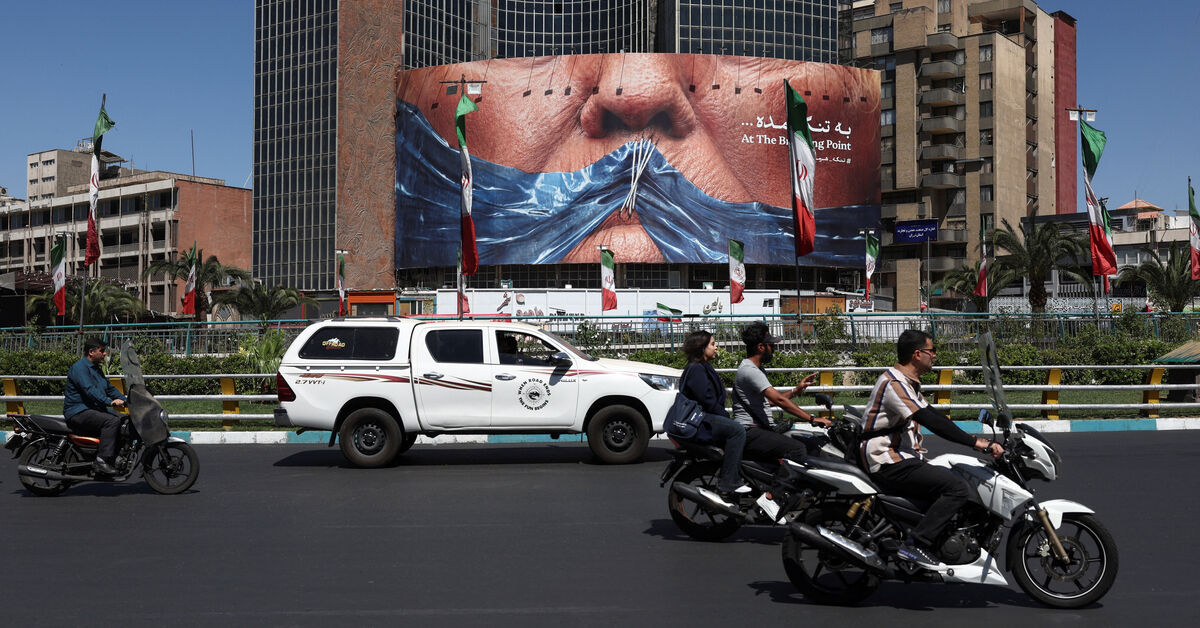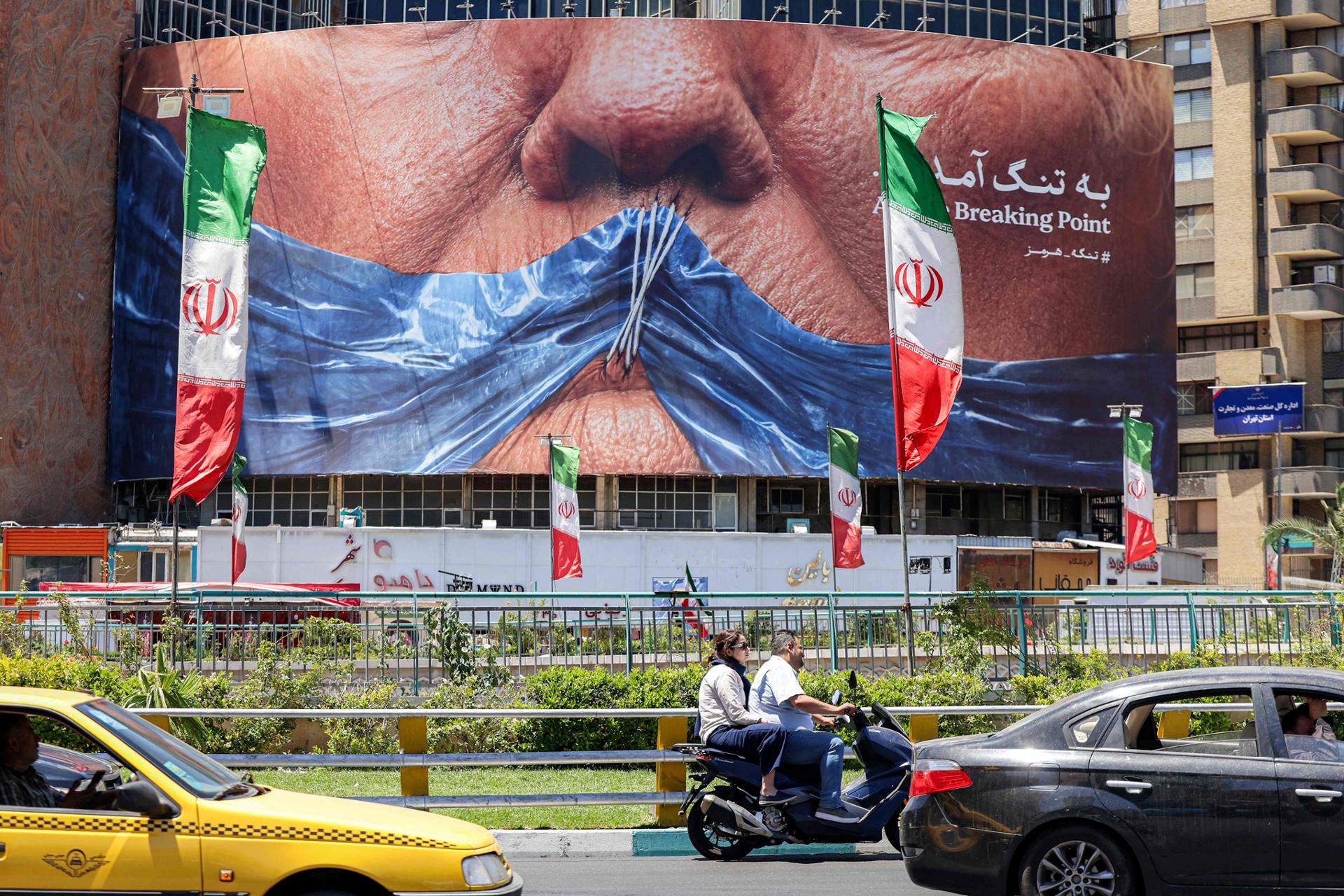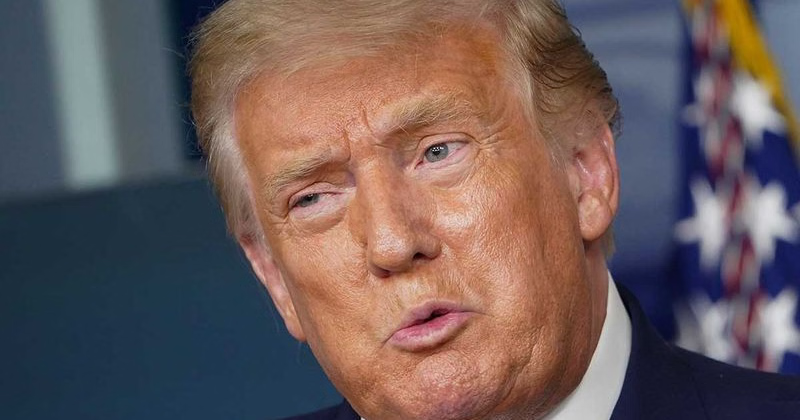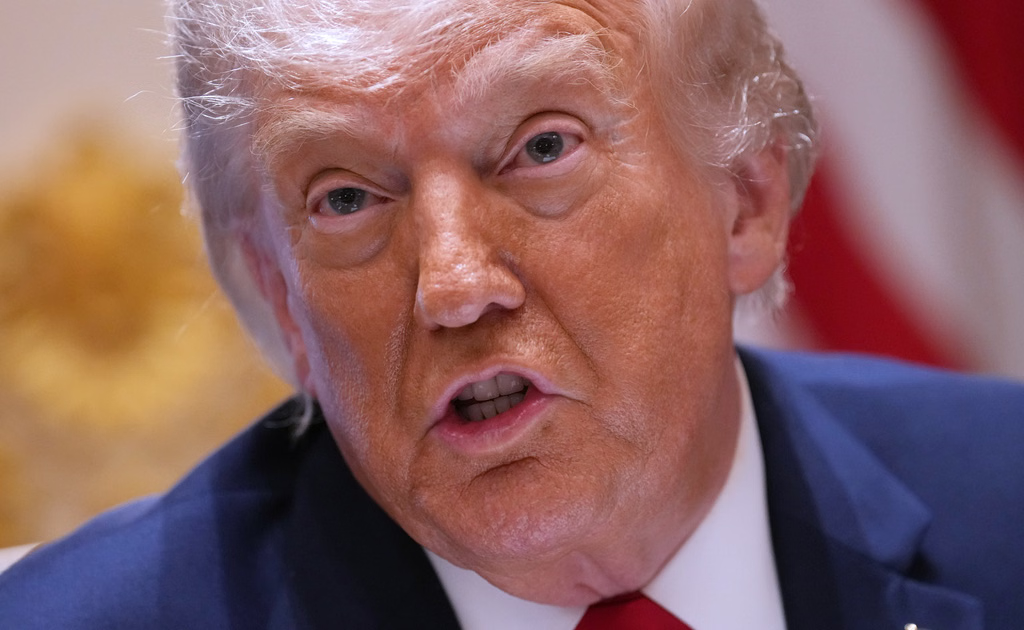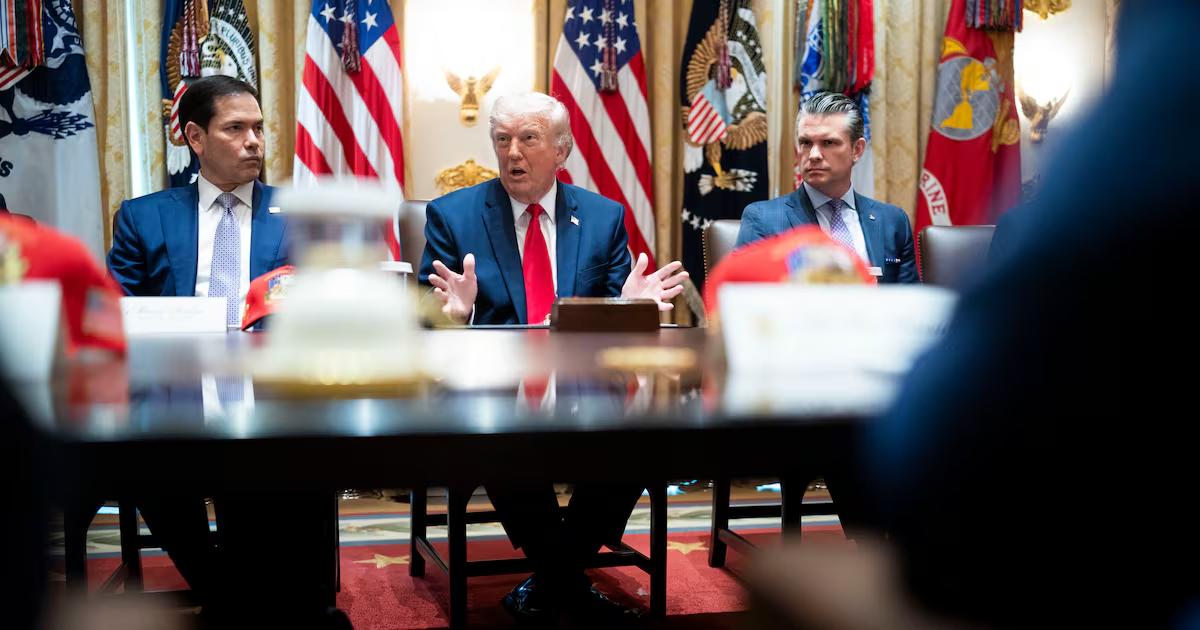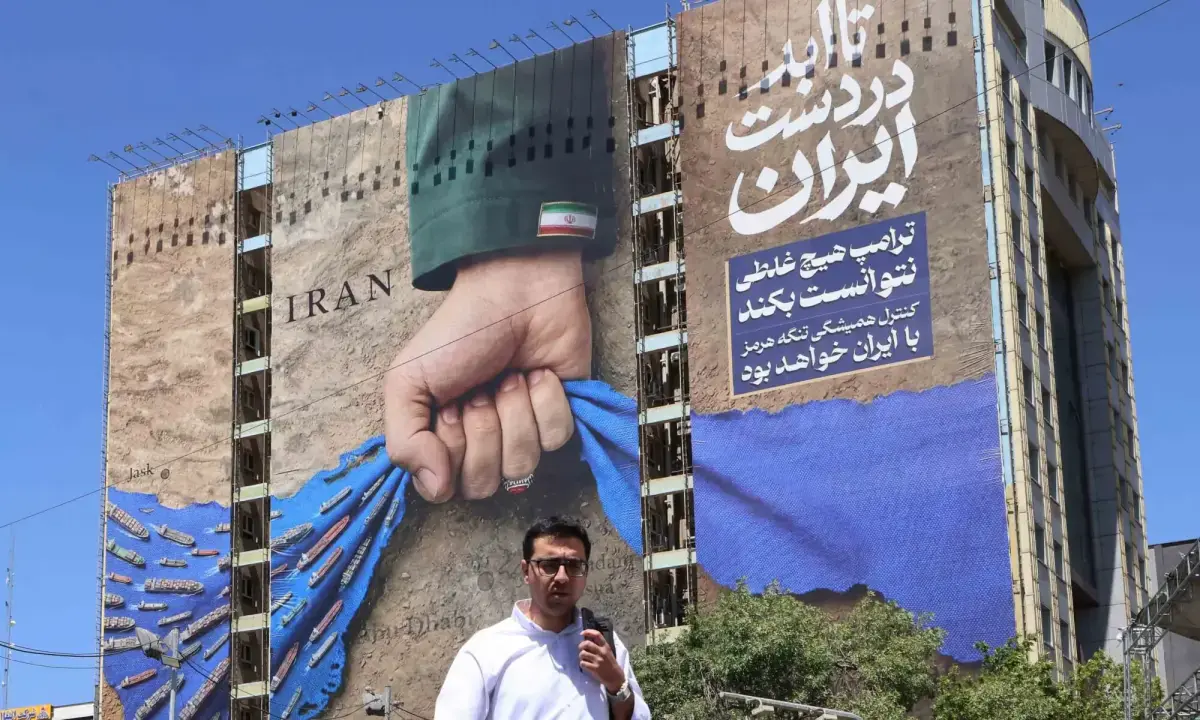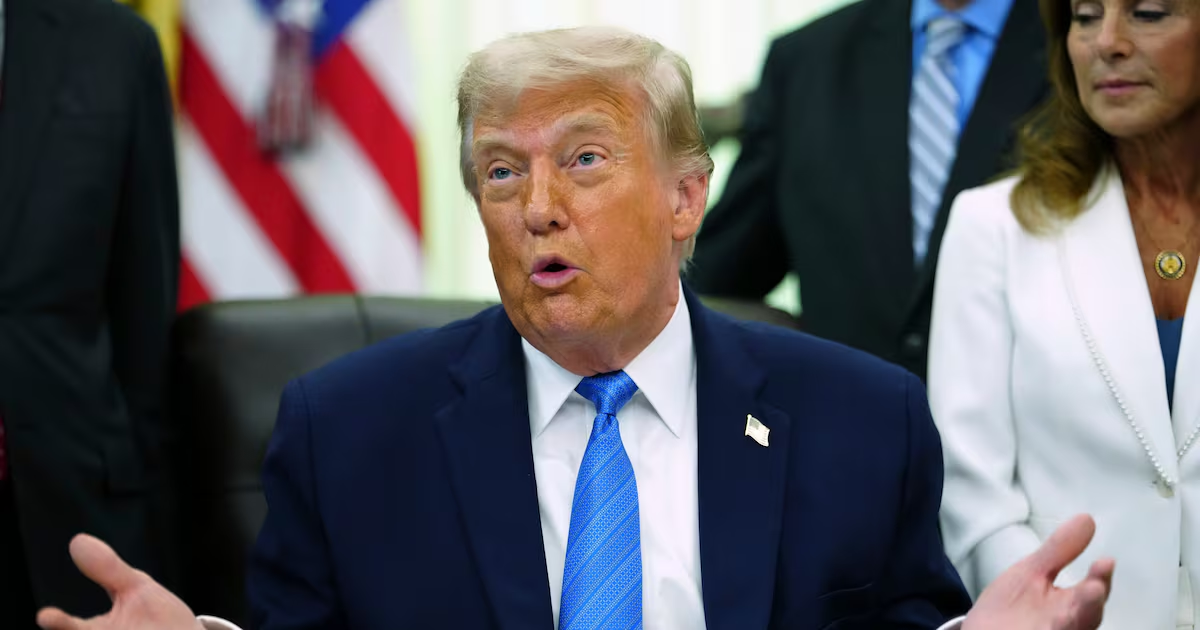
Iran has targeted a US air base in Kuwait, after the United States struck what Washington described as an Iranian drone operation near the Strait of Hormuz and President Donald Trump rejected a reported compromise deal with Tehran.The attacks, while limited, highlighted the fragility of negotiations to turn the tenuous ceasefire that took effect in early April into an agreement to end the three-month-old war, which has killed thousands and choked off the vital shipping route.US Central Command said US forces shot down five Iranian attack drones and struck a ground control station in the Iranian port city of Bandar Abbas that was about to launch a sixth drone.Kuwaiti forces then intercepted a ballistic missile fired towards the country, which hosts a large US base."These actions were measured, purely defensive and intended to maintain the ceasefire," said a US official, who requested anonymity to speak candidly about military operations.The Islamic Revolutionary Guard Corps (IRGC) said it had targeted the US base responsible for the early-morning attack in Bandar Abbas, and vowed that any repeat would lead to a "more decisive response", the IRGC-affiliated Tasnim news agency reported.Kuwait condemned the attack and demanded that Iran immediately halt what it called a serious escalation.The violence, the second flare-up this week, coincided with the Muslim holiday of Eid al-Adha being celebrated across the region, where multiple countries have been caught up in the conflict triggered by US and Israeli attacks on Iran on February 28.People inspect the damage at the site of an Israeli strike on Beirut's southern suburbs on Thursday. (Reuters: Raghed Waked)In Lebanon, which Iran says must be part of any overall agreement to end hostilities, Israel said it had begun striking infrastructure belonging to Iran-backed Hezbollah militants in Tyre, and had carried out a strike in the capital Beirut.The Lebanese army said a strike had killed one of its soldiers, while Israel, which has displaced hundreds of thousands of people with a push deep into Lebanon in pursuit of Hezbollah, said air raid sirens had gone off in its north.No country will control strait, Trump saysMr Trump has repeatedly said the end of the war is close, but told media at a cabinet meeting on Wednesday he was not yet satisfied by the negotiations and that the US was not discussing easing sanctions, one of Tehran's key demands.He also dismissed an Iranian state TV report about an unofficial draft of an agreement to restore shipping through the Strait of Hormuz to prewar levels within a month, with Iran and Gulf state Oman jointly managing traffic.Mr Trump said no single country would have control over the waterway, and appeared to threaten Oman, with which the US has decades-long military and economic ties."Nobody's going to control [the strait]," Mr Trump said."It's international waters, and Oman will behave just like everybody else or we'll have to blow them up. They understand that, they'll be fine."Oman has not said anything about the idea of joint control of the strait with Iran, with which it says it has discussed freedom of navigation.US President Donald Trump appeared to threaten Oman, a US ally, during Wednesday's cabinet meeting. (Reuters: Evan Vucci)Tehran expressed solidarity with Oman after what it called "US officials' threats", while Iran's Revolutionary Guards took the opportunity to restate their control of the strait, saying they had stopped two vessels and let 26 through in the past 24 hours.More than 100 ships would pass daily on average before the war.Iranian Supreme Leader Mojtaba Khamenei said in a letter to parliament that Iran had emerged strengthened by the war and urged legislators to preserve national unity, repair damage and address hardship, inflation and corruption, state media said.Tehran is insisting the United States release Iranian funds as part of any deal, according to the deputy secretary of its National Security Council, Ali Bagheri Kani, as quoted in Tasnim.Iran is also seeking an end to a US blockade on its ports and the lifting of sanctions, which the US Treasury Department said on Wednesday it had extended by adding Iran's Persian Gulf Strait Authority, set up to manage passage through the strait.Foreign vessels passed freely through the waterway before the war under international legal guarantees.Iranian state TV said the draft deal would also have the US withdraw military forces from the immediate vicinity, with further discussion on the issue of US troops in the region.The White House said the report was a "complete fabrication", while Tehran did not comment.Iranian sources have said the nuclear issue will be discussed in further talks over 60 days — something that may not be acceptable to some of Mr Trump's closest supporters, who want its nuclear program disbanded.Iran says the program is for peaceful purposes only."The bottom line is Iran's never going to have a nuclear weapon," US Secretary of State Marco Rubio said.Reuters
Iran and US trade air strikes after Trump dismisses Hormuz deal
The US president has repeatedly said the end of the war is close, but told media at a cabinet meeting on Wednesday he was not yet satisfied by the negotiations and the US is not discussing easing sanctions, one of Tehran's key demands.
802 words~4 min read