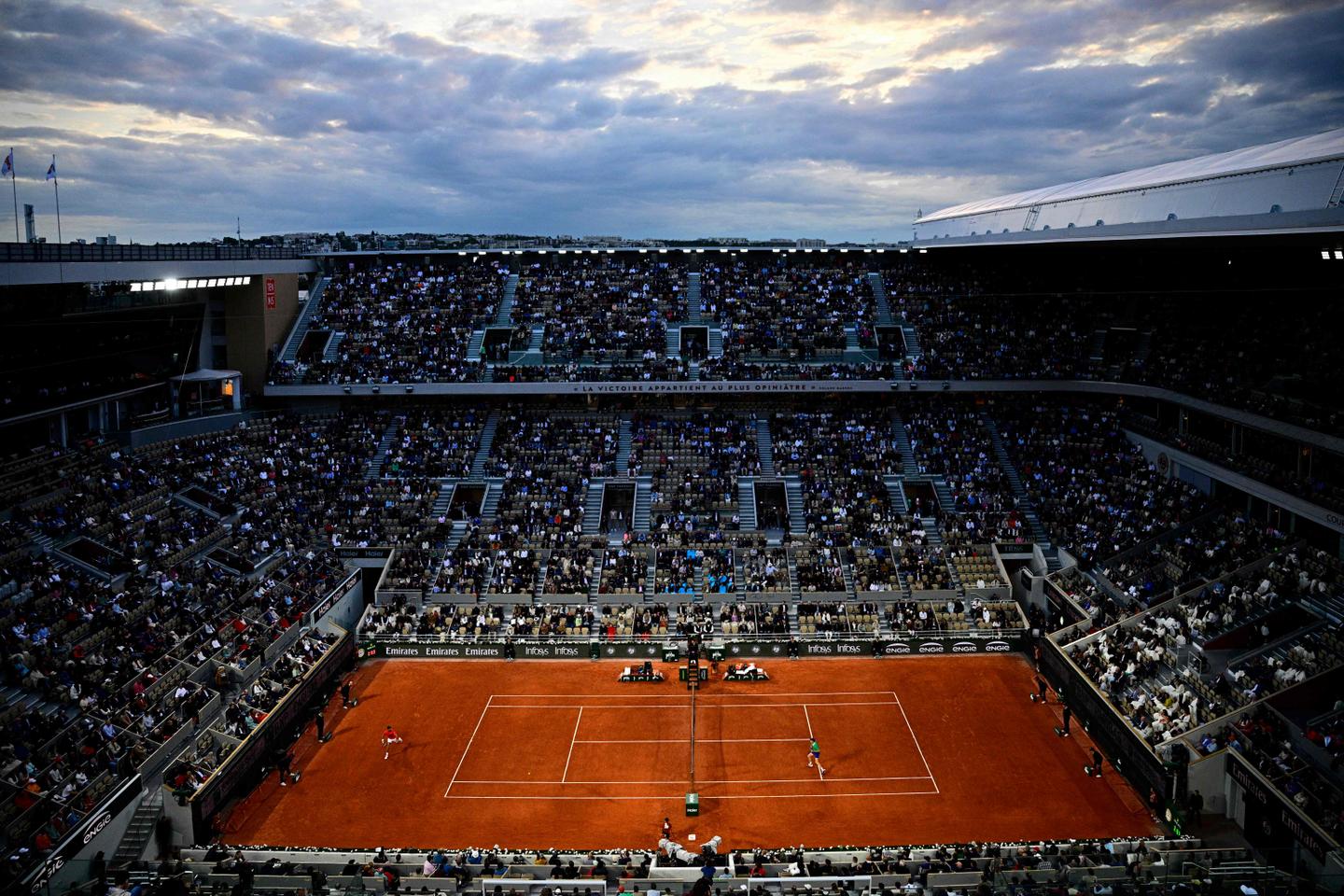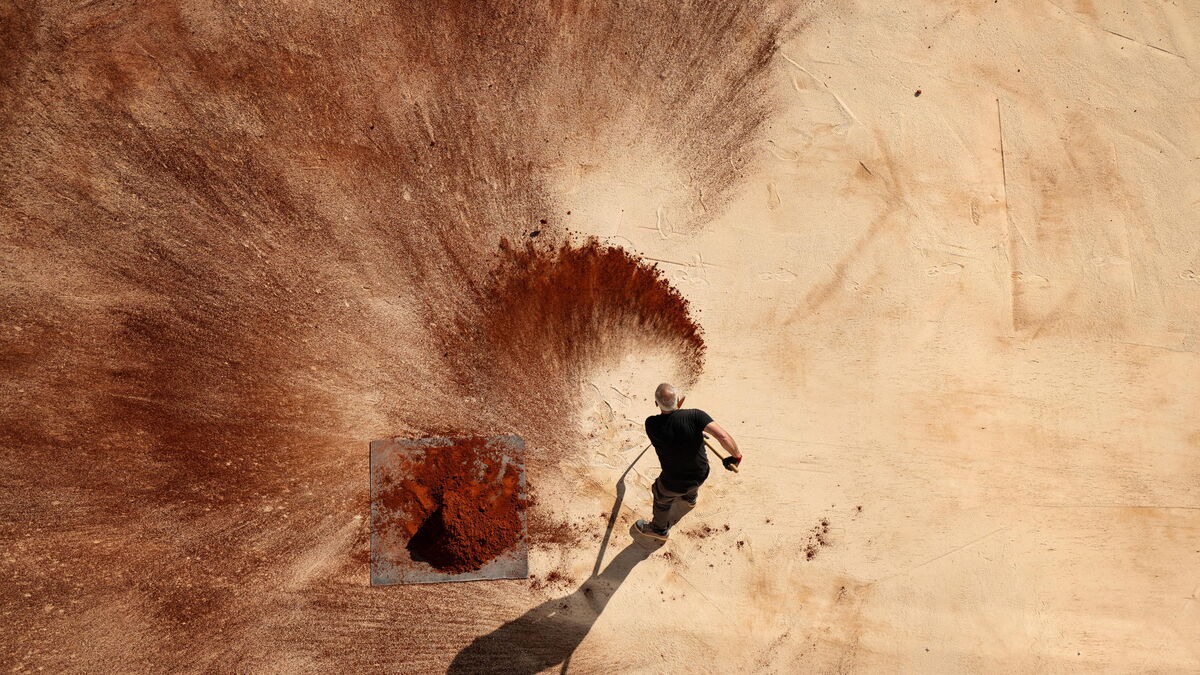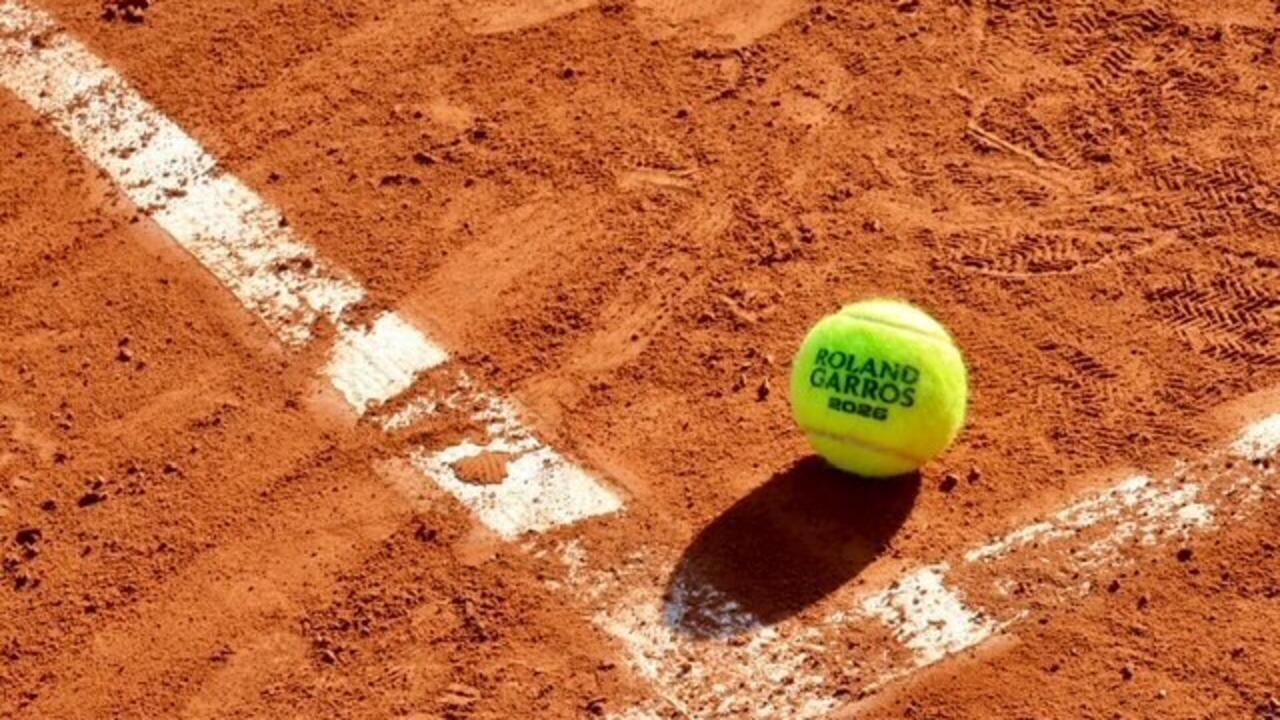
Feverish support for local players has long been a fixture of the French Open, a privilege that comes with playing on home turf. For many of those players, however, the “turf” itself hardly feels like home. While Roland Garros is the ultimate symbol of clay, the French Open’s home country has produced remarkably few specialists of the ochre surface in recent decades. Some players, like Adrian Mannarino, are even described as being “allergic” to the red dirt. Of the 30 French players who entered the tournament this year, only nine made it past the first round, the third lowest tally in the past three decades, suggesting yet another disappointing run for a nation starved of success. Lining up for an ice cream outside the French Open’s centre court, local fans Benjamin and Pablo offered one explanation for the lack of home wins. “In places like Spain or Argentina, the kids are practically raised on clay,” said the pair from the Basque Country, one sporting a Gallic horned helmet, the other a French tricolour. “But in France we play on pot-holed concrete courts.”
French players can count on passionate home support at Roland Garros. © Benjamin Dodman, FRANCE 24
The demise of clay Self-flagellation has been a recurrent theme at Roland Garros, particularly when recalling more successful times. Three years ago, at an event making 40 years since Yannick Noah’s 1983 triumph, France’s last male champion had a stark piece of advice for youngsters hoping to emulate his feat: to pack their bags and go abroad. “You have to go and nourish yourself elsewhere, because we're used to losing at all levels,” he said. “All coaches have lost. None of them have won. So you're surrounded by people who have all lost.” Henri Leconte, the last Frenchman to reach a final, was even blunter a few years earlier as organisers marked three decades since his 1988 defeat. “They don't train on clay as much as we used to,” said the flamboyant Leconte. “They are afraid to play at the French Open. They are always coming with an excuse, saying, ‘Oh, I have a bad back or elbow’.” Read moreForty years after Noah’s triumph, French tennis seeks path to Grand Slam glory Leconte was right about one thing: training on clay has indeed declined, though the players are hardly at fault. In the 1950s, almost all tennis in France was played on clay. But by the mid-1970s, when the young Noah and Leconte were honing their skills, the percentage of clay courts had slumped to 50%. Nowadays, they account for just 16% of the roughly 31,000 courts recognised by the French Tennis Federation (FFT). Tennis tournaments on French soil have largely followed the trend: just 19% on the men’s circuit are played on the red dirt, and 34% in the women’s. In comparison, clay courts account for more than 60% of all courts in Spain, Italy and Switzerland, all of which have produced Grand Slam title winners in recent years, and up to 80% in Germany. “That’s what we grew up on,” Germany’s Alexander Zverev said after his first-round win on Sunday, when quizzed about Europeans' greater agility on clay compared to Americans or Australians. “We move through the slippery surface better, because we’re used to it (...) Nobody can really teach you how to slide,” added the men’s second seed.