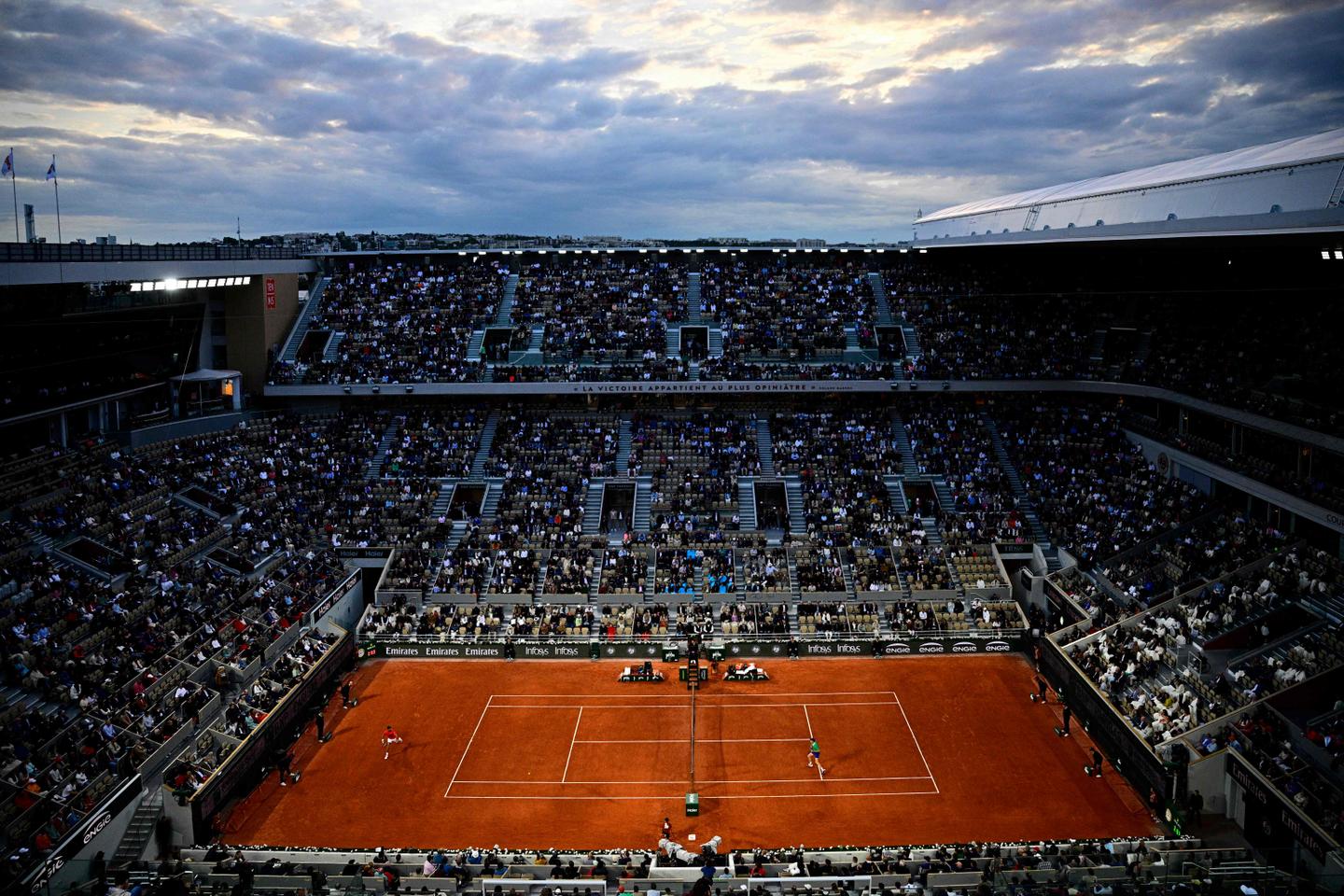
Serbia's Novak Djokovic and Italy's Jannik Sinner face off on the Court Philippe-Chatrier at Roland-Garros, June 6, 2025. JULIEN DE ROSA / AFP
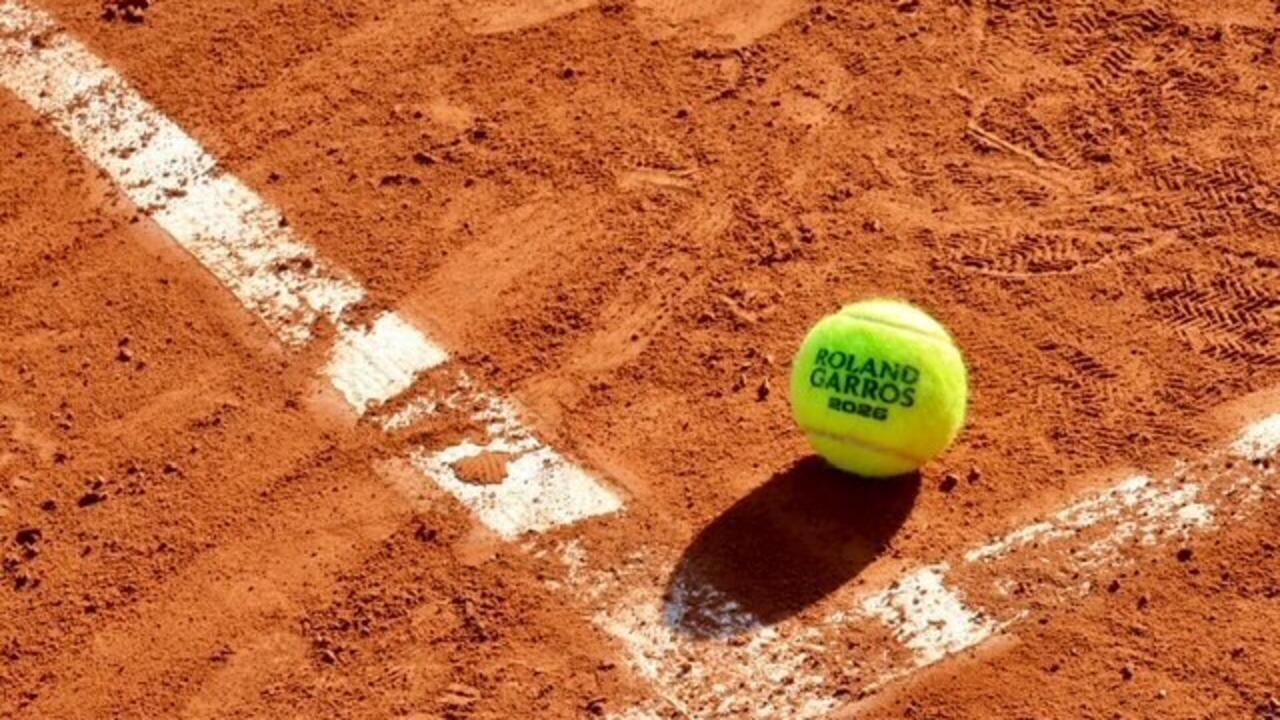
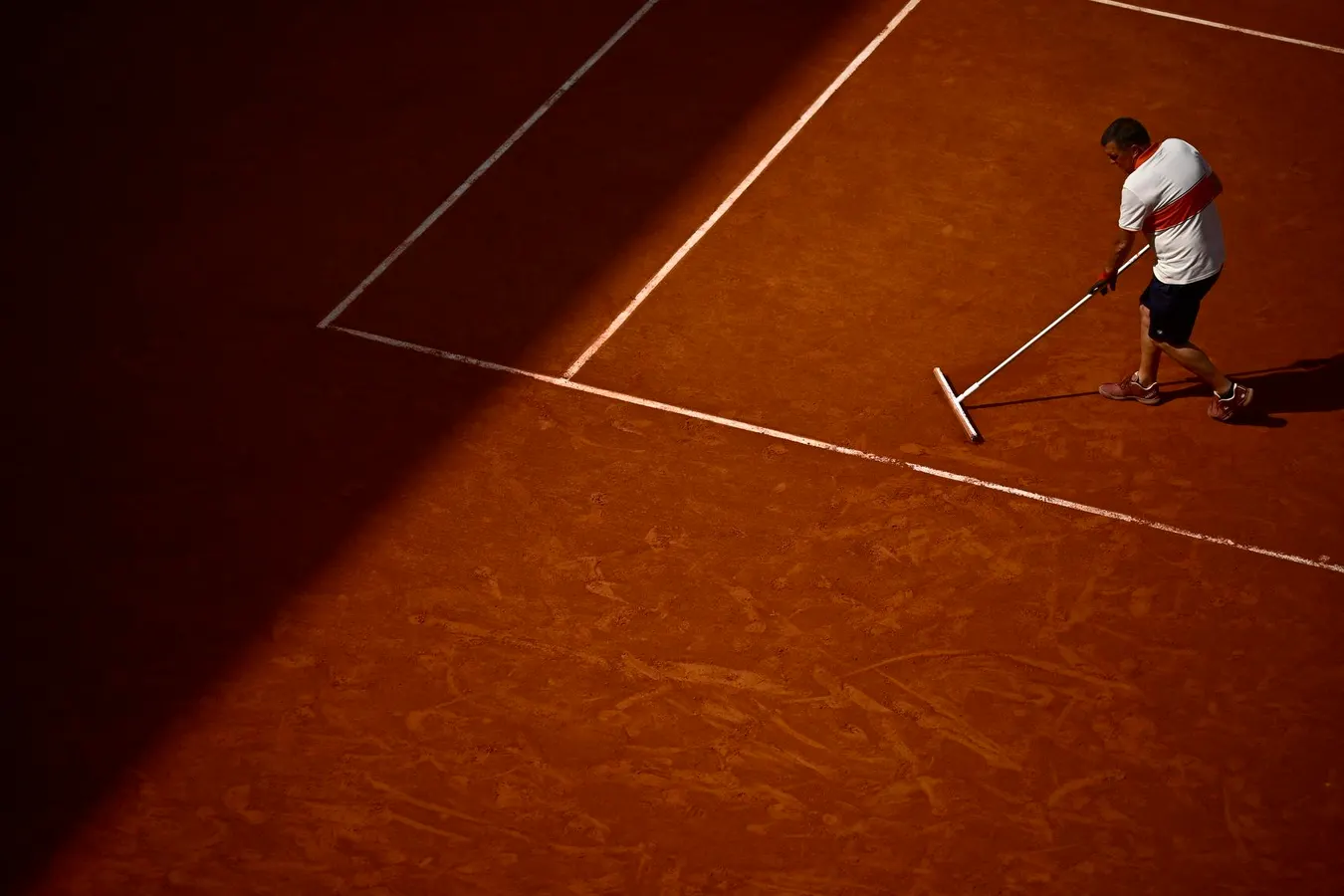
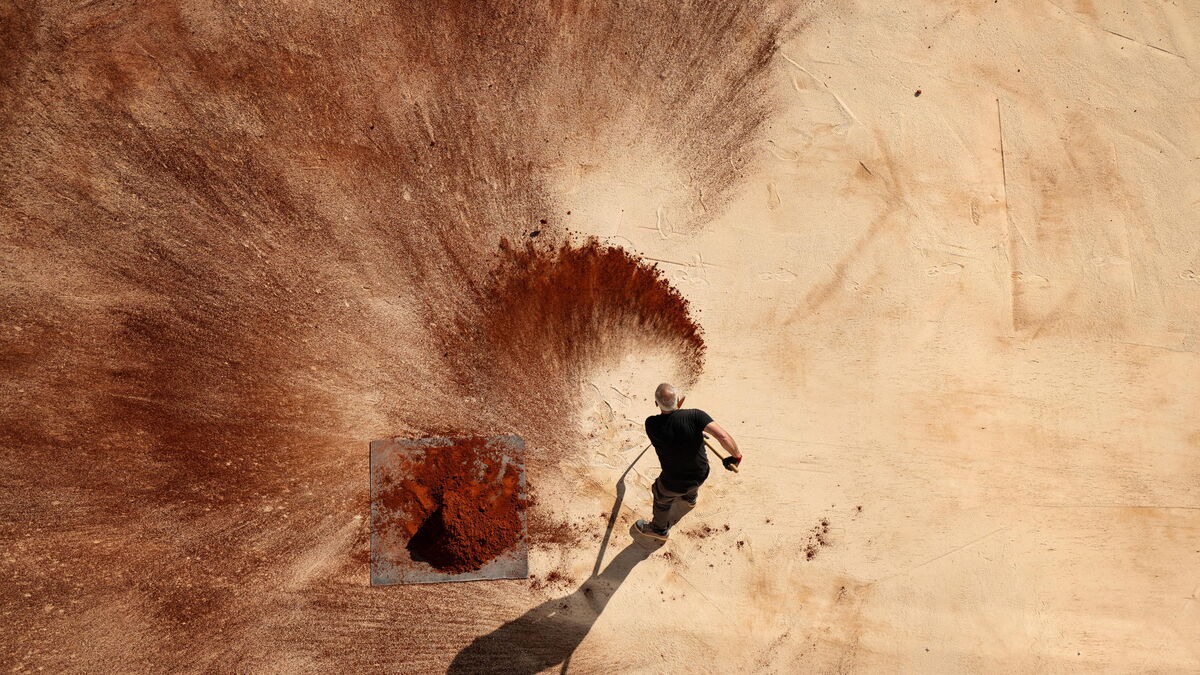
Is the decline of clay courts inevitable in France? In the 1950s, this surface covered almost all tennis courts in the country. By 1975, the ratio had dropped to 50%. Today, it accounts for only 16% of the 31,000 courts affiliated with the Fédération Française de Tennis (FFT, French Tennis Federation). The same trend is seen in tournaments: Just 19% of men's events are played on this type of surface, and 34% for women.
The comparison with neighboring countries is striking. In Spain, clay makes up 60% of courts; in Italy and Switzerland, 70%; in Germany, 80%. Even in Belgium and the Netherlands, where the climate is colder and wetter, clay remains the most widespread surface – even if it does not always have the iconic orange hue.
In France, the decline in popularity of clay dates back to the 1980s. In 1981, aiming to make tennis more accessible, Philippe Chatrier, then the FFT president, launched the "5,000 courts" project, allowing many small towns to equip themselves with a court. Numerically, it was a great success.
Participation soared, boosted by Yannick Noah's victory at Roland-Garros in 1983. Within 20 years, from 1973 to 1993, the number of clubs rose from 2,000 to 10,000, the number of courts from 8,000 to 35,000, and the number of licensed players increased sixfold, reaching 1.4 million.