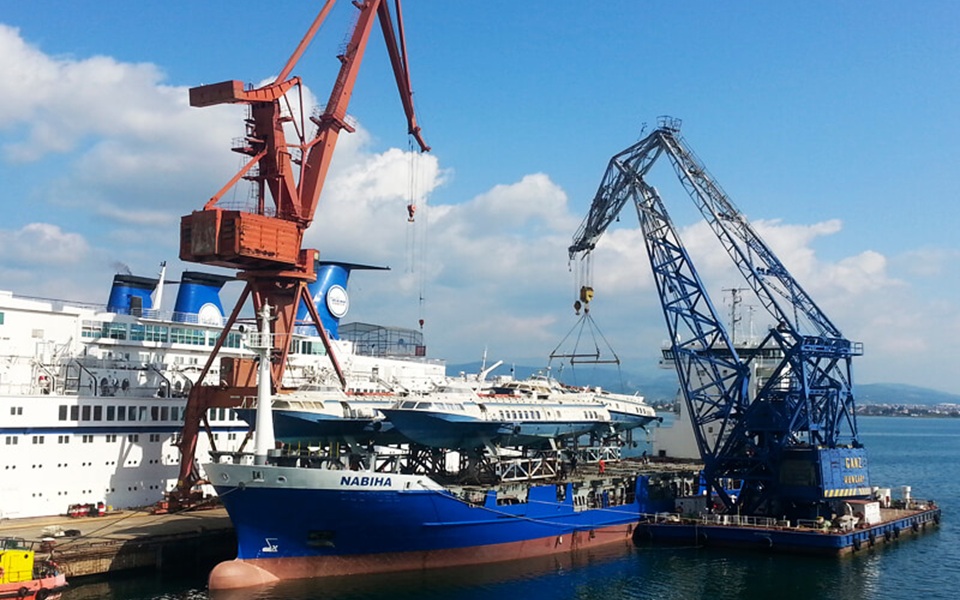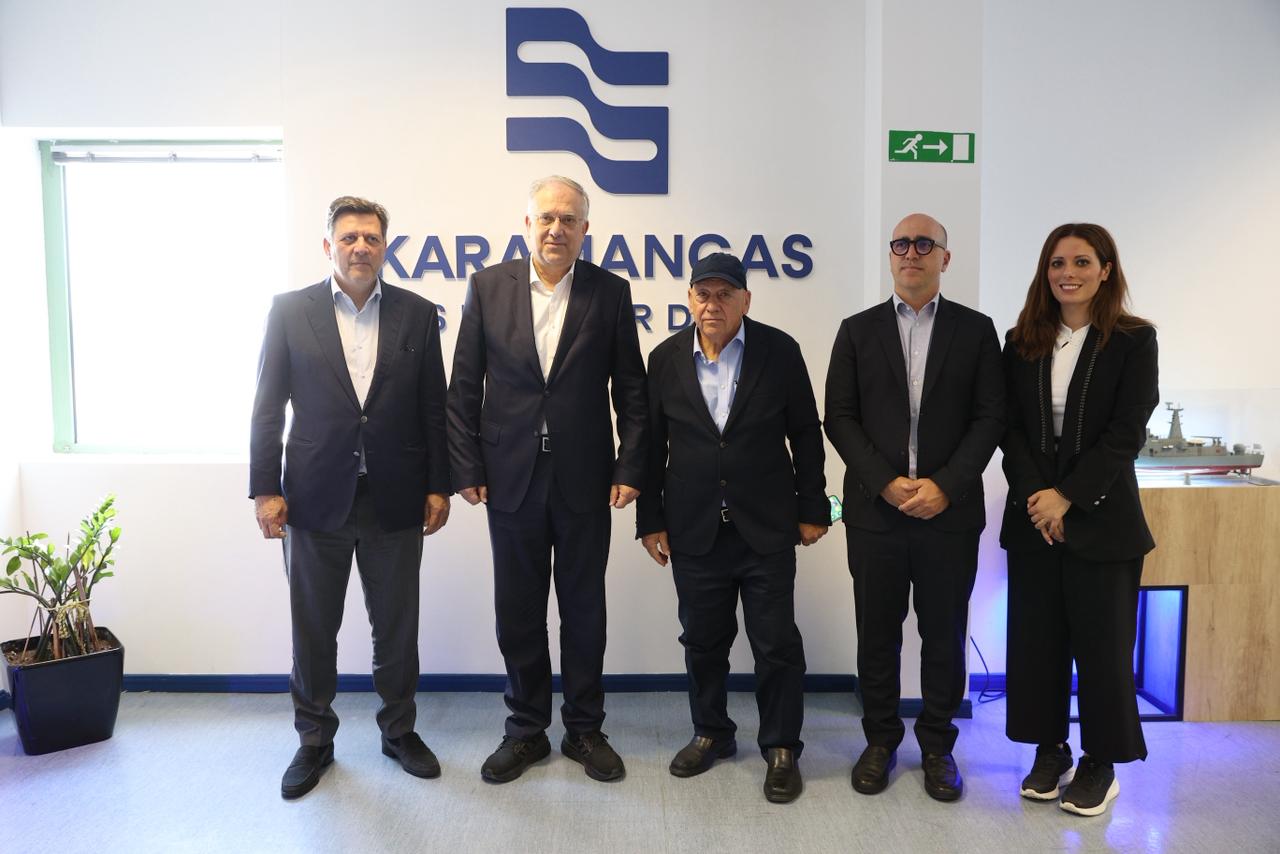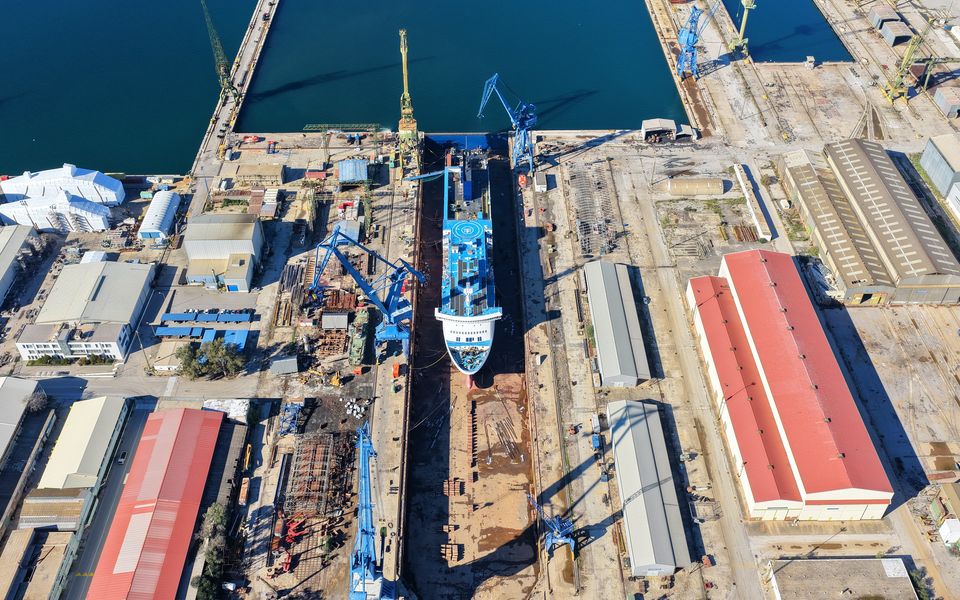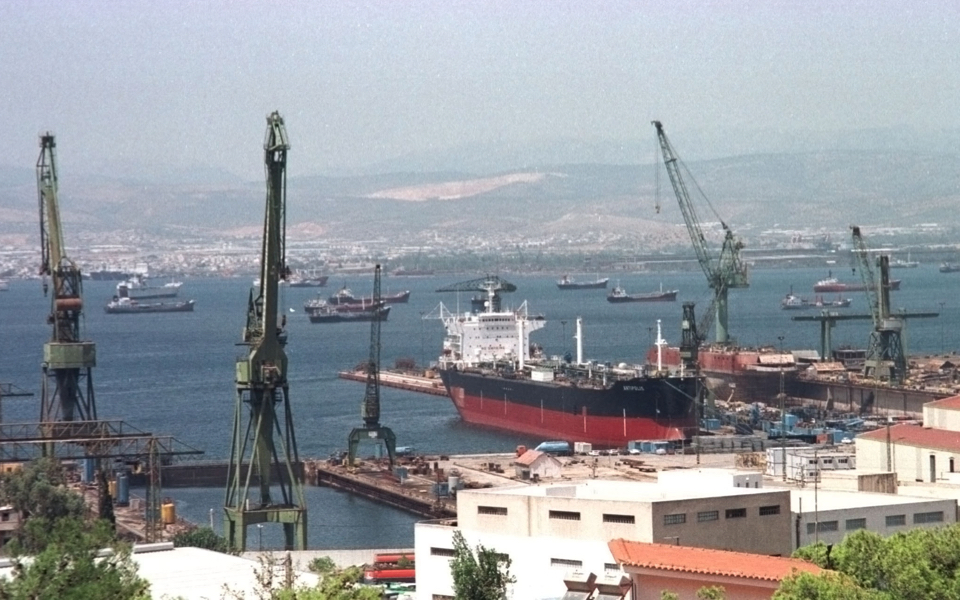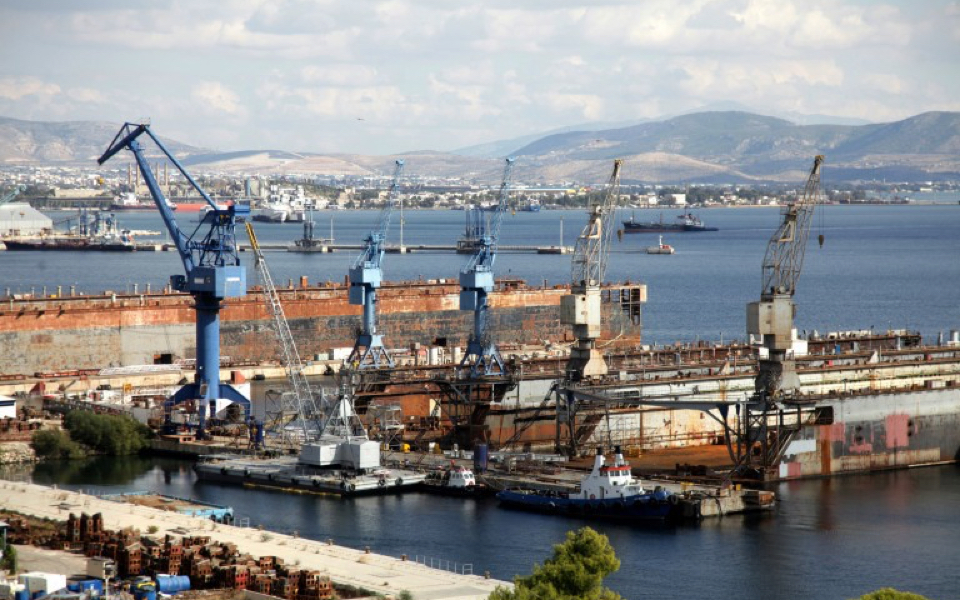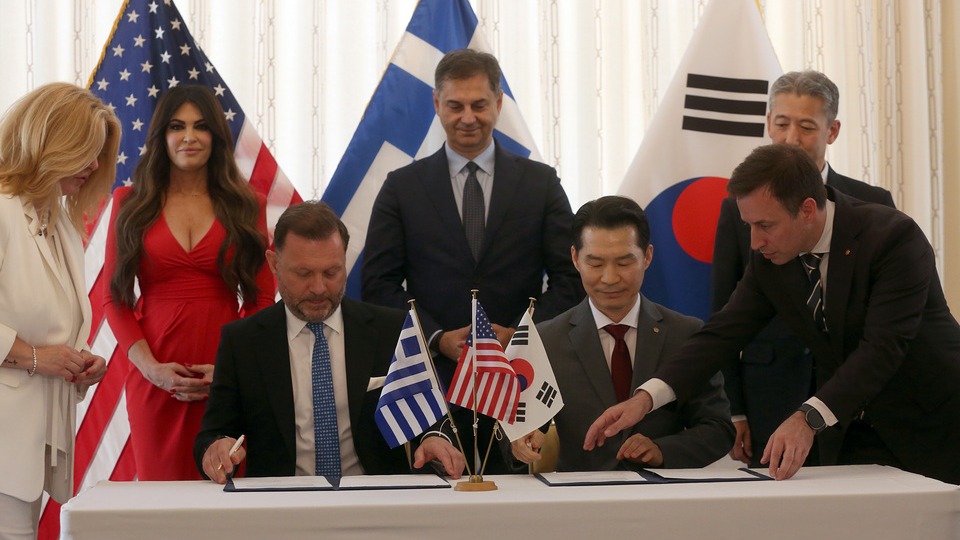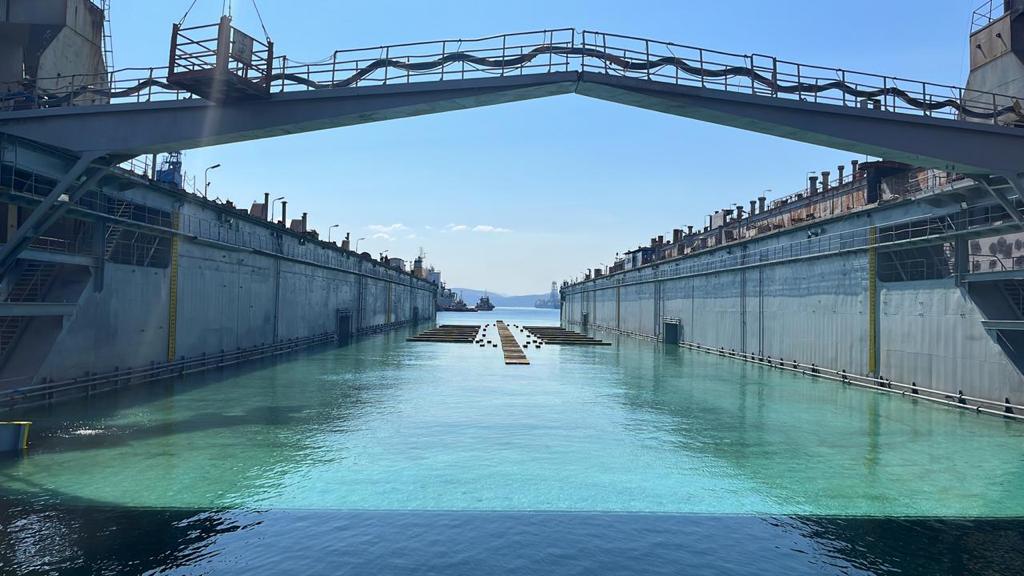
The revival of Greek shipyards in light of new geopolitical developments, as well as the development of the port of Elefsis, were at the center of the Hellenic Shipyards Association conference “Blue Strategy Summit 2026”.Minister of Development Takis Theodorikakos referred to the pivotal role of the Elefsis and Skaramangas Shipyards, which have already been included in the Strategic Investment framework following their restart. He added that both shipbuilding facilities have now returned dynamically to productive activity, noting that from installations that remained inactive for nearly two decades, they are now evolving into a key pillar of Greece’s ship repair industry.According to him, the Elefsis and Syros shipyards have completed more than 800 vessel repairs over the past seven years, employing more than 2,000 workers.At the same time, he emphasized that the investment is also supported by the United States through the Development Finance Corporation (DFC), which participated with a 125 million dollar bond loan guaranteed by the Ministry of Development. He also made special reference to the legislative initiative allowing the development of the Elefsis shipyard port for commercial, transshipment, energy, and defense activities.Theodorikakos also referred to the Skaramangas Shipyards, noting that they too have already been included in the Strategic Investment regime by the Ministry of Development.According to him, thousands of workers are employed in the shipyards, while since 2023 more than 120 vessels have been serviced.SalamisHe further noted that the Salamis Shipyards are also participating, in cooperation with Naval Group, in the construction of sections of the Belharra frigates, strengthening—he said—Greece’s participation in critical defense programs and creating new prospects for the country’s shipbuilding industry. He also stated that a special regime for defense and the defense industry under the development law will be announced in the coming period.The Minister also made special reference to the agreement signed in Washington between Greek, American, and South Korean entities for the construction of LNG carriers and floating energy units.Development impetusMinister of Maritime Affairs and Insular Policy Vassilis Kikilias attributed a strategic role to the development of Western Attica, the shipbuilding industry, and the Greek economy as a whole to the port of Elefsis and the upcoming tender, underlining that the government is advancing interventions directly linked to the revival of the shipbuilding sector and the strengthening of the domestic productive base.He noted that the tender decided by the Greek government, instructing the Hellenic Republic Asset Development Fund (HRADF) to prepare the tender documents for the Elefsis port, as well as the development of a modern marina and port infrastructure in the area, could generate significant added value for both Western Attica and the national economy.He added that Greek shipyards are showing strong growth, creating new jobs and well-paid employment opportunities, while also providing development incentives for the regions and the islands.The Minister stressed that the government’s goal is for Greek shipyards to be able to participate on equal terms in tenders concerning national defense procurement programs, as well as the needs of ministries and security forces, such as the Hellenic Coast Guard, with special reference to new Coast Guard vessels.Elefsis at the coreOn their part, the management teams of ONEX Shipyards & Technologies and the AKTOR Group, which are jointly participating in the upcoming concession tender for the port of Elefsis, highlighted the port’s strategic importance and its prospects of being transformed into a modern transshipment, energy, and ship repair hub with an international role.AKTOR Chairman and CEO Alexandros Exarchou argued that the new geopolitical and economic conditions now create the need for the development of new, organized port infrastructure in Greece, capable of supporting both the energy and freight vertical corridor to Northern Europe.He noted that Elefsis is the most suitable choice for such development, as it offers direct access to an airport, connectivity to the rail network, road infrastructure, and sufficient space for the development of a major logistics center.Exarchou added that Greece will require more well-organized ports in order to meet increasing demands.15 billion in European fundsThe need for Europe to recognize the strategic role of shipping and the shipbuilding industry amid ongoing geopolitical developments was highlighted by the President of the Piraeus Chamber of Commerce and Industry, Vasilis Korkidis.As he noted, Europe has now realized that approximately 85% of its exports are carried out via maritime transport, making shipping a critical pillar of its economic and geostrategic resilience.Korkidis further stated that both the United States and Asia have already recognized Greece’s geostrategic importance, in contrast—he said—to Europe.Referring to the “Mediterranean Pact,” the EU’s new strategic initiative for cooperation with Mediterranean countries in the fields of energy, transport, security, and investment, he argued that 15 billion euros in funding is foreseen, which could be leveraged.Need for an integrated land and port infrastructure systemOn his part, ONEX Chairman Panos Xenokostas stressed that the plan does not merely concern the commercial utilization of the port, but the creation of an integrated ecosystem of port services, ship repair, and bunkering activities.As he explained, the objective is for a shipowner to be able to carry out cargo handling, shipbuilding works, maintenance, and repairs within the same facility, while also utilizing multimodal transport connections via road, rail, and air networks.Holistic approachReferring to the cooperation between ONEX Shipyards & Technologies and the AKTOR Group, company Chairman Panos Xenokostas underlined that the development of LNG infrastructure cannot be limited to maritime assets alone, but also requires strong onshore infrastructure.He noted that the new geoeconomic reality necessitates a more holistic approach to port and ship repair investments, stressing that “nothing can operate in isolation.”Within this framework, he emphasized that the goal is to create a fully integrated infrastructure ecosystem combining port services, ship repair, logistics, and energy facilities.The ONEX Chairman also noted that through the transformation of traditional shipyards, the aim is to generate greater economic value and capitalize on the opportunities emerging for Greece in the region’s energy and freight corridors.
Greek shipyards are a major booster for development
Minister of Development Takis Theodorikakos referred to the pivotal role of the Elefsis and Skaramangas Shipyards, which have already been included in the
1,009 words~5 min read