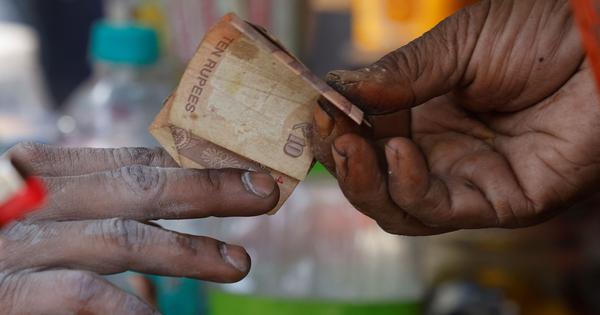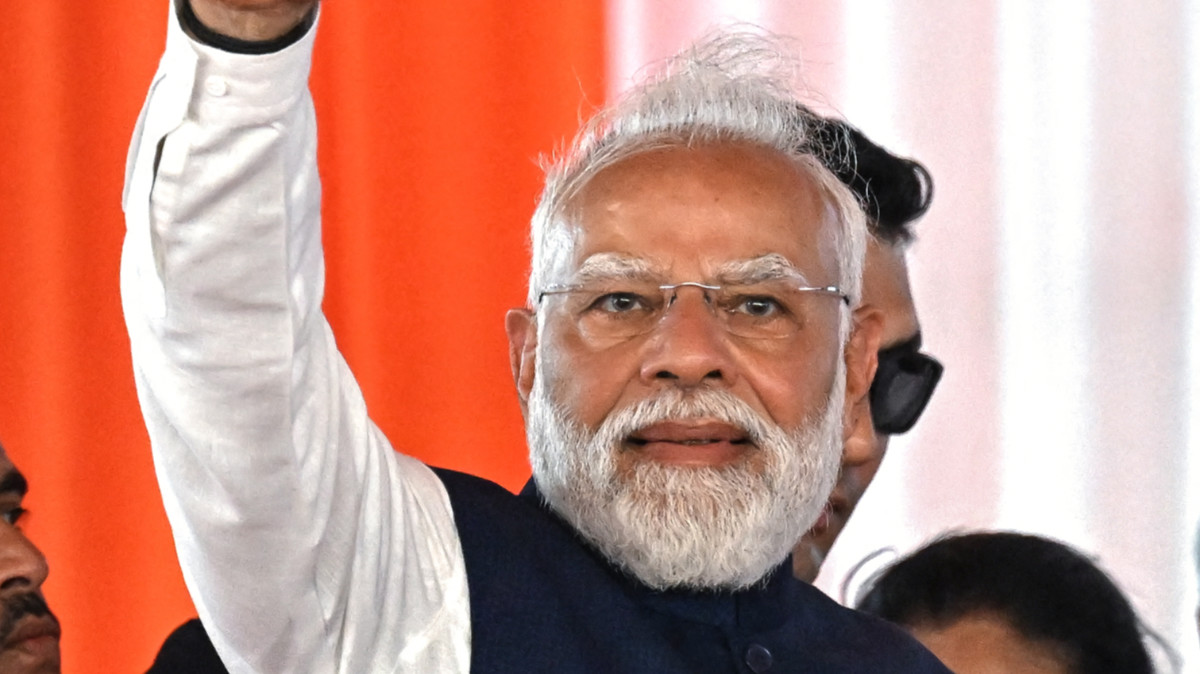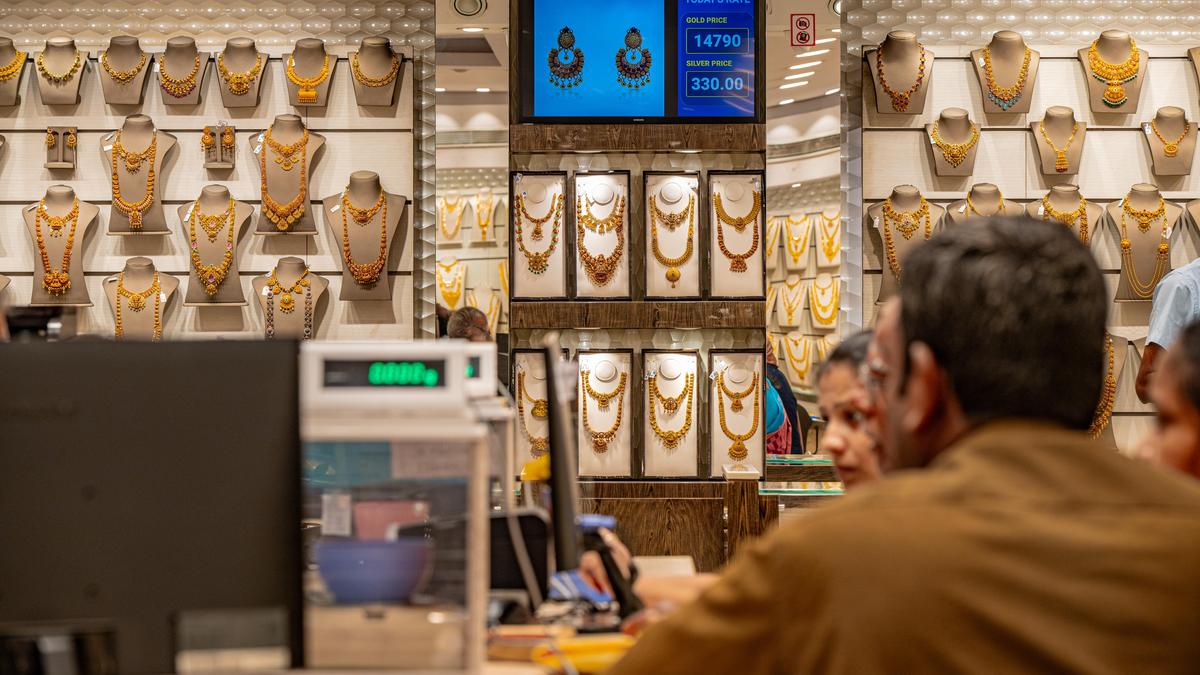
Existing estimates of inequality are based on consumption expenditure surveys conducted by the National Statistical Office. When Prime Minister Narendra Modi urged Indians to cut down on gold purchases and foreign travel amid concerns over India’s external balance, he was subtly hinting towards a deeper problem in the Indian economy. There is now a significant cohort of Indians whose lifestyle is at par with the rich in high-income countries and who are way ahead of how ordinary Indians earn and spend. This cohort seems to have become bigger over time, as is seen in India’s rising trade deficit after economic reforms. But, statistically speaking, India’s inequality data points in the opposite direction: inequality has fallen, not increased after economic reforms. How does one square this (counter-intuitive statistical) circle on inequality? Let us begin with the numbers themselves.Picture for representational purposes only. (Pixabay)What is the actual economic inequality in India?The really-rich have seen the lowest increase in spending after reforms India’s first income survey is in the process of being conducted. Existing estimates of inequality are based on consumption expenditure surveys (CES) conducted by the National Statistical Office (NSO). Comparing the monthly per capita expenditure (MPCE) of the entire CES, top 10%, top 5% and top 1% between 1993-94 and 2023-24 CES rounds -- the earliest and latest after 1991 reforms -- shows that top 1% have seen the lowest proportionate increase in their MPCE. The catch up of the masses vis-à-vis the classes is almost entirely a result of the former’s high growth in non-food spending.Inequality seems to have fallen even within the really rich Thanks to the trend described above, India’s consumption inequality has fallen in the post-reform period. The Gini coefficient -- the most widespread statistical measure of inequality where 0 shows perfect equality and 1 perfect inequality -- has fallen from 0.33 in 1993-94 to 0.29 in 2023-24.
What is the actual economic inequality in India? | Number Theory
Existing estimates of inequality are based on consumption expenditure surveys conducted by the National Statistical Office.
834 words~4 min read