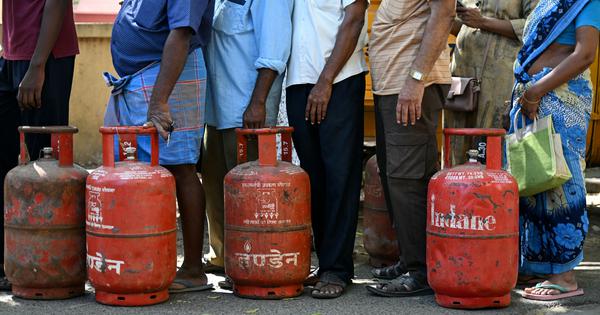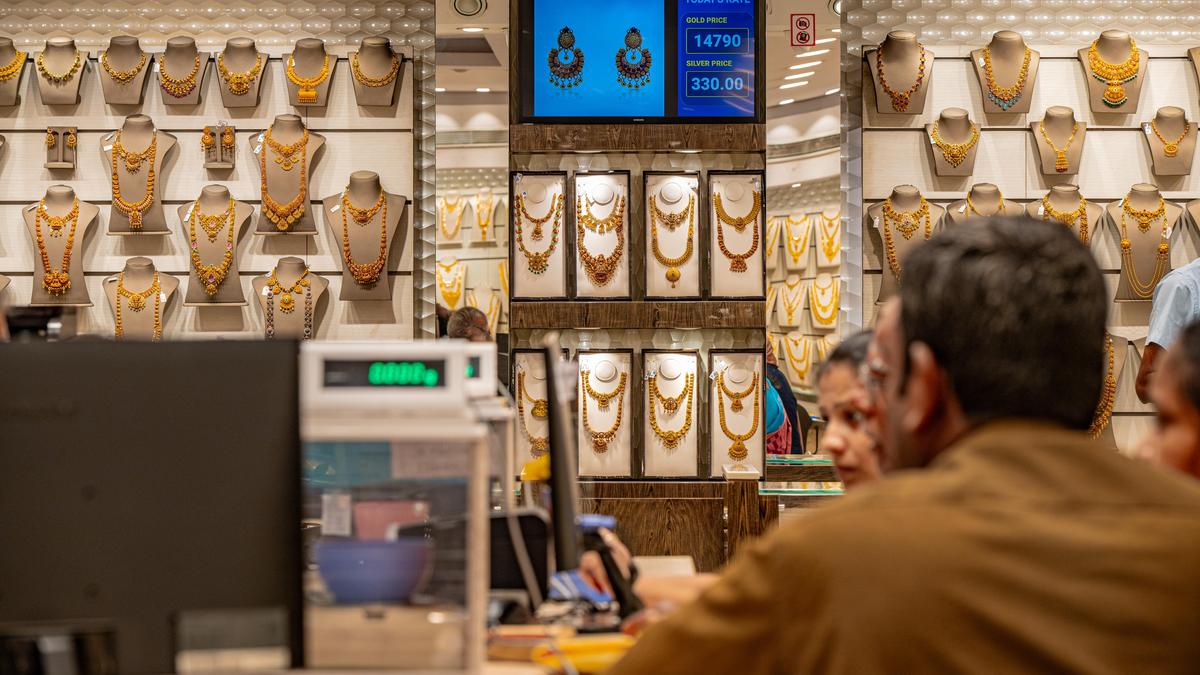
There comes a moment when the gap between propaganda and reality becomes too large to conceal with slogans. India appears to have reached that moment with Narendra Modi’s recent appeal for austerity. Urging citizens to reduce fuel consumption, avoid foreign travel, work from home, and even postpone gold purchases, Modi invoked wartime sacrifice and recast economic hardship as patriotism in the face of the Iran war.The oil shock is real. India imports nearly 85%-88% of its crude requirements, much of it through the Strait of Hormuz. Every $10 rise in crude prices increases India’s import bill by roughly $13-$15 billion annually, widens fiscal and current account deficits, weakens the rupee, and fuels inflation through transport, fertiliser, logistics, and food prices.But the crisis Modi asks Indians to sacrifice for is not fundamentally a product of the Iran war. The war has only exposed India’s vulnerabilities. A structurally stronger economy could have absorbed an external shock far better.Instead, India enters this crisis weakened by demonetisation, chaotic GST implementation, stagnant manufacturing, high unemployment, declining private investment, rising inequality, institutional erosion, and governance driven more by spectacle than economic strategy.Serious troubleThe most politically damaging response to Modi’s austerity appeal came not from the opposition but from Surjit Bhalla, long regarded as sympathetic to the government and once part of its economic establishment.Bhalla bluntly acknowledged that India’s economy is in serious trouble: private investment has weakened sharply, foreign direct investment has turned negative on a net basis, and repeated electoral victories have pushed the government into a “comfort zone” that discouraged structural reform. Most strikingly, he questioned the continued claim that India remains the world’s “fastest-growing major economy”.What makes Bhalla’s intervention significant is that it validates what critics have argued for years: beneath the headline GDP numbers lies a structurally weakening economy sustained more by public expenditure and propaganda than productive private investment. Capital outflows, weakening investor confidence, and the rupee’s sharp decline since the Iran war reflect not merely external shocks but the deeper vulnerabilities produced by over a decade of spectacle politics, institutional erosion and economic complacency.A man walks inside the RBI headquarters in Mumbai in December 2024. Credit: Reuters.Spectacle and slogansThe fundamental problem with the Modi government is that it never possessed a coherent economic strategy beyond spectacle and slogans. “Make in India,” “Startup India”, “Digital India, “Atmanirbhar Bharat”, and “Amrit Kaal” generated publicity but failed to transform the productive structure of the economy. Unlike East Asian developmental states that systematically built manufacturing capacity, technological competence and employment-intensive industries, the Modi regime relied heavily on image management while neglecting structural transformation.Indeed, almost every major economic intervention weakened productive capacities. Demonetisation in November 2016 was perhaps the most disastrous economic decision in independent India outside wartime disruptions. Nearly 86% of the currency in circulation was invalidated overnight in an economy where over 90% of employment depended on the informal sector and cash transactions.The government claimed the move would destroy black money, counterfeit currency, and terror financing. None of these objectives materialised. The Reserve Bank of India’s data later showed that more than 99% of the demonetised currency returned to the banking system, demolishing the official justification.
Anand Teltumbde: Modi is asking Indians to make sacrifices for an economic crisis he oversaw
The war on Iran has only exposed the country’s vulnerabilities after more than a decade of governance driven by spectacle and slogans.
1,609 words~7 min read