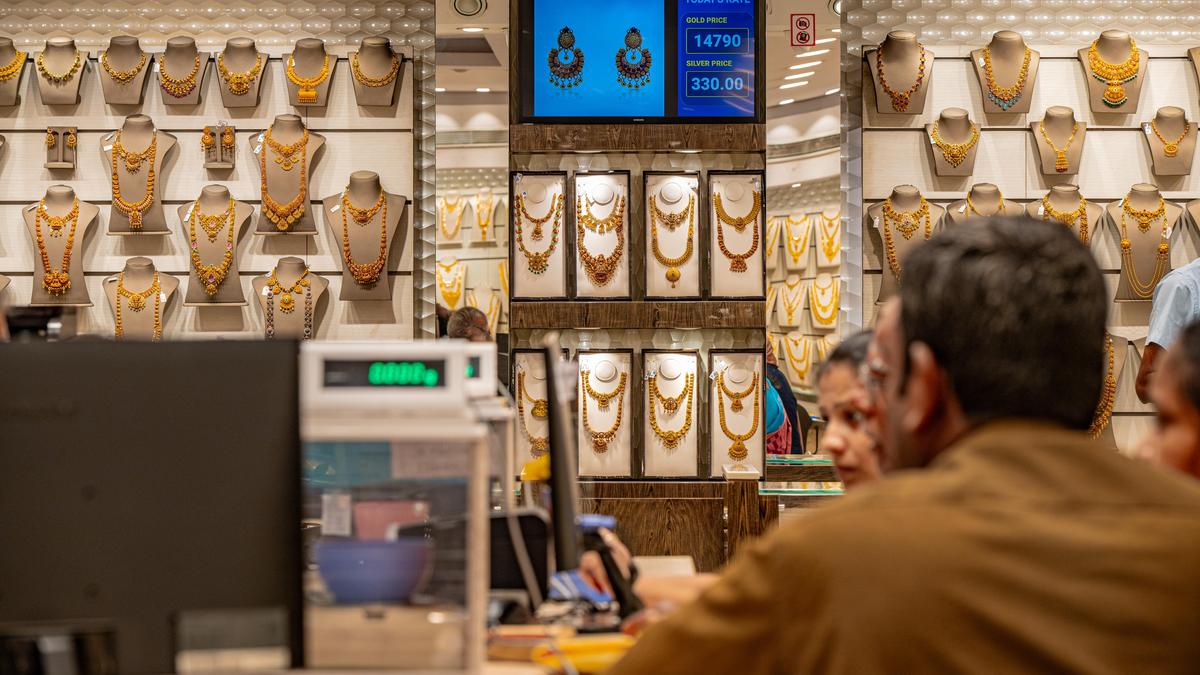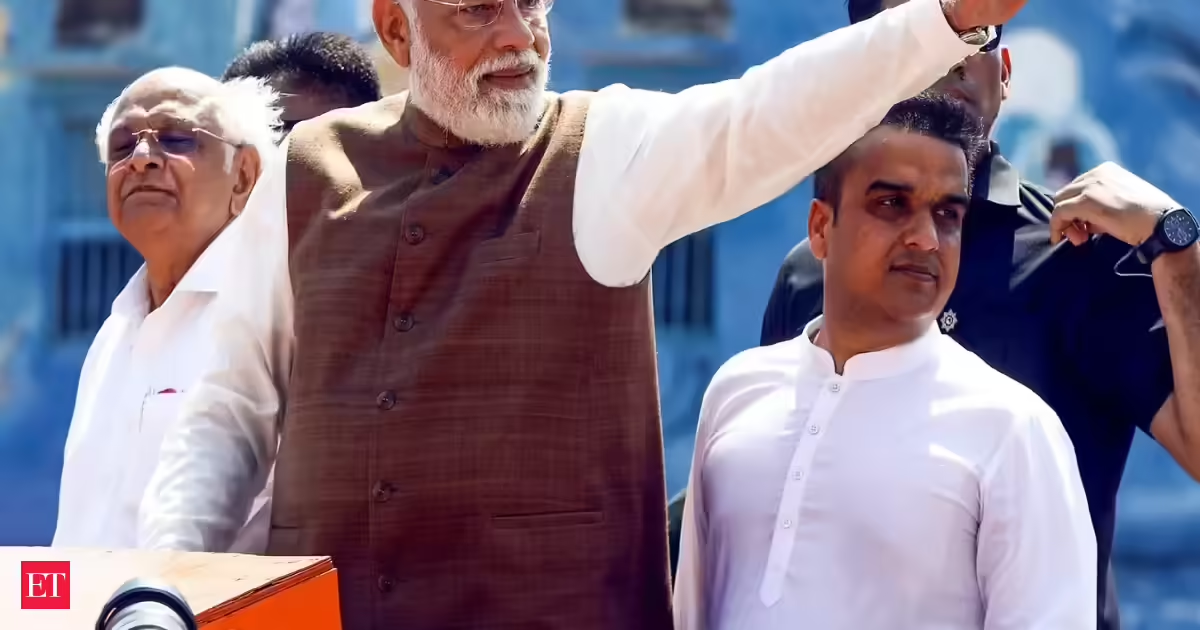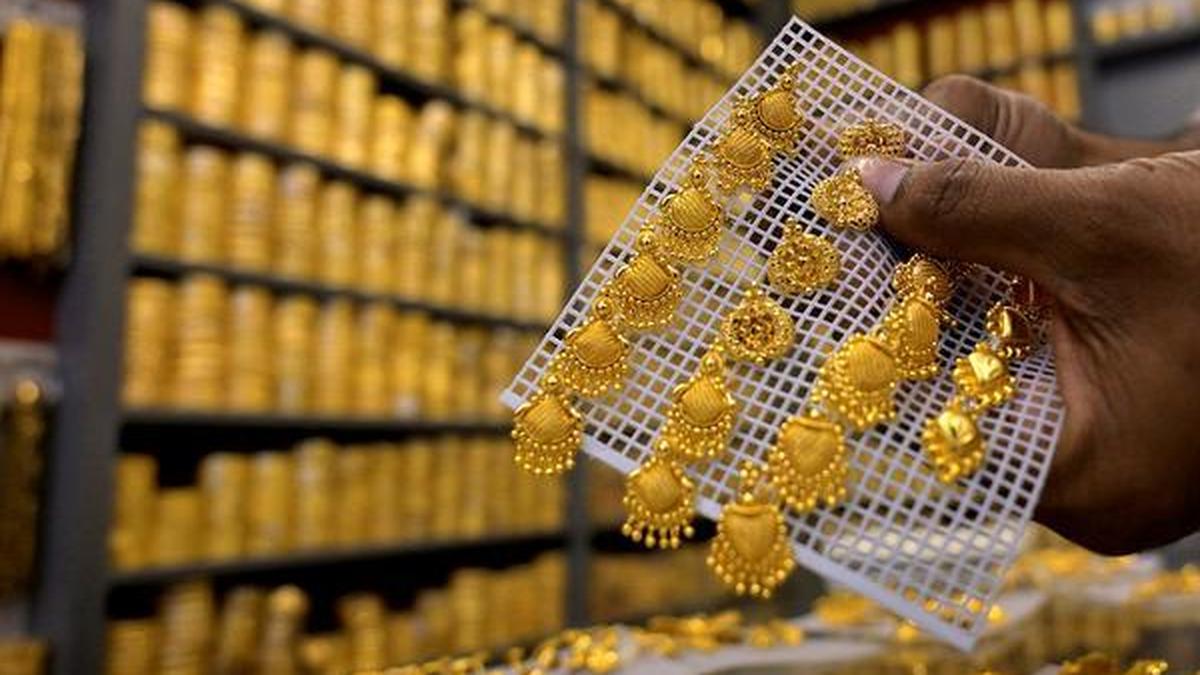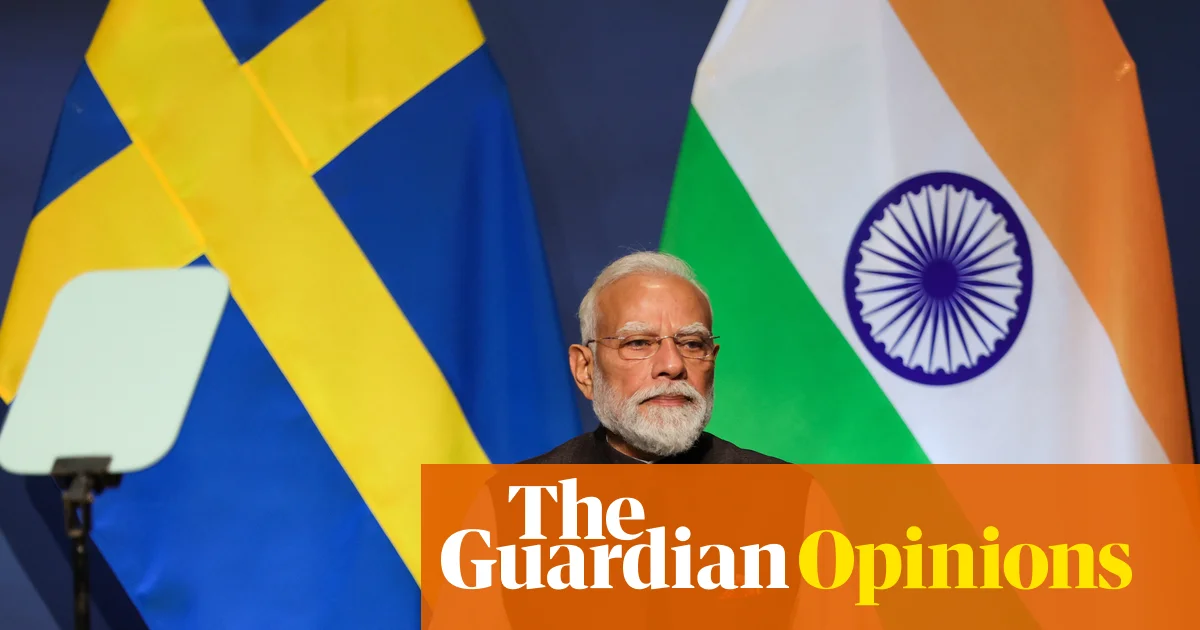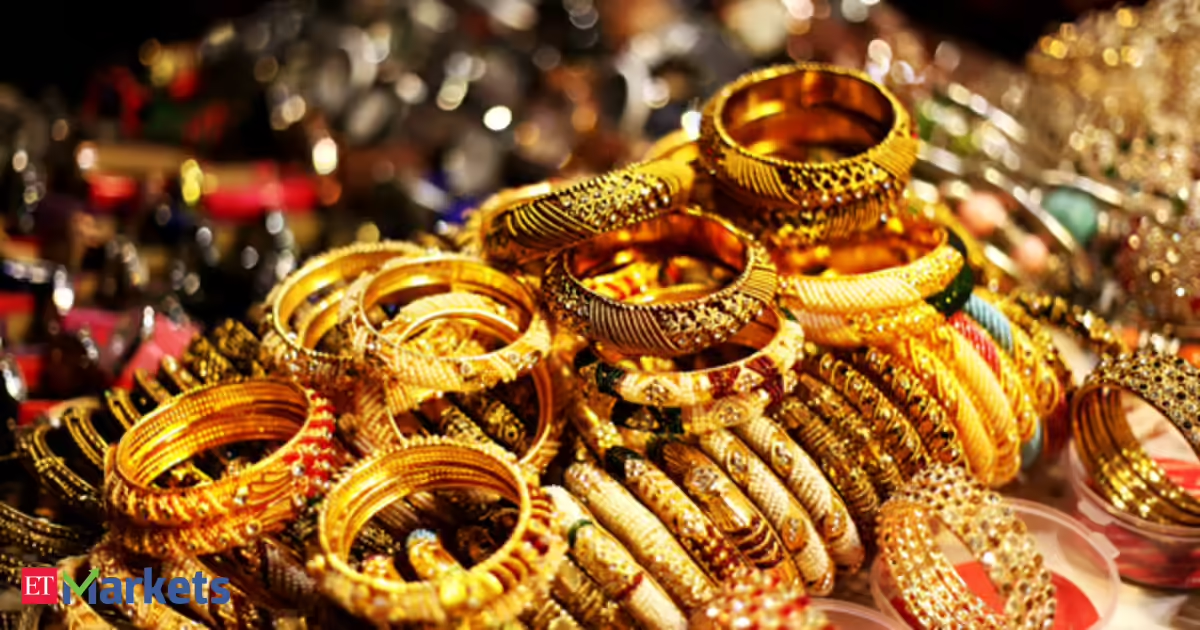
And this is exactly what is behind Prime Minister Narendra Modi’s call to action to Indian citizens. With a view to protecting and preserving our foreign exchange reserves, Modi has called for a slew of measures such as restricting the purchase of gold, curtailing non-essential foreign travel and being mindful of fuel conservation. “The government,” Modi said, “over the past five to six years, has been working to overcome challenges arising from disruption of world supply chains.” India successfully navigated the crisis created by the Covid pandemic, and the disruption thus caused was tided over, with India emerging at the forefront of the global fight. Through schemes such as Vaccine Maitri and timely lockdown measures, India was able to mitigate the domestic crisis and emerged relatively unscathed from this ginormous disruption.Nobody’s war
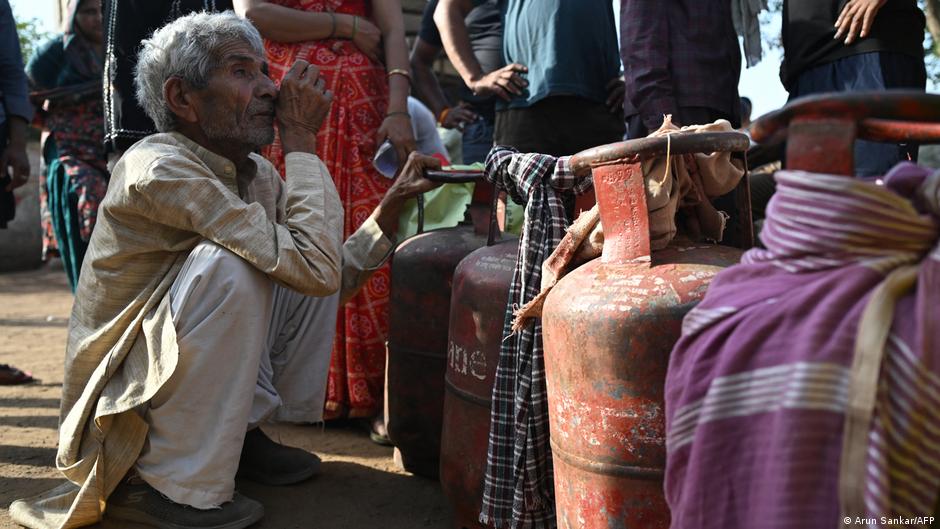
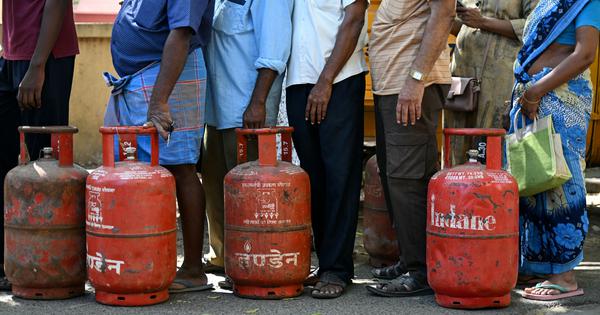
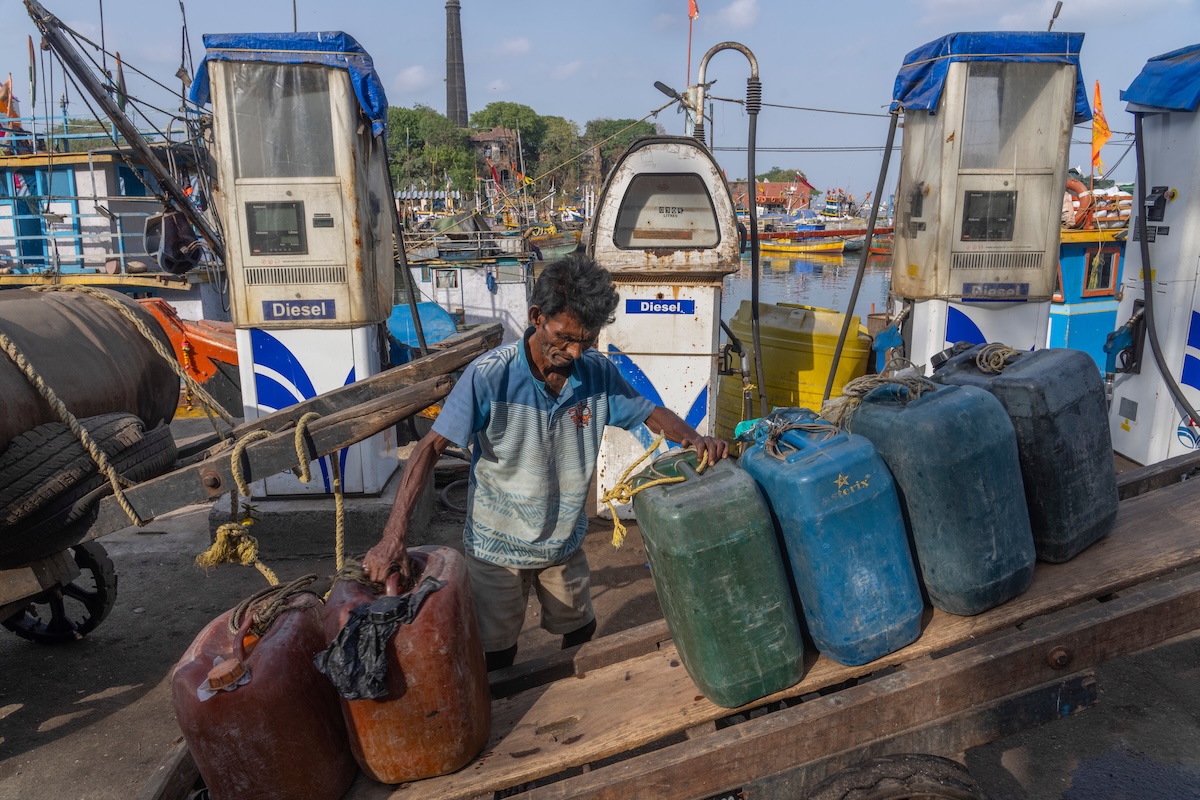
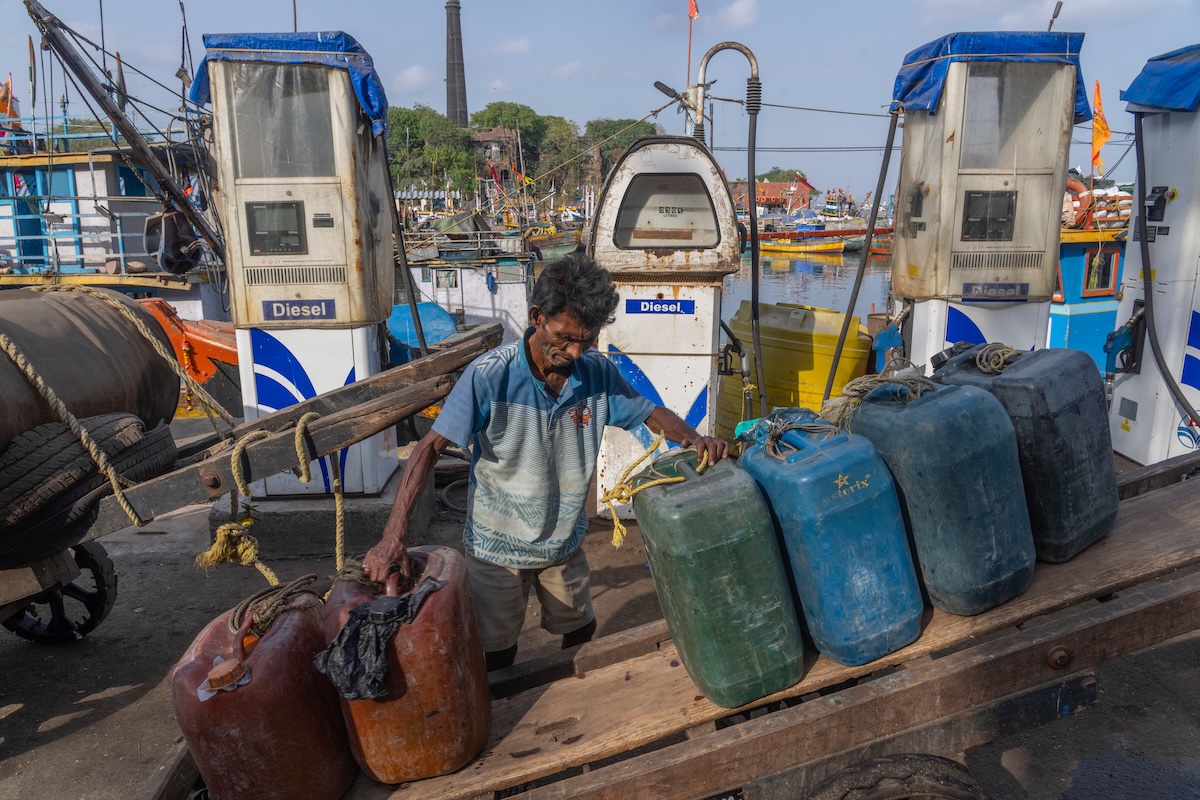
The current global crisis, originating from a war that belongs to nobody (read nobody’s war), is causing enormous strain on India’s fledgling ride as one of the world’s emerging large economies. As we approach the 90-day mark, the Hormuz Straight remains largely blocked, and Brent crude prices have shot through the roof. West Asia is critical to the world’s energy security, and with India being literally in their backyard, any geopolitical tensions in the region are reflected immediately in India. Supply risk premiums have skyrocketed, and the uncertainty surrounding the resolution of the conflict has impacted oil price volatility and driven up prices dramatically. In India, however, thus far, we have been able to contain the impact as the public-sector oil companies have absorbed the effect of the war, and only on Friday have petrol and diesel prices gone up by Rs 3 per litre. Domestic LPG prices have increased only once this year, in March, by Rs 60. However, should the war continue, then all the progress the government has made in ensuring the poor have access to clean energy through the Pradhan Mantri Ujwala Yojana will have been negated. “Domestic LPG remains insulated. A 14.2-kg household cylinder in Delhi continues to retail at Rs 913 after the March hike, with no further revisions despite persistent global volatility,” according to DowntoEarth. Traditionally, we Indians have been a society that preserves, saves and restores. And our Vedic principles are also based on austerity and sacrifice. Gandhian philosophy during the freedom struggle and the ‘Swadeshi’movement involved eschewing foreign-manufactured textiles in favour of locally spun khadi. I have been on this planet long enough to recollect the blackouts during the 1971 war; as sirens went off overhead, our mother would switch off all the lights and cook dinner in the light of a candle, with all the windows covered with paper, so that a mere sliver of light could not peep through. The ‘blackouts’ became more of a game than a sense of foregoing a well-lit family meal. I also recall how the neighbourhood bhaiyas would form night patrol groups to ensure that no one switched on the lights. The sacrifices made during the Emergency hit much closer to home as the citizens of this country forfeited their civil rights, democratic liberties and autonomy. Thousands of opposition leaders, including PN Lekhi, Jayaprakash Narayan and Atal Bihari Vajpayee, were incarcerated without trial.Supreme Court’s controversial ruling in the ADM Jabalpur case effectively extinguished basic civil rights through the Habeas Corpus.The free press was muzzled, and the readers sacrificed their daily dose of news as many leading editors were behind bars. Trade Unions were illegal during the emergency, and workers forfeited their rights to protest. And the piece de resistance, the current LoP’s grandmother presided over the Emergency as Sanjay Gandhi drove the infamous “Five-Point Programme”, mandatory, state-sponsored mass sterilisation drives.