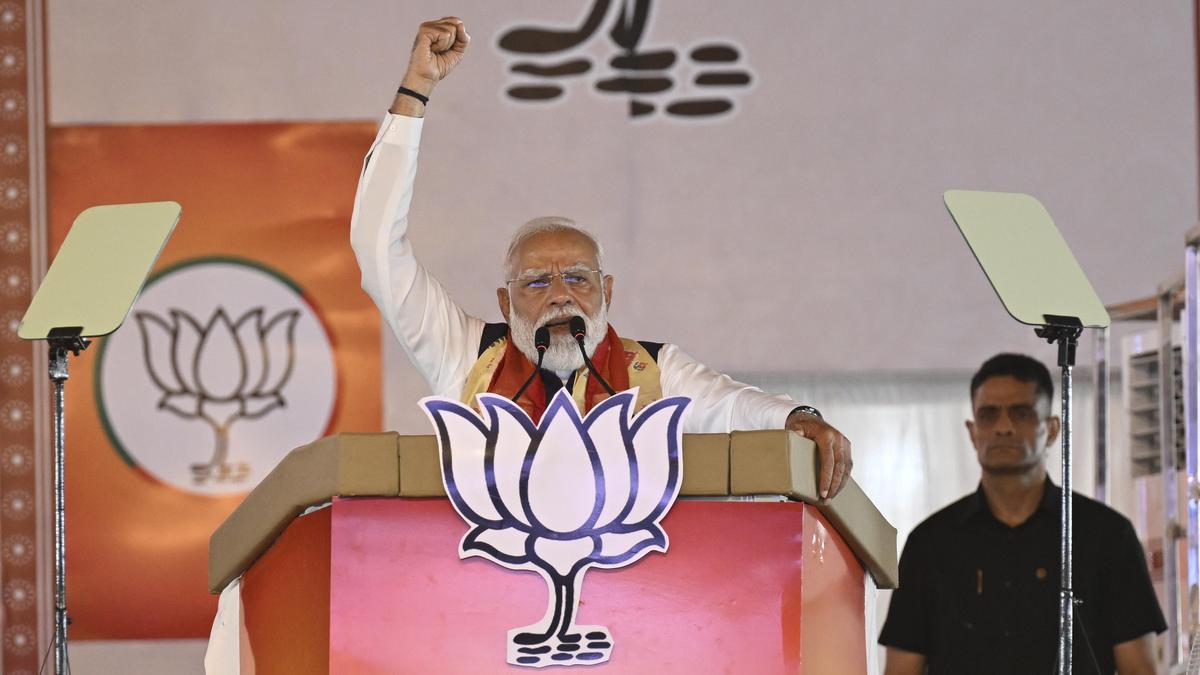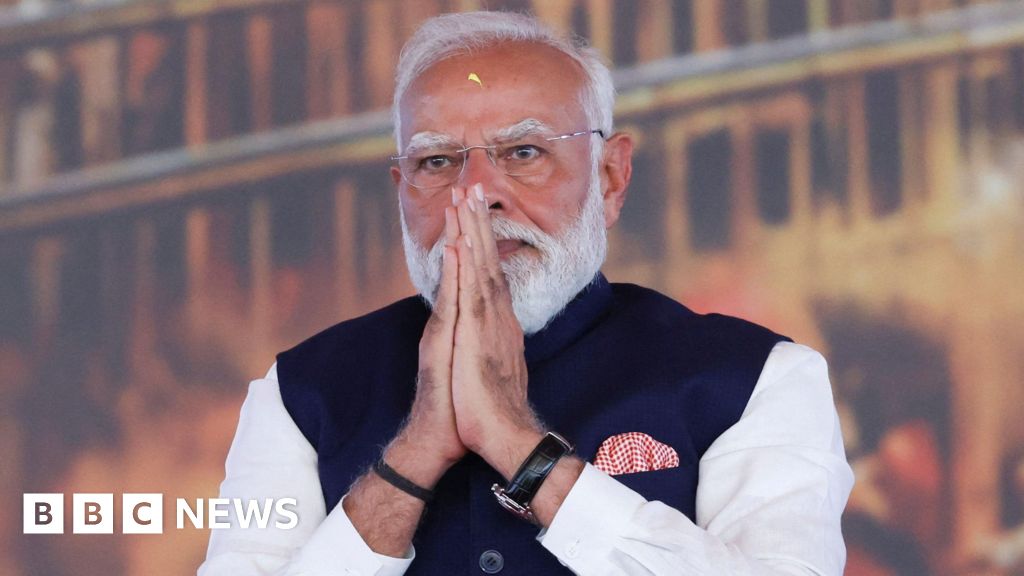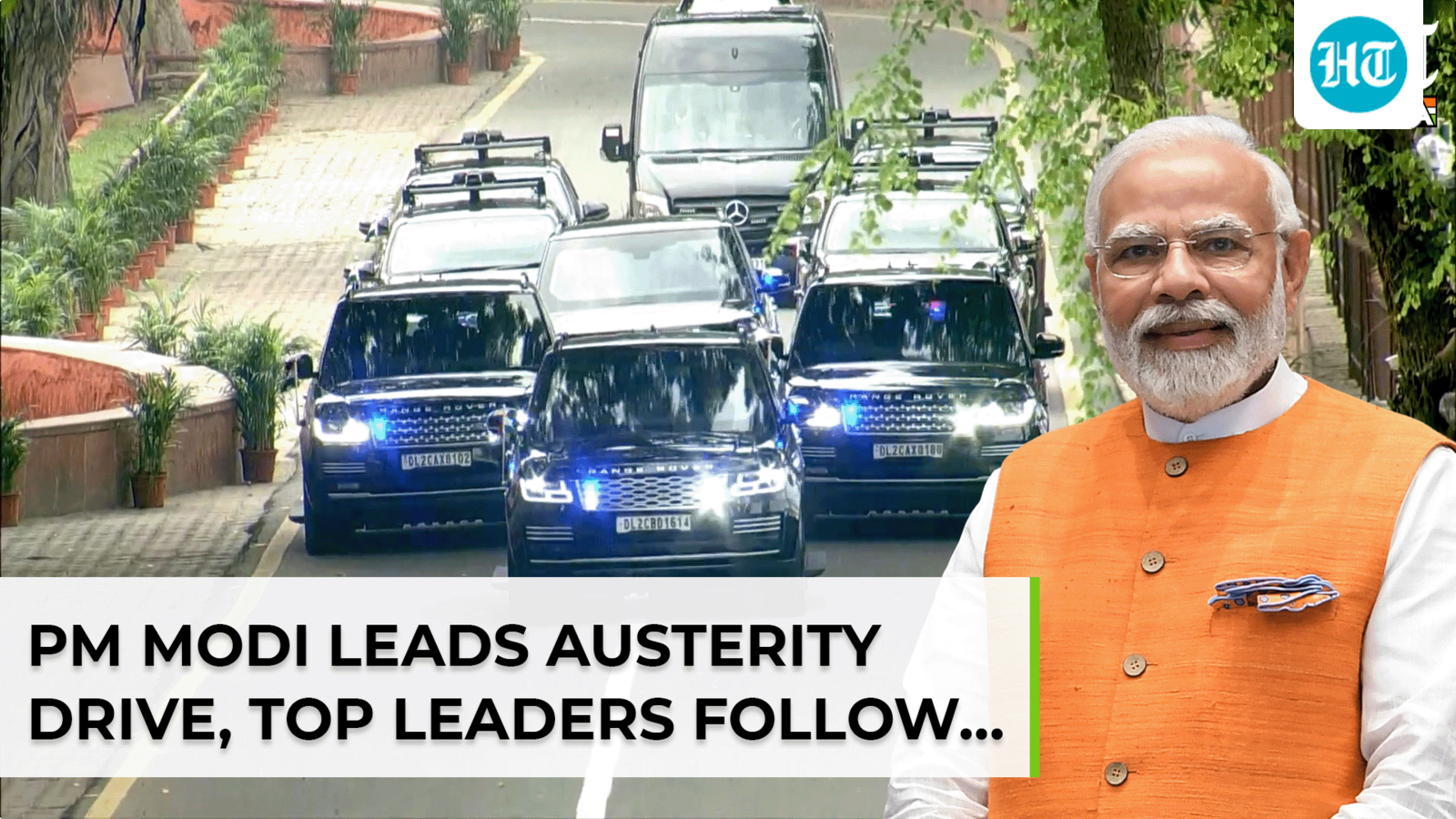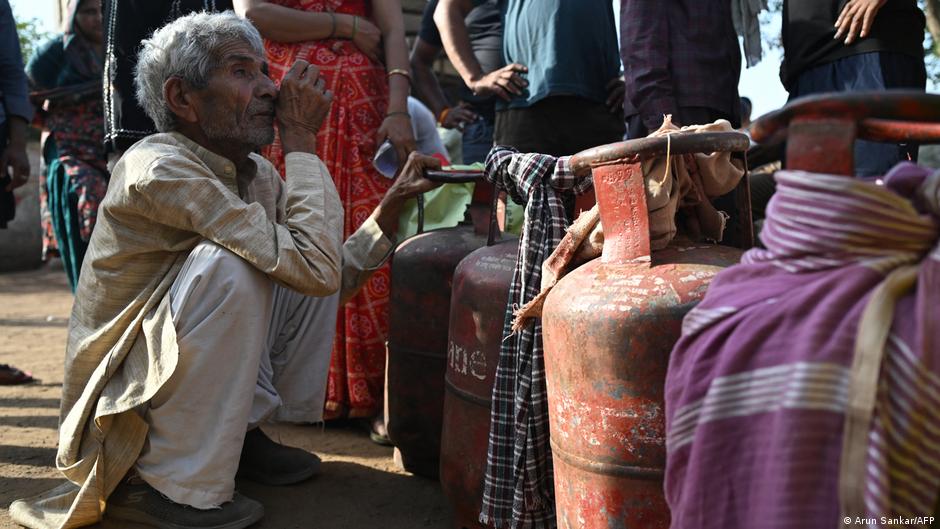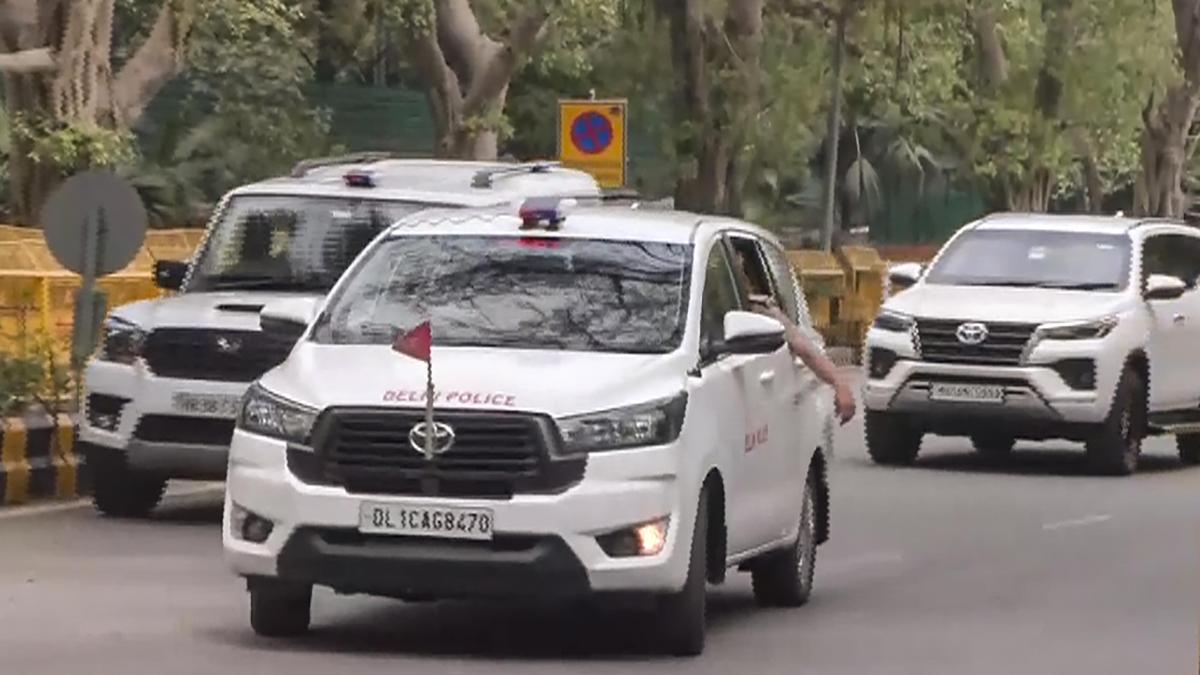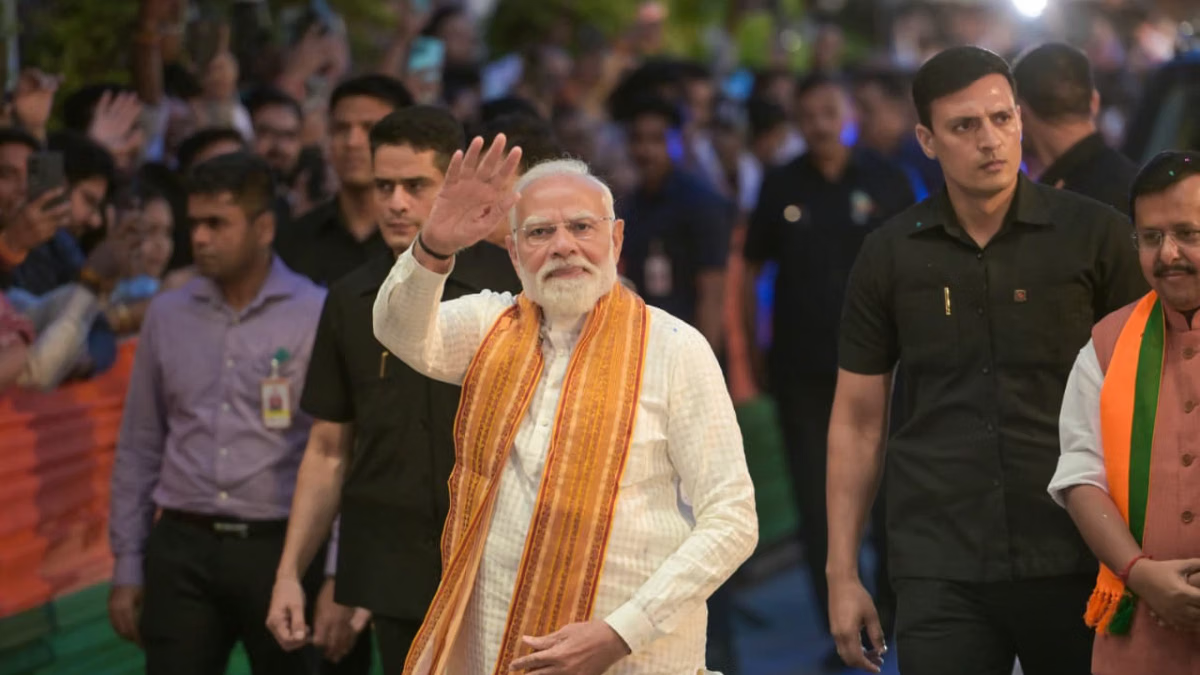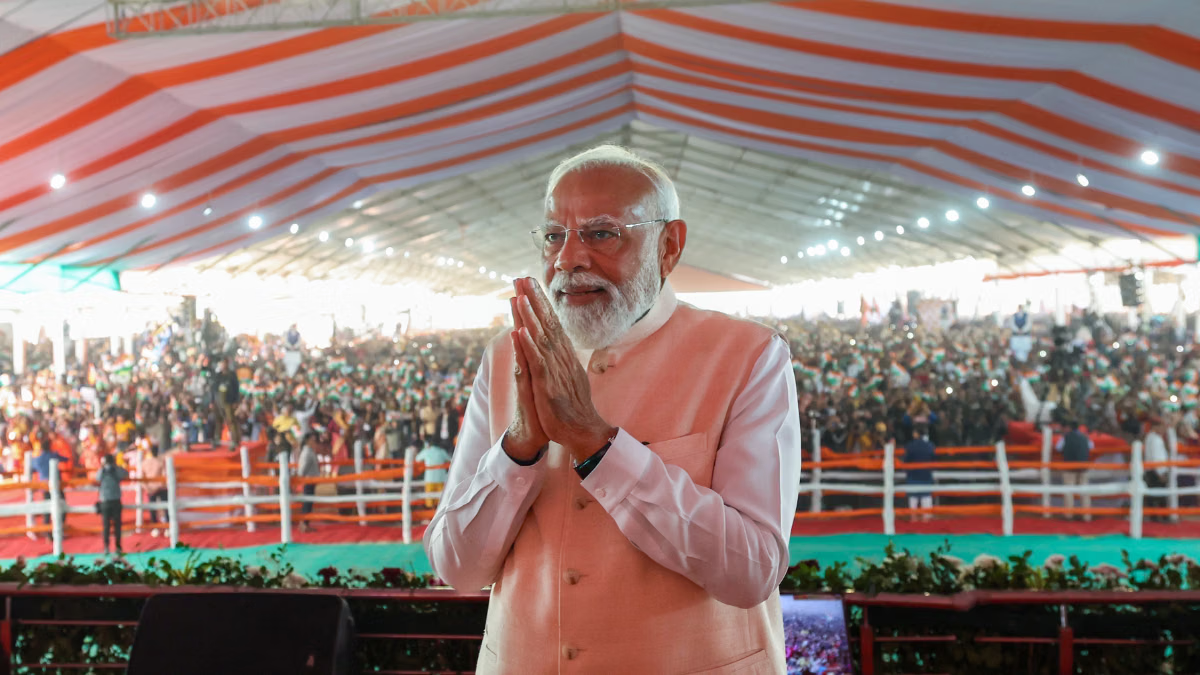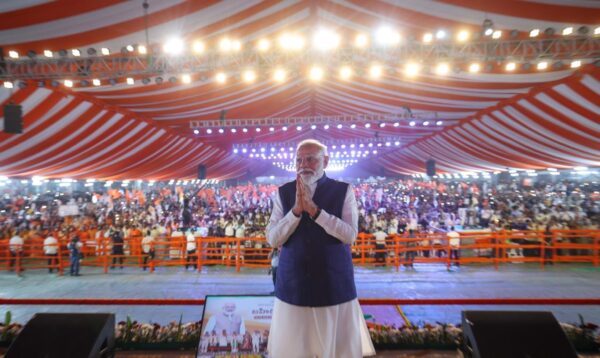
At a public event in Hyderabad in southern India on May 10, Prime Minister Narendra Modi called on Indians to reduce petrol and diesel consumption, avoid non-essential gold purchases and postpone foreign travel.
“Use metros wherever metros are available. Use carpooling to go to places, and use the railways if you have to transport goods. All of this will reduce dependency on petrol and diesel,” he said. Modi urged people to work from home and switch to electric vehicles to conserve petrol, and cut the use of edible oil in cooking and chemical fertilizers for crops.
Modi’s appeal comes amid the ongoing crisis in the Strait of Hormuz, which has disrupted oil, gas, and fertilizer supply lines from the Persian Gulf.
India imports nearly 88 percent of its crude oil requirements. And while it has diversified its sourcing of oil, its dependence on the Strait of Hormuz route remains significant; 40-50 percent of its crude imports move through this waterway.
As global oil prices surge amid the crisis in West Asia, India’s import bills have soared. India’s crude purchases ballooned from an average of 70.99 per barrel in 2025-26 to $114.48 per barrel in April and $105.4 per barrel in May this year. The country is grappling with inflation, a weakened rupee, and pressure on its current account deficit and foreign exchange reserves.