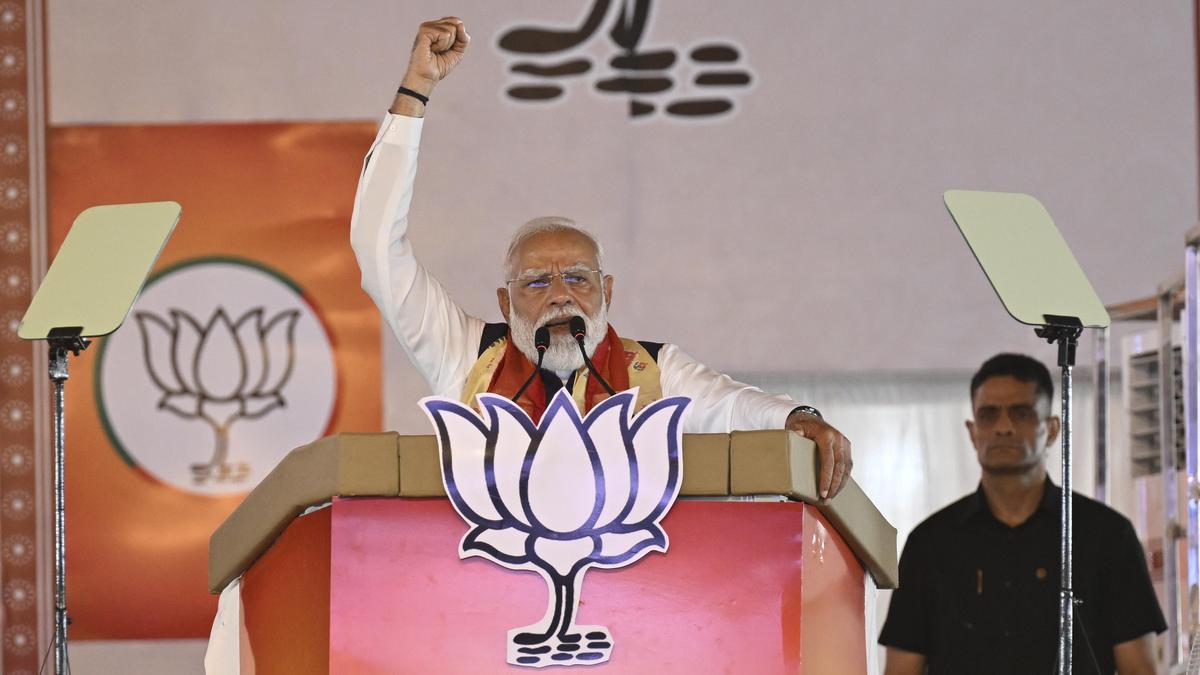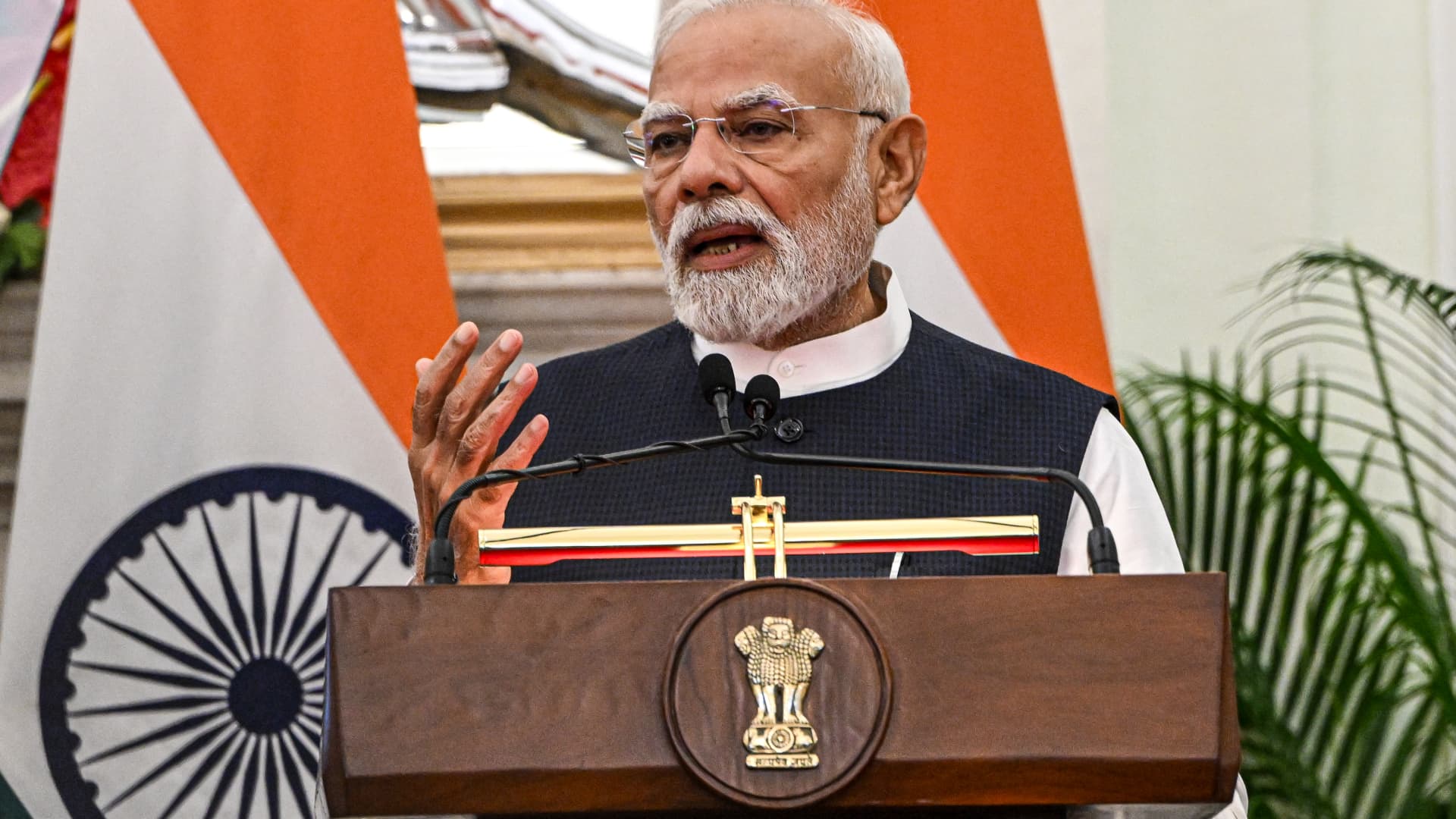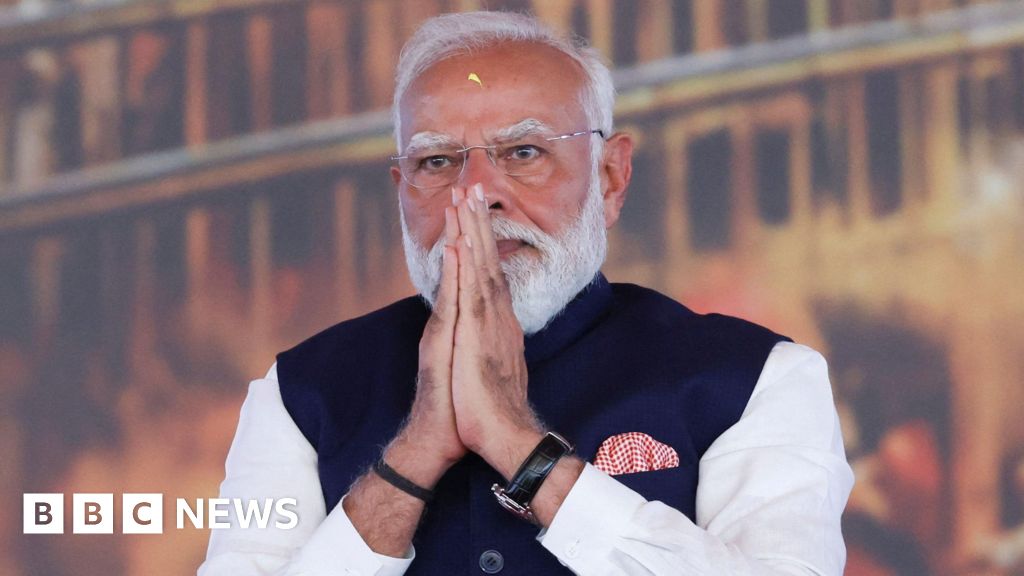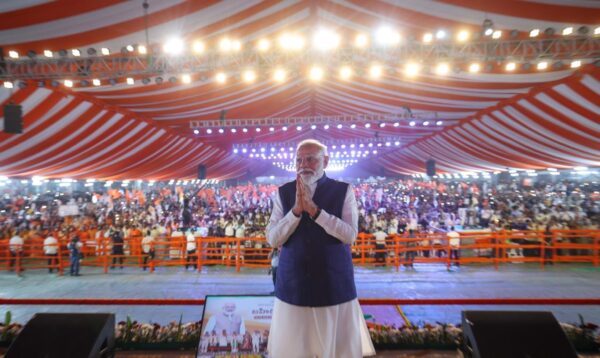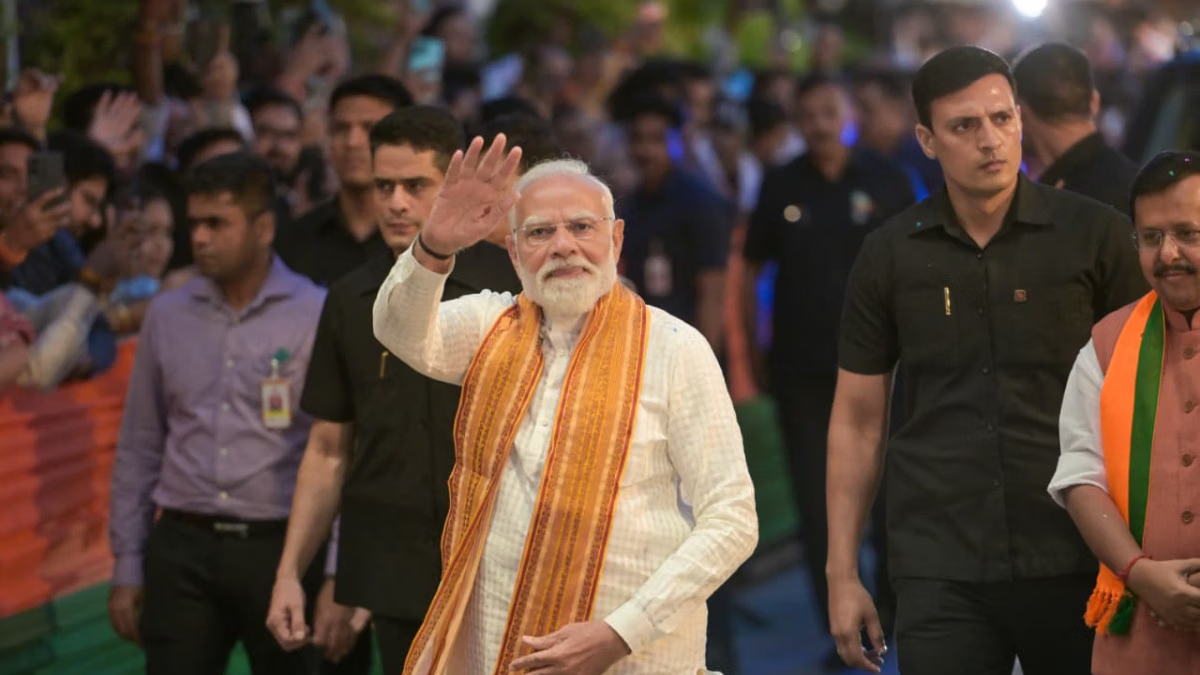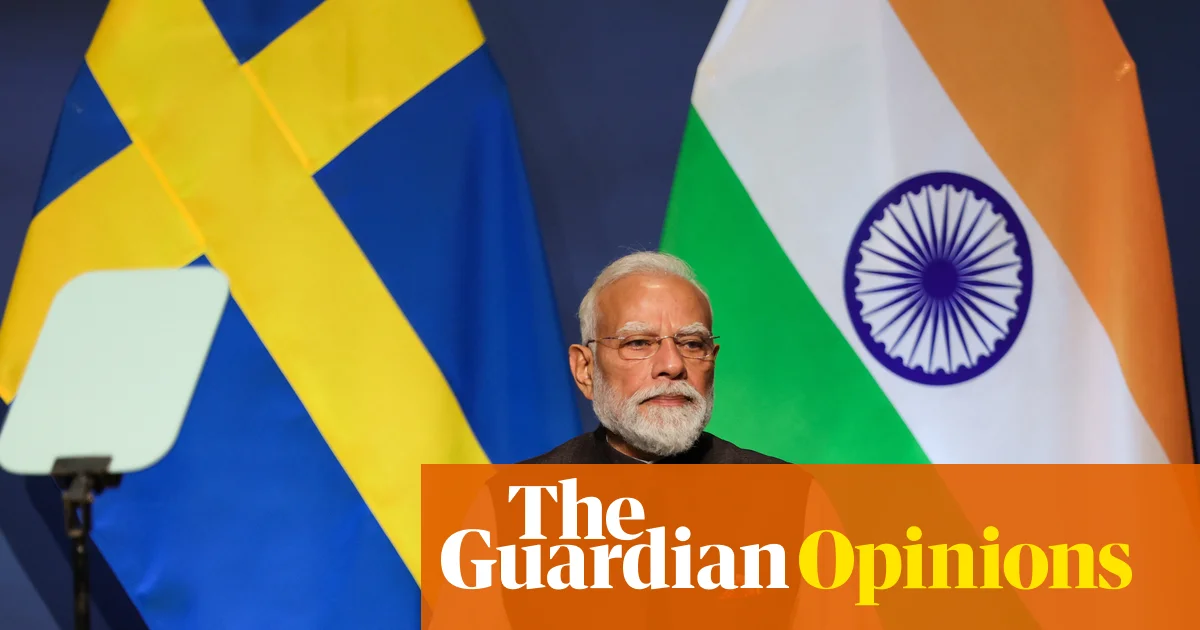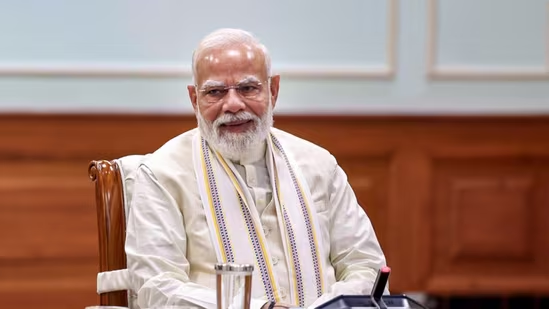
With energy prices rising, Prime Minister Narendra Modi has urged Indians to embrace voluntary austerity to protect the economy from the fallout of the war in Iran. But residents say they are already at their limit.
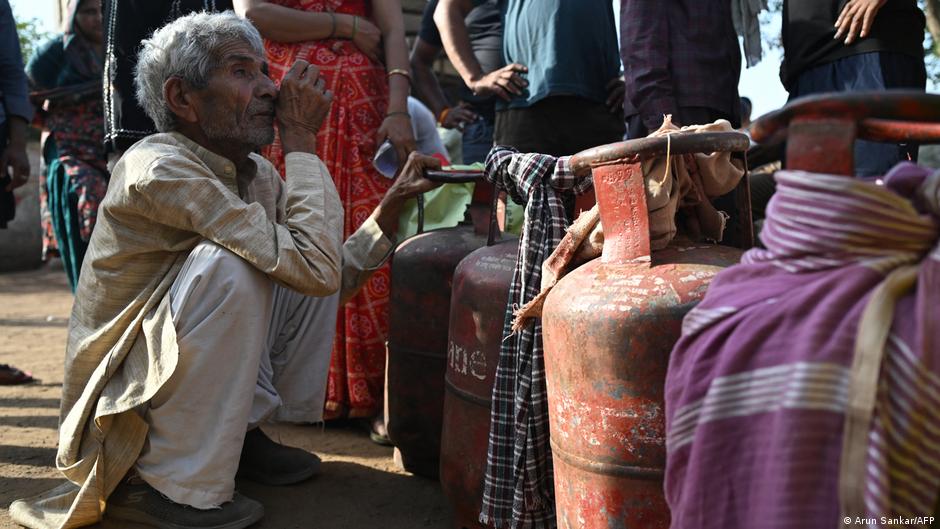
At a roadside eatery outside Delhi, India, Ramesh Verma has stopped checking the price of cooking gas every morning. The numbers only make him anxious now. At the same time, his business is starting to slow down as customers cut back on small, regular expenses like tea and snacks.
The commercial gas cylinder that runs his makeshift kitchen has jumped in price from around 2,078 rupees to 3,071 ($21.7 to $32.1) in just three months — a nearly 48% increase that is steadily erasing the narrow margins on which his business survives.
"I cannot charge truck drivers and laborers more per plate," Verma told DW, wiping down steel tables after the lunch rush. "If prices go up too much, they stop eating here. So, I absorb the loss 'til I can't."
For years, wars in the Middle East felt distant to most Indians, something seen on television but rarely affecting their lives.