The sharp decline in the Indian rupee’s value over the past two and a half months, amid the ongoing war involving the US, Israel, and Iran, has become a major concern for policymakers.
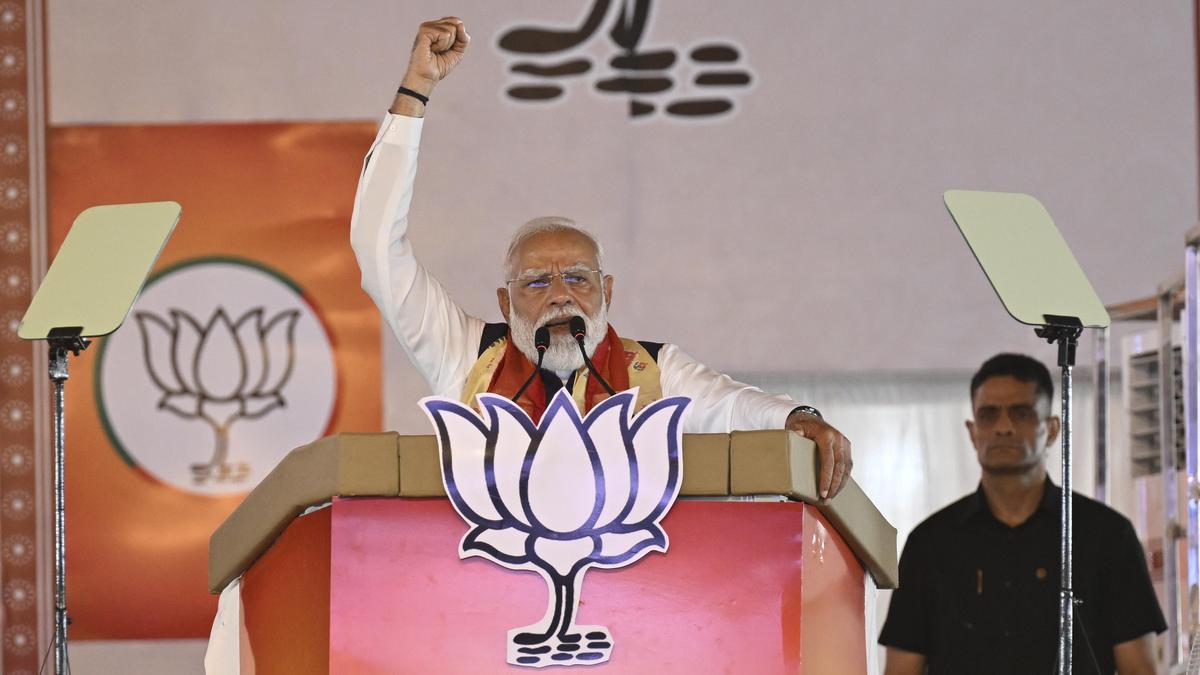
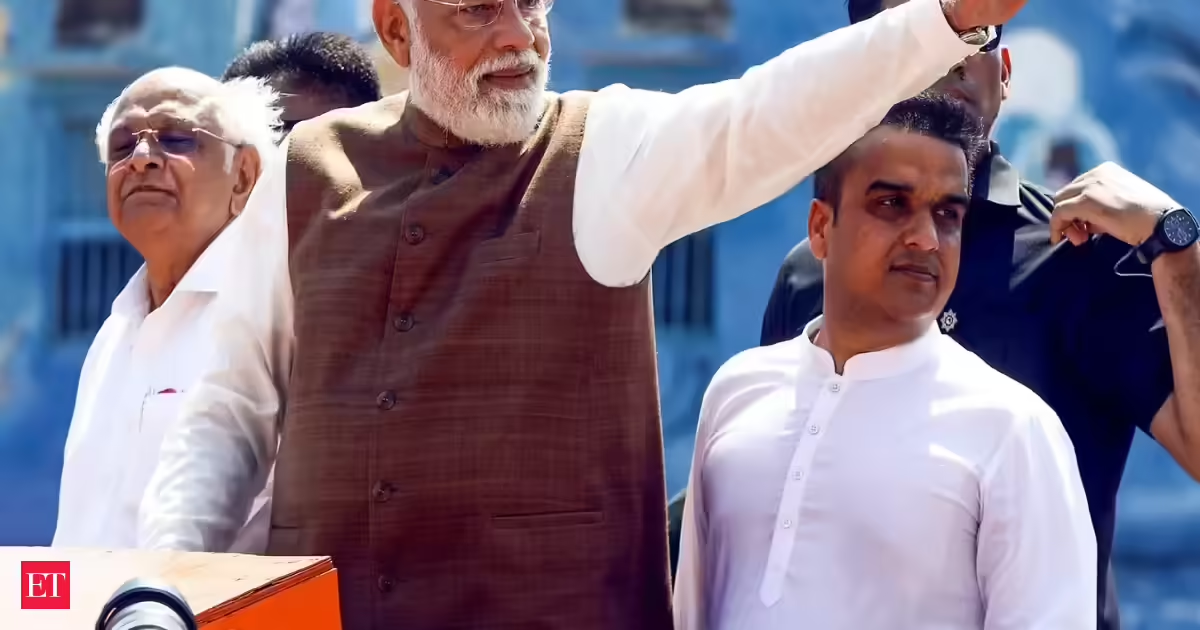
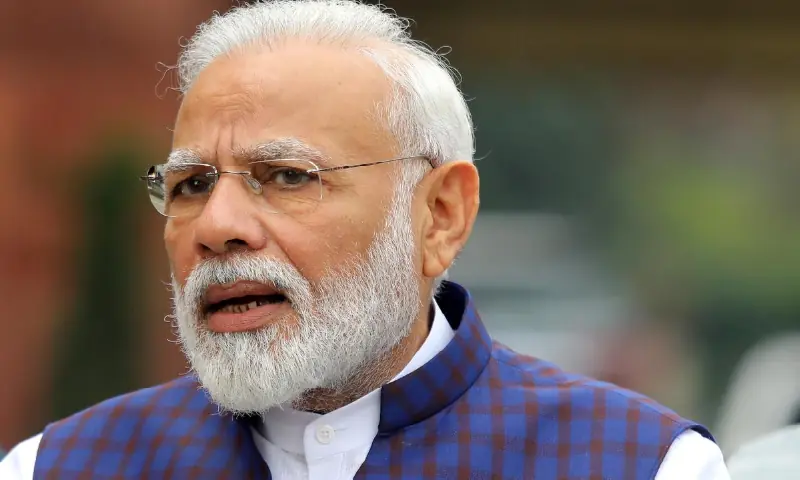
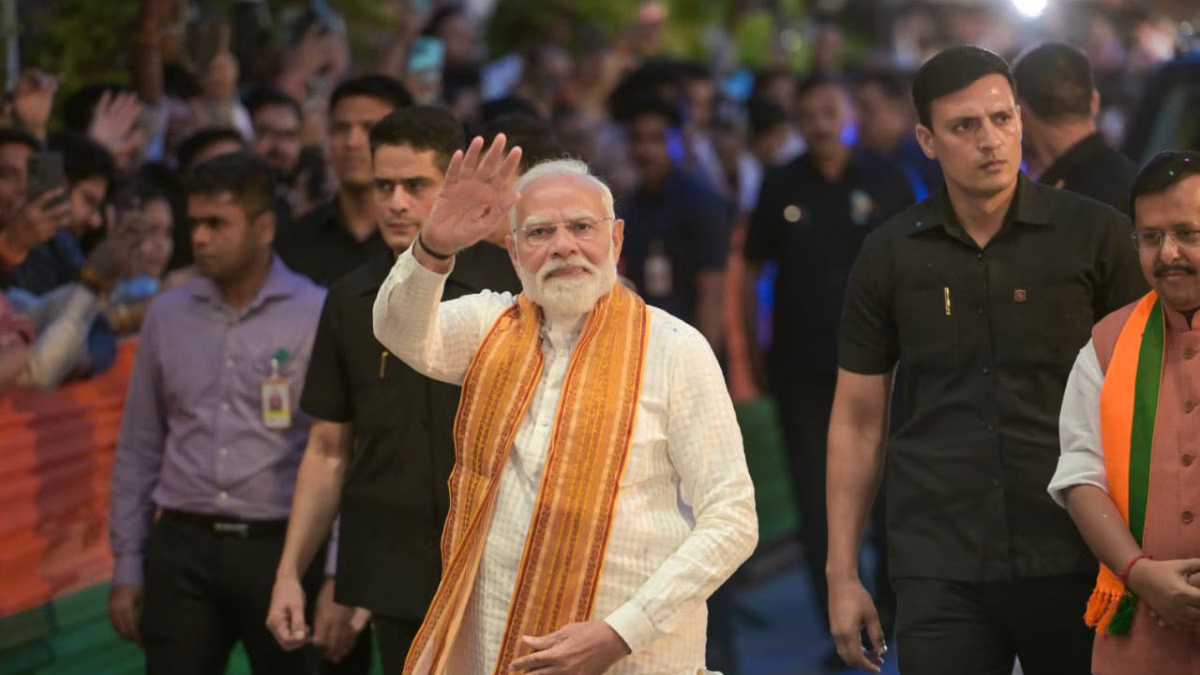
Though not directly referring to the fall of the rupee, anyone can guess that Prime Minister Narendra Modi’s appeal to the nation on 10 May 2026—to conserve petrol and diesel by minimising unnecessary vehicle use, curtail foreign travel, work from home, and conduct meetings online—was actually an appeal to citizens to help protect the rupee by conserving foreign exchange. It’s important to note that during this period of the Gulf conflict, India’s foreign exchange reserves have depleted by $ 38 billion, declining from $ 728.5 billion on 27 February 2026 to $ 690.7 billion by 12 May 2026.
Generally speaking, there are two views about the stability of the rupee. One set of people believes that the exchange rate is nothing but a market-determined variable, and one should not worry, even if the currency depreciates, as imports and exports will adjust automatically to the changing exchange rate. They are of the view that depreciation of the domestic currency may discourage imports, while simultaneously encouraging exports. They also believe that the Indian rupee is overvalued and that any intervention by the Reserve Bank of India (RBI) to arrest its decline could hurt the economy—encourage imports and discourage exports. The second set of people favours a strong rupee. They feel that only a strong currency can help control inflation, keep foreign exchange outflows, due to debt services (repayment of principal and interest), dividends, royalties, salaries and other income transfers under check. Prime Minister Narendra Modi, before taking over the reins of power, had argued that misguided policies of the previous governments were responsible for the rupee’s decline, and therefore, a right set of policies can only help stop the depreciation.RBI can’t save the rupee