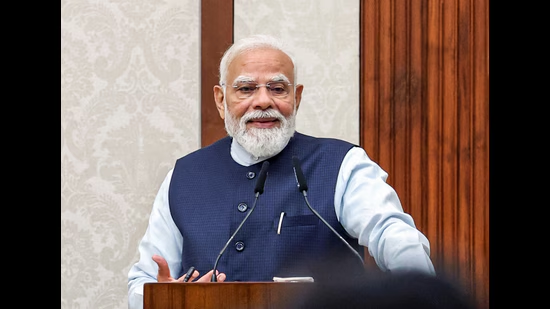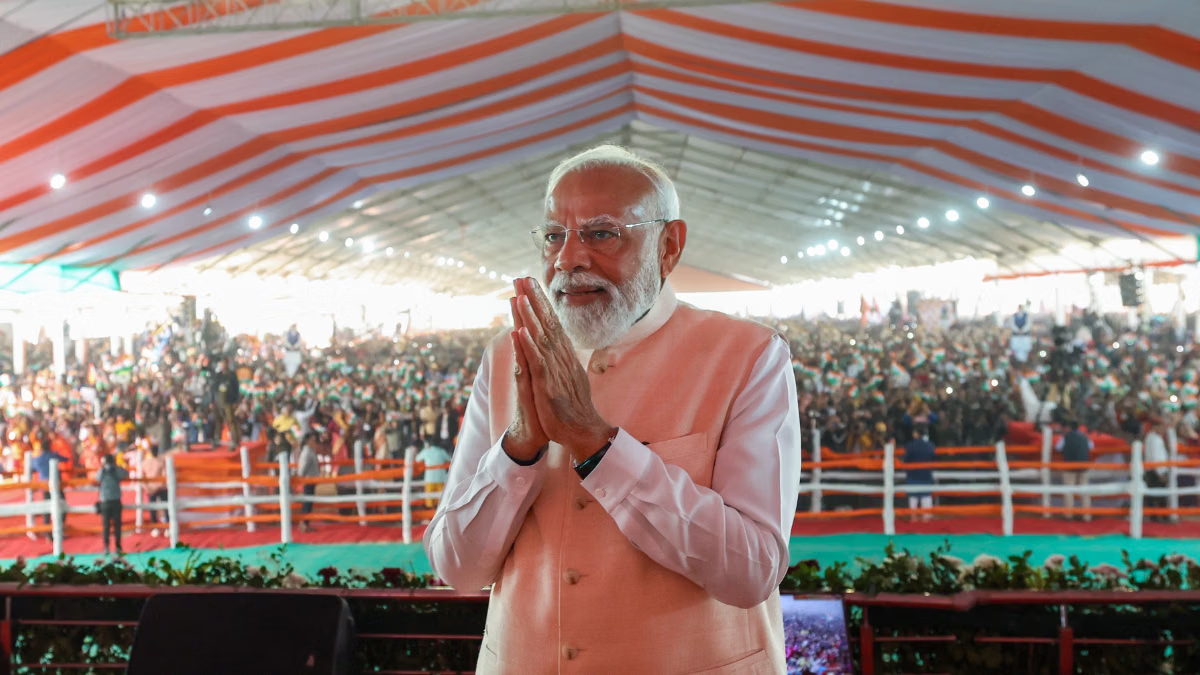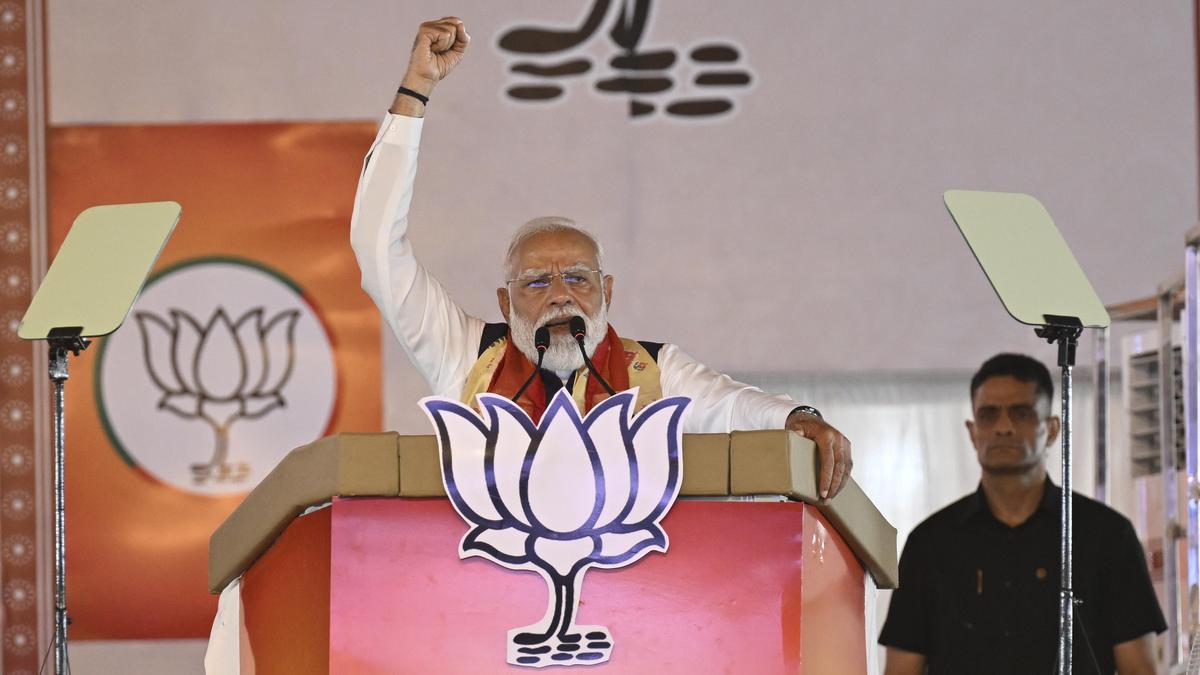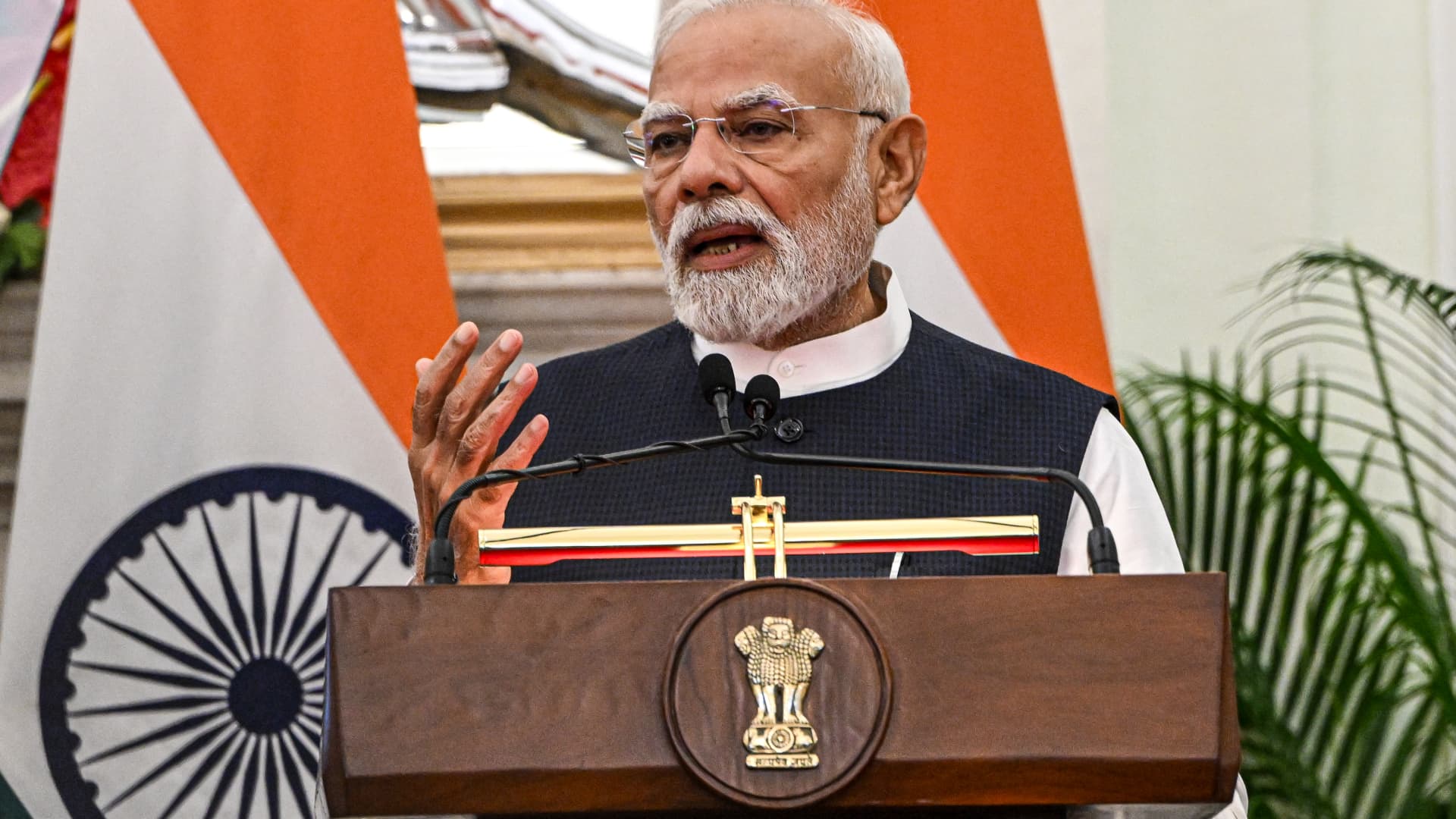
Recently, Prime Minister Narendra Modi issued seven appeals urging citizens to embrace restraint, self-reliance, and responsible consumption amid global uncertainty caused by the America-Iran conflict and disruptions in the Strait of Hormuz. These included buying local products, conserving energy, avoiding unnecessary foreign travel, prioritising domestic tourism, supporting indigenous innovation, and promoting work from home wherever feasible.The appeals have drawn mixed reactions from political parties, economists, businesses, and the public. Some view them as practical nationalism suited to an unstable world, while others see them as realism rather than rhetoric. Supporters argue that promoting domestic consumption and reducing external dependence could strengthen India’s resilience in a fractured global economy, while some in the social sector see the messages as supportive of healthier and environmentally sustainable lifestyles.A subtle shift to the citizenThere is merit in these arguments. India, like every other country, must prepare for a more uncertain global environment. Yet, Mr. Modi’s appeals warrant closer scrutiny, as they primarily seek to modify citizen behaviour while leaving governments and institutions relatively insulated from equivalent responsibility. In doing so, the burden of managing structural crises is subtly shifted from the state to individuals.Modern democratic governance rests on an implicit social contract. Citizens pay taxes, obey laws, participate in democracy, and contribute to the economy. In return, governments are expected to provide public goods, social protection, health care, infrastructure, education, economic stability, and strategic preparedness. Governments exist not merely to advise citizens during crises, but to build systems resilient enough to withstand them. Yet, they often fall short of fulfilling this contract, with even electoral promises only partially implemented before being repackaged for future elections.When elected governments increasingly respond to structural economic or geopolitical shocks by urging citizens to consume responsibly, sacrifice, adapt, or remain resilient, without simultaneously undertaking matching institutional reforms, the social contract begins to weaken. Long-term opportunities for structural correction are gradually replaced by behavioural messaging and symbolic appeals.This phenomenon, of course, is not unique to India. Across the world, governments confronting inflation, climate stress, energy insecurity, or economic slowdown routinely ask citizens to reduce consumption, recycle more, conserve electricity, or embrace austerity. Individual behaviour certainly matters. But such appeals often obscure the much larger responsibility of states and corporations in shaping systemic outcomes. That is why a wider public dialogue and deeper reflection on these issues become essential. Behavioural appeals may generate symbolic solidarity, but symbolism cannot become a substitute for institutional preparedness.Question for the governmentThe modern global economy is extraordinarily interconnected. Food security, climate change, financial systems, and technological ecosystems all transcend national borders. No country, including India, can insulate itself through behavioural nationalism alone. The danger lies in oversimplifying complex structural challenges into moral obligations for citizens. Patriotism, however emotionally resonant, cannot replace long-term economic planning, institutional competence, and policy coherence. National resilience is built through capable institutions and sustained public investment.There is also an uncomfortable asymmetry. Citizens are repeatedly advised to conserve, adjust, and become self-reliant. Yet, why are governments not publicly issuing equivalent commitments to transparency, regulatory stability, public investment, and institutional reform?Instead of focusing primarily on what citizens should do for governments during crises, one may ask a more foundational democratic question: what should governments do for citizens during periods of global instability? If these seven appeals were reconstructed from a citizen-centric perspective, the priorities would look very different.First, governments must invest far more seriously in social protection systems. The COVID-19 pandemic showed that resilient societies are built not only through disciplined citizens, but also through strong public institutions. Yet, improvements since then have remained uneven. In health care, the expansion of private and corporate services has often outpaced the strengthening of public systems. Future resilience requires sustained investment in primary health care, disease surveillance, nutrition, mental health, emergency preparedness, education, and other social sectors.Second, governments must confront rising economic inequality rather than relying excessively on consumption patriotism. Economic resilience cannot emerge from patriotic appeals alone when millions remain financially insecure, unemployed, or trapped within informal labour systems and the gig economy without adequate social protection.Third, governments must prioritise long-term investments in education, scientific research, and public universities. Genuine self-reliance is built through decades of investment in laboratories, universities, manufacturing ecosystems, scientific temper, and innovation capacity. It is not enough merely to establish Indian campuses of Ivy League universities; Indian universities and research institutions must themselves emerge as among the world’s leading centres of knowledge and innovation.Fourth, governments must strengthen transparency, public trust, and their handling of widespread public anxiety and uncertainty. During crises, trust becomes a strategic national asset. Citizens cooperate when governments communicate honestly, acknowledge uncertainties, and allow independent institutions, experts, and media to function freely.Fifth, governments must invest far more seriously in climate resilience and sustainable urbanisation. Asking citizens to conserve electricity while cities continue to suffer from poor planning, inadequate public transport, shrinking green spaces, and worsening environmental degradation addresses symptoms rather than causes. While the push for electric vehicles and alternative energy is welcome, quality urban infrastructure remains inadequate. Failed initiatives such as smart cities are rarely evaluated critically and are instead quietly forgotten.Sixth, governments must reduce regulatory unpredictability and create stable, fair policy environments for businesses, workers, researchers, and entrepreneurs. National resilience depends upon predictable governance and institutional consistency.Seventh, governments must protect democratic dialogue instead of allowing criticism to be routinely framed as anti-national. Democracies become stronger through open debate, institutional criticism, intellectual diversity, and democratic course correction.The need for strong institutionsNone of this implies that citizens have no responsibilities. Responsible consumption, environmental awareness, social solidarity, and support for domestic capabilities are important civic virtues. But they cannot substitute for governance itself. Democracies cannot function sustainably if governments merely offer behavioural advice while citizens bear the consequences of structural vulnerabilities.The larger danger of behavioural politics is that it normalises institutional underperformance. Individual responsibility matters, but it cannot become the primary response to fundamentally structural problems.India aspires to become a major economic and geopolitical power. Achieving that ambition will require strong institutions, evidence-based policymaking, investment in human capital, and a renewed social contract in which governments accept greater responsibility for national resilience. The true test of leadership during crises is whether governments demonstrate the accountability, foresight, and policy seriousness needed to protect citizens in an increasingly uncertain world.Dr. Chandrakant Lahariya is a practising cardiometabolic physician and a healthy policy specialist. He has worked with the United Nations System for nearly 18 years
Global crises demand more than ‘citizen sacrifice’
The appeals made to India's citizens warrant scrutiny, as they primarily seek to modify citizen behaviour while leaving governments and institutions relatively insulated from equivalent responsibility
1,062 words~5 min read