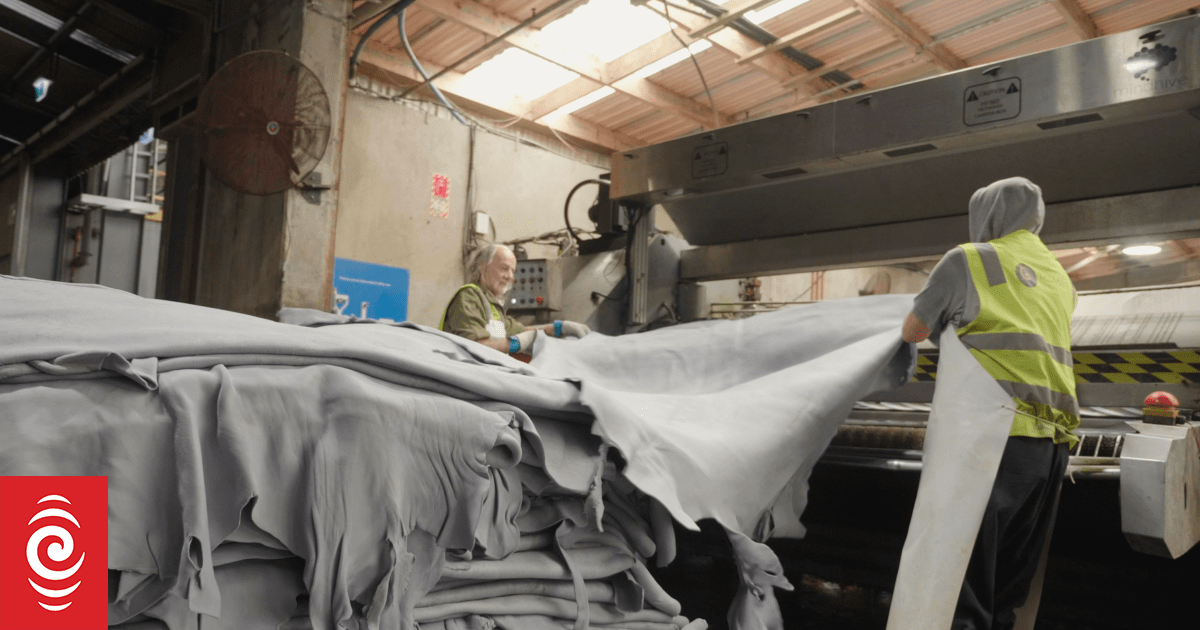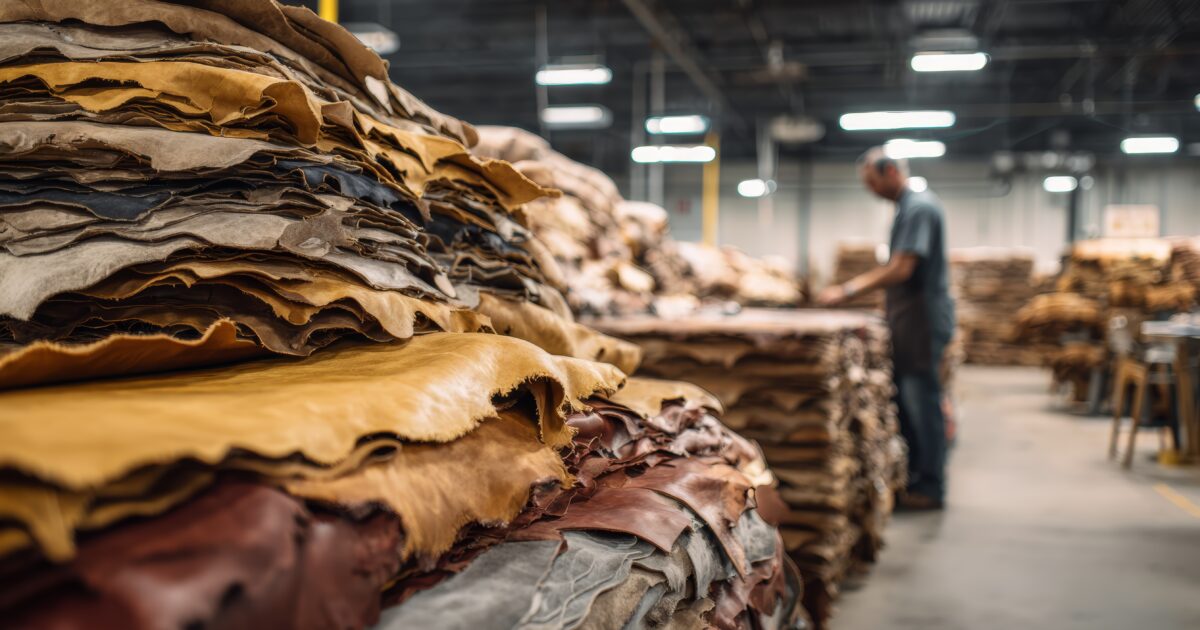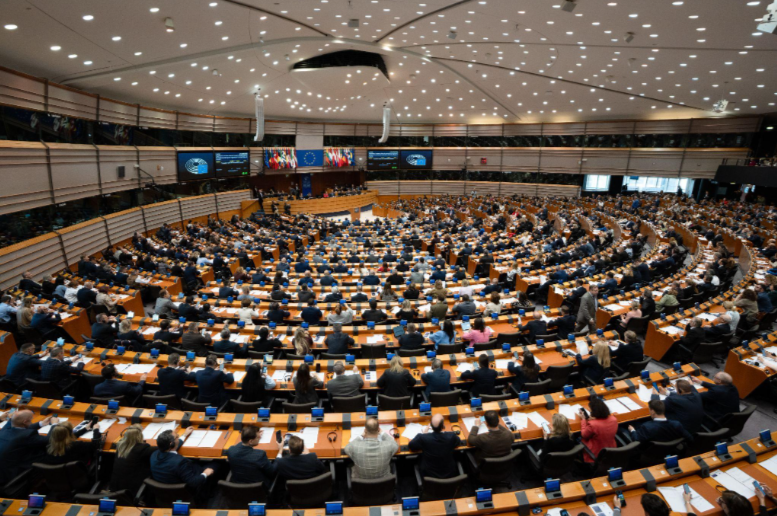
According to the European Commission’s own research, leather could account for up to 17% of the deforestation footprint tied to European Union Deforestation Regulation-covered imports. This is roughly 390 square kilometers (149 square miles) of forest lost a year, an area twice the size of the Italian city of Pisa.Despite the evidence, Brussels moved earlier this month to drop bovine hides from the scope of the EUDR. The commission says it considered “qualitative considerations” in its decision.The move comes after intense lobbying by the leather industry. The main groups representing the sector held at least 22 meetings with European lawmakers since 2021, according to lobbying records, with more than a third occurring in the past year as the regulation neared implementation.Environmental campaigners argue that removing leather would create a loophole: beef remains covered, but leather — a high-value product in the same supply chain — could still enter EU markets without the same traceability obligations.
The clock is ticking in Brussels. By June 1, the European Commission, the bloc’s executive body, is set to receive feedback on its proposal to remove leather, hides and skins from the EU’s Deforestation Regulation (EUDR). Officials, however, are trying to push this amendment even after the commission’s own research confirmed that cattle hides also drive forest loss, a Mongabay analysis shows.