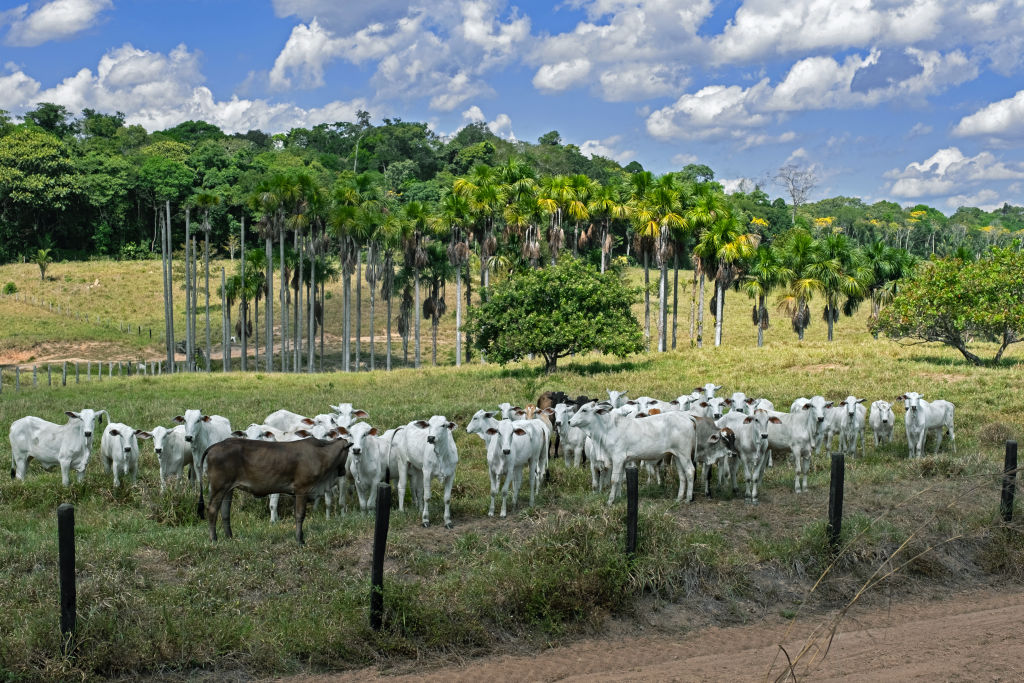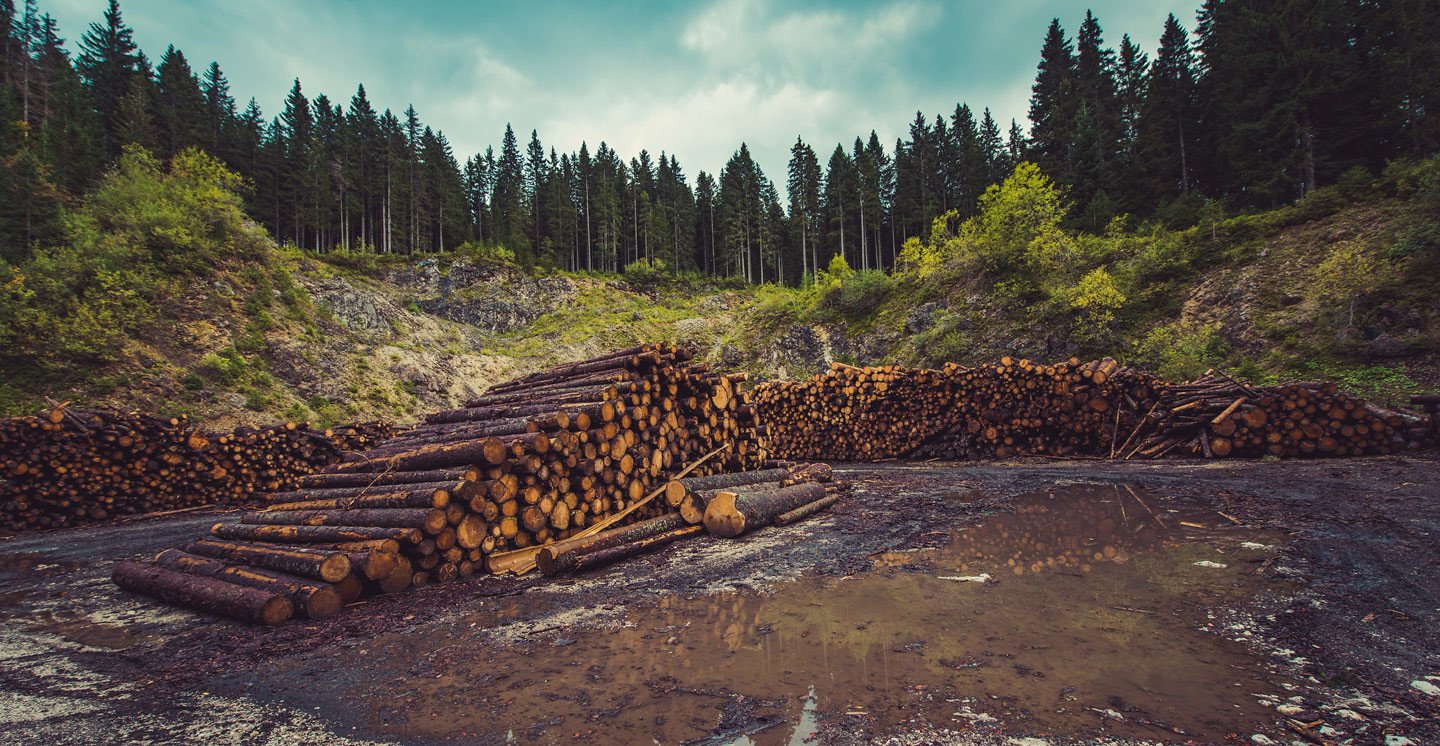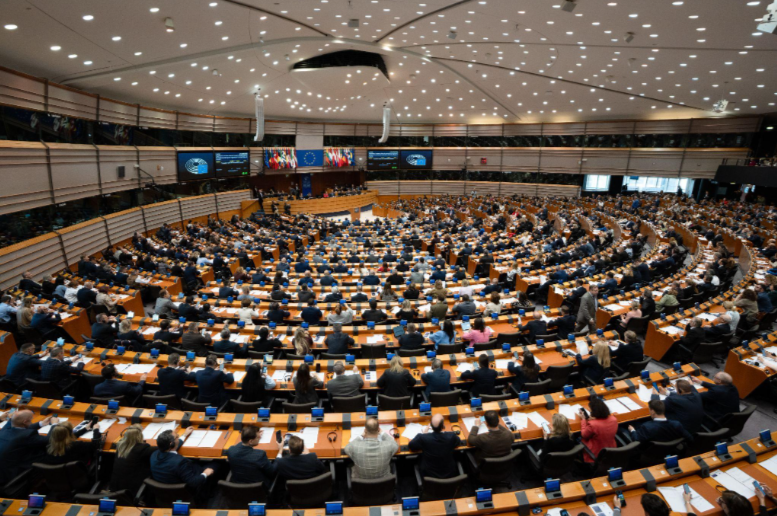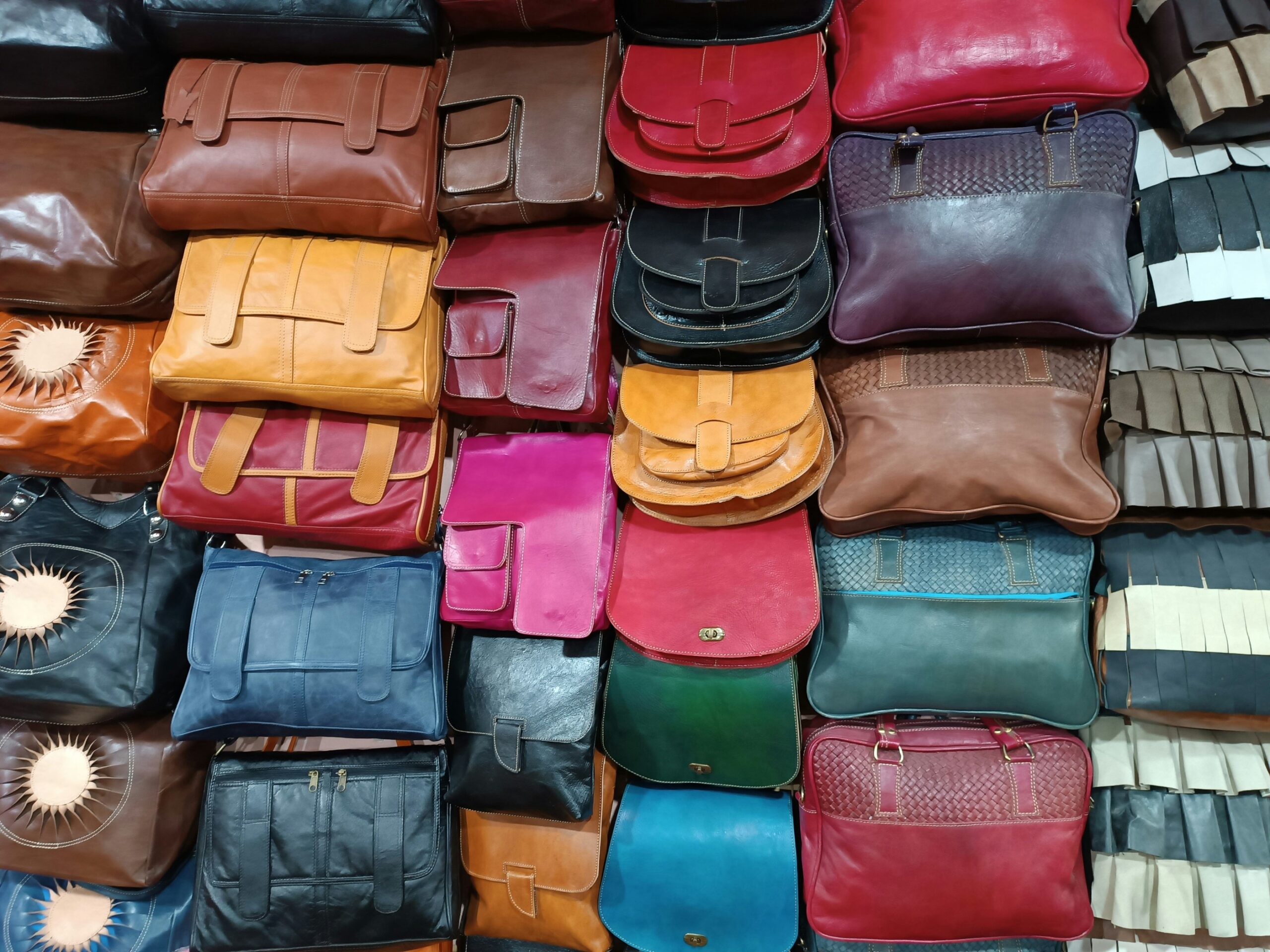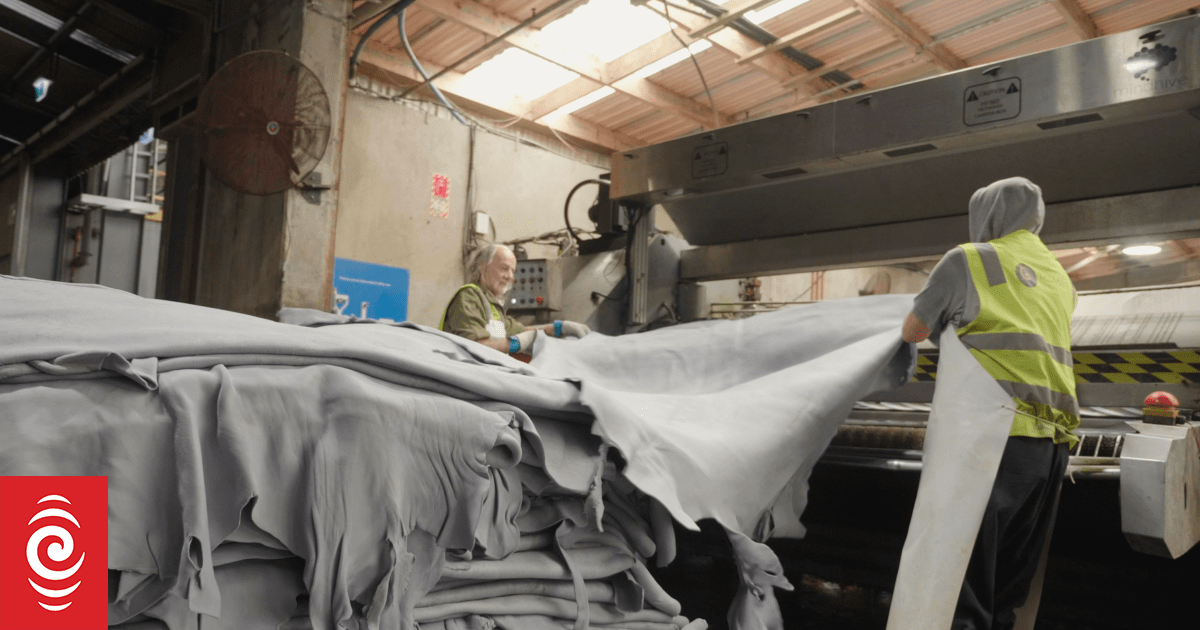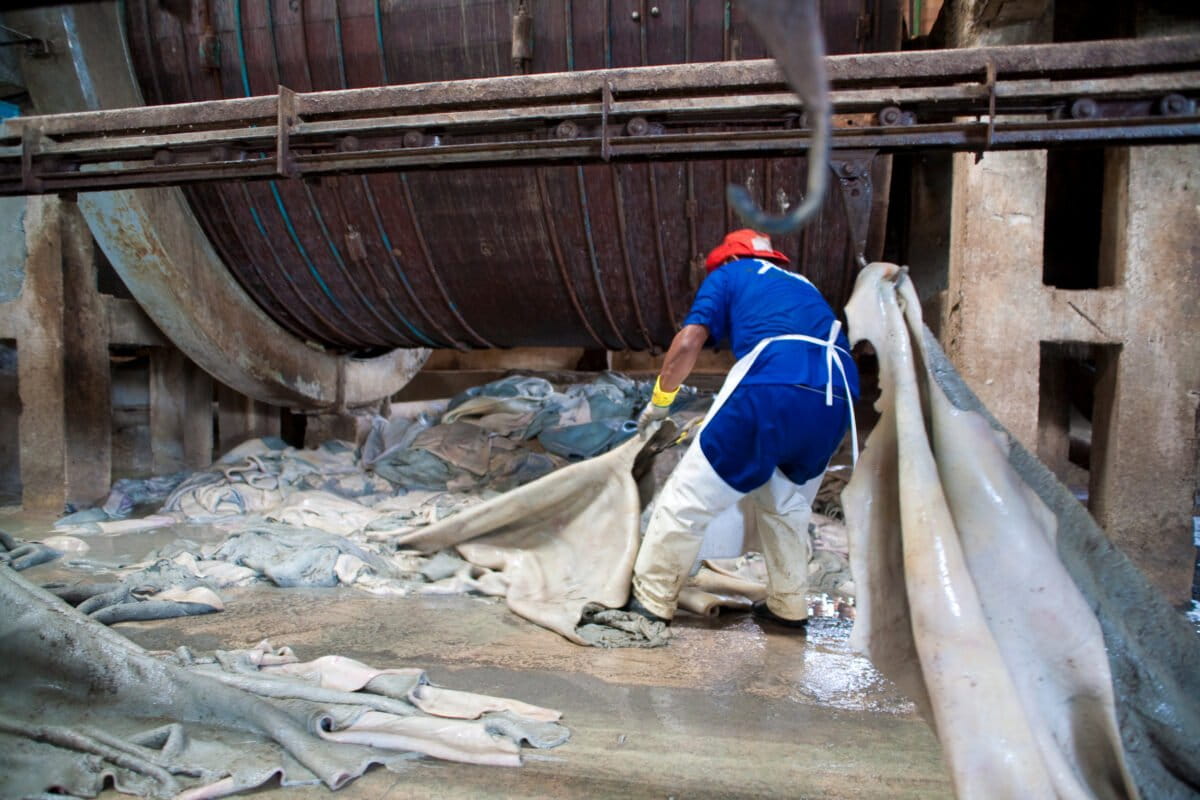
The European Union has dropped leather from its final list of products targeted under the bloc’s landmark antideforestation law. Experts say the July 13 decision is the result of industry lobbying rather than a true reflection of leather’s deforestation footprint.
The EU deforestation regulation, or EUDR, mandates that companies selling commodities such as cattle, soy, palm oil and cacao in the European market must prove their supply chains aren’t sourcing from recently deforested land. The law is currently set to take effect at the end of this year, following two years of delays. It has faced a series of revisions that effectively weaken the law since it was first passed.
“The decision to exclude leather from the EUDR is deeply disappointing. It ignores strong evidence linking European consumption of leather to deforestation in Latin America,” Fyfe Strachan, policy lead at U.K.-based watchdog organization Earthsight, wrote in an email statement.
“It overlooks the voices of EU citizens from the recent public consultation and instead prioritizes the interests of industry lobbies,” she added.
As Mongabay recently reported, the European Commission’s own research concluded that leather could account for up to 17% of the deforestation footprint linked to imports covered by the EUDR.