Nothing can prepare you for the death of your father because, by definition, it’s a once-in-a-lifetime event. You have these ideas in your head about how it’s going to be: the children gathered at the bedside saying all the moving, important things that hitherto they’d held back; the fond paternal benison. But the reality, in my experience, is unlike the scenes in literature.
My dad couldn’t wait to get rid of us. He was far too preoccupied with the intimate, difficult and very personal business of dying to indulge our let’s-pretend-everything’s-normal chit-chat. His last words to me – perhaps to anyone – were: ‘I’m feeling really buggered. Call me a nurse.’ So we each kissed him on the forehead – ‘Love you, Pa’ – and shuffled out to the hospital car park to find somewhere to smoke. ‘Well, that wasn’t very grateful of him, miserable sod,’ I said to my brother and sister. Pa would have appreciated this because he gave us our sense of humour.
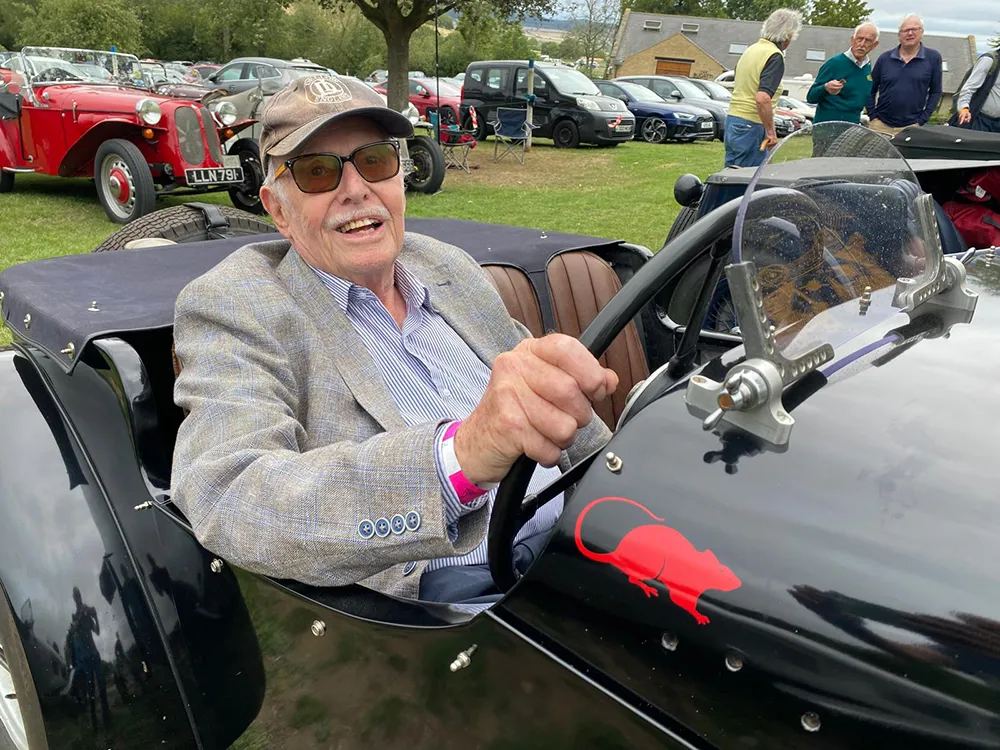
He had the gift of both being very interested in other people’s lives and being peculiarly interesting himself
Then there’s the body: to see or not to see? Two of my siblings (Dick and Mary-Rose) had stayed to keep vigil – murmuring reminiscences, whispering prayers – and were there when he breathed his last at 6.35 a.m. Apparently he turned a funny colour. ‘Up to you, your call. But do you really want that to be your last memory of him?’ said Dick. Except I remembered reading somewhere that you’re supposed to visit the corpse, Victorian-style, to get a sense of closure. I pondered this awhile and a voice came into my head: ‘Oh, I wouldn’t bother if I were you. Go and have a coffee with your brother and sister.’ It was my father and of course he was dead right.