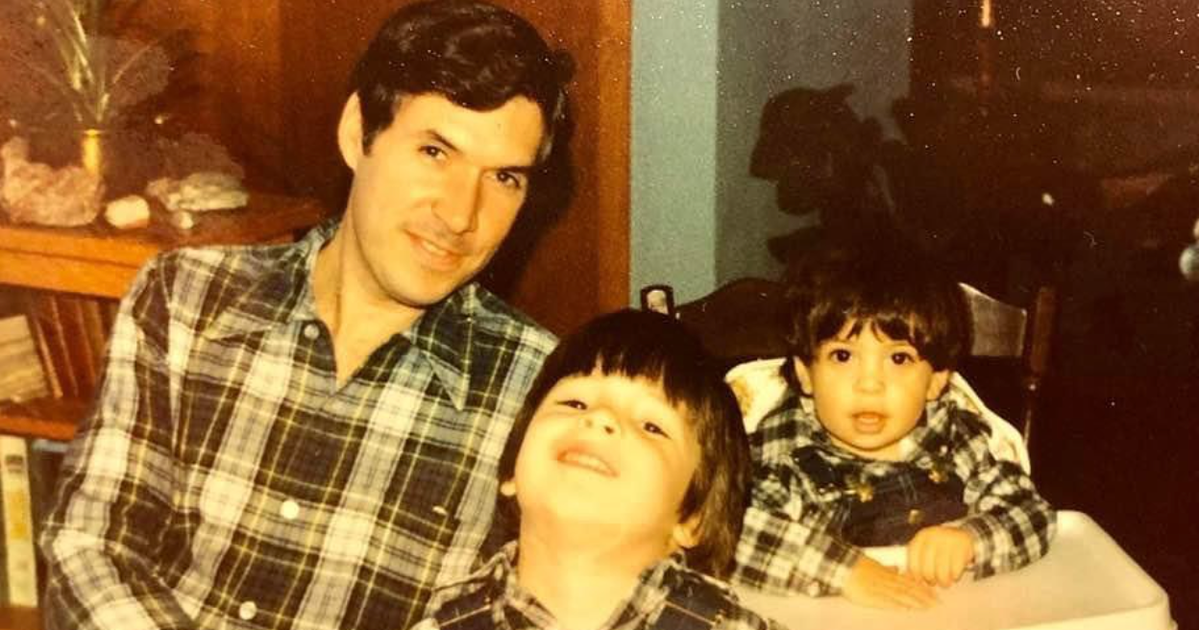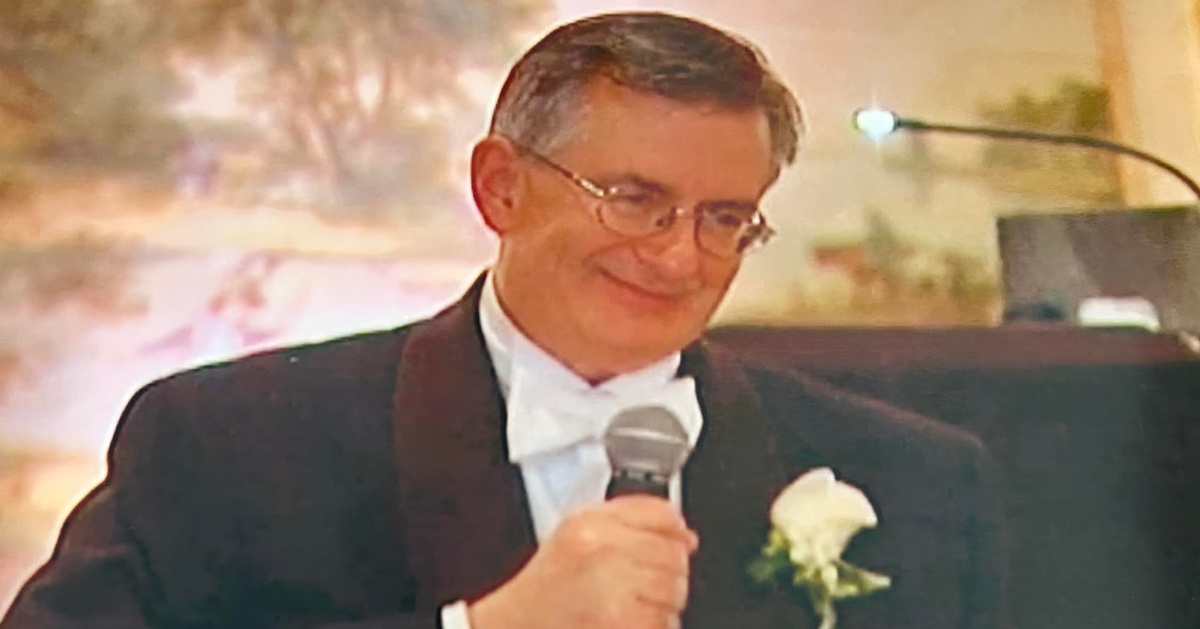
“If people aren’t laughing during my memorial, you’ve done it wrong,” my father told us for years, long before his death. “Funerals are inherently sad; for mine, cut the treacle a bit with humor.”
He thought a lot about funerals. Growing up, death was a dinner table conversation at our house almost every night, because my dad was an estate planning attorney. He always protected his clients’ privacy, but would bring the lessons home: Never fight with your siblings over money. Never stop talking to your brother and sister — work it out with words, go to a family therapist if you have to. Your mother and I would be so disappointed if you didn’t get along after we were gone.
My dad spent his days divvying up assets among sometimes testy or distant family members. He helped his clients write their wills and he attended enough funerals to develop strong beliefs about them. He often advised his clients to take a beat after a family member’s death and delay having the service in order to gather their thoughts and think about what their loved one would want.
He believed every close family member should write a eulogy. Whether they actually delivered the speech at the funeral mattered less than the process of organizing one’s feelings and acknowledging their relationship with the loved one who had died. It’s a therapeutic rite of passage and aids in the grieving process. He believed it put the relationship into perspective.